Artwork
Left and Right Wing of an Altarpiece with St Anne with the Virgin and Child on her Lap, a Holy Bishop, St Magdalen and St Ursula
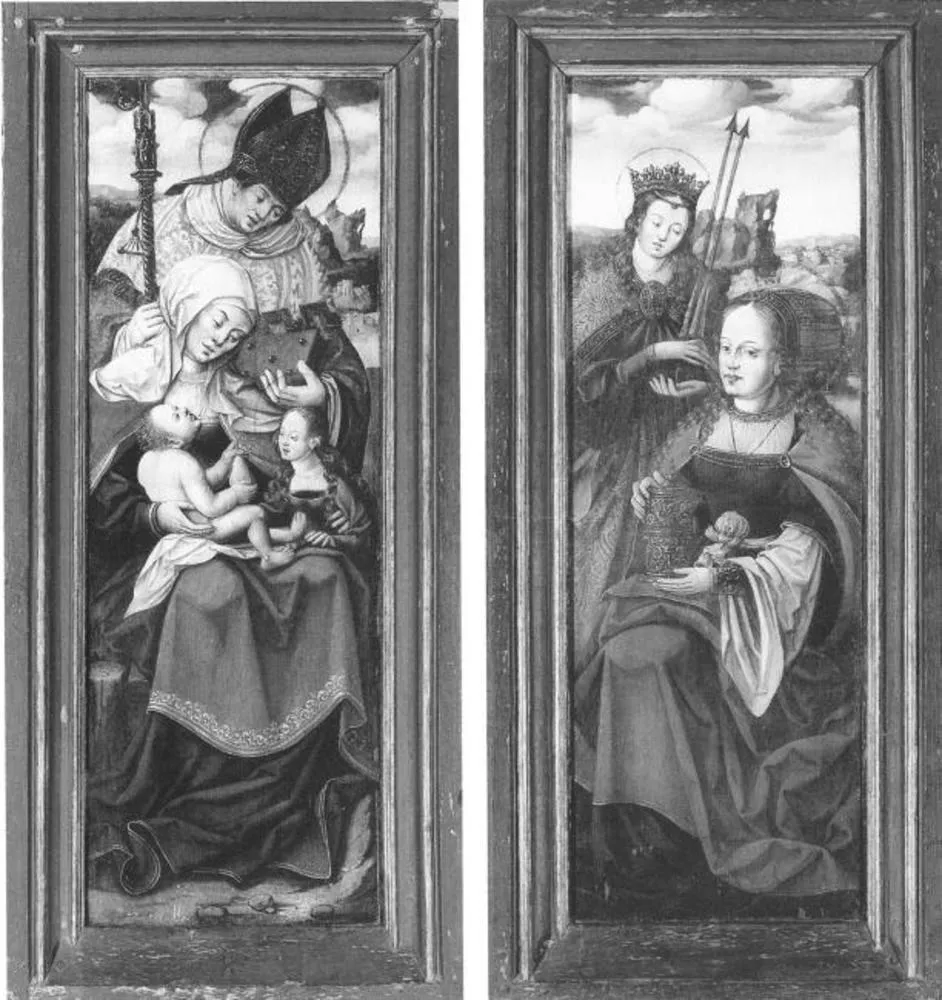
Left and Right Wing of an Altarpiece with St Anne with the Virgin and Child on her Lap, a Holy Bishop, St Magdalen and St Ursula is an oil painting by the Mannerist artist Unknown. It dates from 1545 and is held in the collection of the Städel Museum. The work consists of two adjoining panels painted in oil, each presenting a distinct religious grouping.
About this work
Overview
The work consists of two adjoining panels painted in oil, each presenting a distinct religious grouping. The left panel centers on a bishop, identifiable by his staff, positioned behind a woman cradling an infant. The right panel shows a woman holding a small statue, with a crowned figure bearing a spear in the background. Both scenes are set against a shared landscape with a cloudy sky.
Subject & Meaning
The left side likely references Saint Anne with the Virgin and Child, emphasizing maternal devotion, while the bishop may represent a holy patron or ecclesiastical authority. The right side combines a saintly female figure, possibly Saint Margaret or Saint Ursula, with a crowned, spear‑bearing presence that could signify martyrdom or royal sanctity, underscoring themes of intercession and virtue.
Technique & Style
Rendered in the Renaissance idiom, the figures display elaborate garments with decorative hems and head coverings, conveying status and piety. The painter employs chiaroscuro, contrasting illuminated areas with deep shadows to model forms and suggest three‑dimensionality within the composition.
History & Provenance
The piece is catalogued as an altarpiece, suggesting it originally functioned as a devotional object within a church setting. No specific details about its creator, date, or subsequent ownership are provided in the source material.
Context
The dual‑panel format reflects a common practice in late medieval and early Renaissance ecclesiastical art, where multiple saints or narrative scenes were presented side by side to guide worshippers through a visual program of intercessory figures.
Artist & collection

 Domestic Scene
 Giacomo and Cardinal Marco, investing Andrea, Abbot of San Zeno, with his Benefice
 The Nymph of Fontainebleau
 Portrait of a Woman
 Madonna and Child with Saints in the Enclosed Garden
 Venus and Minerva
 Family Group of Four on Sofa
 Wall painting from Room H of the Villa of P. Fannius Synistor at Boscoreale
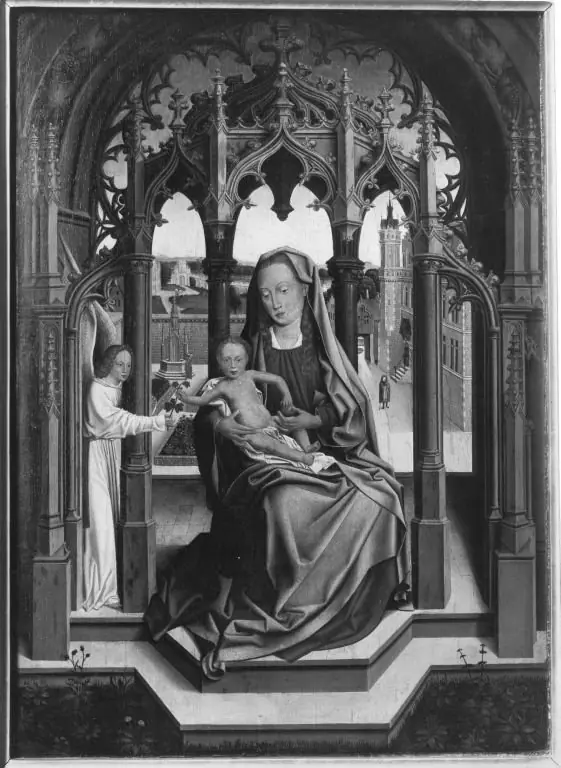 Maria mit Kind in einem steinernen Tabernakel
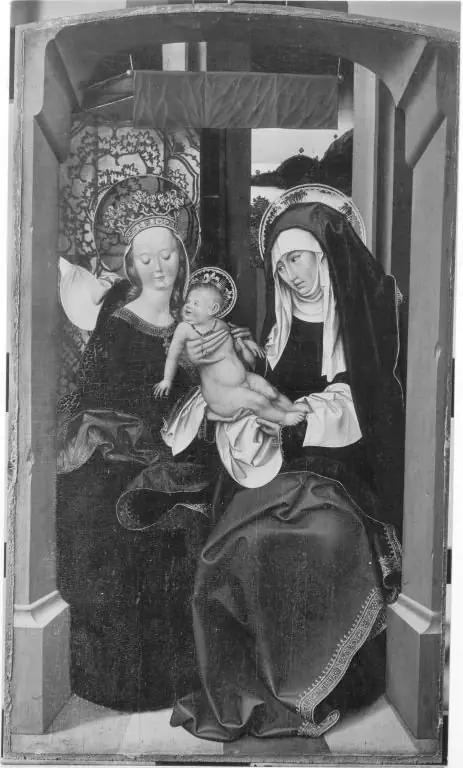 Teile eines Altares: Hl. Anna Selbdritt
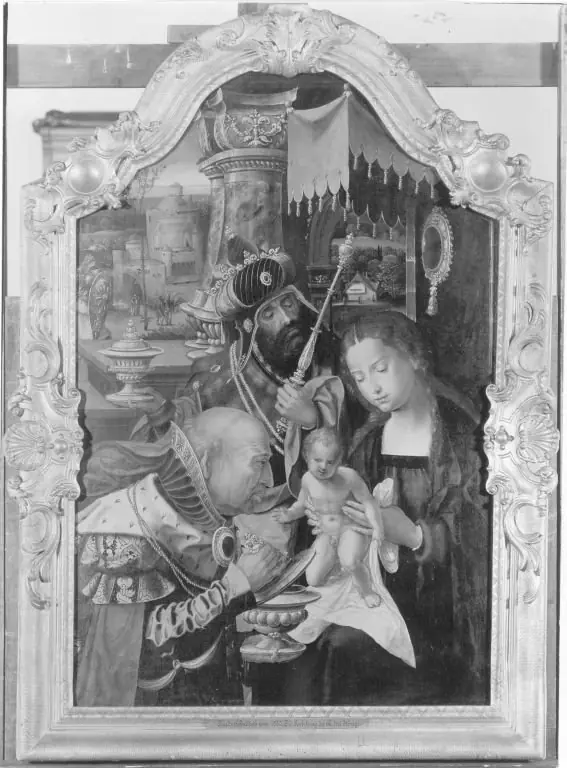 Adoration of the magi (centre)
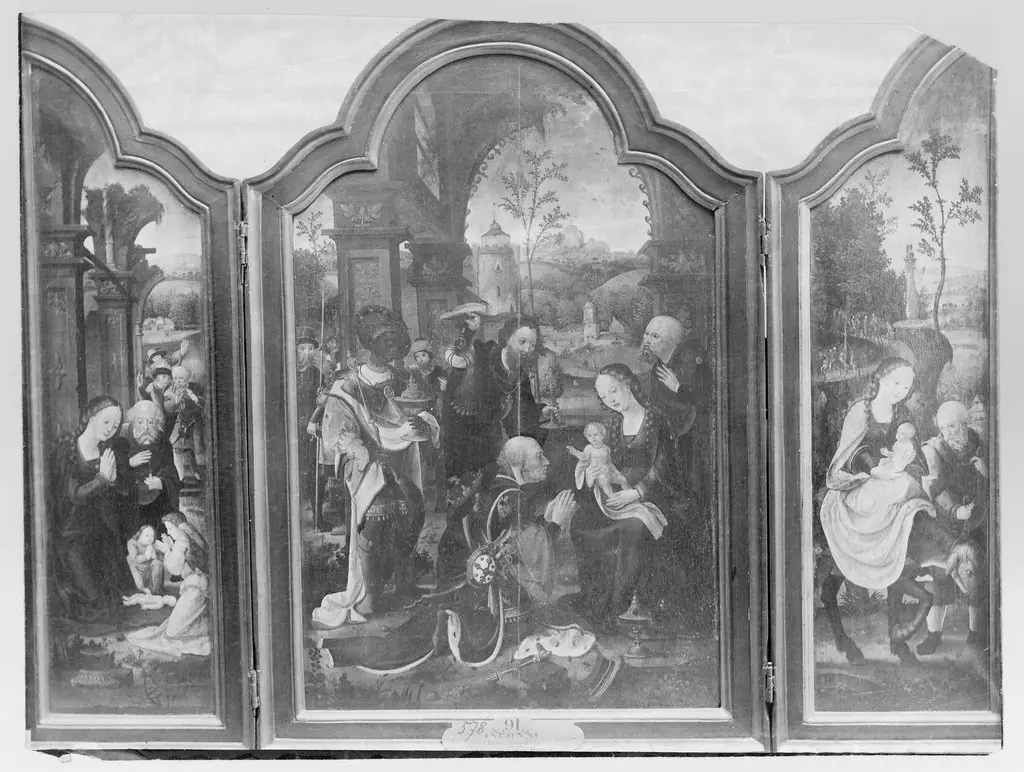 Nativity (left panel), Adoration of the Magi (central panel), Rest on the Flight into Egypt (right panel)
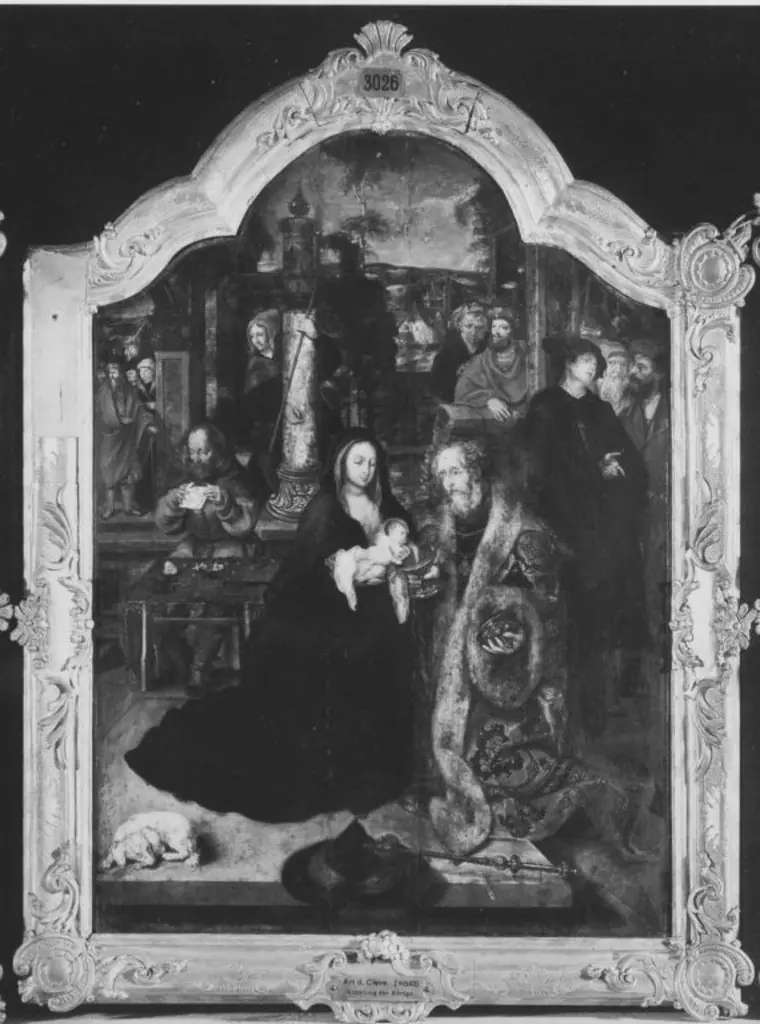 Triptych:Adoration of the Magi
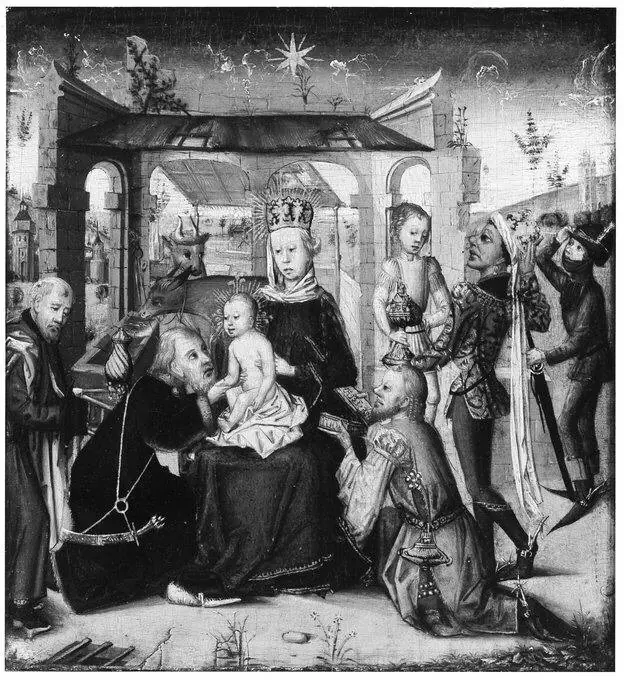 Adoration of the Magi
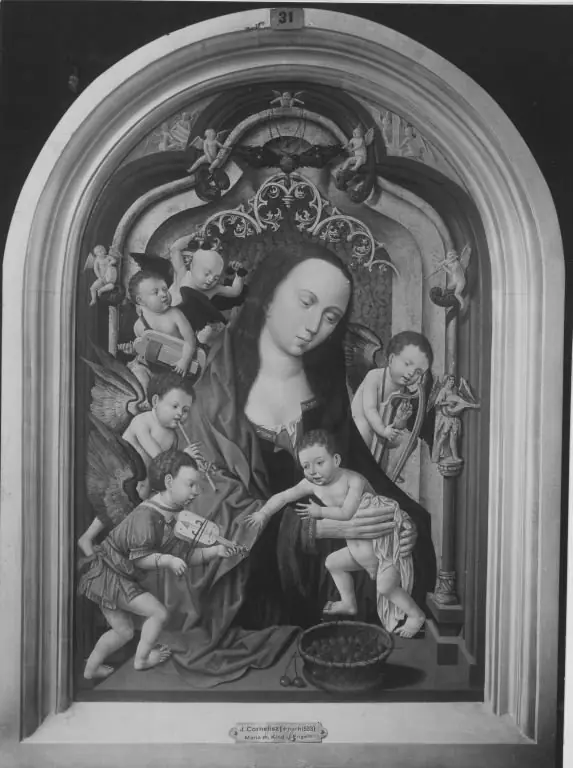 Maria mit Kind und musizierenden Engeln (Werkstattkopie)
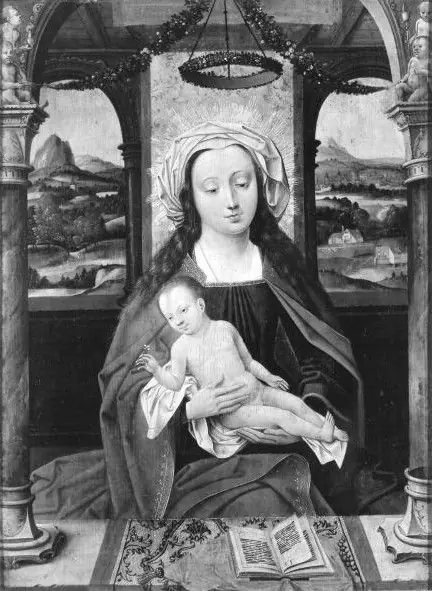 Mary enthroned with the Christ child
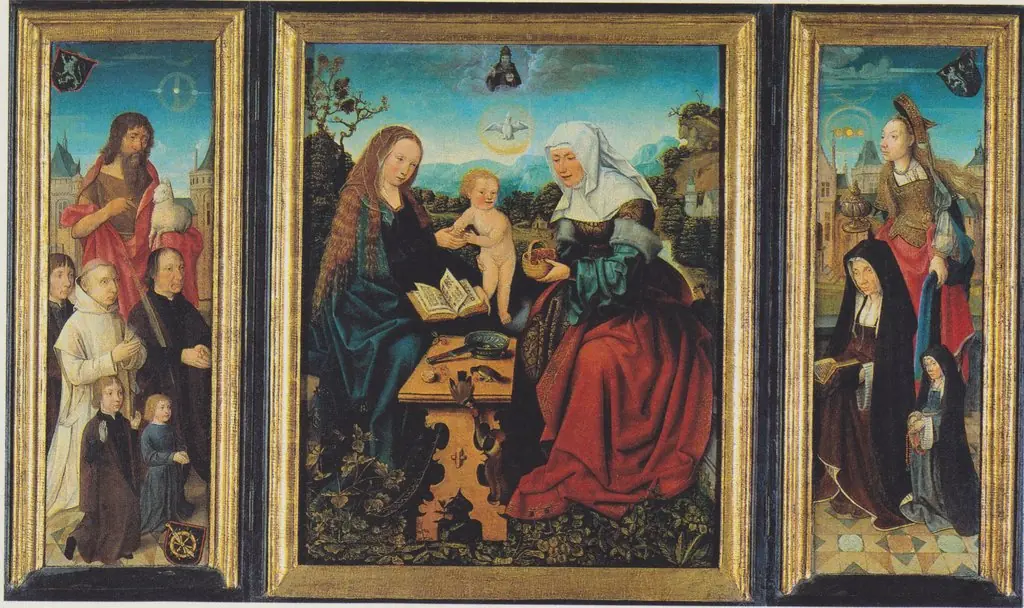 Portrait of Dirck van Heemskerck van Beest & sons with John the Baptist, Madonna and Child with St Anne, and Gertruid van Diemen & daughter with Mary Magdalene
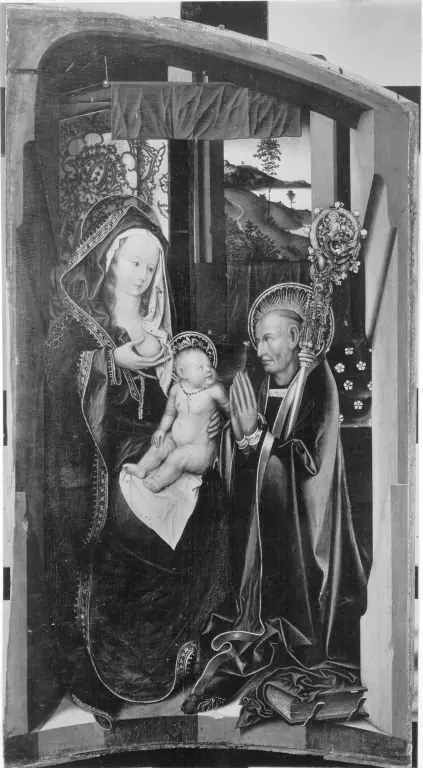 Teile eines Altares: Vision des hl. Bernhard