Artwork
Nativity (left panel), Adoration of the Magi (central panel), Rest on the Flight into Egypt (right panel)
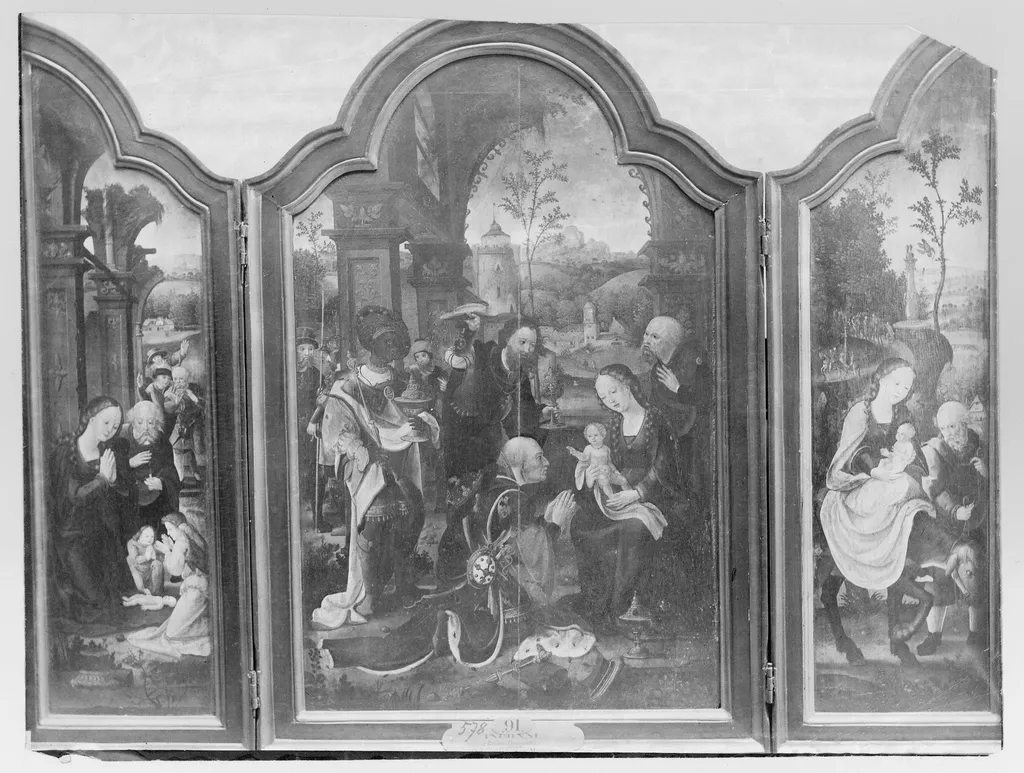
Nativity (left panel), Adoration of the Magi (central panel), Rest on the Flight into Egypt (right panel) is an oil painting by the Early Baroque Italian artist Master of the Brussels Epiphany. It dates from 1600 and is held in the collection of the Royal Museums of Fine Arts of Belgium.
About this work
Overview
Created around the year 1600, this oil‑on‑canvas triptych is attributed to the anonymous workshop known as the Master of the Brussels Epiphany. The work is divided into three panels that together narrate episodes from the early life of Christ, and it is currently displayed in the Royal Museums of Fine Arts of Belgium.
Subject & Meaning
The left panel illustrates the Nativity scene, showing Mary, Joseph, and the infant Jesus in a modest setting.
The left panel illustrates the Nativity scene, showing Mary, Joseph, and the infant Jesus in a modest setting. The central panel portrays the Adoration of the Magi, with three wise men presenting gifts to the newborn. The right panel depicts the Rest on the Flight into Egypt, featuring a mother nursing the child while a rider on horseback appears in the distance, emphasizing themes of refuge and divine protection.
Technique & Style
Executed in oil paint, the composition employs a restrained palette dominated by earth tones, browns and grays, which lend a solemn atmosphere. Figures are rendered in period costume, their drapery modeled with soft chiaroscuro to suggest volume. The triptych’s balanced arrangement and muted coloration reflect the devotional aesthetic of early‑17th‑century Flemish religious art.
History & Provenance
The painting was produced by the Master of the Brussels Epiphany, an anonymous artist active in the Low Countries at the turn of the 17th century. After remaining in private collections for several centuries, the work entered the holdings of the Royal Museums of Fine Arts of Belgium, where it is conserved as part of the museum’s Flemish Baroque holdings.
Artist & collection
Artist
Master of the Brussels Epiphany
This artist painted bold, colorful scenes of the Nativity and the Three Wise Men visiting baby Jesus.

Museum
Royal Museums of Fine Arts of Belgium
Continue through works from the same source collection.
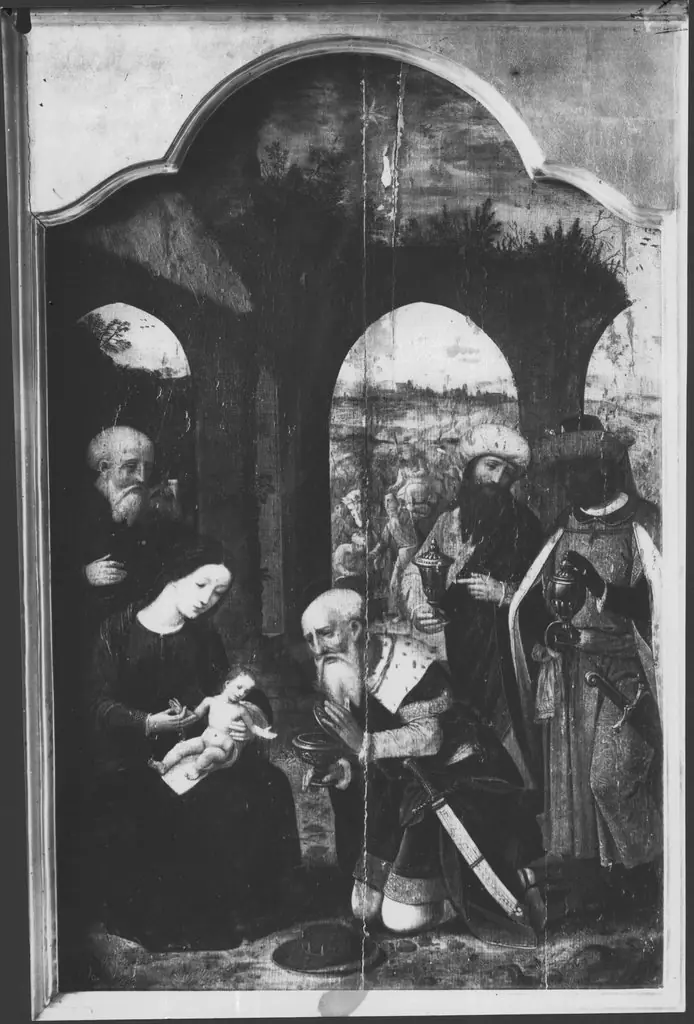 Adoration of the Magi
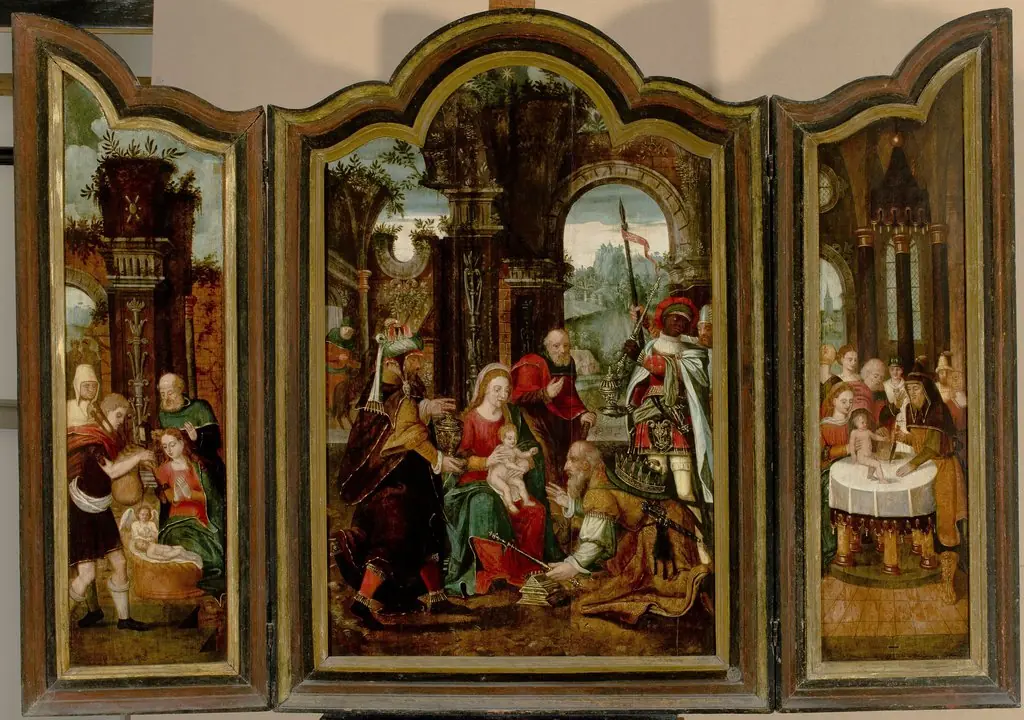 Triptych: Adoration of the Magi, Adoration of the Shepherds, Circumcision
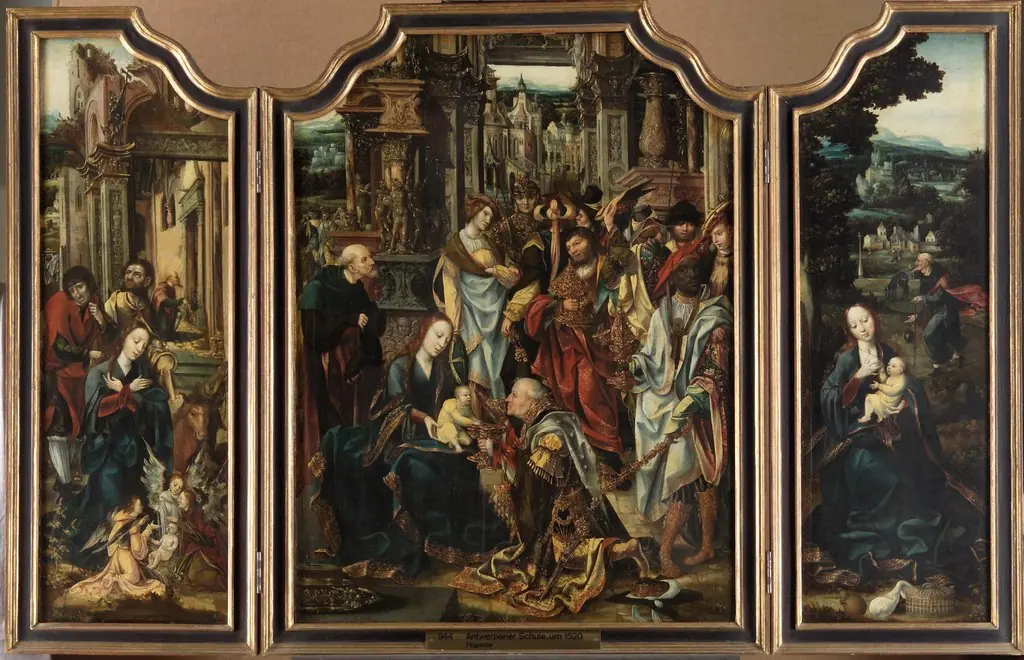 Flügelaltar; Mittelbild: Anbetung der Könige; linker Flügel: Anbetung der Hirten; rechter Flügel: Ruhe auf der Flucht nach Ägypten
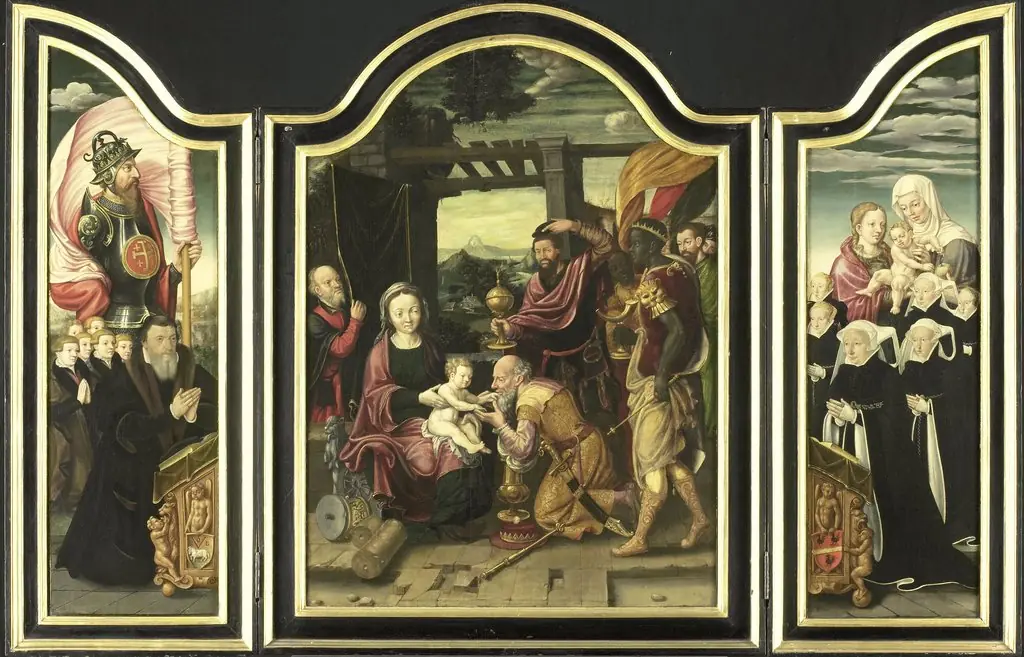 Triptych with the Adoration of the Magi
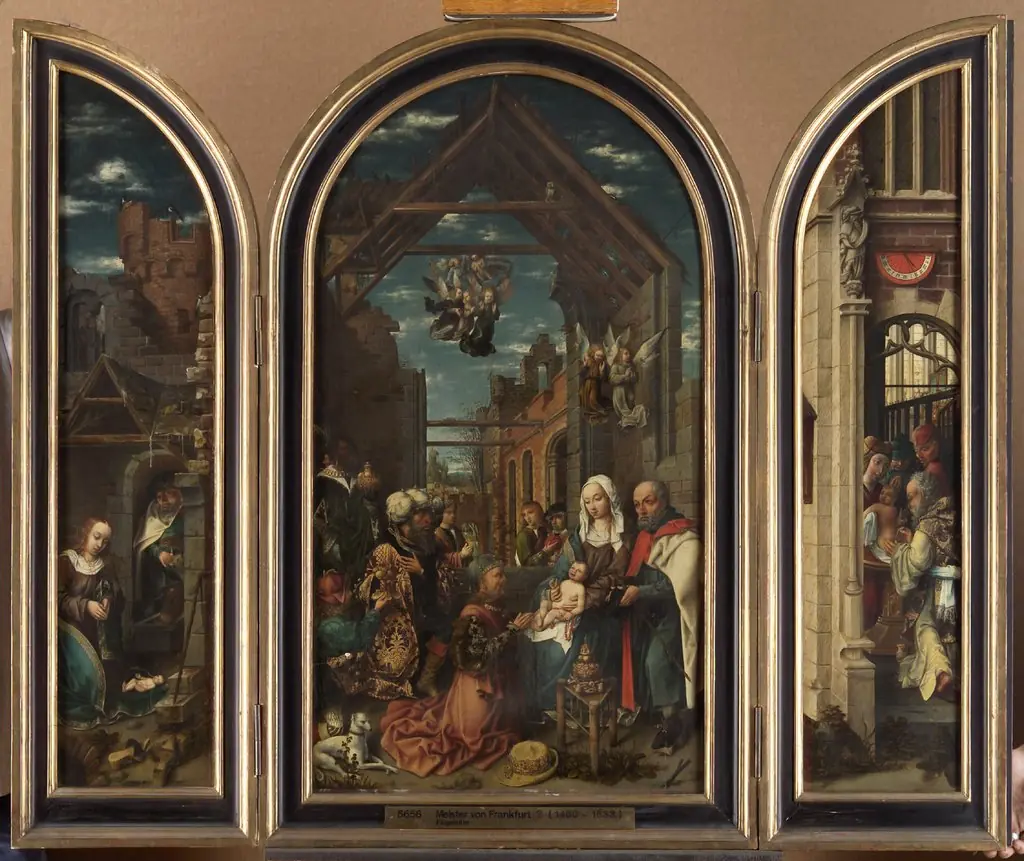 Triptych of the adoration of the magi
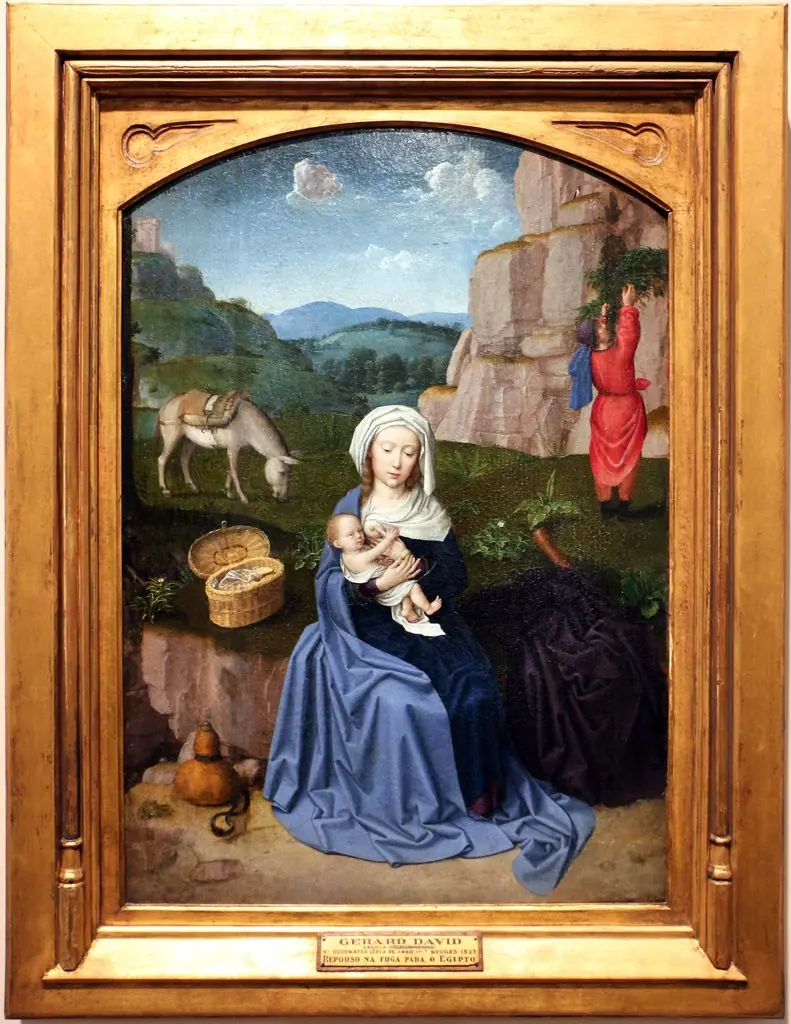 Rest on the Flight into Egypt
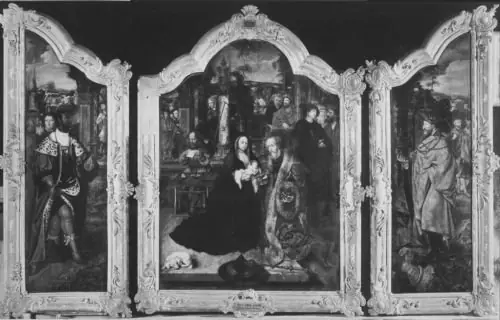 Adoration triptych: King Balthasar (interior left), Adoration of Christ with King Melchior (middle), King Caspar (interior right); Christ the Redeemer (exterior left), Virgin with child (exterior right)
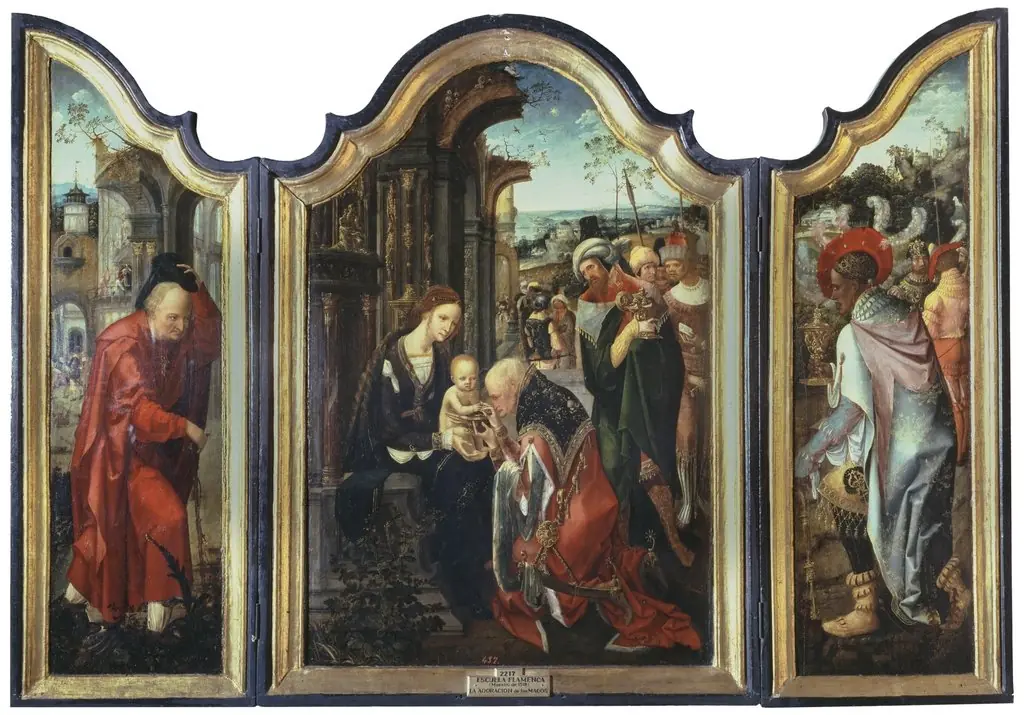 Adoration of the Magi
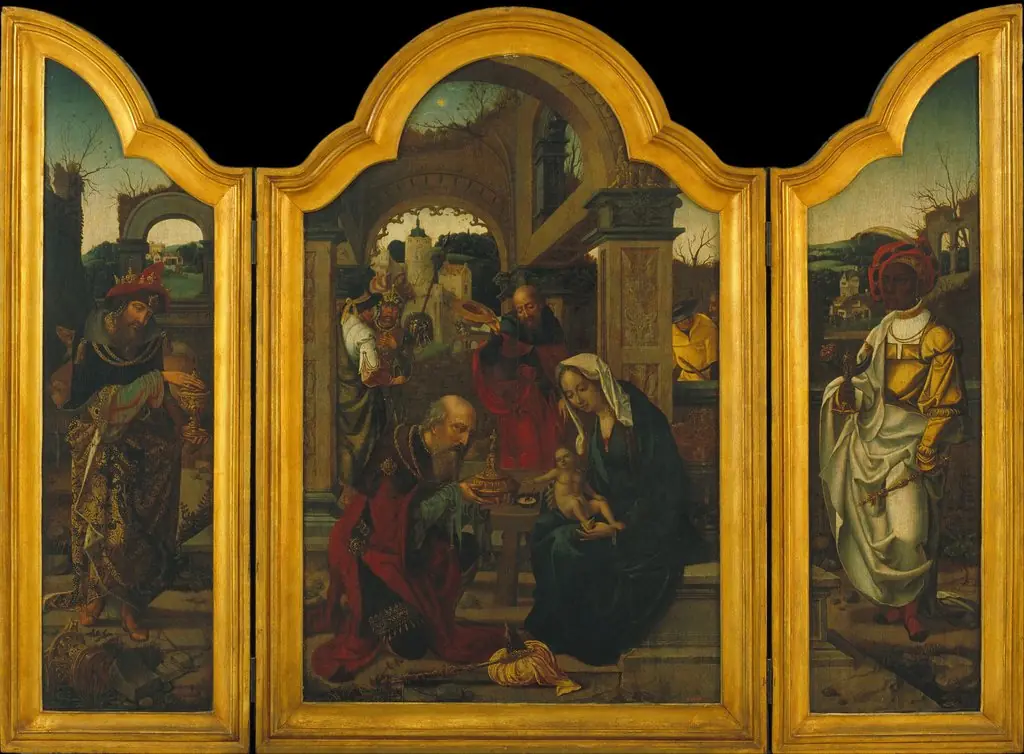 Triptych with the Epiphany
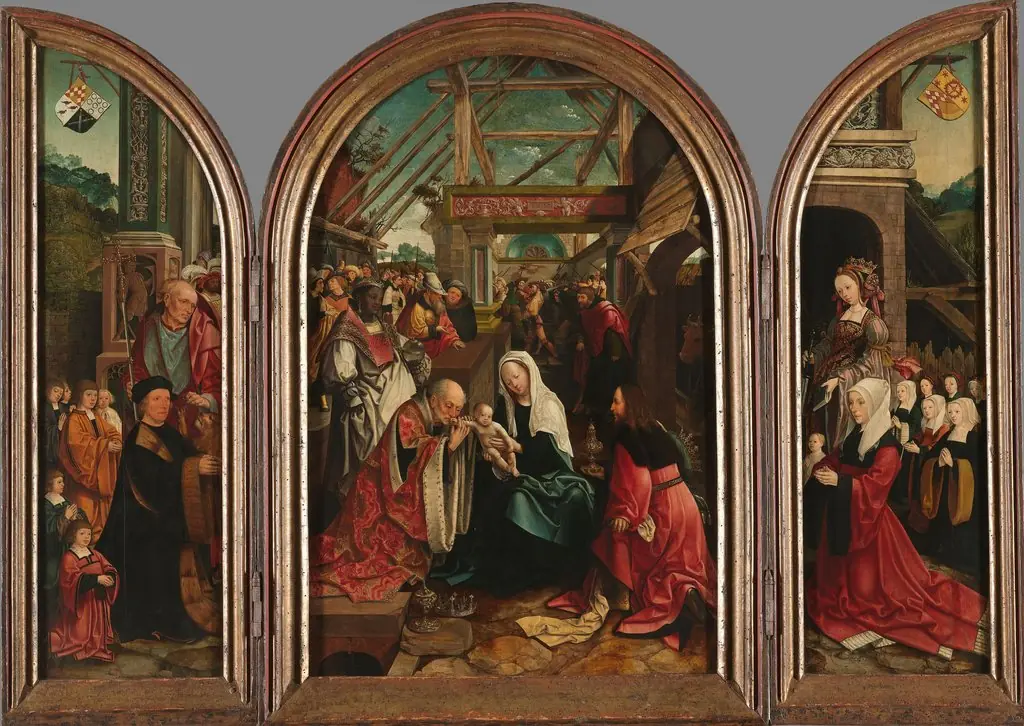 The Adoration of the Magi