Artwork
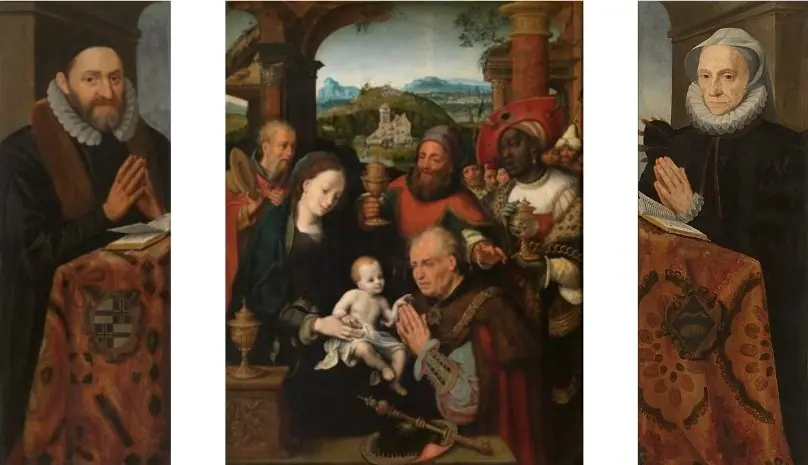
Triptych:Adoration of the Magi
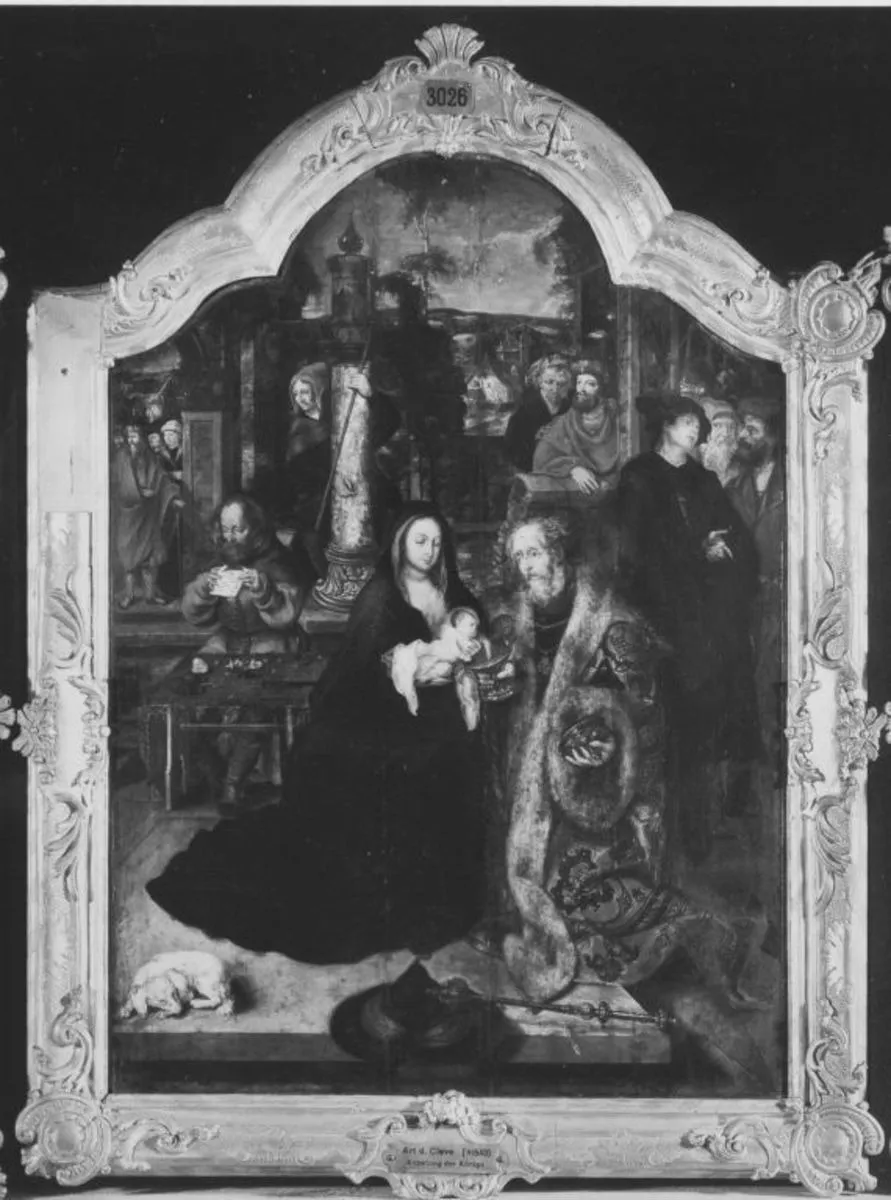
Triptych:Adoration of the Magi is an unspecified painting by Cornelis van Cleve. It dates from 1570 and is held in the collection of the Bavarian State Painting Collections.
About this work
Overview
Painted around 1570 by Cornelis van Cleve, this triptych is a religious work in three panels, executed in oil on panel. Van Cleve, trained in his father’s Antwerp workshop and briefly active in London, specialized in devotional scenes. The piece is now held in the Alte Pinakothek in Munich, where it remains a representative example of late Flemish Renaissance religious art.
Subject & Meaning
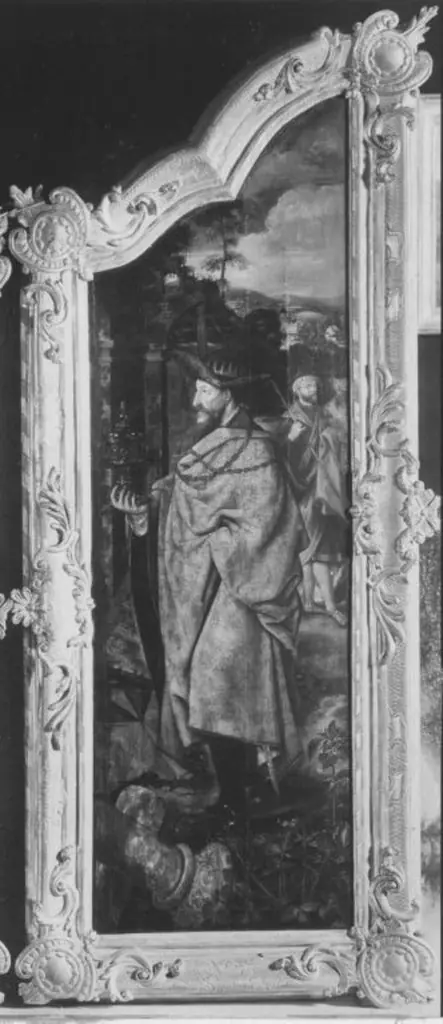
The left and right side panels depict accompanying figures—likely shepherds and members of the Holy Family—extending the narrative beyond the core moment.
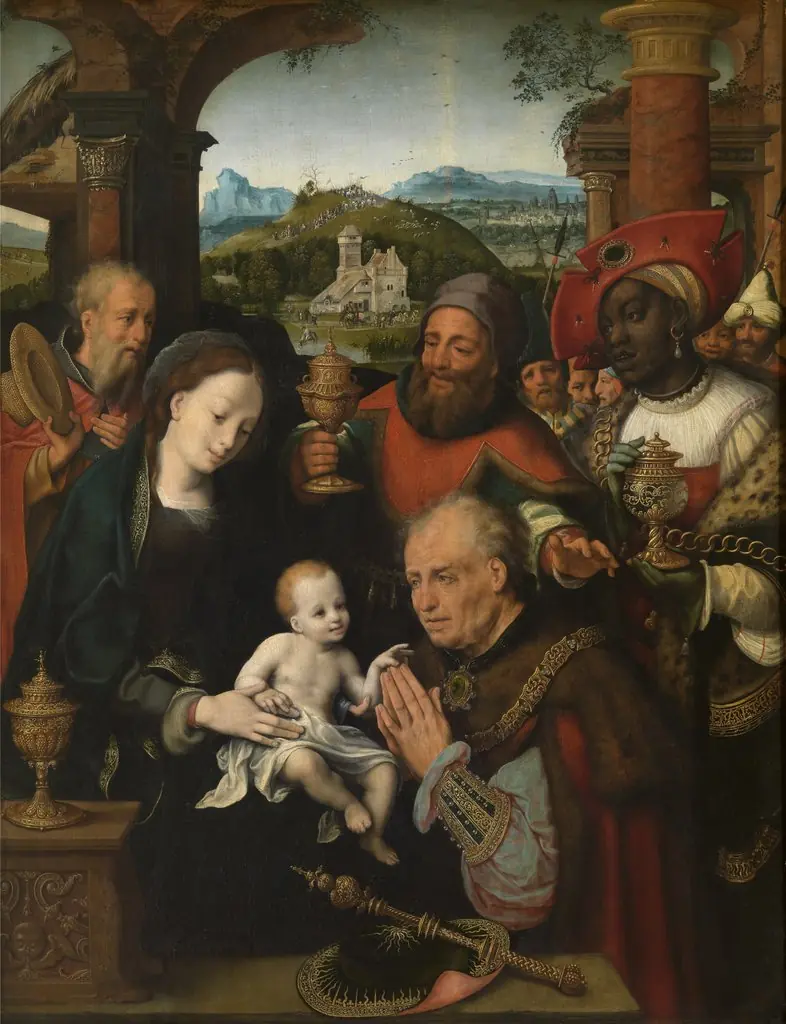
The central panel portrays the biblical Adoration of the Magi, with the Virgin Mary cradling the infant Jesus as three kings offer gifts of gold, frankincense, and myrrh. The left and right side panels depict accompanying figures—likely shepherds and members of the Holy Family—extending the narrative beyond the core moment. The composition emphasizes reverence and divine presence, aligning with Counter-Reformation ideals of sacred intimacy.
Technique & Style
Van Cleve employs rich pigments—deep blues, verdant greens, and luminous golds—to create a sense of opulence and spatial depth. Careful modeling with light and shadow lends volume to figures and drapery, while fine brushwork renders textures in fabrics, jewelry, and architecture. The attention to detail reflects the meticulous tradition of Flemish panel painting, balancing naturalism with symbolic clarity.
History & Provenance
The triptych was likely commissioned for private devotion, common among Antwerp’s merchant class in the mid-16th century. It entered the Bavarian royal collection in the 18th century and was later transferred to the Alte Pinakothek, where it has remained since. Its survival through religious upheavals and wars underscores its perceived value as both artistic and spiritual artifact.
Context
Created during a period of religious tension in the Low Countries, the work reflects the enduring appeal of traditional Catholic imagery despite Protestant critiques. Van Cleve’s style bridges the legacy of his father Joos and the emerging Mannerist tendencies of the time, blending Flemish realism with a refined, almost courtly elegance suited to elite patrons.
Legacy
Though less widely known than contemporaries like Bruegel, van Cleve’s triptych exemplifies the quiet sophistication of Antwerp’s religious painting tradition. Its preservation in a major European collection ensures continued study of how late Renaissance artists sustained devotional themes amid shifting cultural and theological landscapes.
Artist & collection
Artist
Cornelis van Cleve, Cornelis van Cleef or Cornelis van der Beke, nickname Sotte Cleve ('Mad Cleve') (1520 in Antwerp – 1567/1614) was a Flemish Renaissance painter active in Antwerp who is known for his religious compositions and portraits.

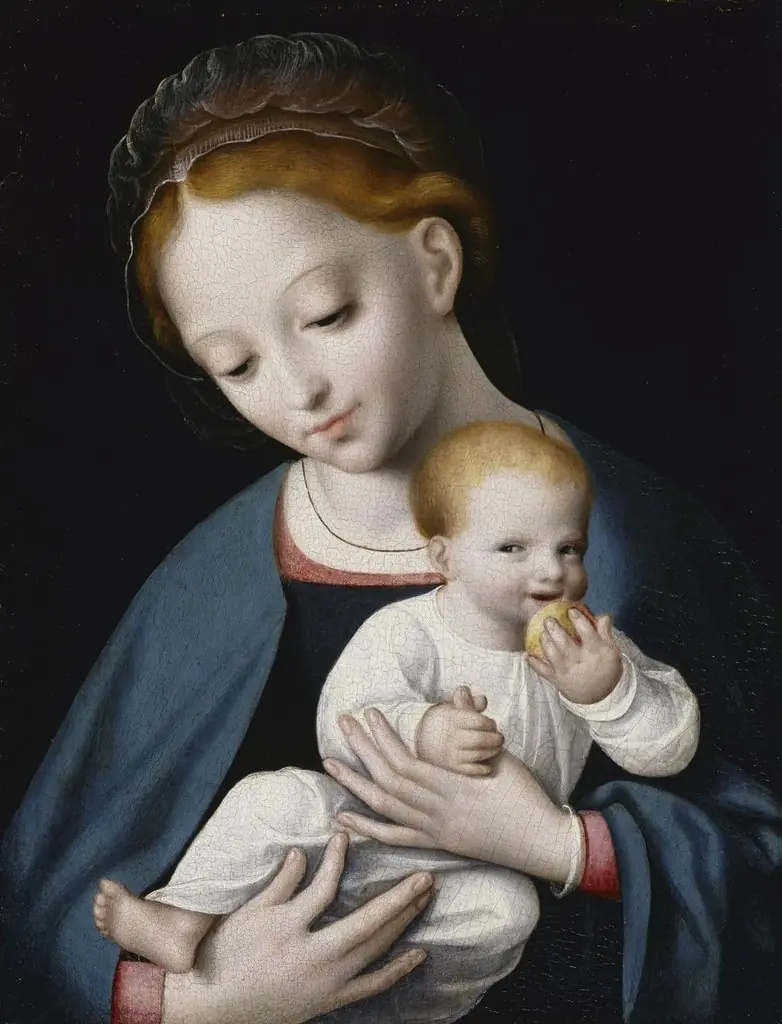
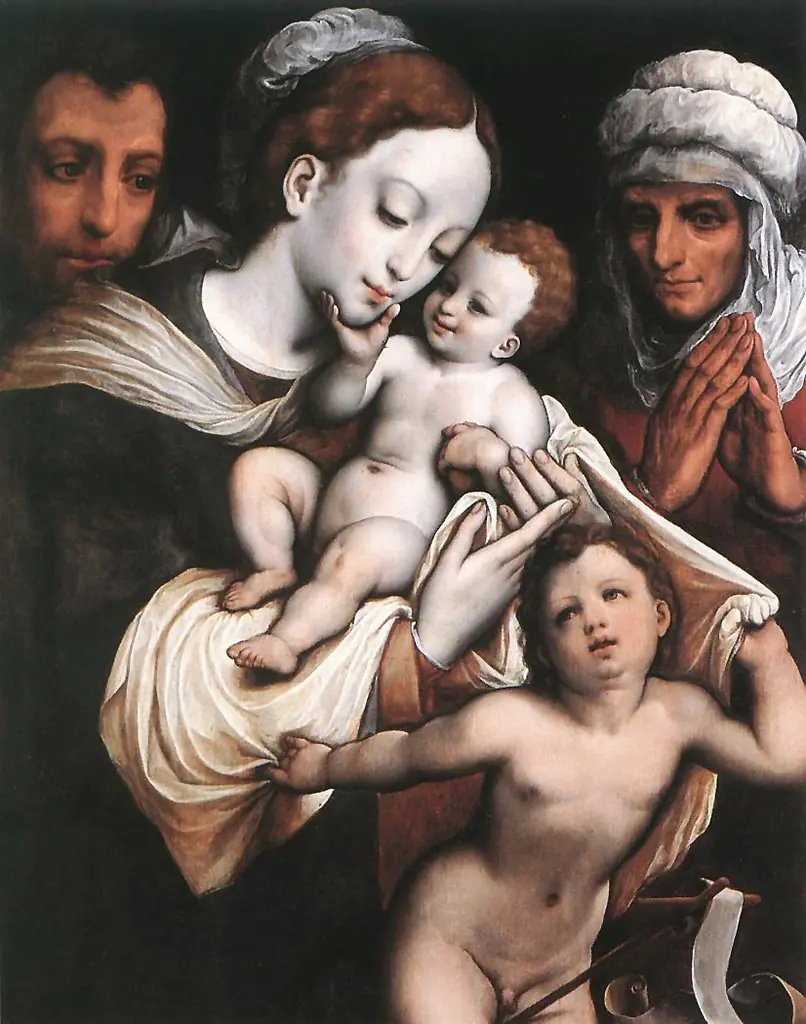
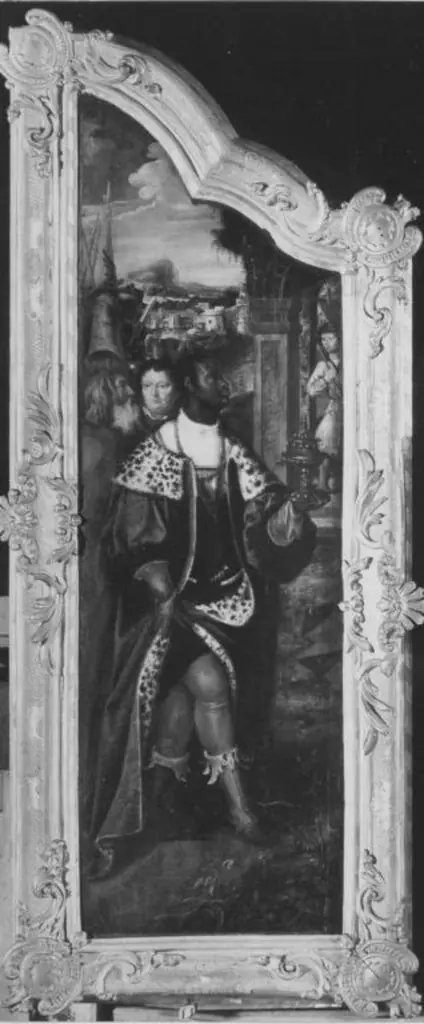
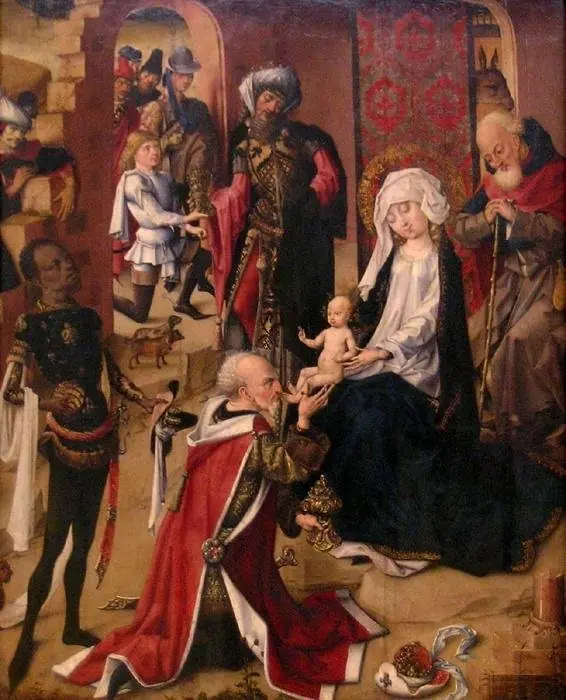 The Adoration of the Magi
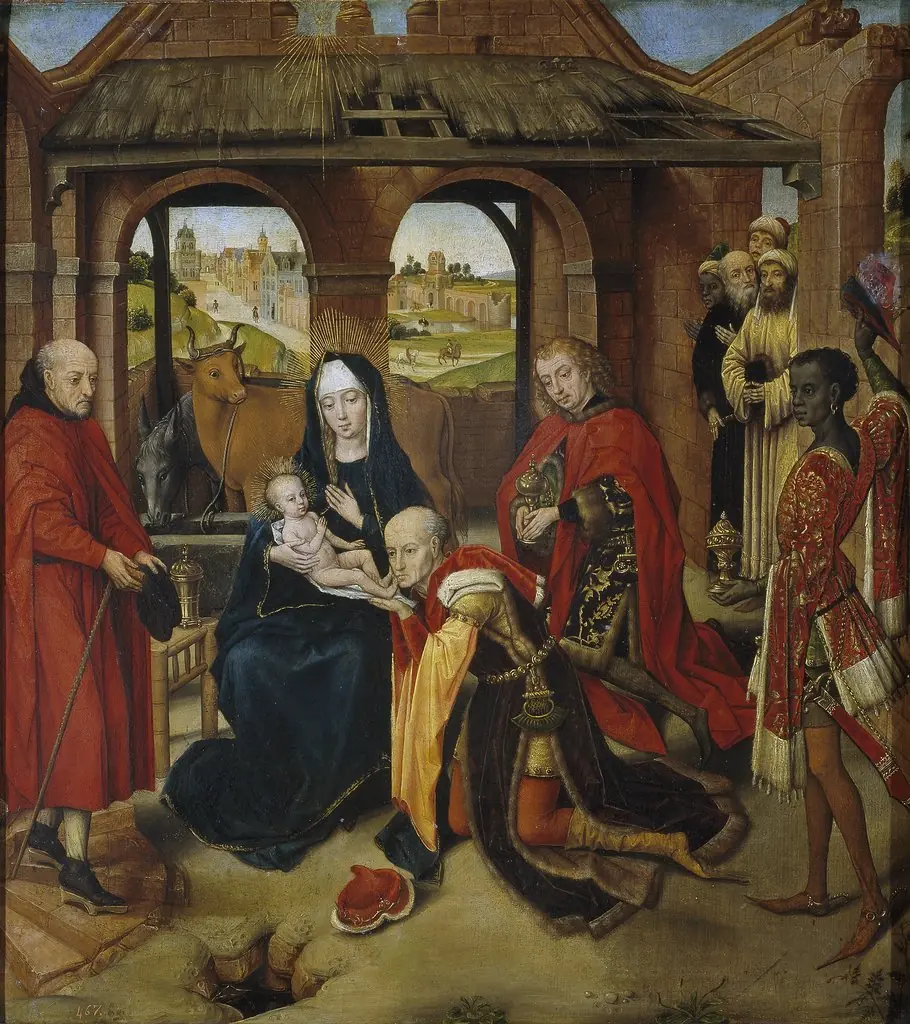 The Adoration of the Magi
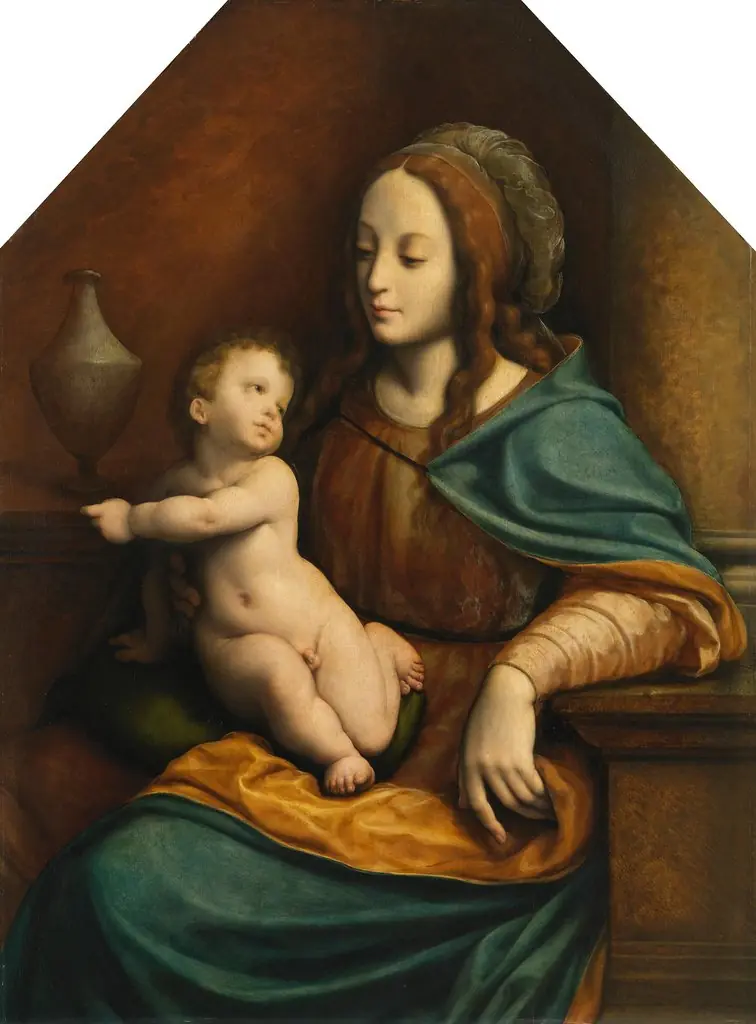
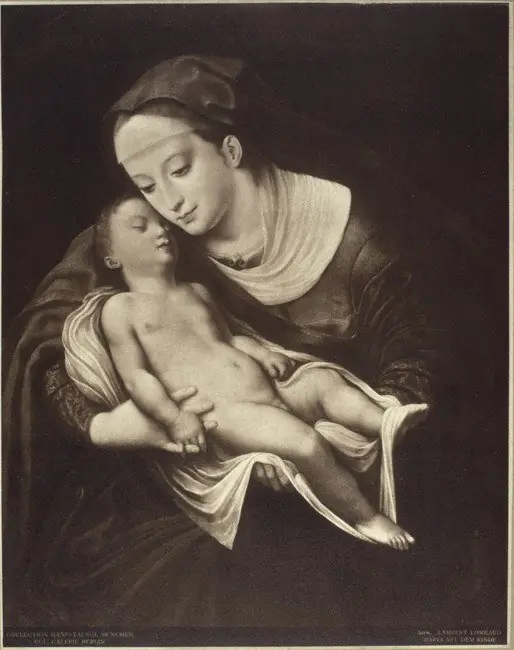
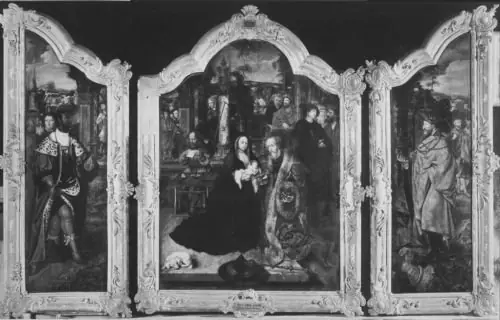 Adoration triptych: King Balthasar (interior left), Adoration of Christ with King Melchior (middle), King Caspar (interior right); Christ the Redeemer (exterior left), Virgin with child (exterior right)
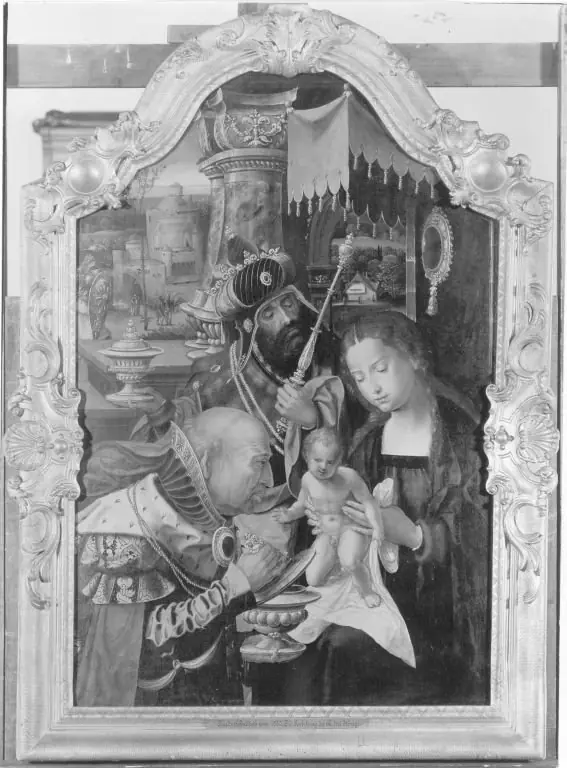 Adoration of the magi (centre)
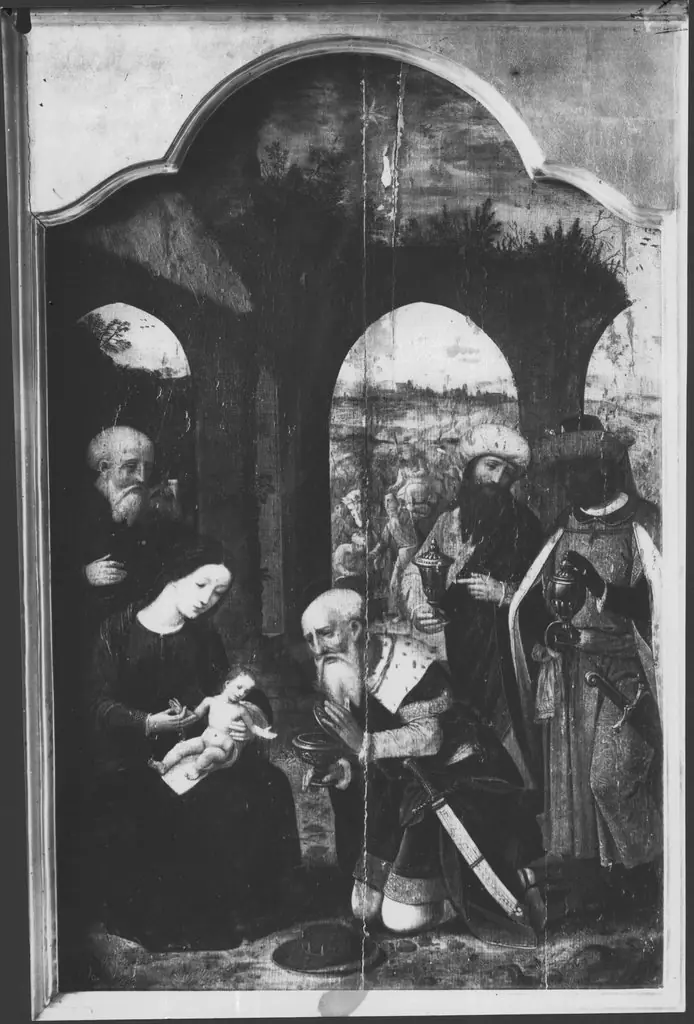 Adoration of the Magi
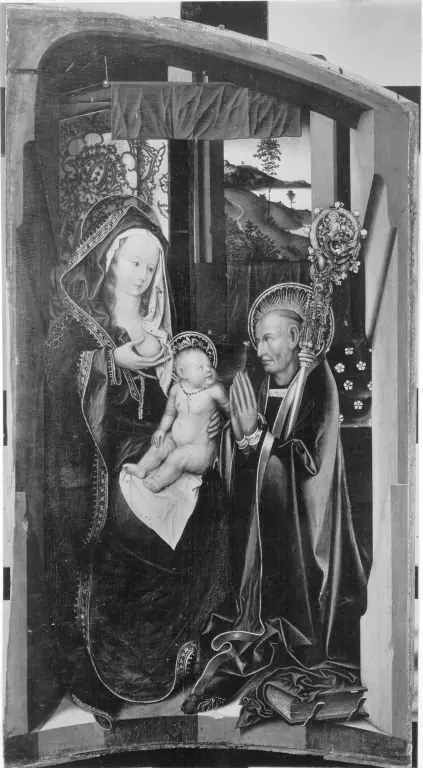 Teile eines Altares: Vision des hl. Bernhard
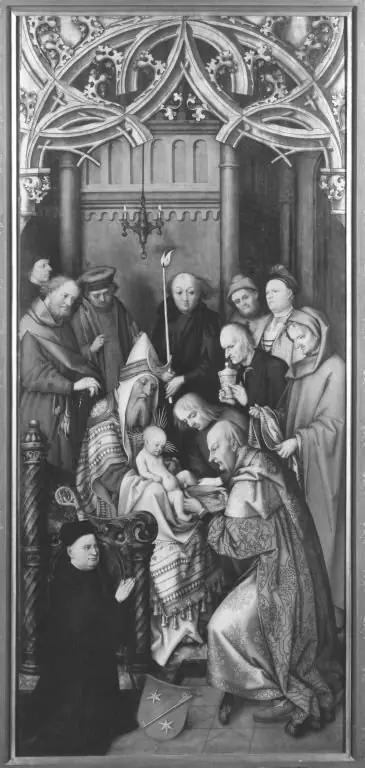 Kaisheimer Altar: Beschneidung Christi
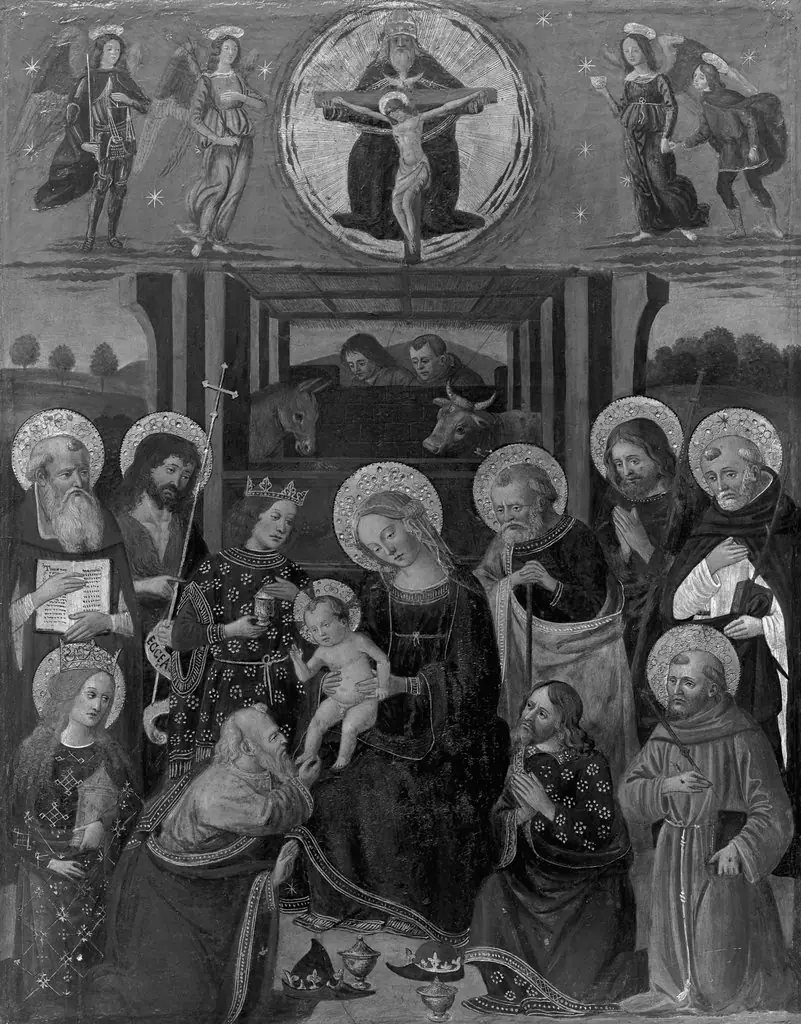 Adoration of the Kings
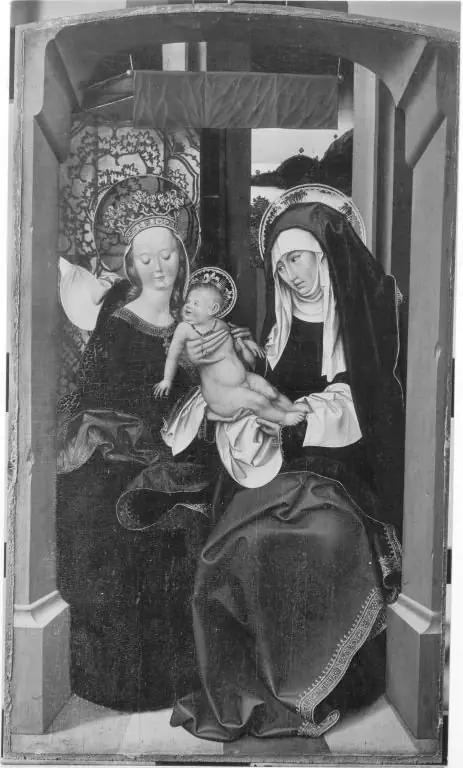 Teile eines Altares: Hl. Anna Selbdritt
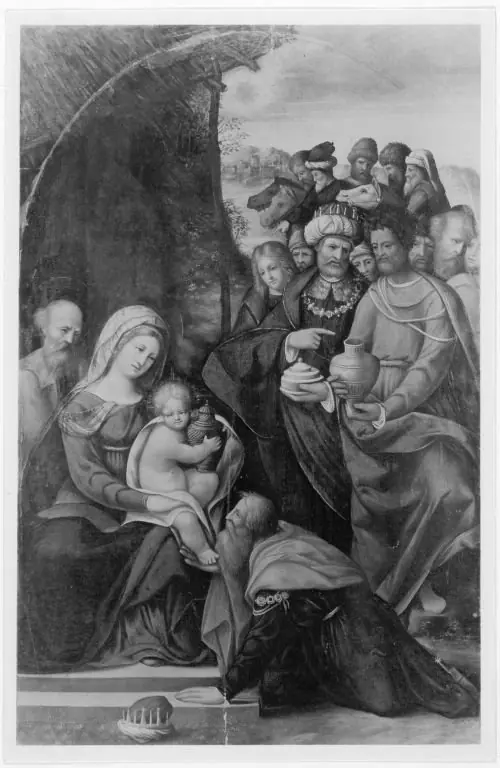 Anbetung der Könige
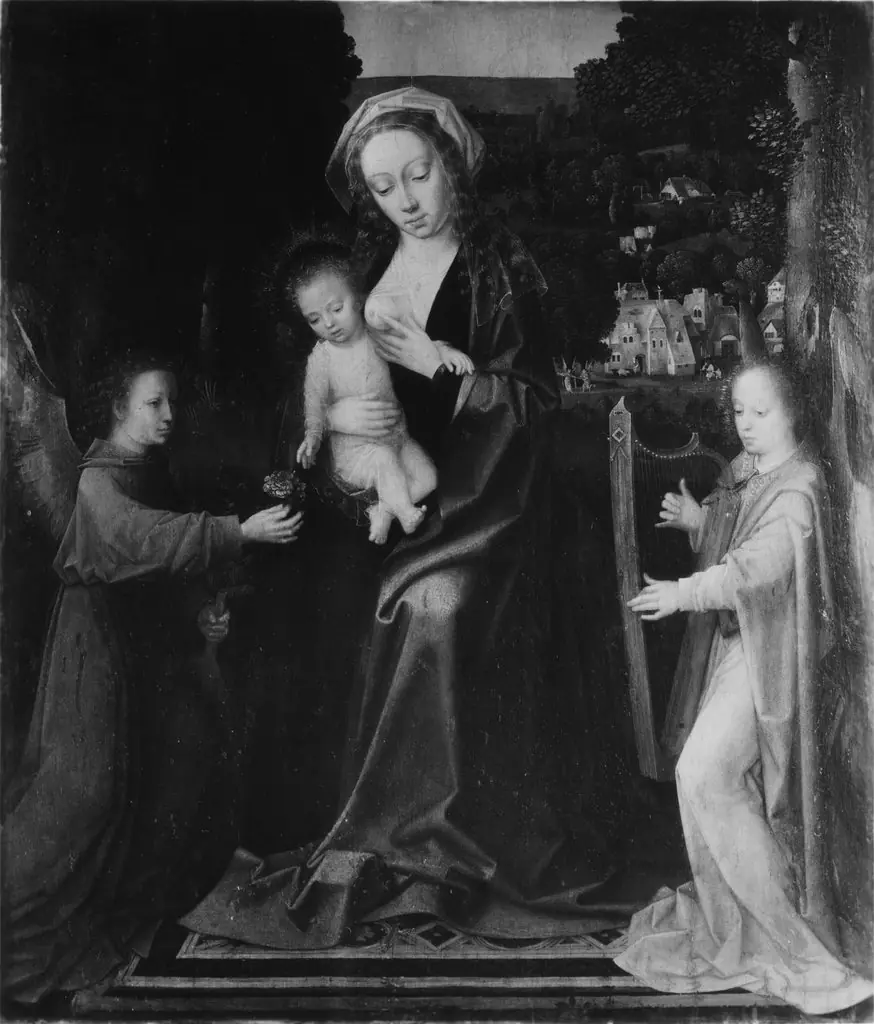 Virgin and Child with Two Angels in a Landscape
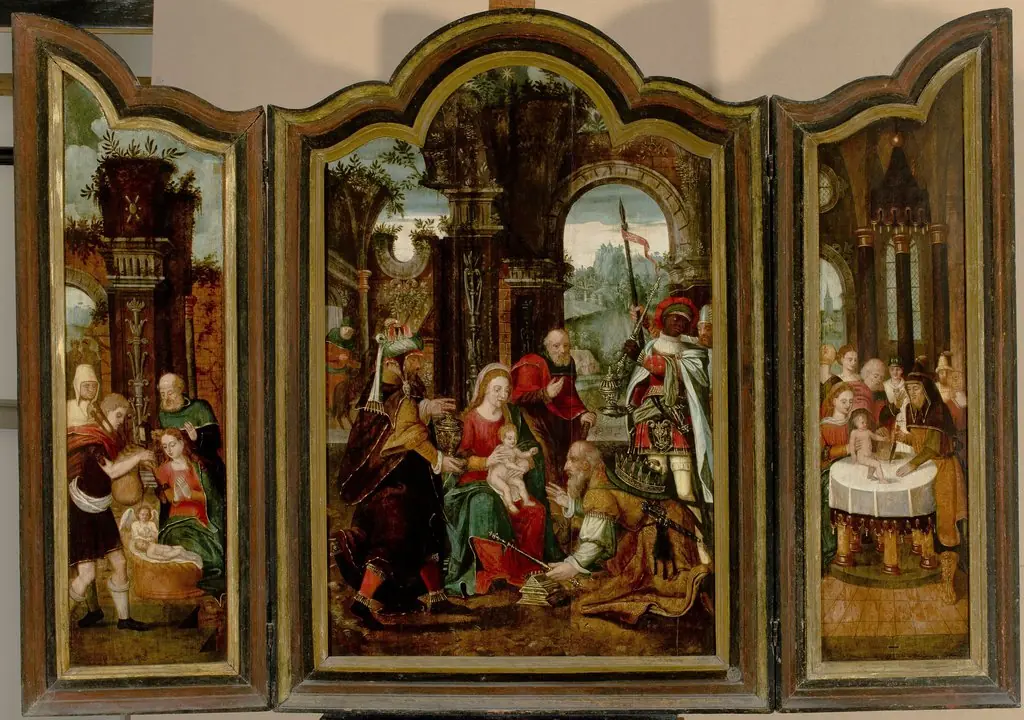 Triptych: Adoration of the Magi, Adoration of the Shepherds, Circumcision