Artwork
The Infant Christ and Saint John with a Lamb
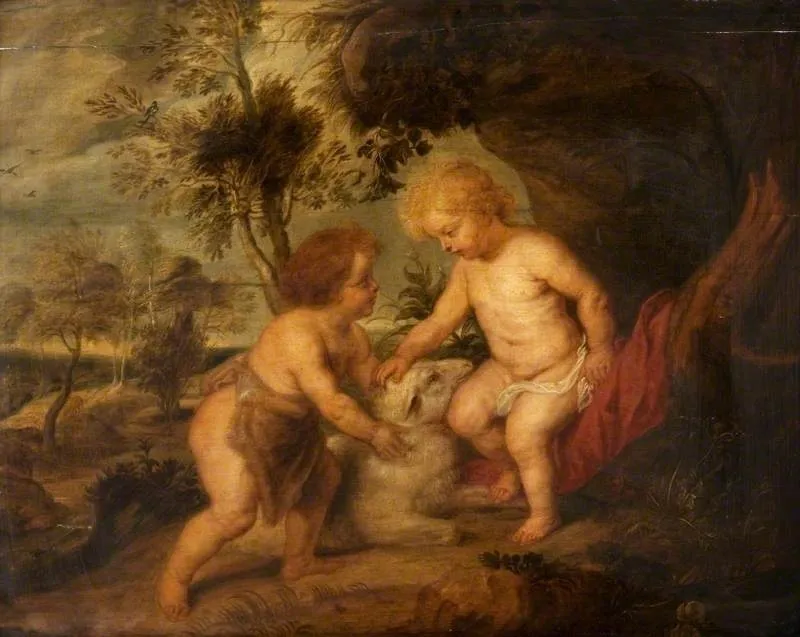
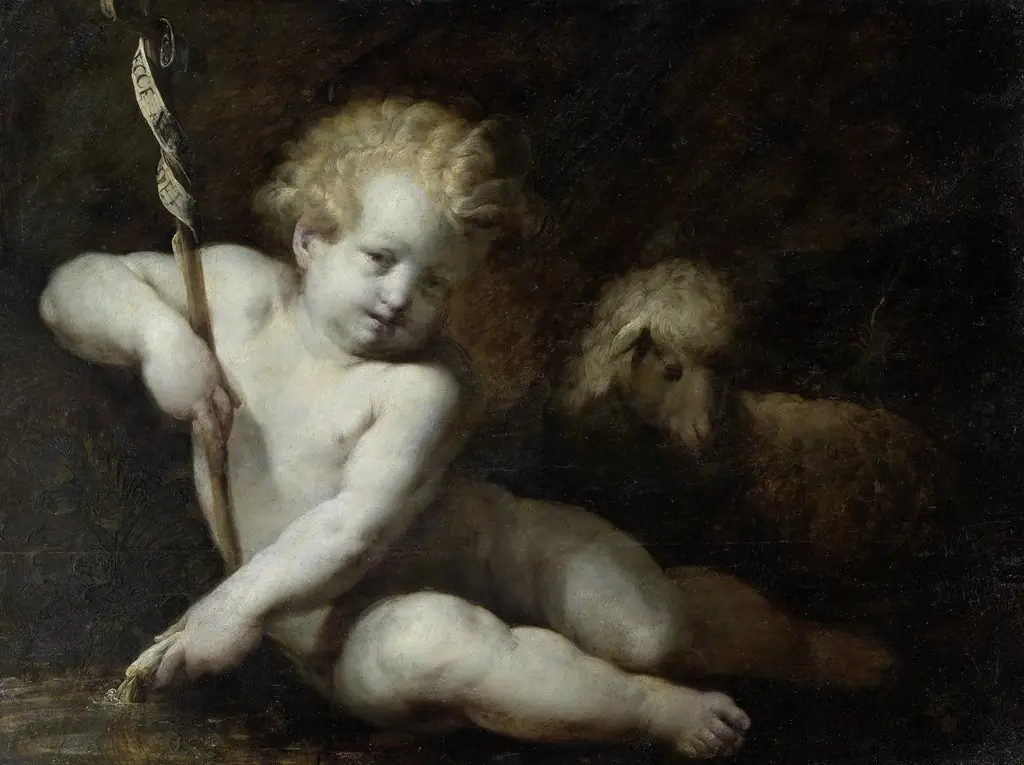
The Infant Christ and Saint John with a Lamb is an oil painting by the Spanish Baroque Tenebrist artist Peter Paul Rubens. It dates from 1640 and is held in the collection of the Glasgow Museums Resource Centre.
About this work
Overview
It resides today in the Kelvingrove Art Gallery and Museum in Glasgow.
Painted in 1640 by Peter Paul Rubens, this oil-on-canvas work portrays the Christ Child and the young Saint John the Baptist alongside a lamb in a wooded setting. Though often associated with the broader Baroque tradition, the piece diverges from the stark tenebrism of Spanish painters, instead embracing Rubens’s signature vitality and warmth. It resides today in the Kelvingrove Art Gallery and Museum in Glasgow.
Subject & Meaning
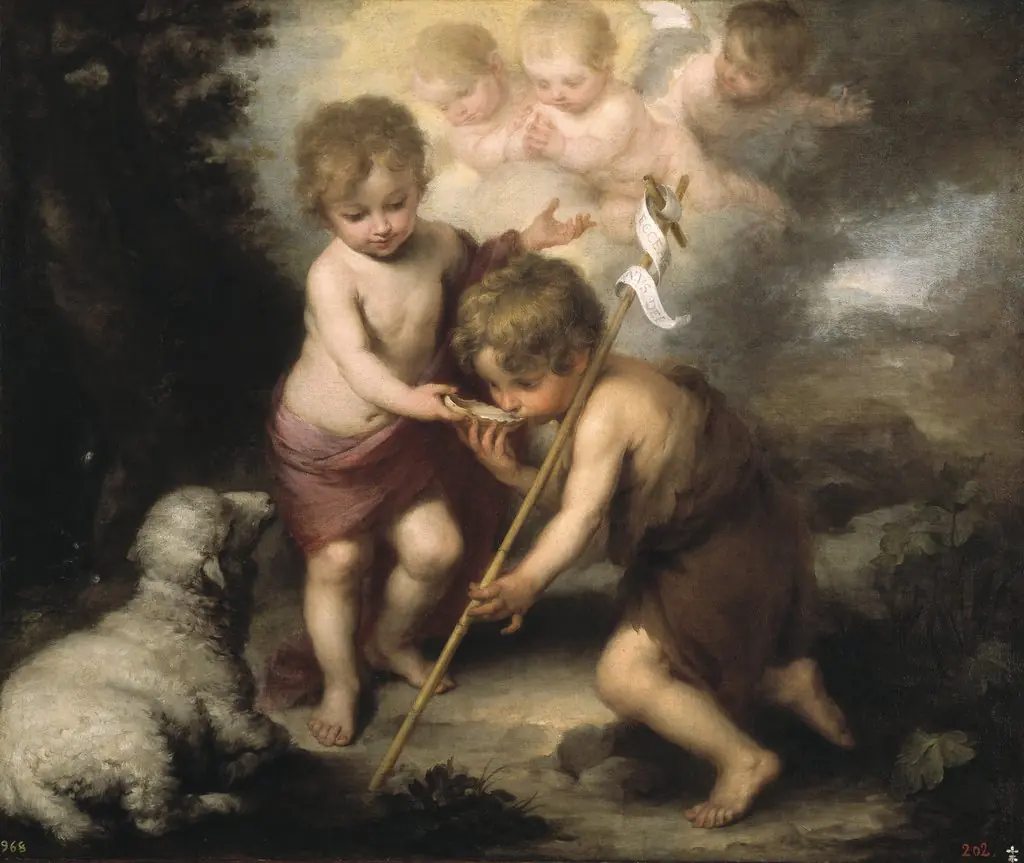
The composition centers on two youthful figures—Christ and John—engaged in quiet interaction with a lamb, a symbol of innocence and sacrifice. Their barefoot presence and natural surroundings suggest a pastoral idyll, grounding sacred narrative in earthly tenderness. The lamb, held gently between them, subtly foreshadows Christ’s future role, while John’s gaze toward the child reflects his prophetic recognition.
Technique & Style
Rubens employed bold, fluid brushwork to render skin, fabric, and foliage with a sense of immediacy. Warm earth tones—ochres, umbers, and soft greens—create a harmonious atmosphere, while subtle light shifts model the figures without harsh contrasts. The textures of cloth and fur are rendered with tactile precision, enhancing the scene’s intimacy without sacrificing dynamism.
History & Provenance
Commissioned during Rubens’s later years, the painting reflects his enduring interest in religious themes and familial tenderness. It entered the Kelvingrove collection in the early 20th century through a bequest, having passed through private European hands since its creation. Its attribution to Rubens has remained consistent, supported by stylistic analysis and archival records.
Context
Created near the end of Rubens’s life, the work aligns with his post-1630 shift toward more intimate, contemplative subjects. While contemporaries in Spain favored dramatic lighting, Rubens retained a northern European emphasis on naturalism and emotional warmth. This painting reflects both his Catholic faith and his personal engagement with domestic and spiritual harmony.
Legacy
Though less widely known than Rubens’s grand altarpieces, this painting exemplifies his ability to convey sacred themes with quiet humanity. It influenced later generations of Flemish and Dutch painters who favored domesticated religious scenes. Its presence in a public museum ensures continued access to Rubens’s nuanced vision of childhood, divinity, and nature.
Artist & collection
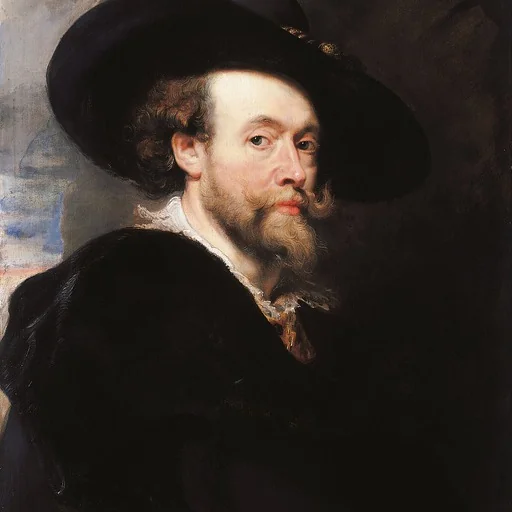
Artist
Sir Peter Paul Rubens ( ROO-bənz; Dutch: ; 28 June 1577 – 30 May 1640) was a Flemish artist and diplomat.