Artwork
Abraham van Riebeeck (1653-1713). Gouverneur-generaal (1709-13)
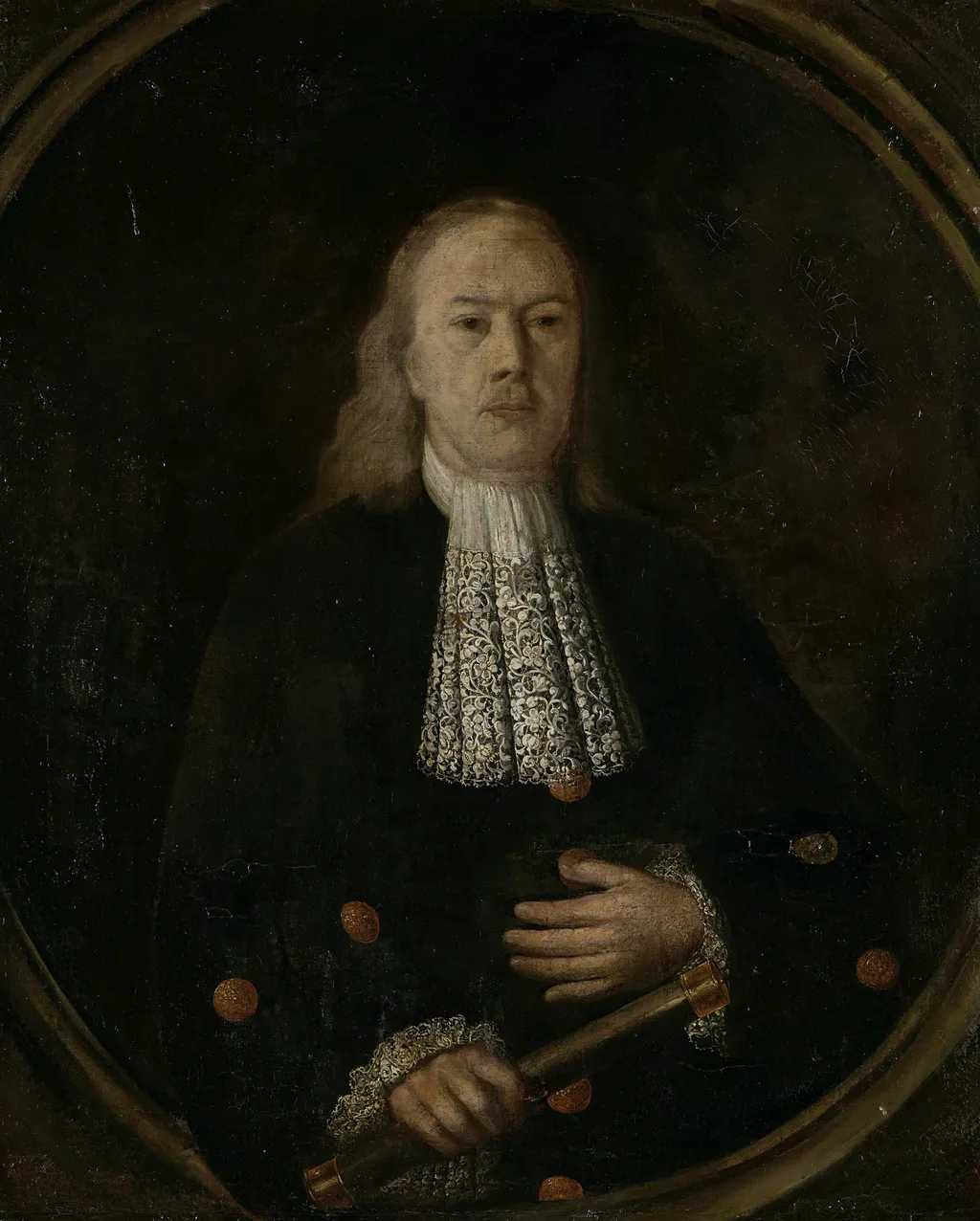
Abraham van Riebeeck (1653-1713). Gouverneur-generaal (1709-13) is an oil painting. It dates from 1710 and is held in the collection of the Rijksmuseum. The portrait depicts Abraham van Riebeeck, who served as Governor‑General of the Dutch East Indies from 1709 to 1713.
About this work
Overview
The portrait depicts Abraham van Riebeeck, who served as Governor‑General of the Dutch East Indies from 1709 to 1713. Rendered in oil on canvas, the work presents the official in a dark coat trimmed with white lace at the neck and cuffs. His hands rest on a cane, and a ring adorns his right finger, while a plain, dark background isolates the figure.
Subject & Meaning
Van Riebeeck is shown with a solemn expression, a slight furrow suggesting the gravity of his administrative duties. The inclusion of the cane and the signet ring underscores his authority and status, while the meticulous lace details convey wealth and rank within the colonial hierarchy.
Technique & Style
The painting employs a chiaroscuro approach, using strong contrasts of light and shadow to model the figure’s form. Illuminated areas highlight the lace and facial features, whereas the surrounding darkness recedes, focusing attention on the subject’s attire and expression. The brushwork on the lace is particularly fine, creating a bright, textured effect against the somber coat.
Context
Created in the early 18th century, the portrait aligns with Dutch portraiture traditions that emphasized realism and the display of official insignia. Such works were often commissioned to commemorate the tenure of colonial administrators, serving both as personal commemoration and as visual documentation for the Dutch East India Company.
Legacy
The painting remains a valuable visual record of Dutch colonial governance, illustrating the attire and iconography associated with high office in the period. It contributes to the broader understanding of how portraiture functioned as a tool of representation and authority within the Dutch imperial framework.
Artist & collection

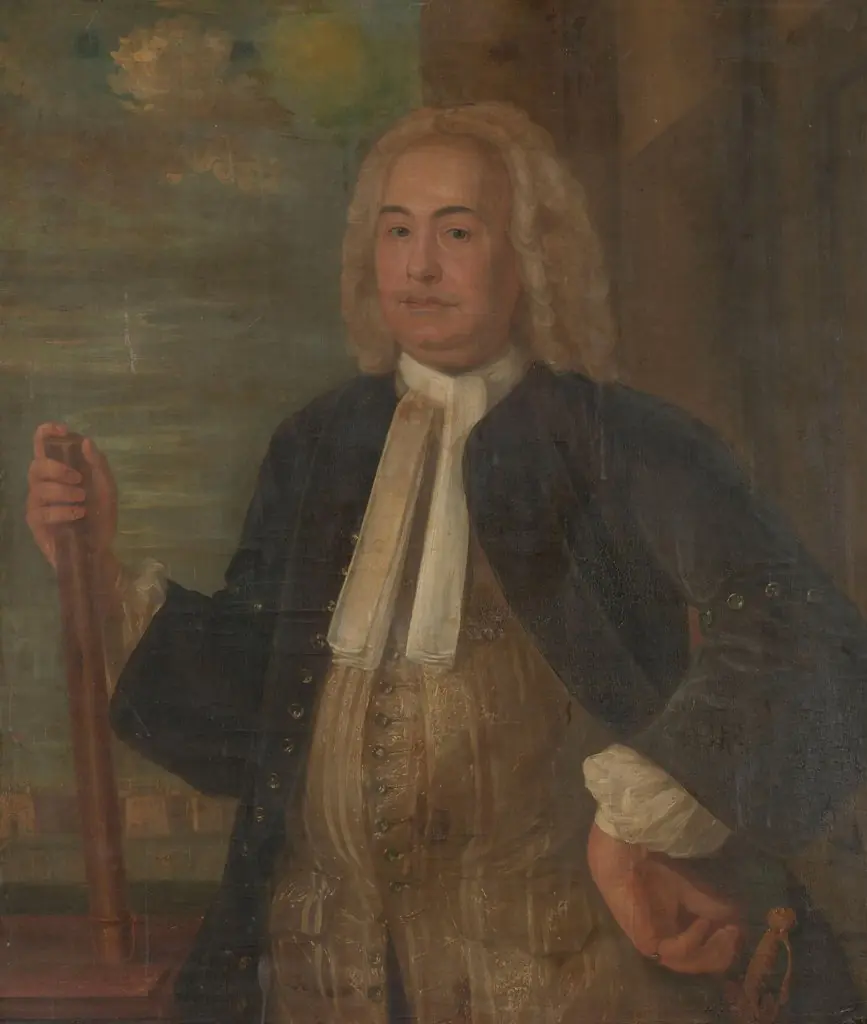 Portrait of Johannes Thedens, Governor-General of the Dutch East India Company
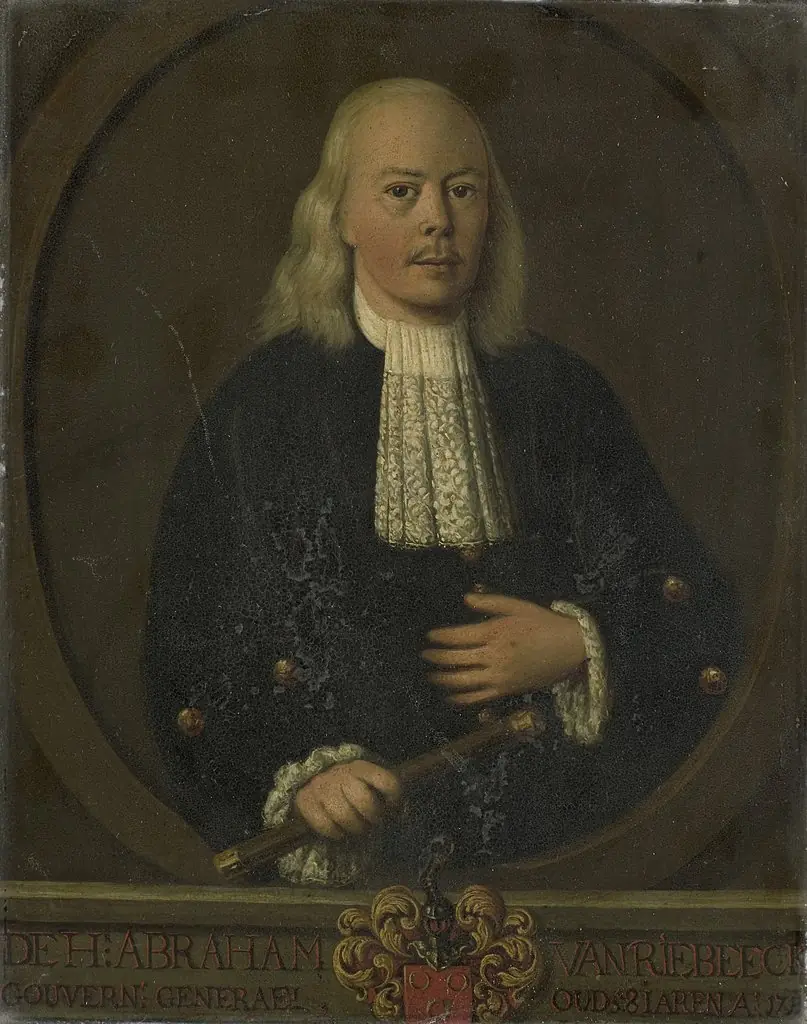 Abraham van Riebeeck (1653-1713). Gouverneur-generaal (1709-13)
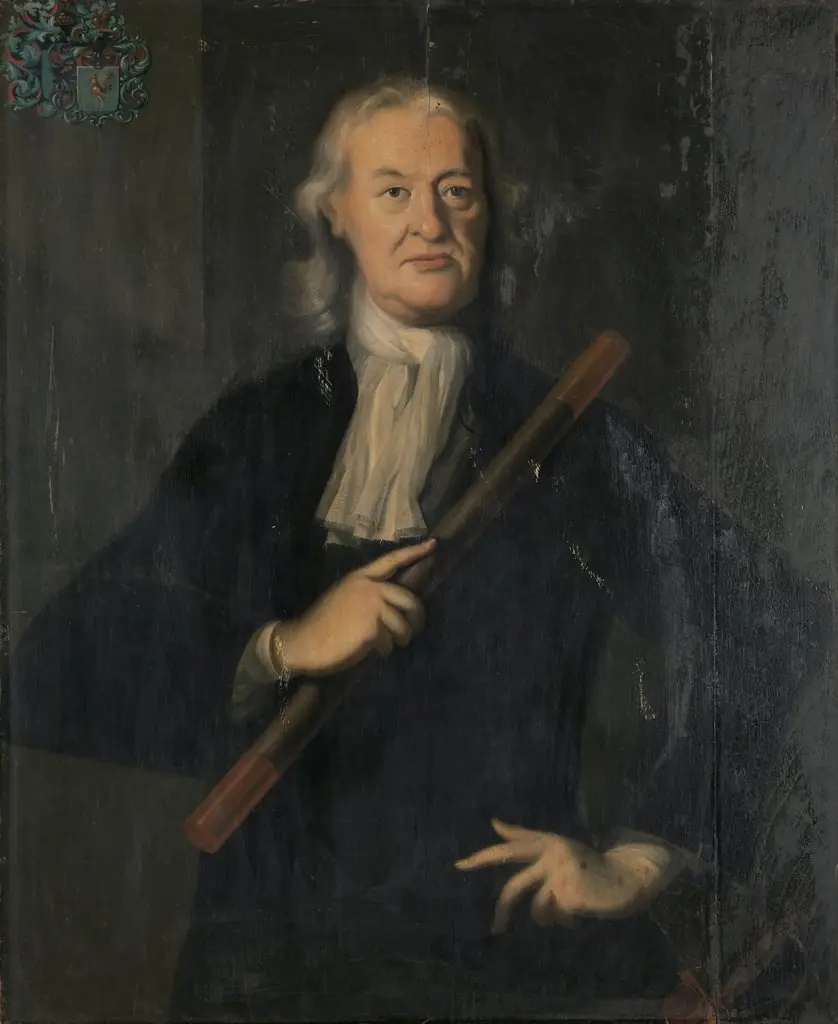 Portrait of Mattheus de Haan, Governor-General of the Dutch East Indies
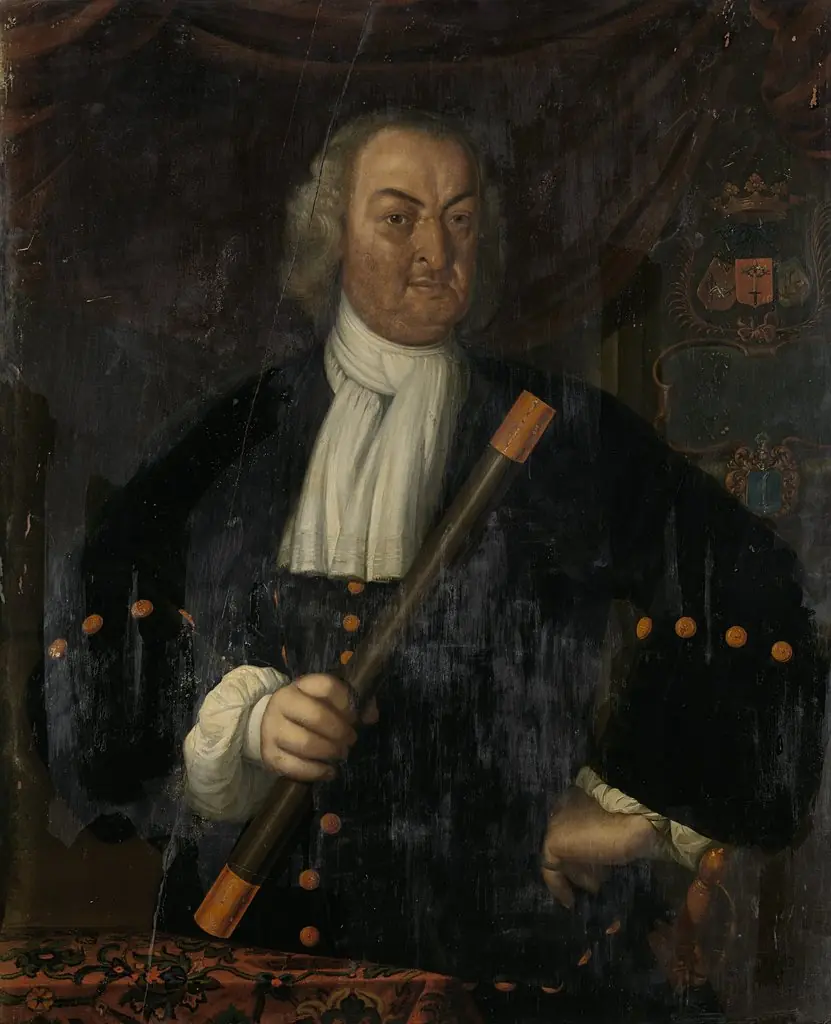 Portrait of Hendrik Swaardecroon (Hendrick Zwaardecroon), Governor General of the Dutch East Indies
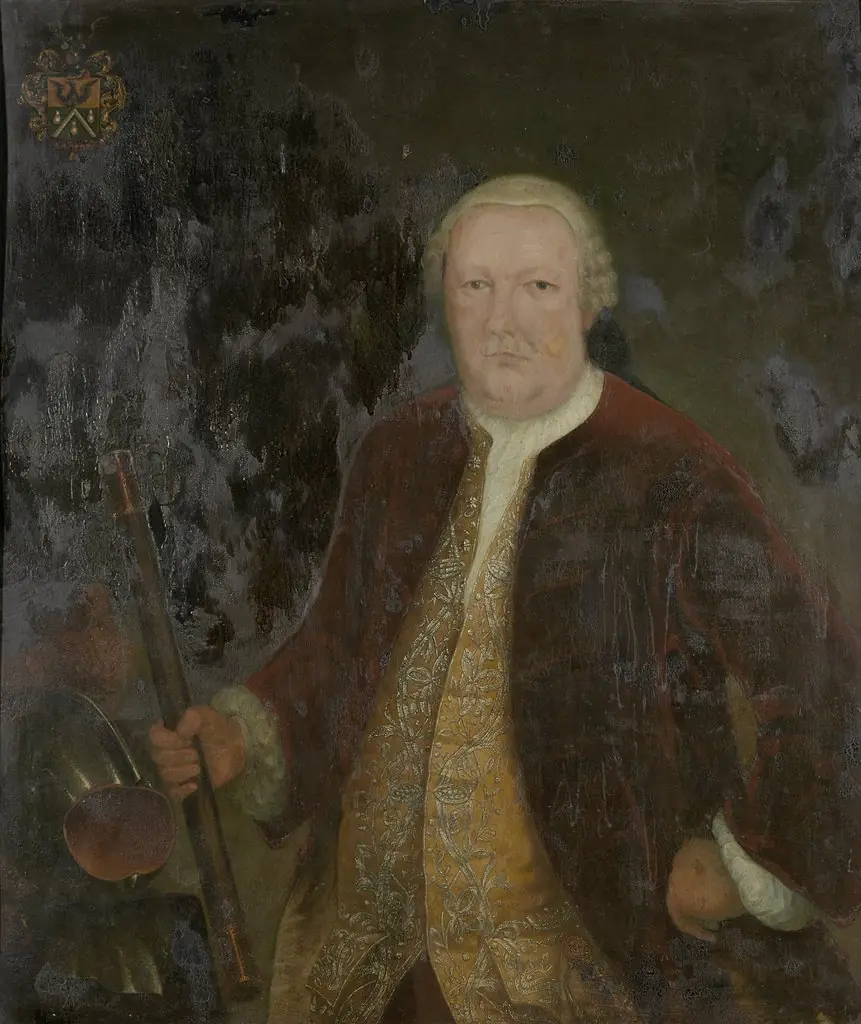 Portrait of Petrus Albertus van der Parra, Governor-General of the Dutch East India Company
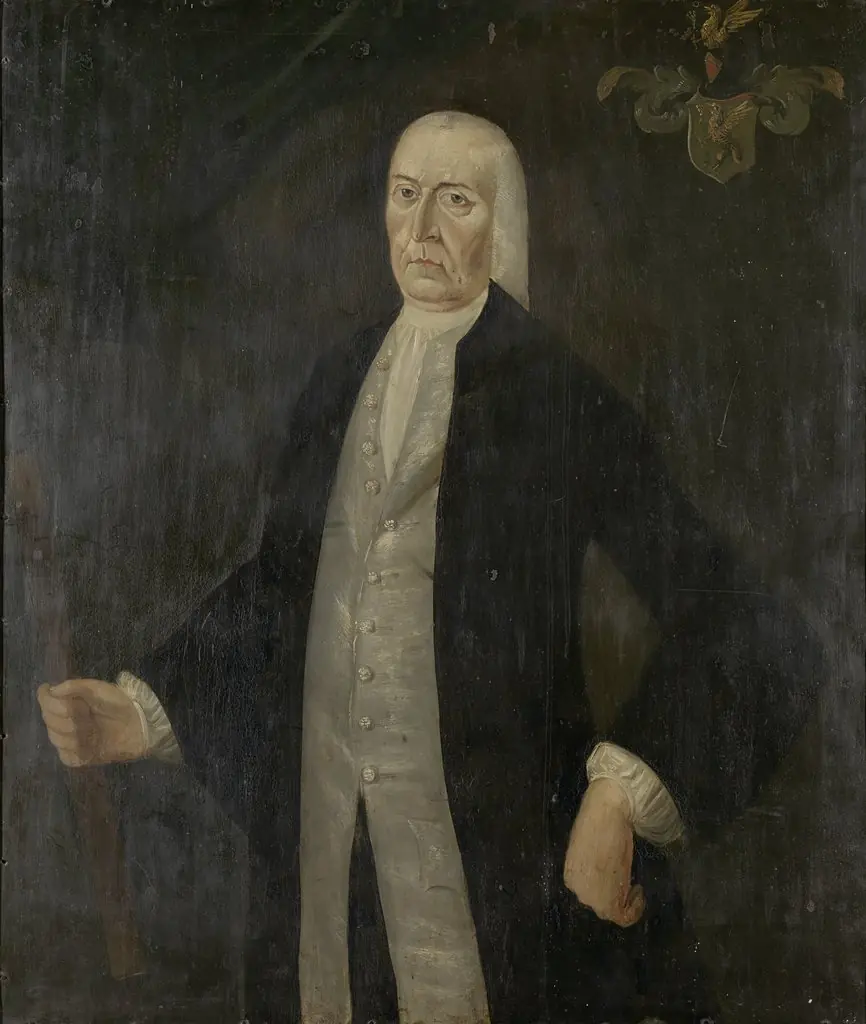 Portrait of gouverneur-generaal Jeremias van Riemsdijk
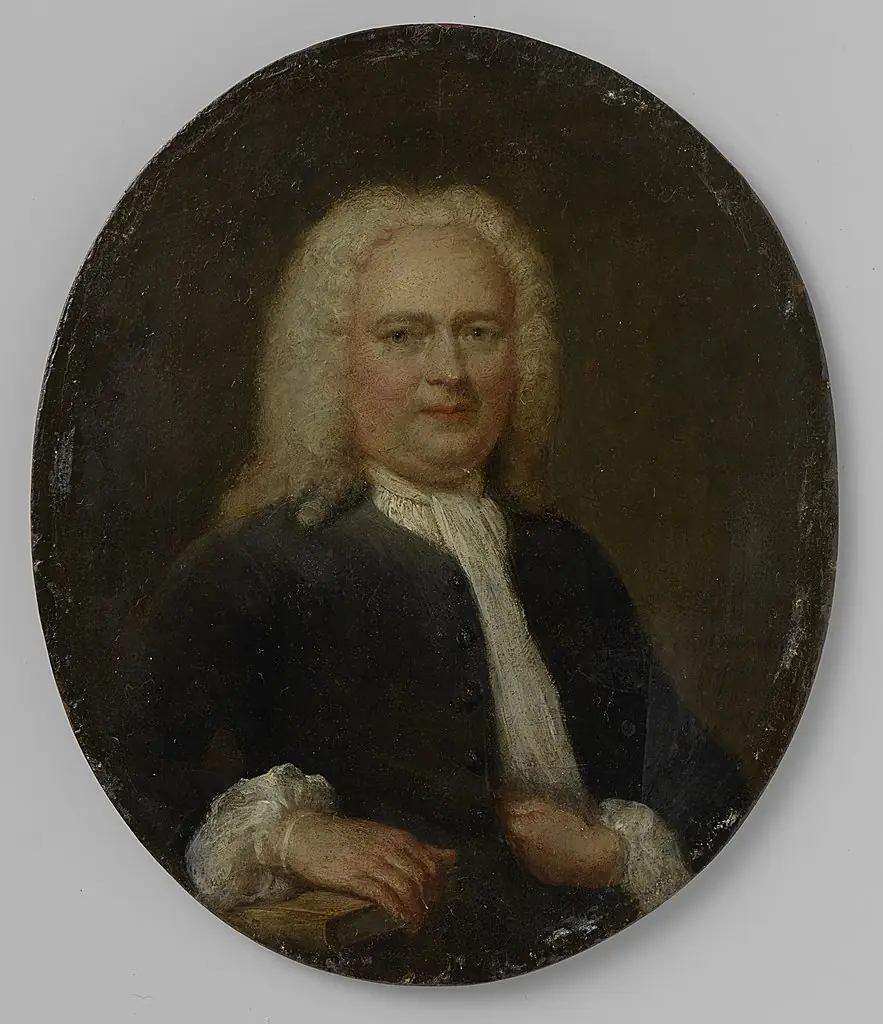 Portrait of a Man, perhaps a Member of the Klinkhamer Family
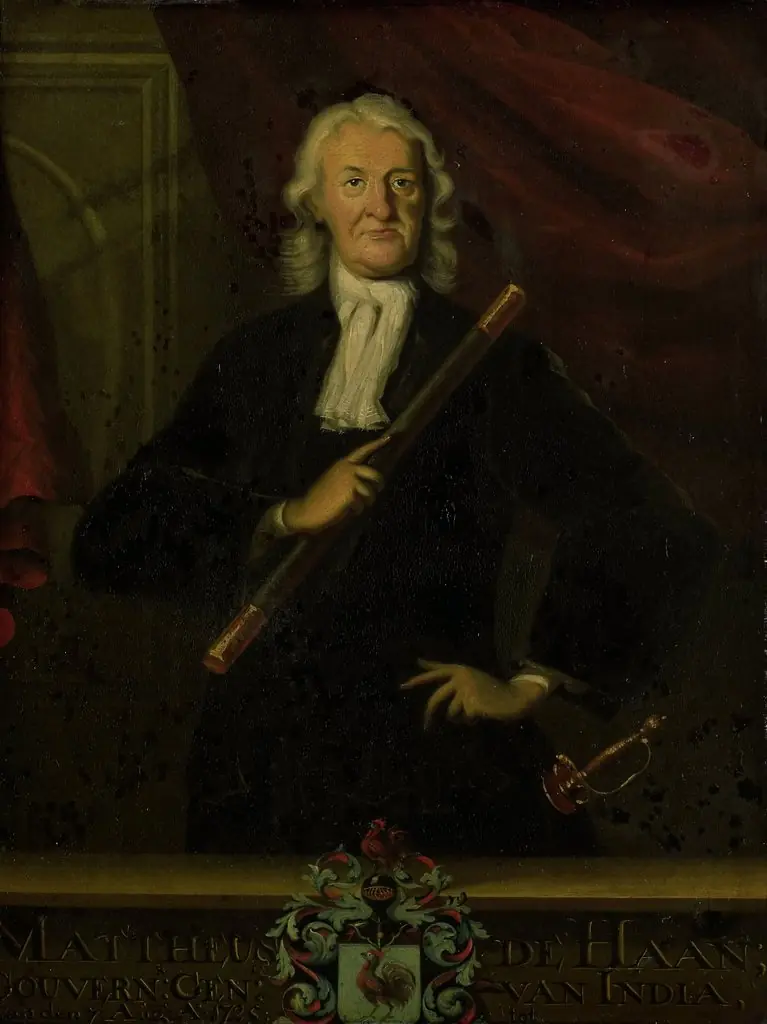 Mattheus de Haan (1663-1729). Gouverneur-generaal (1725-29)