Artwork
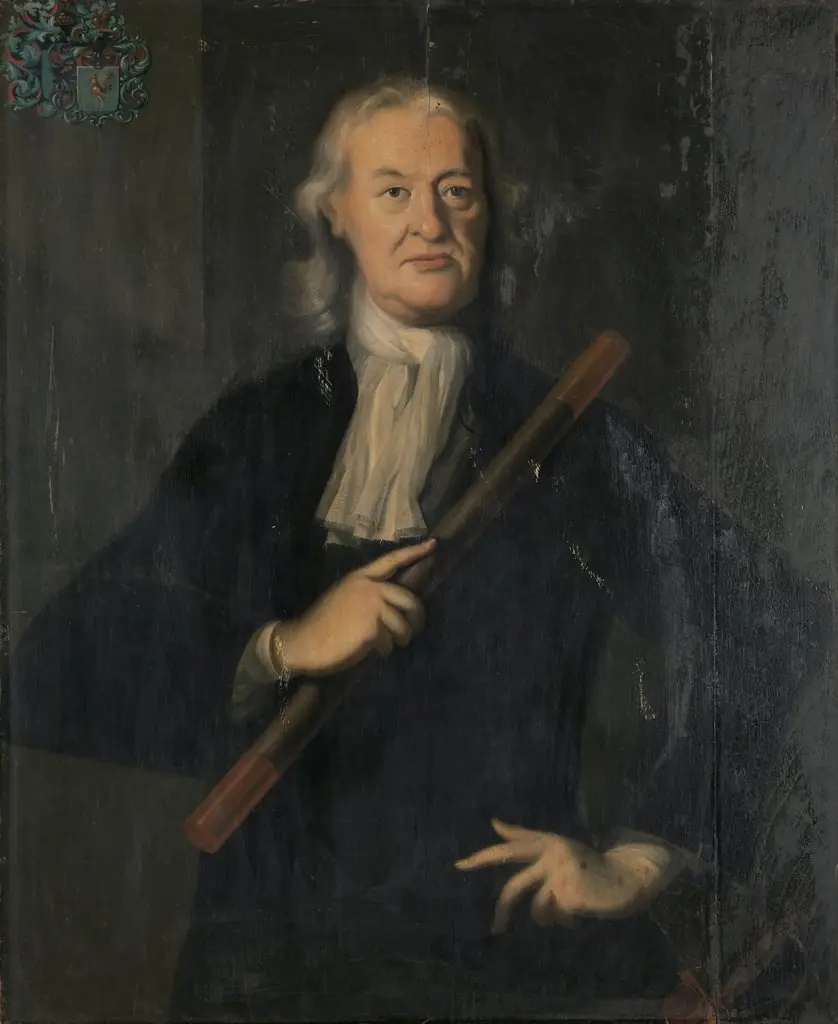
Portrait of Petrus Albertus van der Parra, Governor-General of the Dutch East India Company
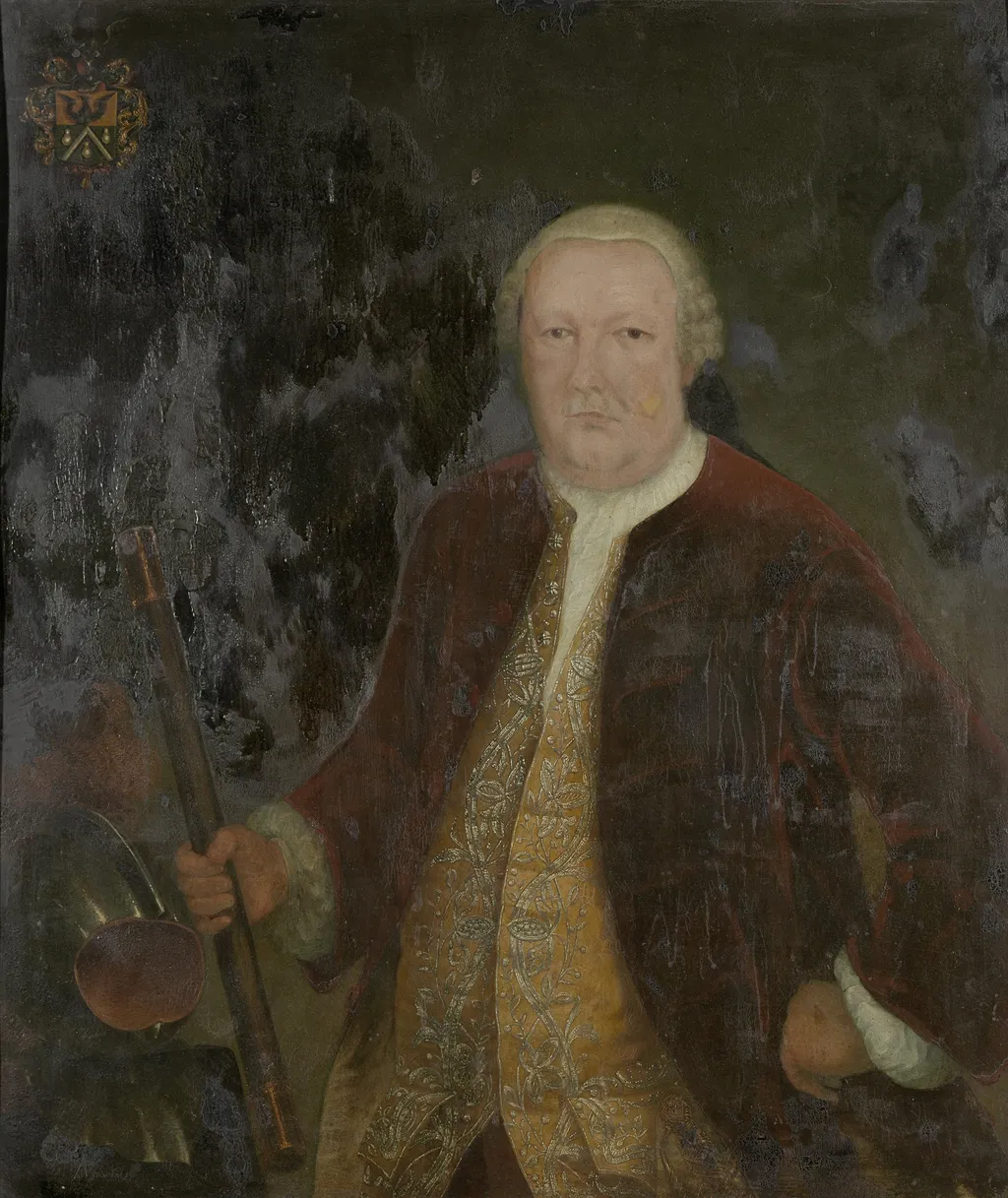
Portrait of Petrus Albertus van der Parra, Governor-General of the Dutch East India Company is an oil painting. It dates from 1761 and is held in the collection of the Rijksmuseum. The work depicts Petrus Albertus van der Parra, who served as Governor‑General of the Dutch East India Company.
About this work
Overview
Executed in brass, the portrait presents the official in a dark red coat trimmed with gold embroidery, a white ruff, and a walking stick in his left hand.
The work depicts Petrus Albertus van der Parra, who served as Governor‑General of the Dutch East India Company. Executed in brass, the portrait presents the official in a dark red coat trimmed with gold embroidery, a white ruff, and a walking stick in his left hand. A small, round object rests under his right hand, while a half‑peeled lemon and a diminutive knife lie on the floor. The background is a dark, textured surface that barely reveals a faint heraldic device.
Subject & Meaning
Van der Parra’s attire and the gold‑threaded coat signal his high rank within the VOC hierarchy. The inclusion of a peeled lemon, a costly citrus fruit in the 17th‑century Dutch market, alludes to the lucrative spice trade that underpinned the company's wealth. The modest knife may reference the practical aspects of colonial administration, while the obscure crest hints at personal or familial heraldry.
Technique & Style
Cast in brass, the portrait employs a low‑relief technique that allows fine detailing of fabric, embroidery, and facial features. The artist achieved contrast through the dark, rough background, which accentuates the polished surface of the figure. The composition follows the conventions of Dutch portraiture of the period, emphasizing status through sumptuous dress and symbolic objects.
History & Provenance
Created during van der Parra’s tenure in the mid‑18th century, the piece likely originated in the Netherlands before being sent to the Dutch East Indies. It entered a public collection in the 20th century, eventually becoming part of the Rijksmuseum’s holdings, where it is displayed alongside other VOC‑related artworks.
Context
The portrait reflects the broader Dutch practice of commemorating colonial officials with elaborate personal likenesses. Brass was a favored medium for durable, transportable works that could survive long voyages. Such images served both as status symbols for the individual and as visual propaganda for the commercial and political reach of the Dutch East India Company.
Artist & collection

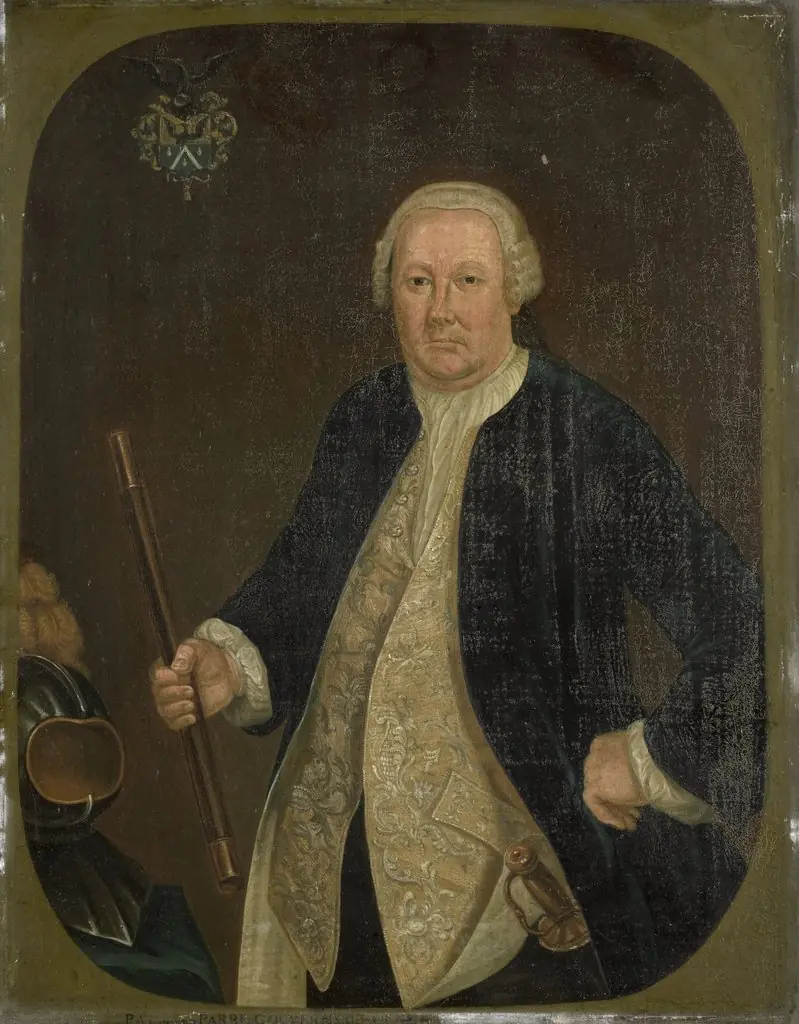 Portrait of Petrus Albertus van der Parra (1714-1775)
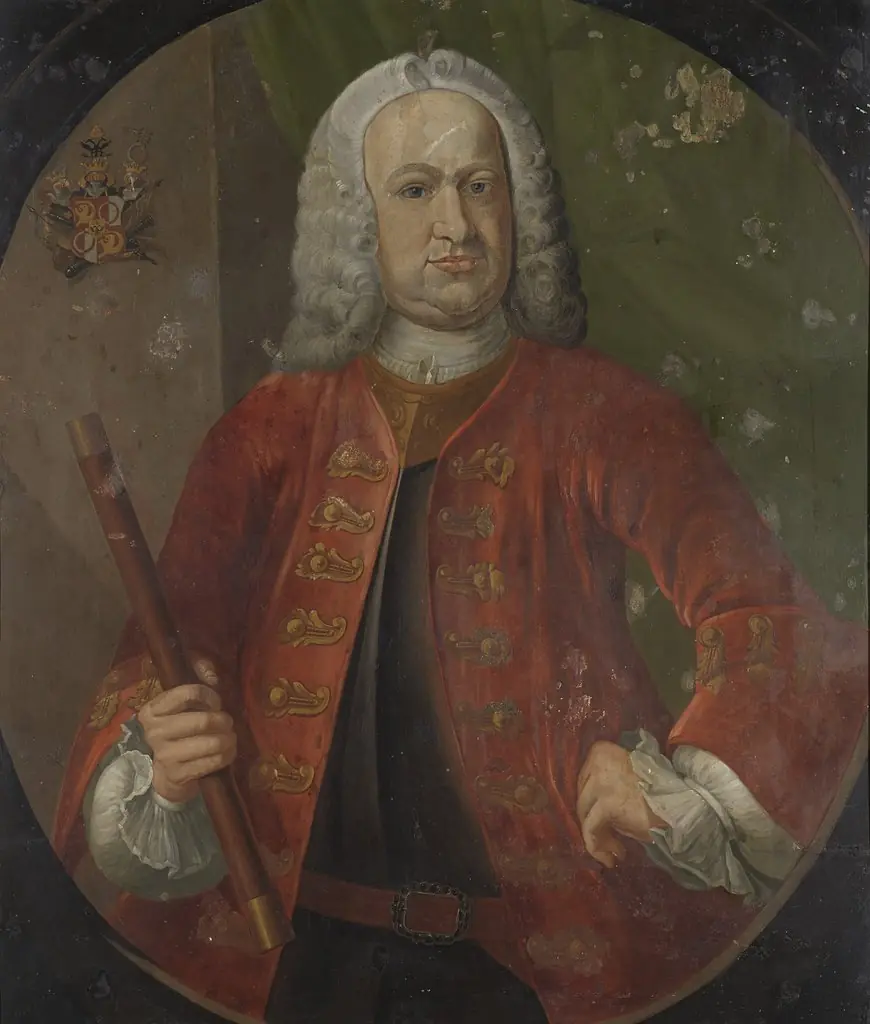 Portrait of Gustaaf Willem, Baron van Imhoff, Governor-General of the Dutch East India Company
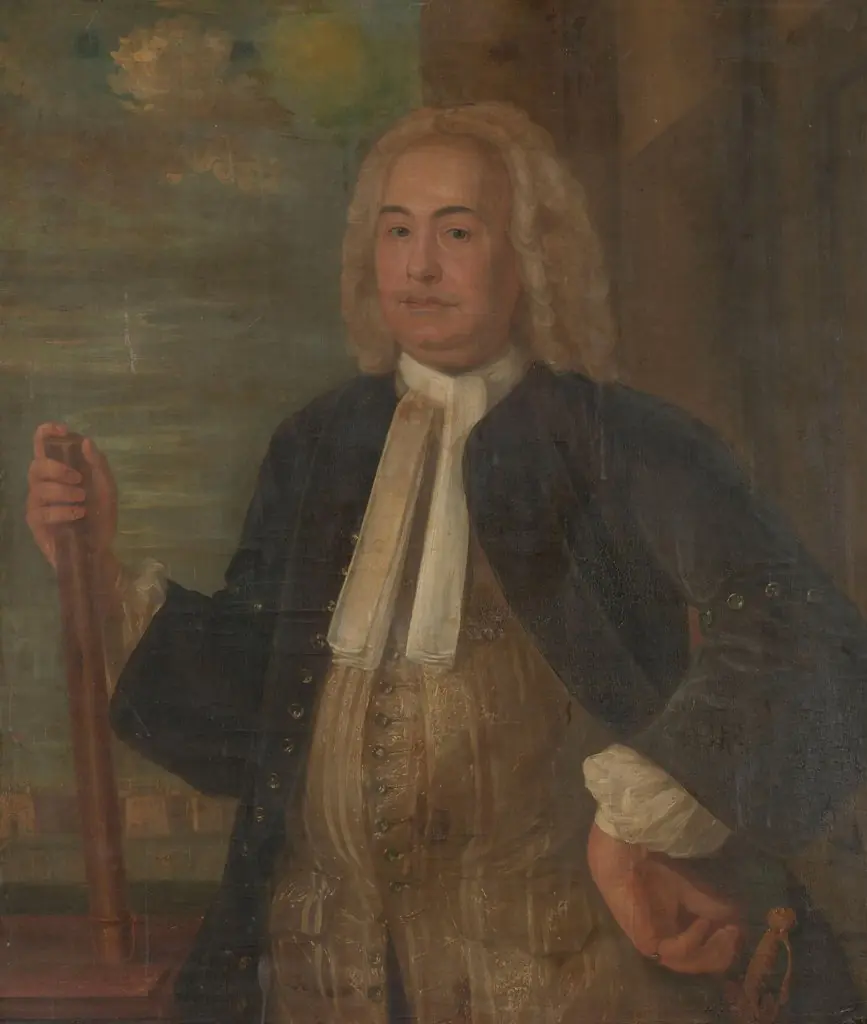 Portrait of Johannes Thedens, Governor-General of the Dutch East India Company
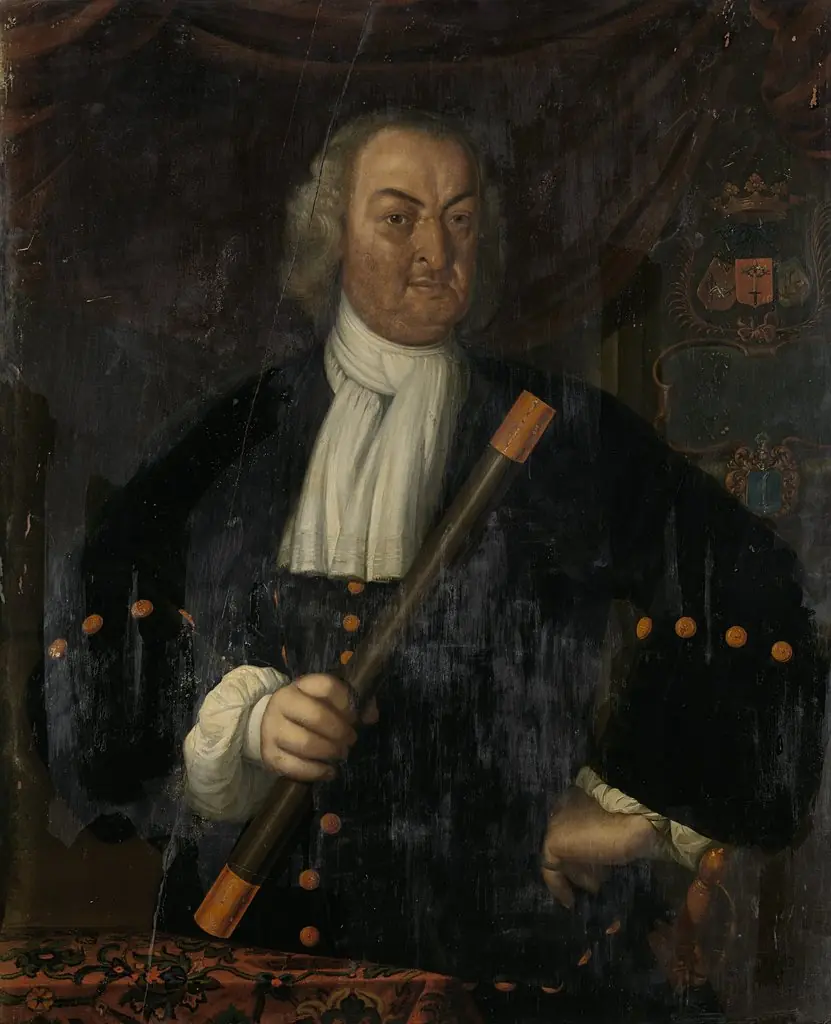 Portrait of Hendrik Swaardecroon (Hendrick Zwaardecroon), Governor General of the Dutch East Indies
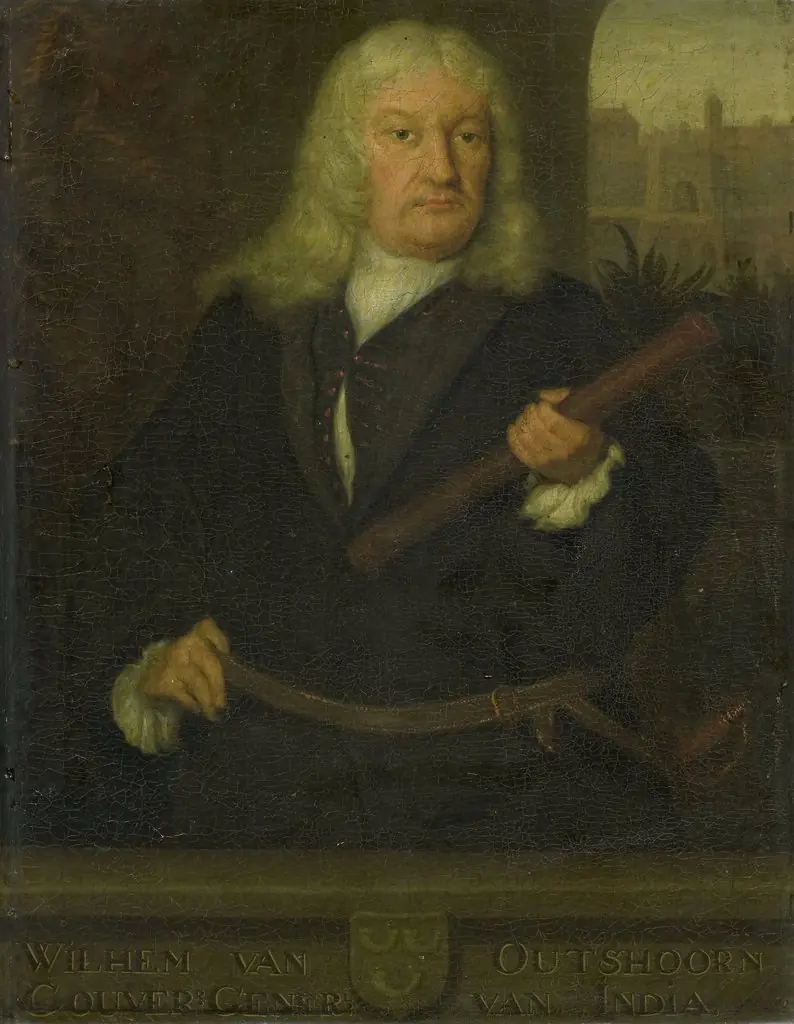 Portrait of Willem van Outhoorn, Governor General of the Dutch East Indies
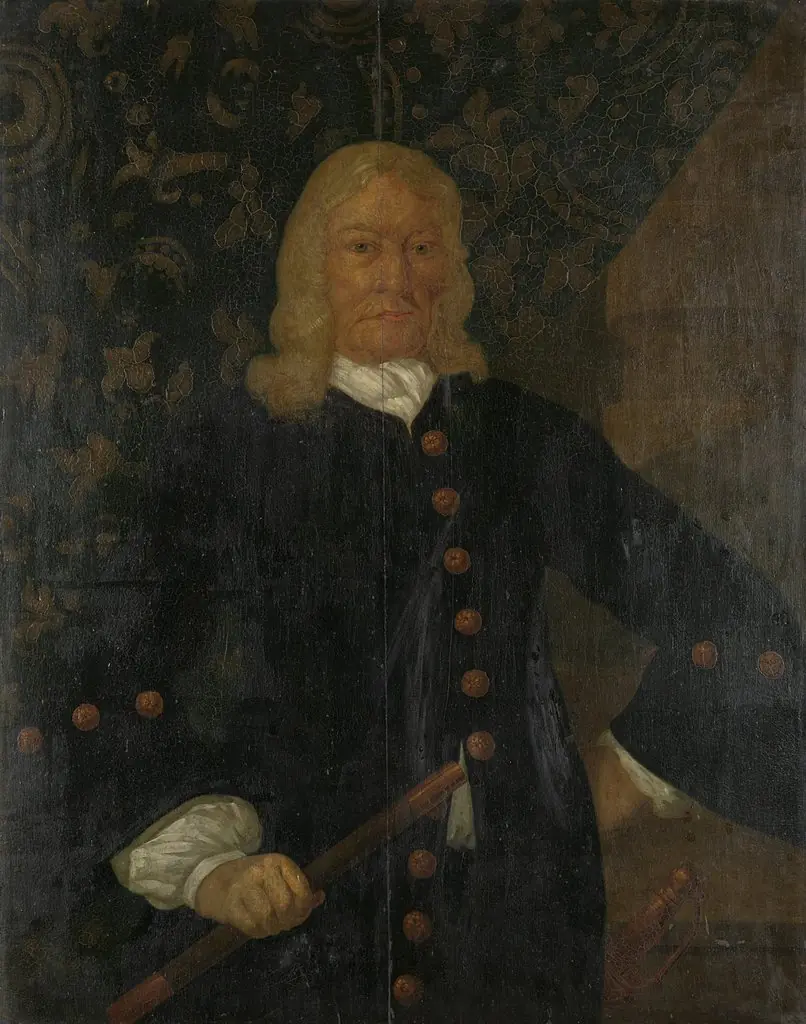 Portrait of Willem van Outhoorn, Governor-General of the Dutch East Indies
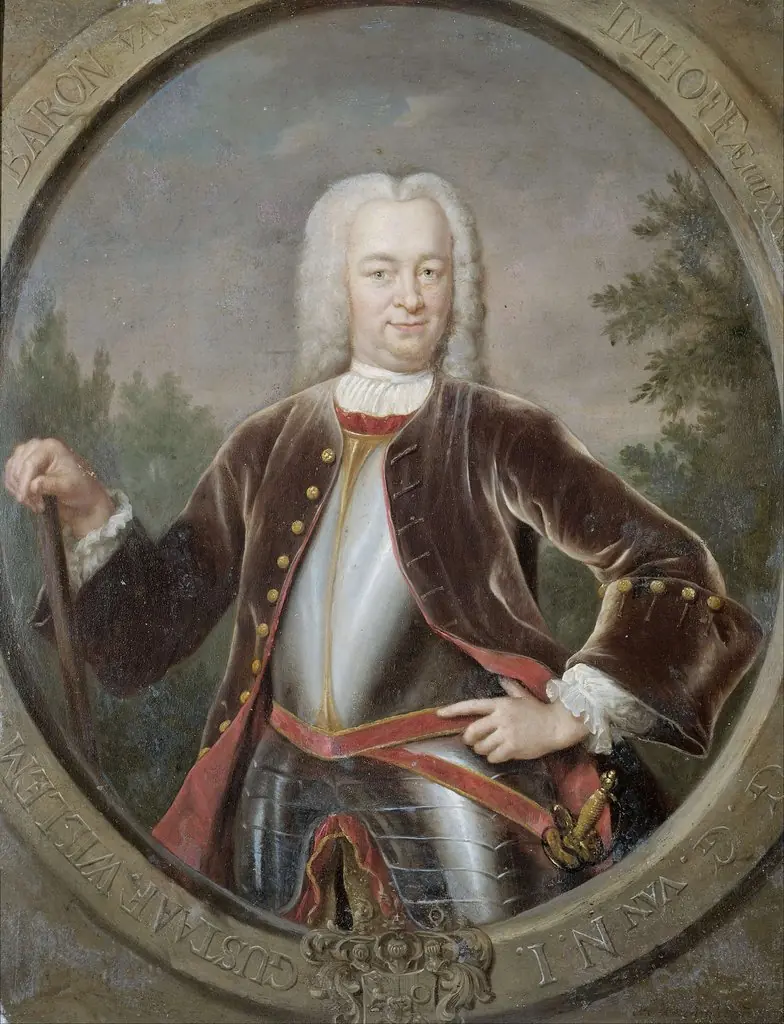 Portrait of Gustaaf Willem, Baron van Imhoff, Governor-General of the Dutch East India Company
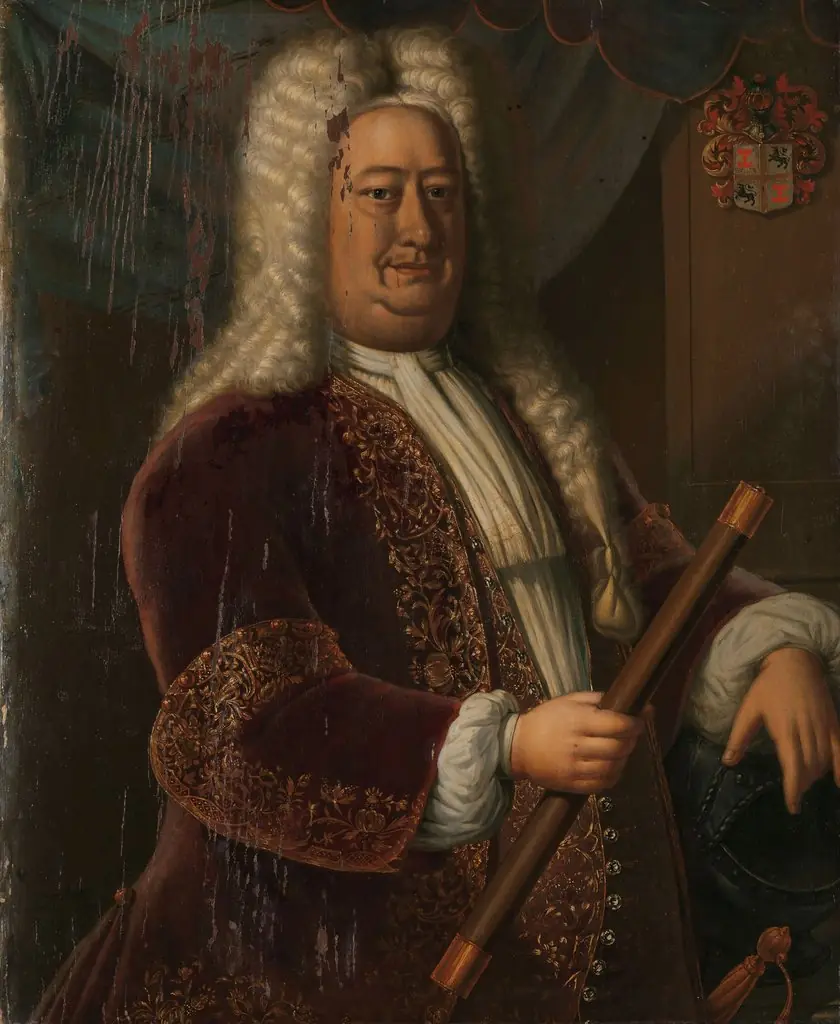 Portrait of Dirk van Cloon, Governor-General of the Dutch East Indies
 Portrait of Mattheus de Haan, Governor-General of the Dutch East Indies