Artwork
Don Ignacio Cecilio Algara Gómez de la Casa
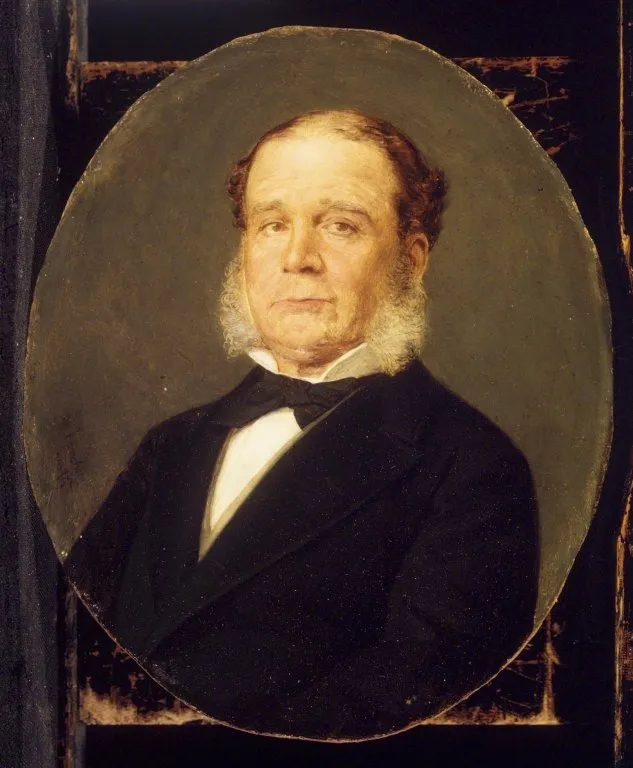
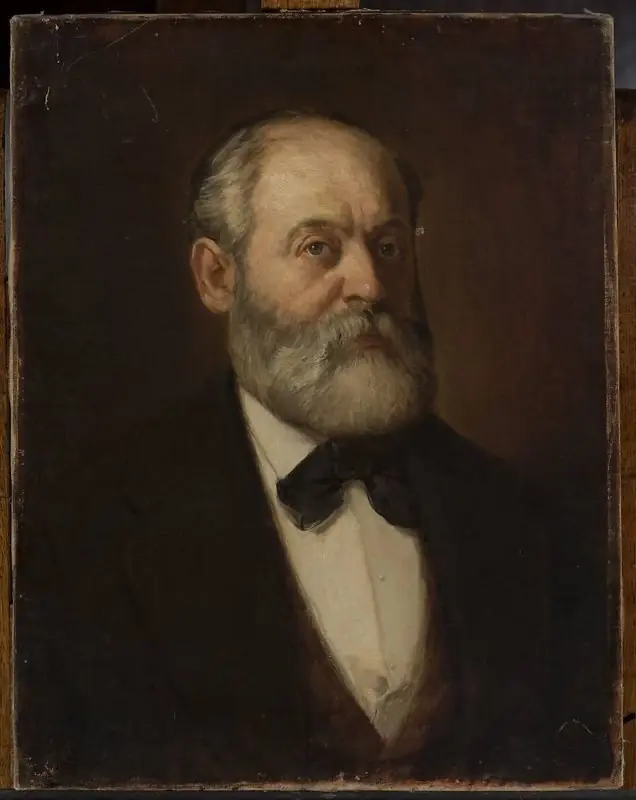
Don Ignacio Cecilio Algara Gómez de la Casa is an oil painting by the Impressionist artist Unknown. It dates from 1875 and is held in the collection of the Brooklyn Museum.
About this work
Overview
The composition centers on the sitter’s face, isolated against a deep, unmodulated background that eliminates distraction and emphasizes his presence.
This oil painting presents a formal portrait of Don Ignacio Cecilio Algara Gómez de la Casa, rendered with restrained elegance. The composition centers on the sitter’s face, isolated against a deep, unmodulated background that eliminates distraction and emphasizes his presence. His attire—black suit, white shirt, and bow tie—signals formal dress, consistent with 19th-century male portraiture conventions.
Subject & Meaning
The subject, a man of likely social standing, is depicted with a composed, direct gaze that conveys dignity rather than emotion. His dark hair and beard suggest maturity, while the absence of symbolic objects or elaborate settings focuses attention on personal presence. The portrait functions as a record of identity, reflecting societal values of decorum and self-possession in its time.
Technique & Style
The artist employs subtle tonal gradations to model the face, using soft transitions between light and shadow to define bone structure and texture. Brushwork is controlled, particularly in the rendering of fabric and hair, with minimal visible stroke. The dark background enhances contrast, drawing the viewer’s eye to the sitter’s expression and the crisp edges of his clothing.
History & Provenance
The painting’s origins are tied to its subject, a Spanish gentleman whose full name suggests aristocratic or professional status. While specific details of its commission or early ownership are undocumented, its formal style aligns with mid-to-late 19th-century Spanish portraiture, likely created in a regional studio or by a local artist serving the upper middle class.
Context
During the 19th century, portraiture in Spain remained a key medium for asserting social identity, especially among non-noble elites. This work reflects the influence of academic traditions, where clarity, restraint, and psychological gravity were prized over theatricality. Similar portraits appear in regional collections, often commissioned to mark personal or familial milestones.
Legacy
The painting endures as a quiet example of civilian portraiture from a period when visual representation was closely tied to social standing. Though not widely exhibited or studied, it contributes to the broader understanding of how ordinary elites in Spain chose to present themselves visually—through understated formality and directness.
Artist & collection

 Domestic Scene
 Giacomo and Cardinal Marco, investing Andrea, Abbot of San Zeno, with his Benefice
 The Nymph of Fontainebleau
 Portrait of a Woman
 Madonna and Child with Saints in the Enclosed Garden
 Venus and Minerva
 Family Group of Four on Sofa
 Wall painting from Room H of the Villa of P. Fannius Synistor at Boscoreale
 Portrait of Francesc Esteve i Sans
 Emil Kjöllerfeldt
 Oulun kaupunginvoudin Jacob Forssin muotokuva
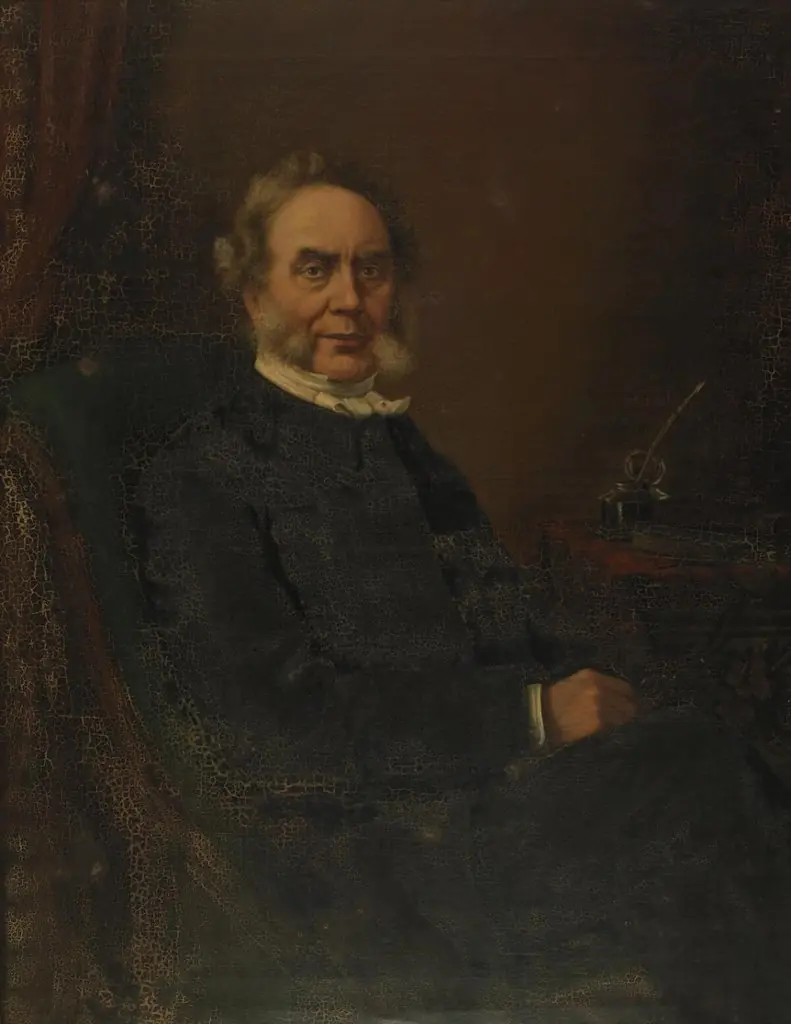 Rev Robert Thomas (Hanover) 1809-84
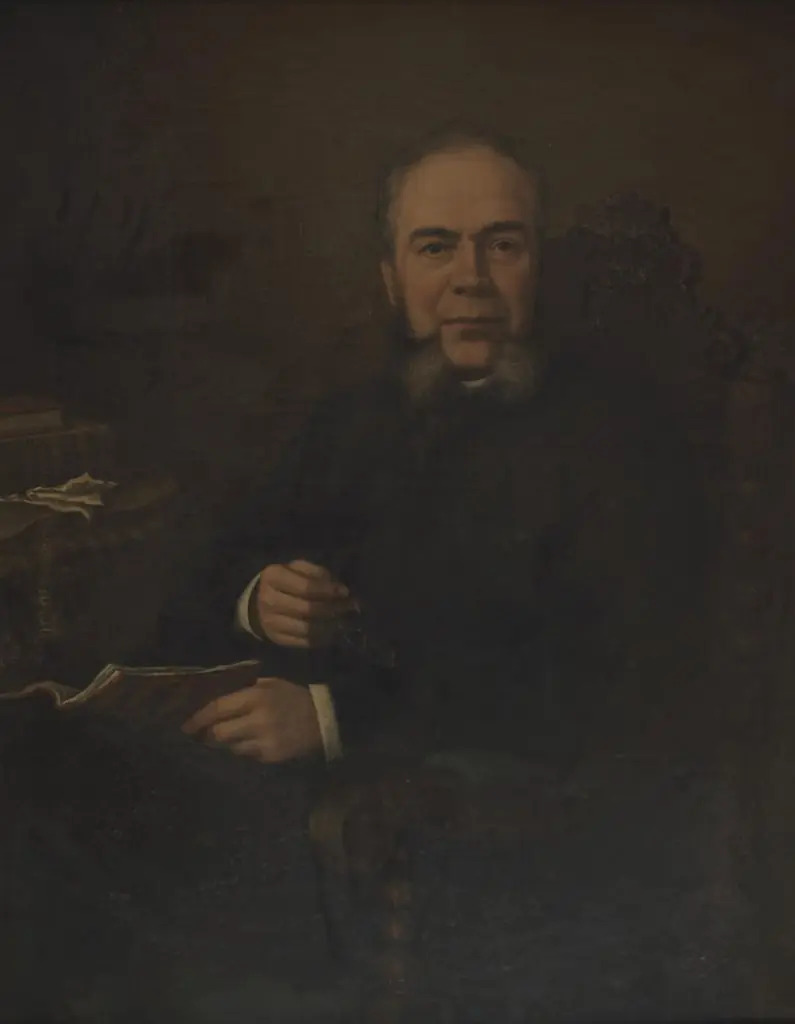 Rev John Morris, DD, 1813-96
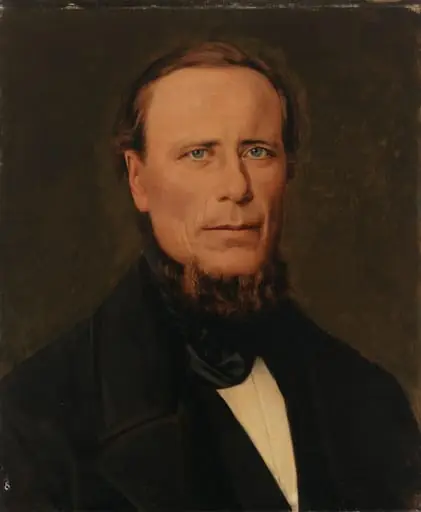 Miehen muotokuva
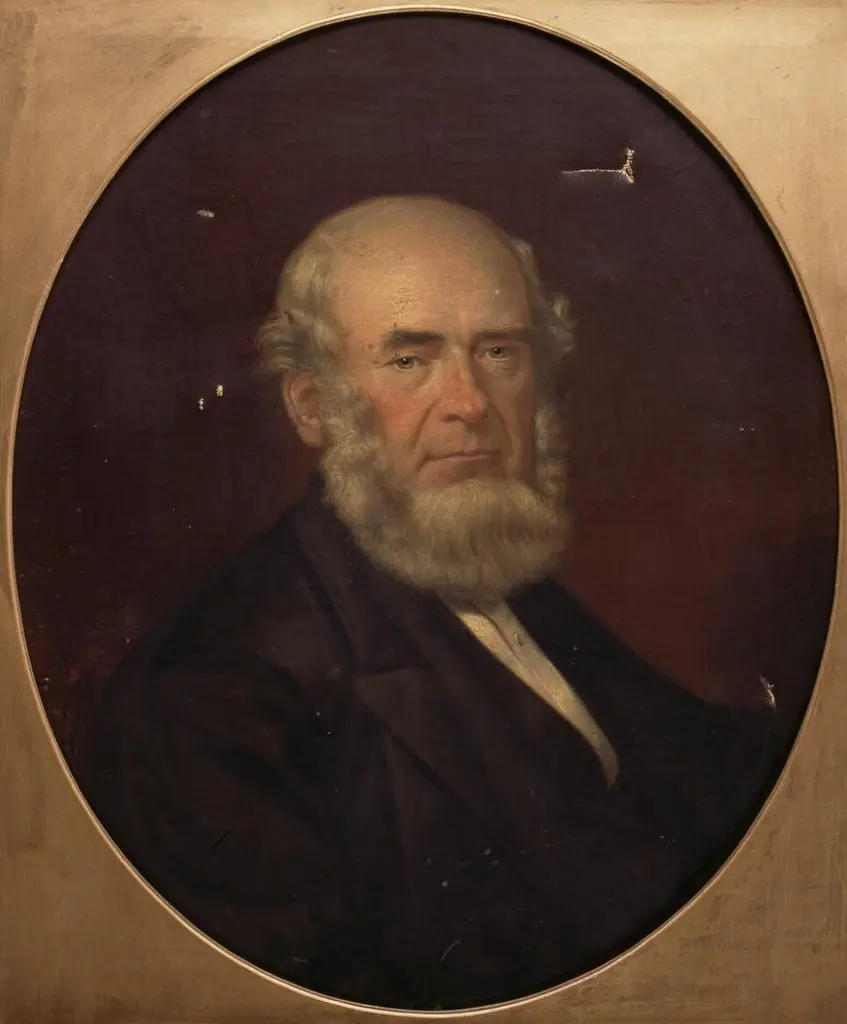 Henry Richard Esq MP
 Moritz Guist
 Wilhelm I, King of Prussia
 Mr. J. Davies, Ystrad Dyfodwy
 Portrait of a man with grey side-whiskers
 Portrait of Adam Malinowski, painter