Artwork
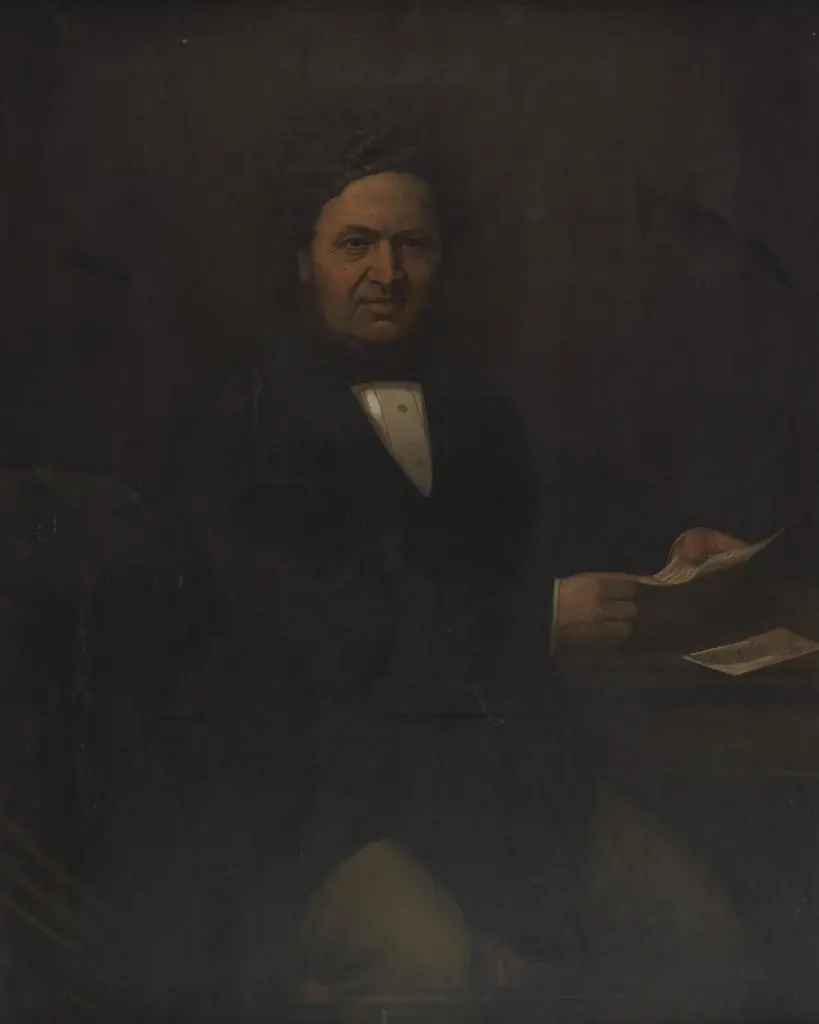
Oulun kaupunginvoudin Jacob Forssin muotokuva
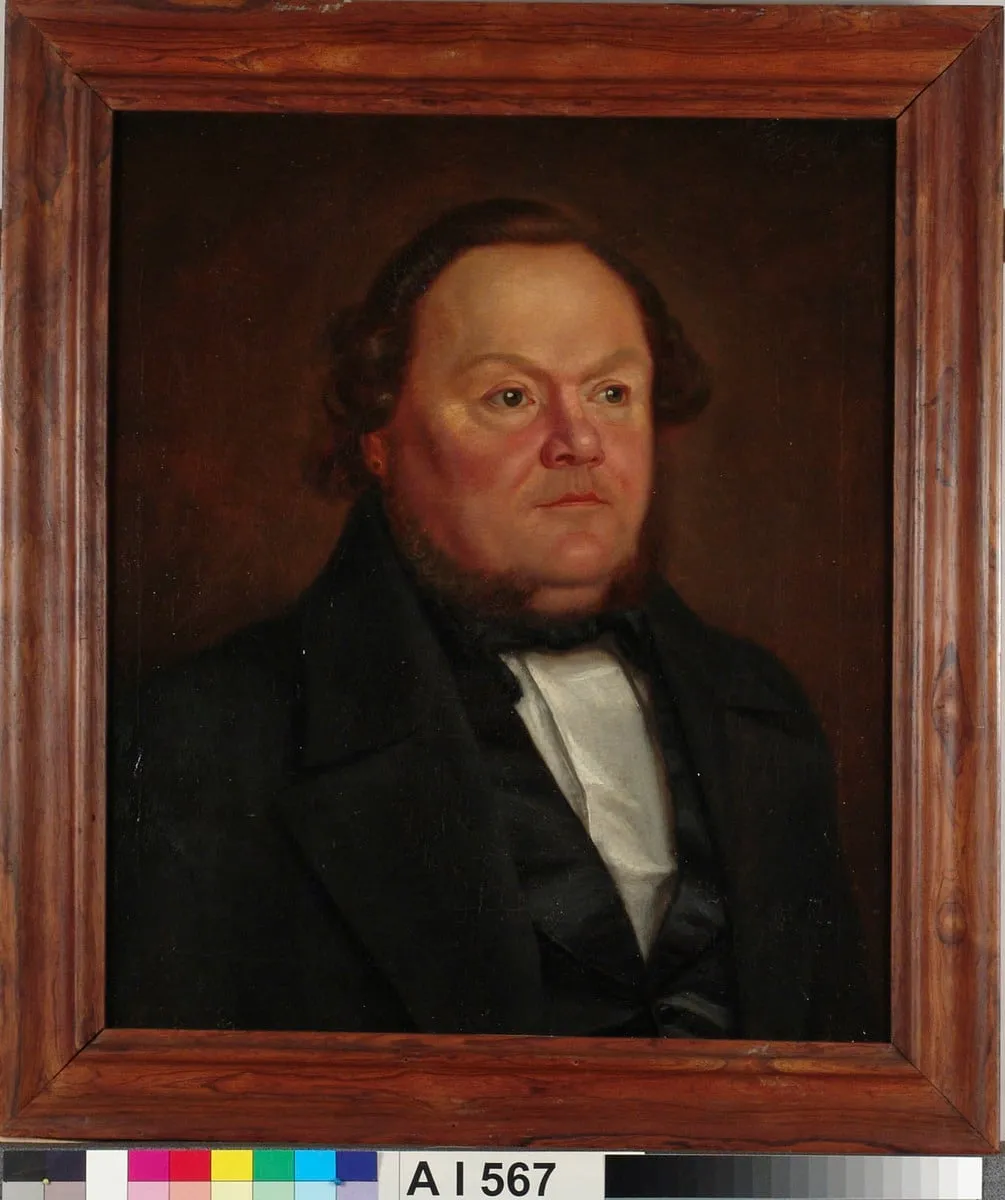
Oulun kaupunginvoudin Jacob Forssin muotokuva is an unspecified painting by Oskar Nylander. It is held in the collection of the Finnish National Gallery. This portrait depicts Jacob Forssin, the city magistrate of Oulu, rendered in a restrained, focused composition.
About this work
Overview
This portrait depicts Jacob Forssin, the city magistrate of Oulu, rendered in a restrained, focused composition. The subject is shown in three-quarter view, illuminated by soft, directional light that isolates his features against a deep, unbroken background. The absence of decorative elements directs attention entirely to his presence, emphasizing dignity and authority through minimalism.
Subject & Meaning
Jacob Forssin, a civic official in early 19th-century Finland, is portrayed with a composed, resolute expression.
Jacob Forssin, a civic official in early 19th-century Finland, is portrayed with a composed, resolute expression. His gray curls and thick beard suggest age and experience, while his firm frown conveys seriousness of purpose. The portrait does not seek to flatter but to convey the weight of public responsibility, aligning with the era’s expectation that officials be depicted with gravitas and moral steadiness.
Technique & Style
The artist employs chiaroscuro to model the face with subtle gradations of light and shadow, enhancing the three-dimensionality of Forssin’s features. The dark background absorbs ambient detail, heightening the contrast that defines his forehead, cheekbones, and beard. Brushwork is smooth and controlled, avoiding texture or flourish, reinforcing the portrait’s solemn tone and formal intent.
History & Provenance
Commissioned during Forssin’s tenure as city magistrate, the portrait likely served an official or civic function, possibly displayed in municipal buildings. Its survival suggests it was preserved by local institutions or descendants. Though the artist’s identity is unrecorded, the work reflects the conventions of Nordic civic portraiture from the early 1800s, when such images reinforced public trust in governance.
Context
In early 19th-century Finland, under Swedish and later Russian rule, civic leaders were expected to embody stability and moral authority. Portraits like this one avoided personal expression in favor of standardized representations of duty. The plain background and muted palette reflect both aesthetic restraint and the practical constraints of provincial artistic resources at the time.
Legacy
The portrait remains a quiet testament to the civic culture of northern Finland during a period of political transition. It contributes to a small but significant corpus of regional portraiture that documents local governance before the rise of national identity movements. Its preservation underscores the value placed on administrative continuity in provincial communities.
Artist & collection
Artist
Oskar Nylander spent his life in Oulu, Finland, painting portraits of local officials so stiffly formal they look like they’ve just sat down for a mugshot.

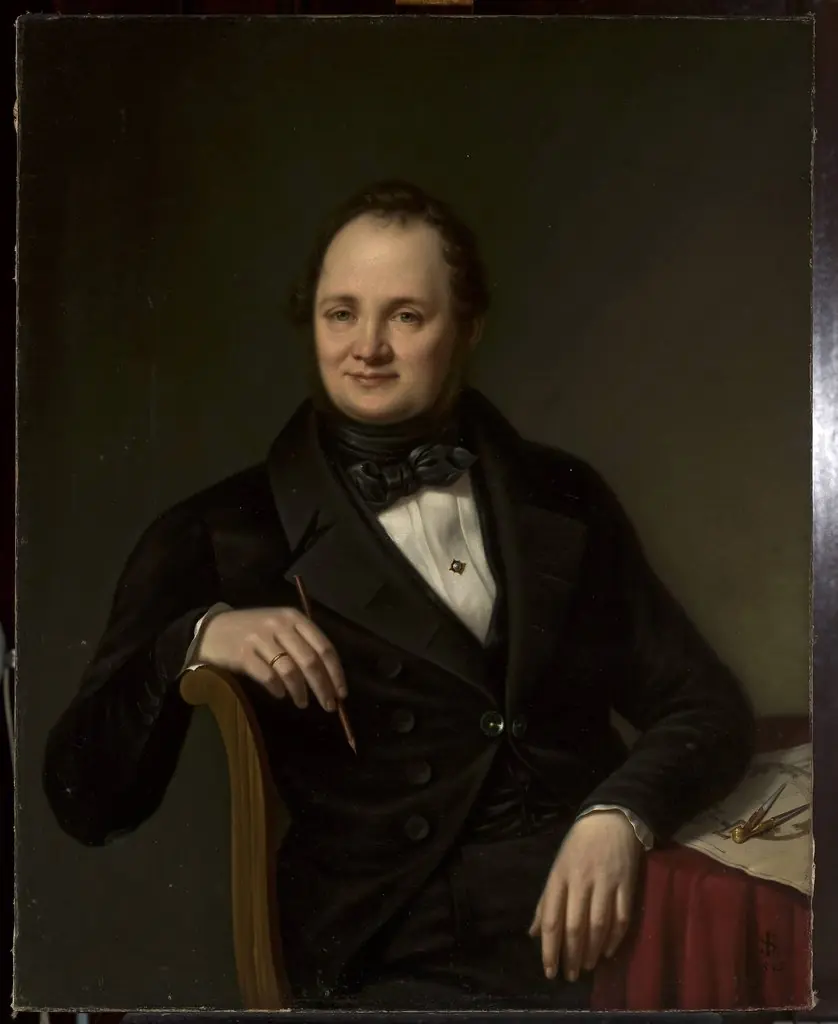 Portrait of Andrzej Gołoński, architect
 The Architect Gottlieb Bindesbøll
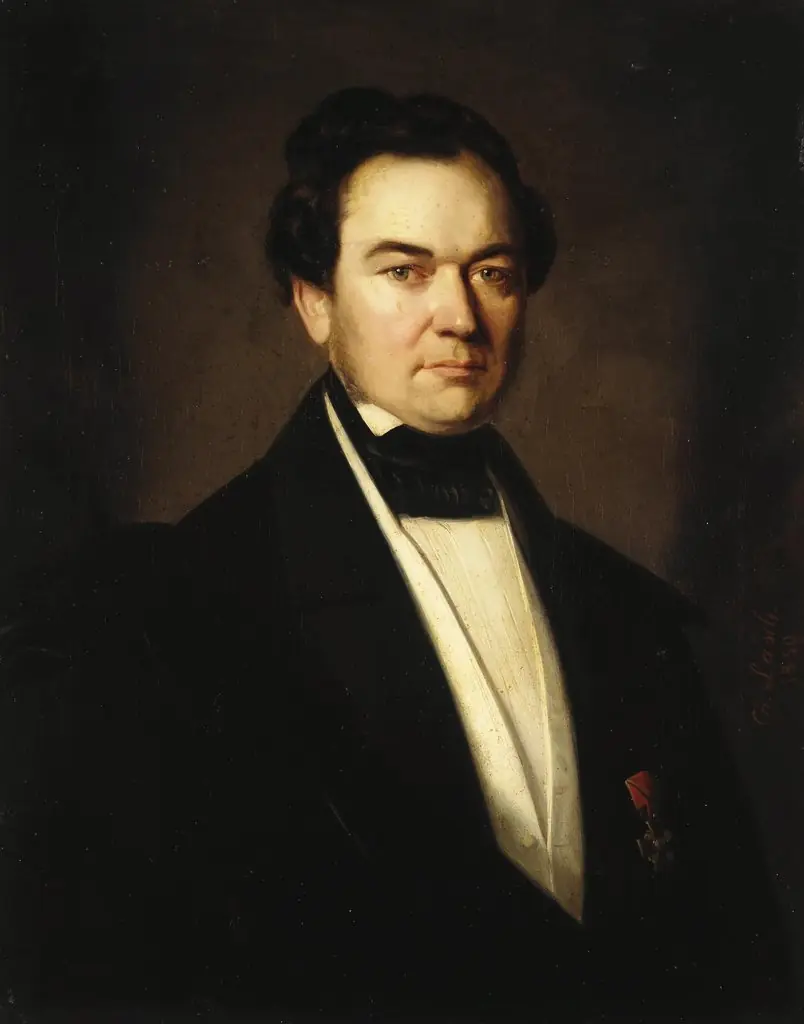 Portrait of Rudolf Hermann
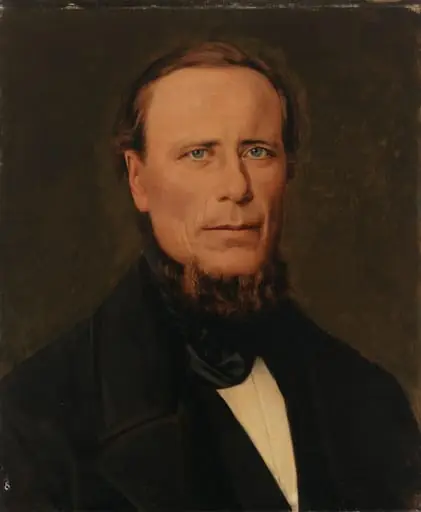 Miehen muotokuva
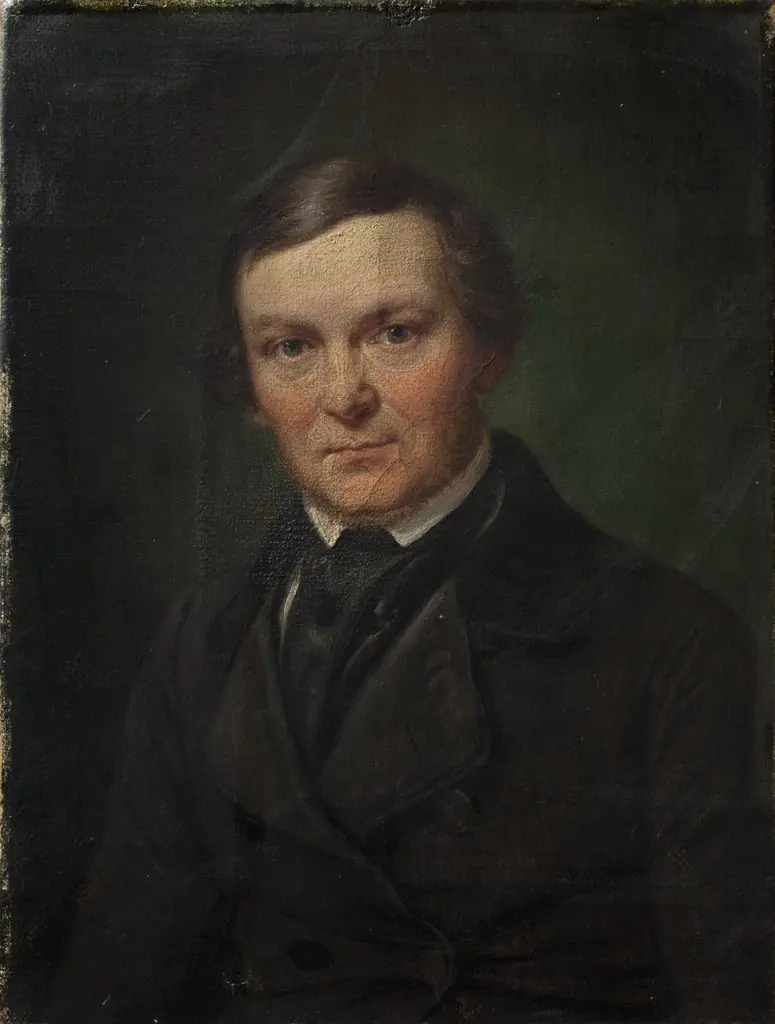 The Architect Gottlieb Bindesbøll
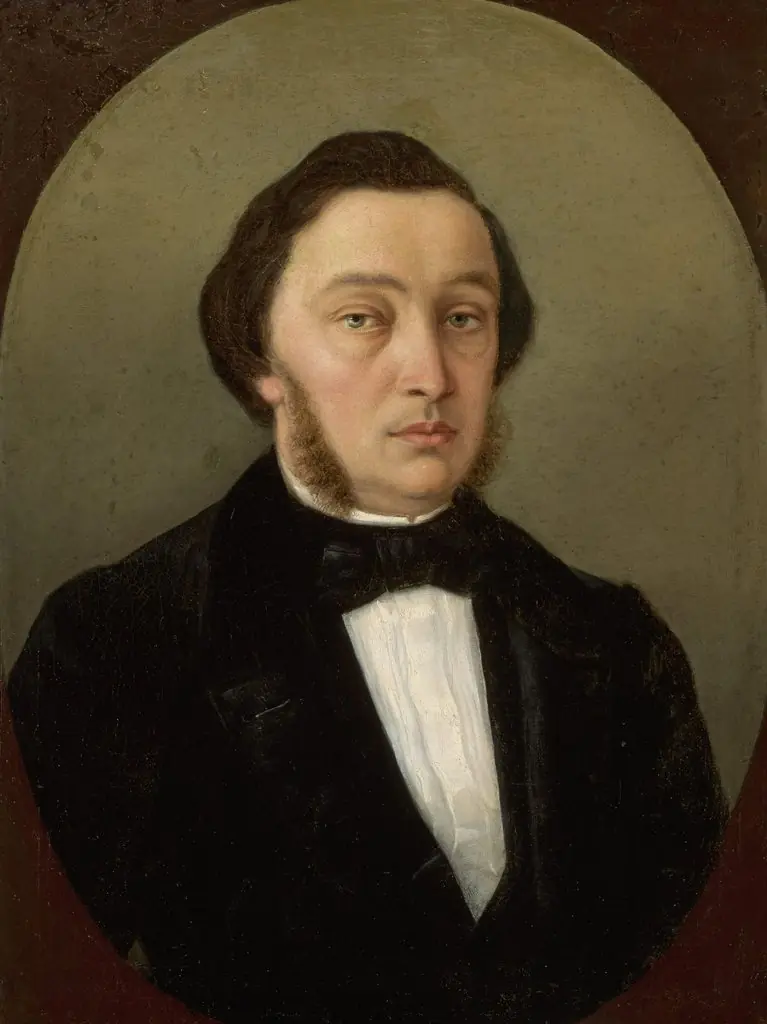 Portrait of a man with side-whiskers
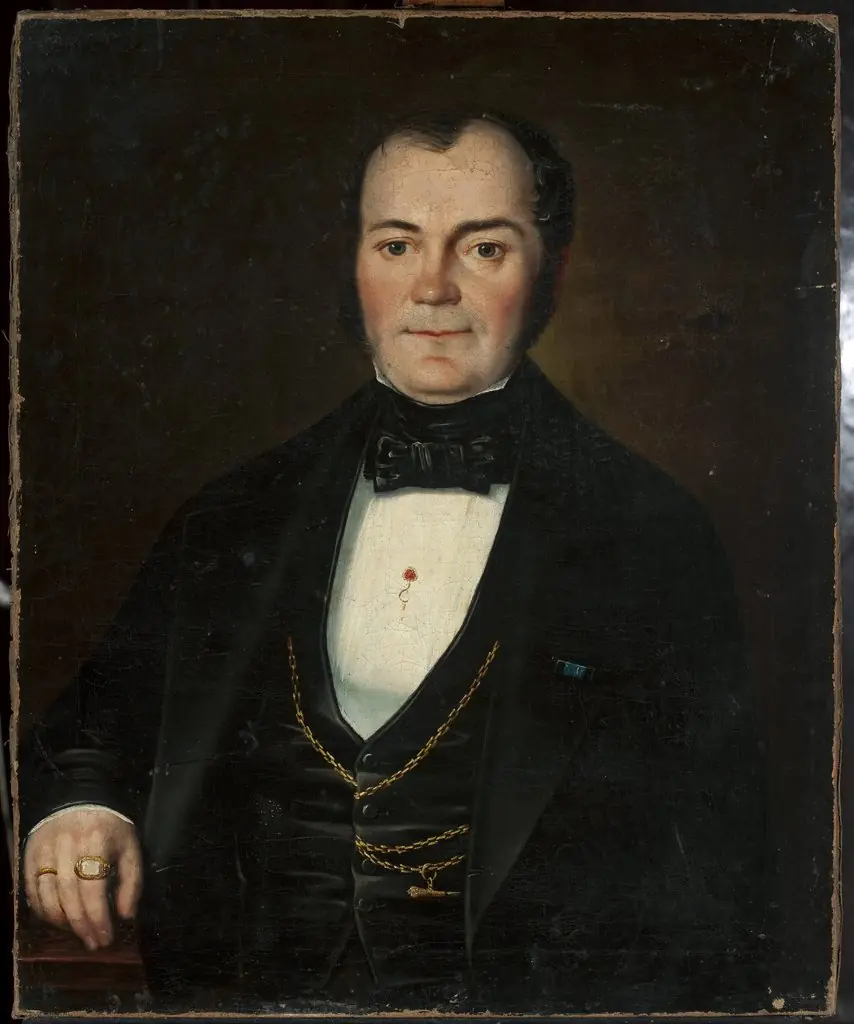 Portrait of a man
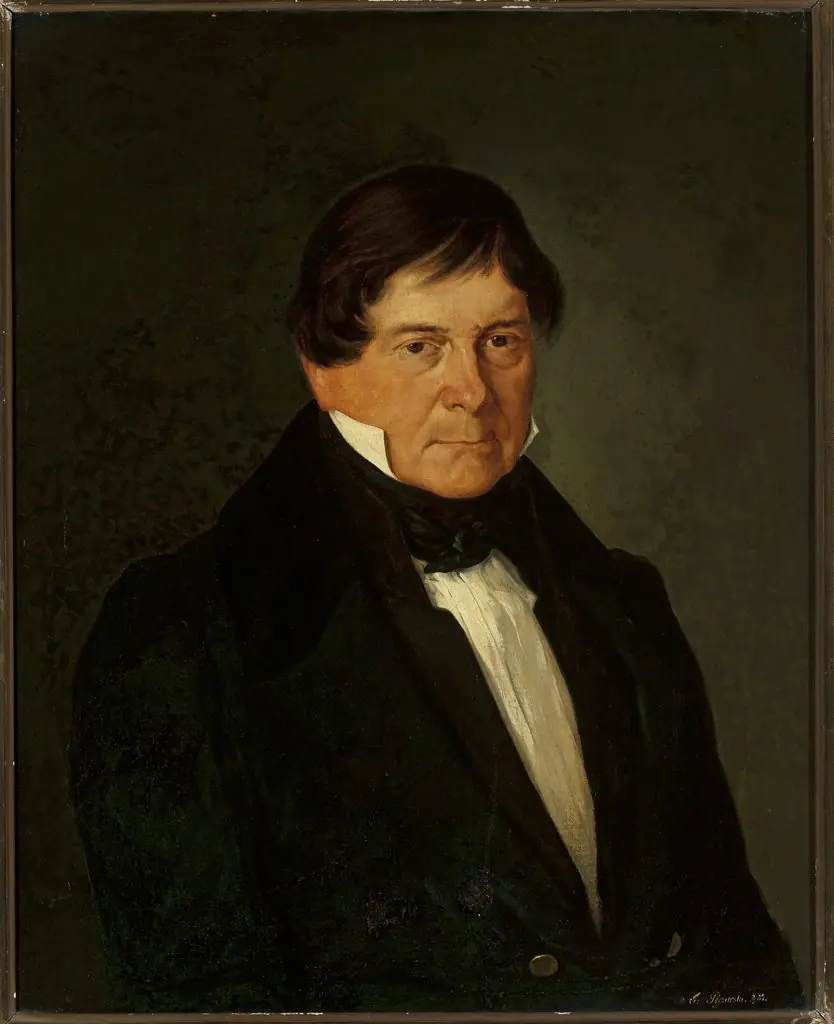 Portrait of Ksawery Dybowski
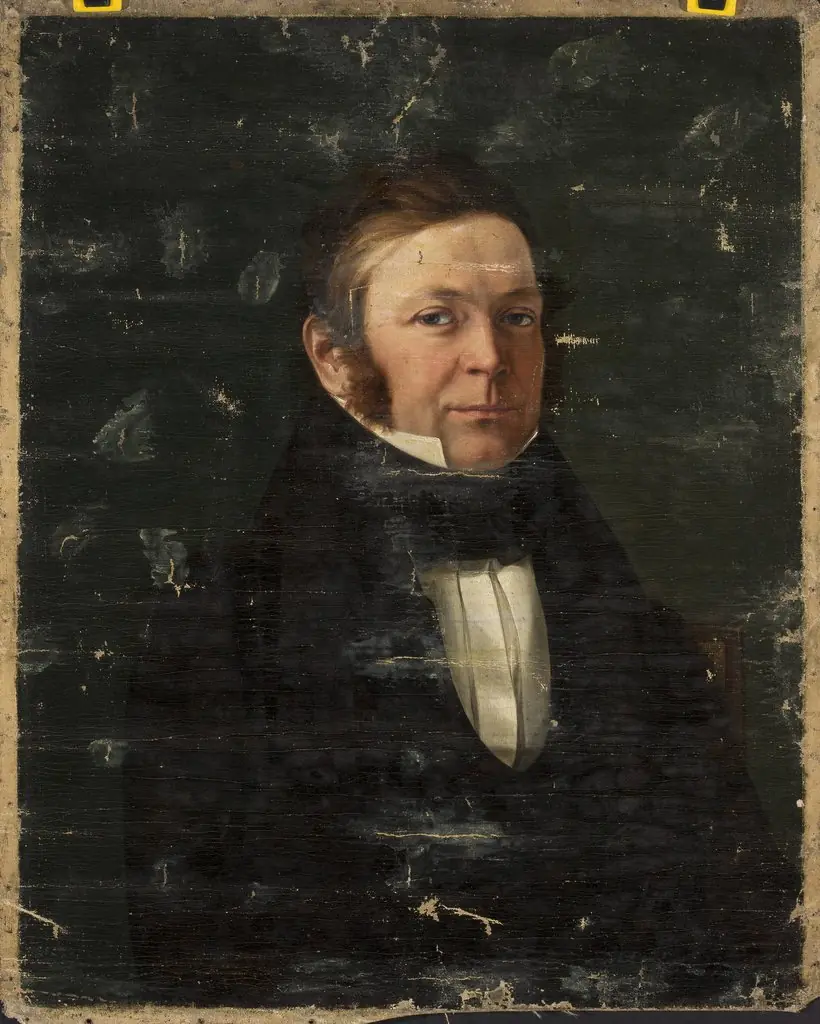 Portrait of a man
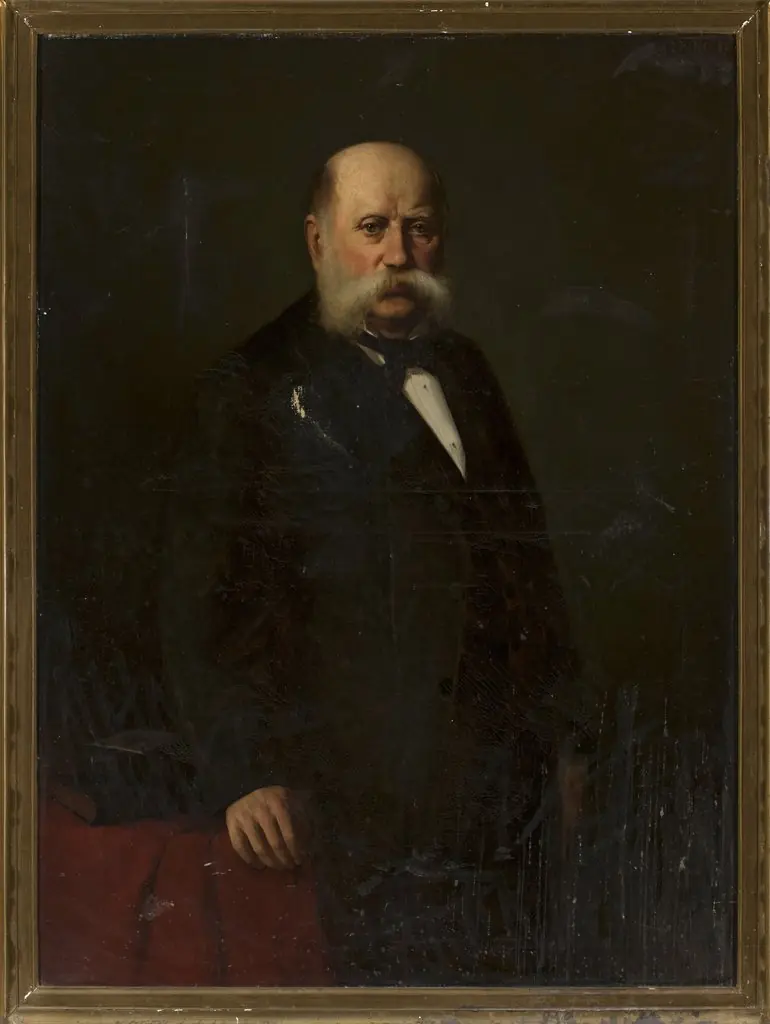 Portrait of a man with grey side-whiskers
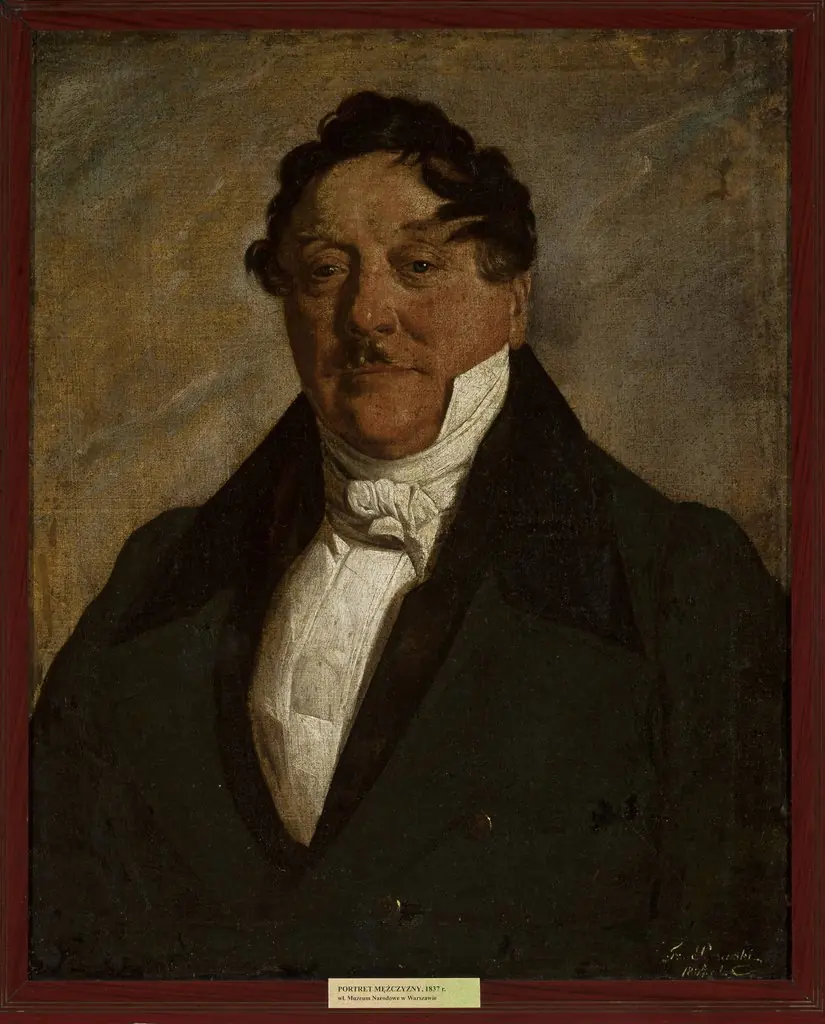 Portrait of a man in a white jabot
 Thos Williams, JP, Gwaelodygarth 1823-03