Artwork
Emil Kjöllerfeldt
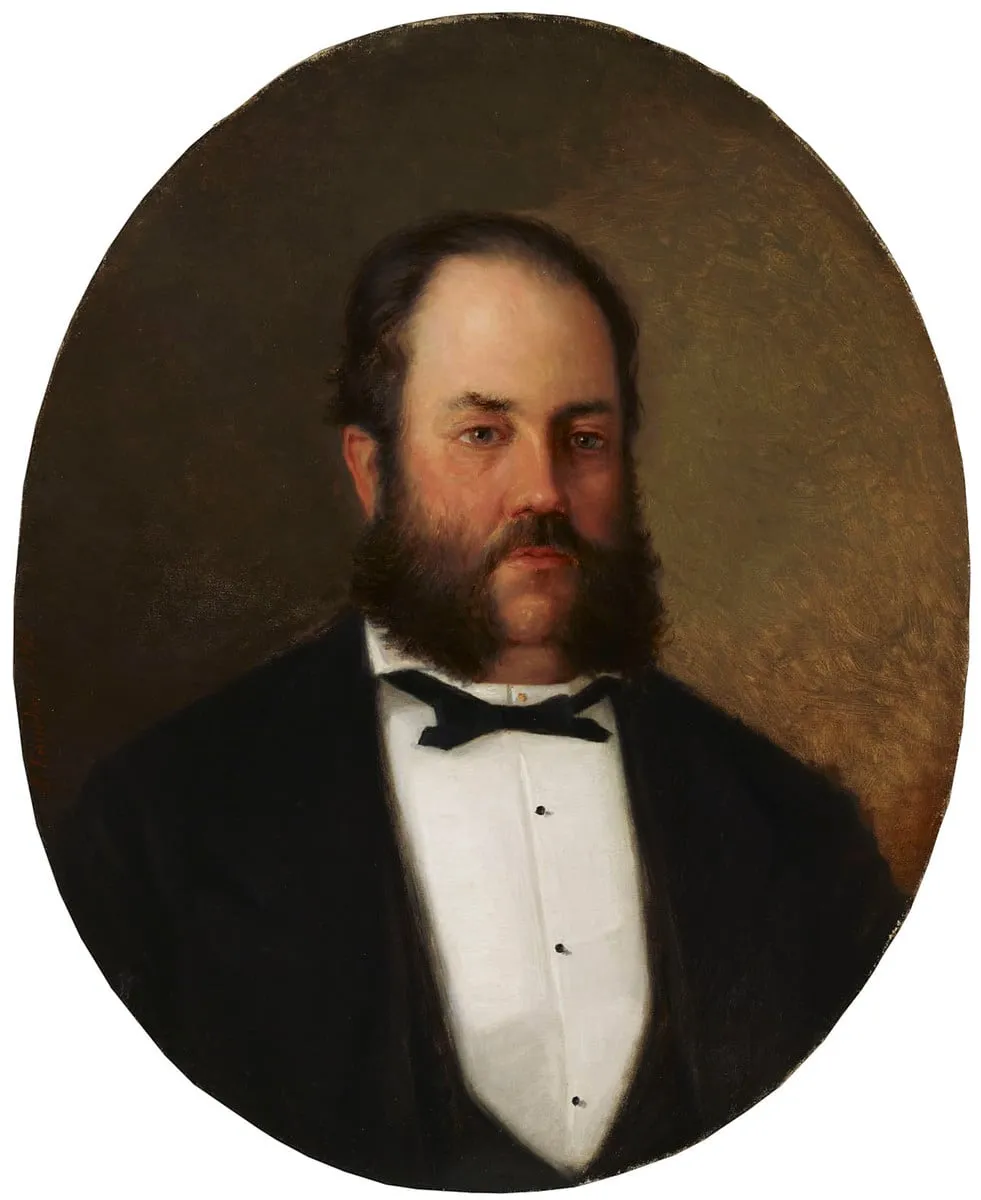
Emil Kjöllerfeldt is an unspecified painting by Alma Engblom. It is held in the collection of the Finnish National Gallery.
About this work
Overview
This portrait depicts Emil Kjöllerfeldt, a figure associated with the Museum of Ethnography, rendered in a precise realist style.
This portrait depicts Emil Kjöllerfeldt, a figure associated with the Museum of Ethnography, rendered in a precise realist style. The subject is shown in formal attire—a black jacket, white shirt, and black bow tie—against a muted brown background. His dark hair and thick beard are rendered with careful attention, and his direct gaze establishes a quiet, unflinching presence. The work is unsigned but attributed to the artist Engblom, Alma.
Subject & Meaning
Emil Kjöllerfeldt was likely a scholar or administrator connected to the Museum of Ethnography, given the context of the portrait’s preservation. His stern expression and formal dress suggest a professional identity rooted in authority and seriousness. The painting does not include symbolic elements, focusing instead on the individual’s presence, possibly intended as an institutional record rather than a personal commemoration.
Technique & Style
The portrait employs a traditional academic realism, with smooth brushwork and subtle tonal transitions to define form. Fabric textures in the jacket and shirt are rendered with precision, and the beard’s individual strands are carefully delineated. The background lacks detail, drawing focus to the figure. Lighting is even and neutral, avoiding dramatic contrast, reinforcing the portrait’s documentary intent.
History & Provenance
The painting resides in the collection of the Museum of Ethnography, indicating it was likely commissioned or acquired for institutional use. Its origin traces to the early 20th century, consistent with the style and attire. The artist, Engblom, Alma, is known for portraiture within Swedish cultural institutions, though little public documentation exists about this specific work’s commission or date.
Context
During the early 1900s, Swedish institutions frequently commissioned portraits of staff and contributors to establish institutional memory. This portrait aligns with that practice, reflecting a tradition where visual records served administrative and commemorative functions. Unlike grand public monuments, such works were modest, intended for internal archives rather than public display.
Legacy
The portrait remains a quiet artifact of institutional history, preserving the likeness of a figure otherwise absent from broader cultural narratives. While not widely exhibited, it contributes to the visual archive of Sweden’s ethnographic community. Its endurance in the museum’s collection underscores its role as a factual record rather than an artistic statement.
Artist & collection
Artist
Alma Engblom painted portraits in early 20th-century Helsinki. Her brush captured Emil Kjöllerfeldt in a three-quarter pose and Paul Sinebrychoff vanhempi in half-length view, both dressed in dark suits against neutral…

 Luis González Martínez
 Andrei Mureșanu
 Portrait of a Merchant
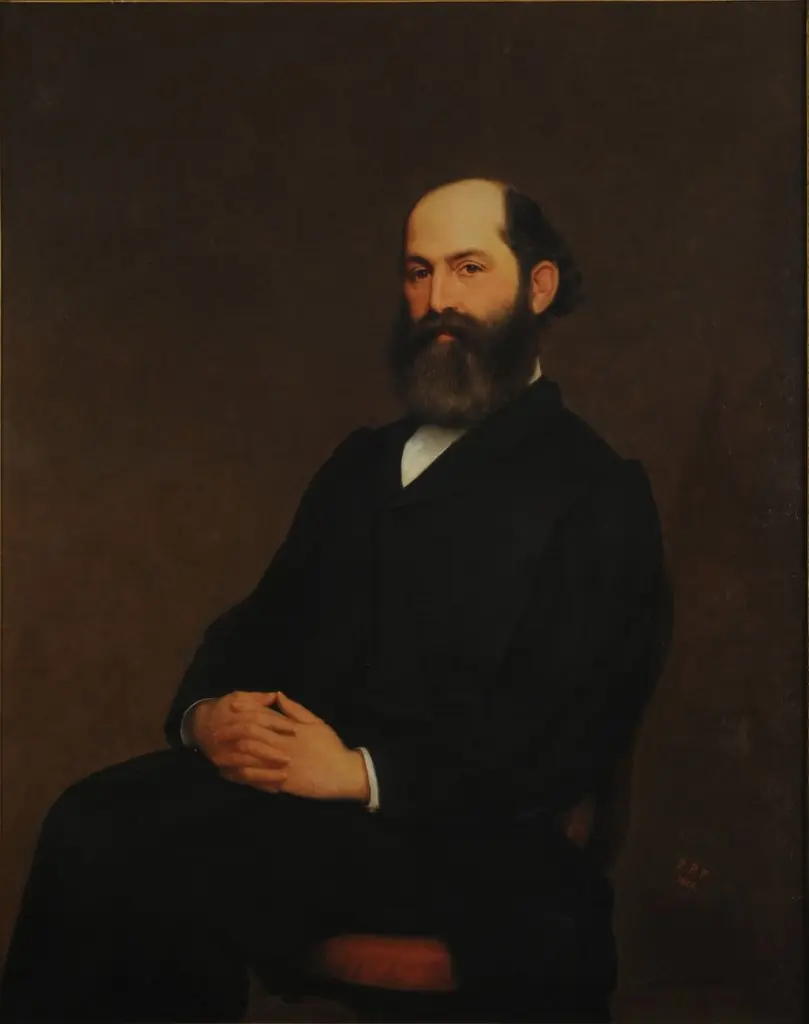 Portrait of Don Camilo Aldao
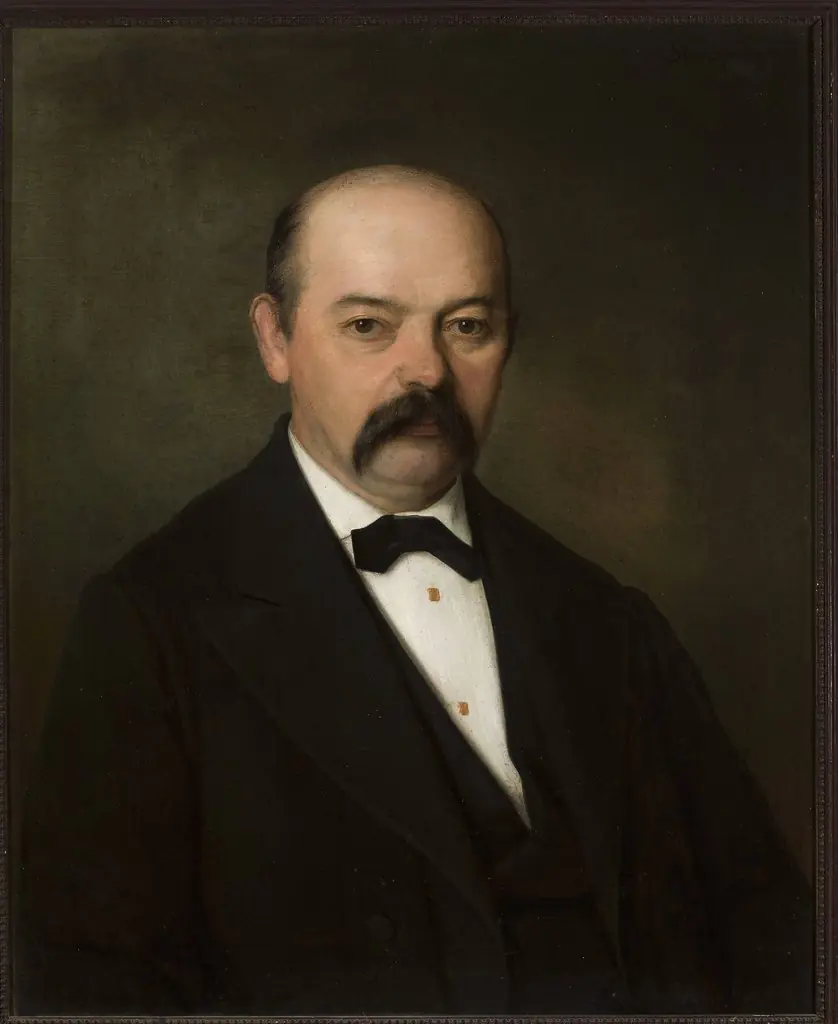 Portrait of Michał Rola Woszczyński
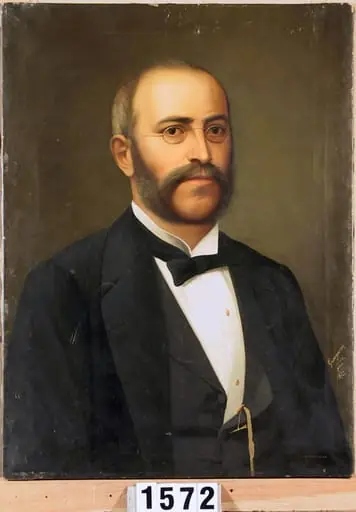 Ilie Măcelariu
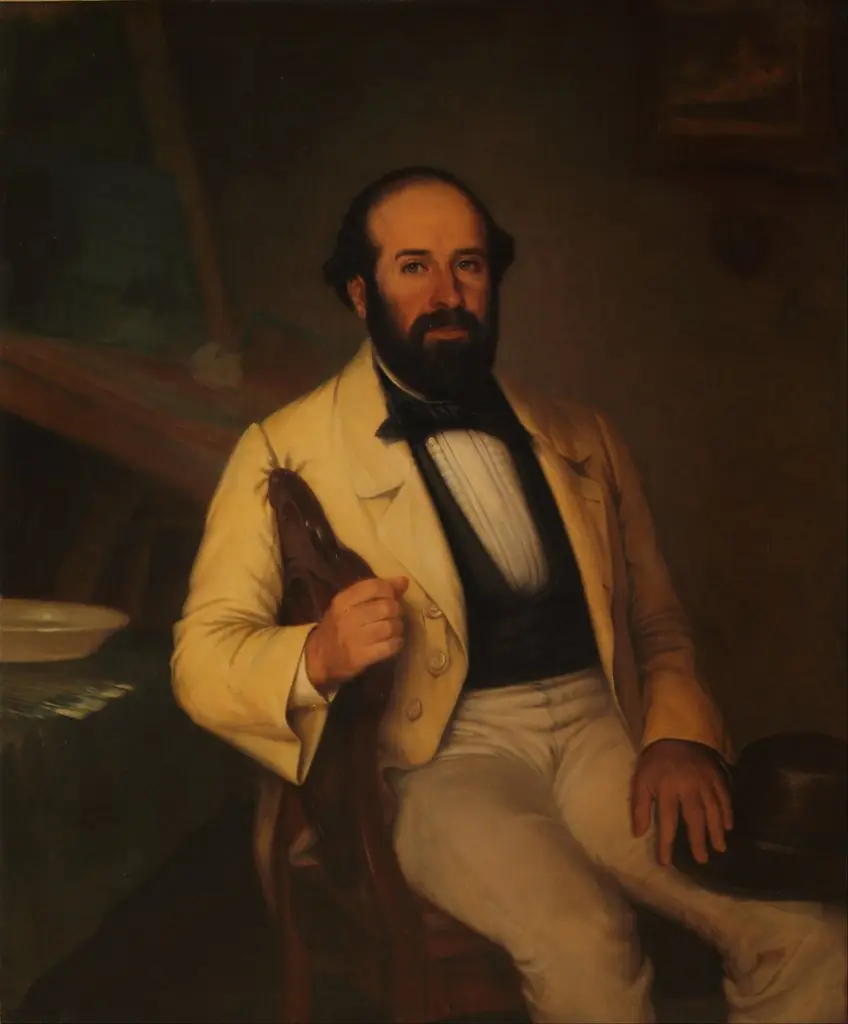 Retrato de Santiago Calzadilla
 Moritz Guist
 Don Ignacio Cecilio Algara Gómez de la Casa
 Portrait of a man with grey side-whiskers
 Joseph W. Drexel
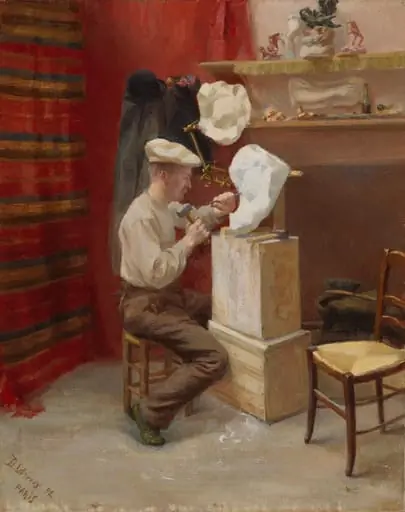 Emil Wikström ateljeessaan Pariisissa