Artwork
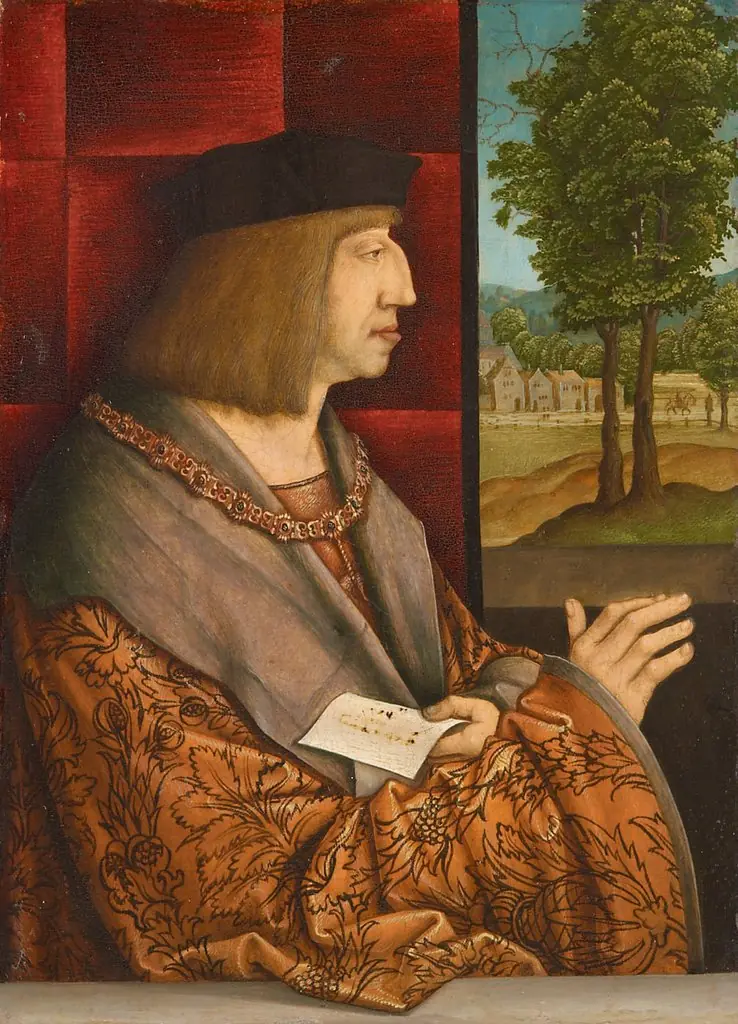
König Ferdinand II. (1452-1516) von Aragon
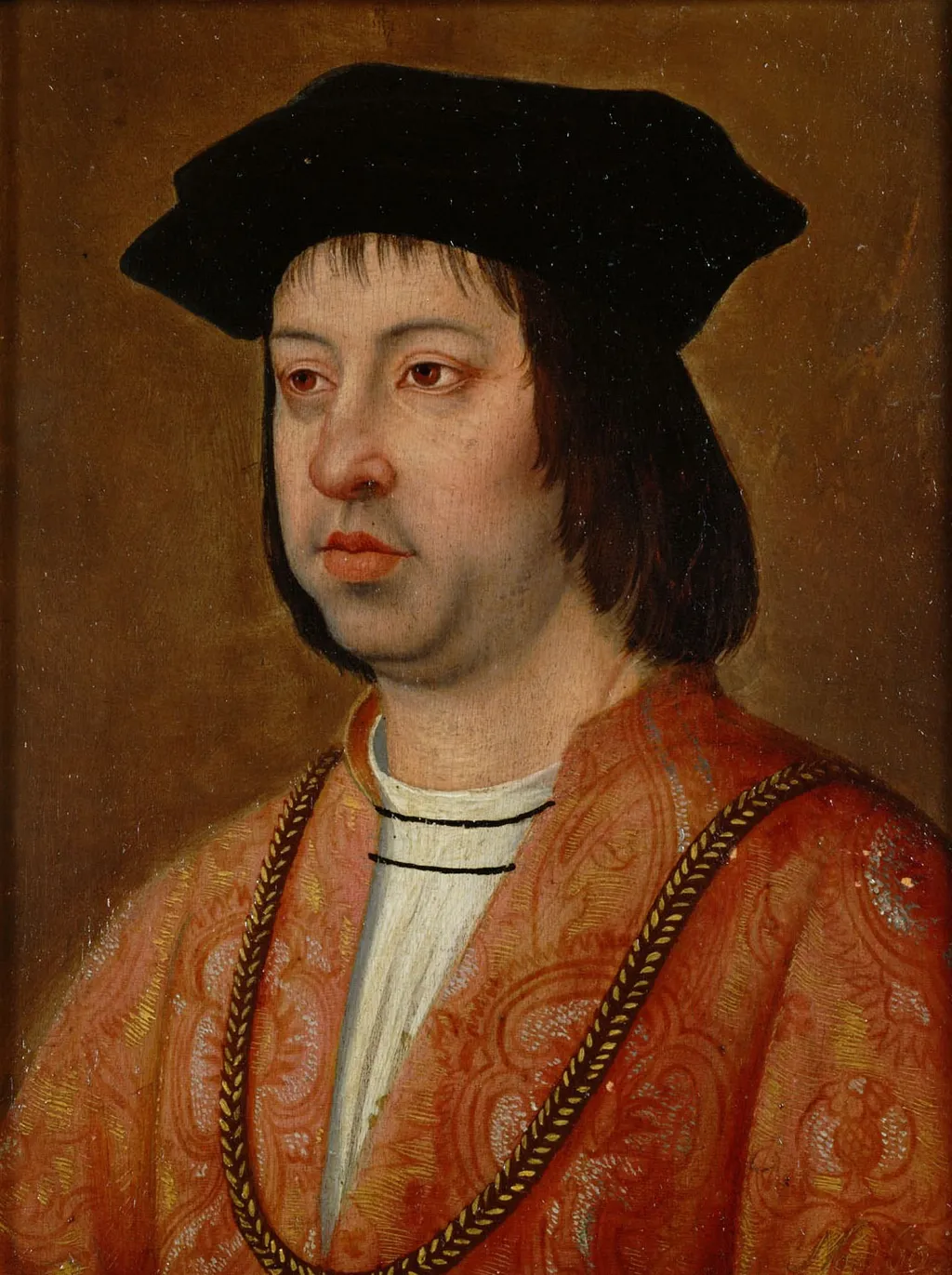
König Ferdinand II. (1452-1516) von Aragon is an oil painting by Unknown. It is held in the collection of the Kunsthistorisches Museum. This oil painting portrays Ferdinand II of Aragon, ruler of Spain during the late 15th and early 16th centuries.
About this work
Overview
Executed with careful attention to detail, the work presents him in formal court attire, reflecting his status as a monarch.
This oil painting portrays Ferdinand II of Aragon, ruler of Spain during the late 15th and early 16th centuries. Executed with careful attention to detail, the work presents him in formal court attire, reflecting his status as a monarch. The warm brown background and restrained palette emphasize the subject without distraction, typical of portraiture from this period aimed at conveying authority rather than emotion.
Subject & Meaning
Ferdinand II is depicted in a black hat and rich red robe over a white shirt, garments associated with royal dignity and political power. The absence of symbolic objects or elaborate settings directs focus to his presence and demeanor. The portrait functions as a visual assertion of legitimacy and control, aligning with the political climate of a newly unified Spain under his and Isabella’s rule.
Technique & Style
The artist employed oil paint to achieve fine gradations in fabric texture and subtle shifts in light across the surface of the robe and hat. The rendering of the shirt’s lace collar and the hat’s brim demonstrates a high degree of technical precision. The composition is frontal and symmetrical, emphasizing formality and permanence, characteristic of court portraiture in the Iberian Peninsula at the time.
History & Provenance
The painting likely originated in the Spanish royal court, possibly commissioned to commemorate Ferdinand’s role in the unification of Spain. Its survival suggests it remained within noble or institutional collections, though its exact early provenance remains undocumented. Later records place it in European collections by the 18th century, where it was recognized as a representation of a key Renaissance monarch.
Context
Created during the height of the Spanish Reconquista and the early years of overseas expansion, this portrait reflects the consolidation of monarchical power. Ferdinand’s image was circulated to reinforce his authority domestically and internationally. The style aligns with contemporary Flemish and Italian influences, showing how Spanish court art absorbed broader European trends while maintaining its own formal conventions.
Legacy
The portrait remains a primary visual source for understanding how Spanish royalty presented themselves in the transition from medieval to early modern rule. It contributes to scholarly study of royal iconography and the role of portraiture in statecraft. Though not widely reproduced today, it holds value as a documented artifact of early Habsburg-era Spanish identity.
Artist & collection

 Domestic Scene
 Giacomo and Cardinal Marco, investing Andrea, Abbot of San Zeno, with his Benefice
 The Nymph of Fontainebleau
 Portrait of a Woman
 Madonna and Child with Saints in the Enclosed Garden
 Venus and Minerva
 Family Group of Four on Sofa
 Wall painting from Room H of the Villa of P. Fannius Synistor at Boscoreale
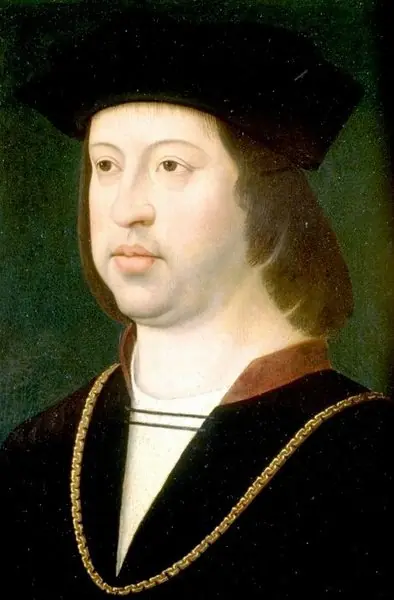 King Ferdinand the Catholic
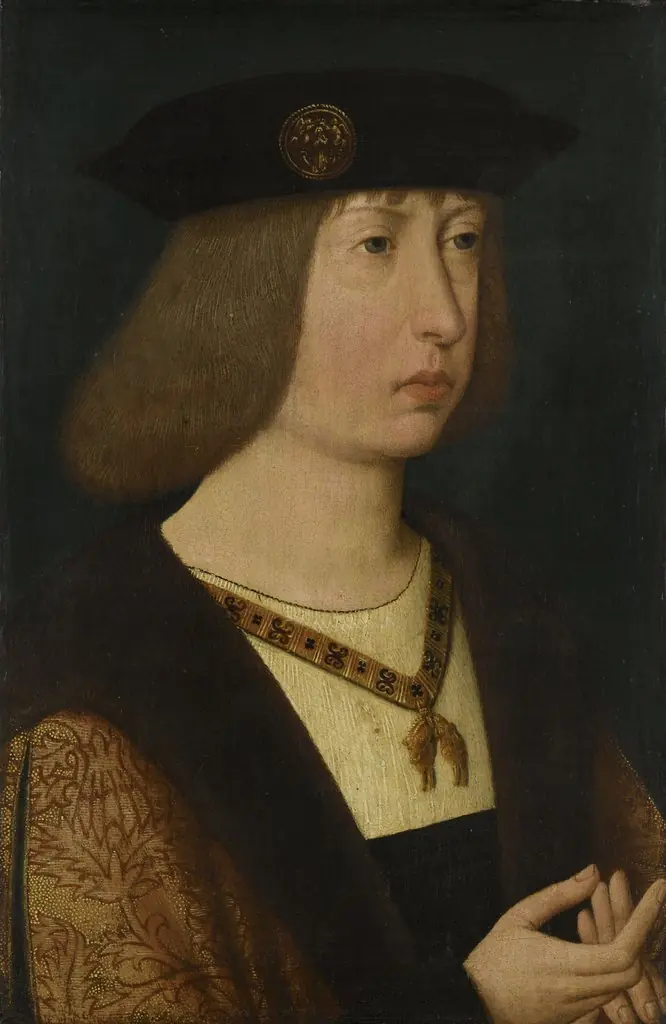 Portrait of Philipp I
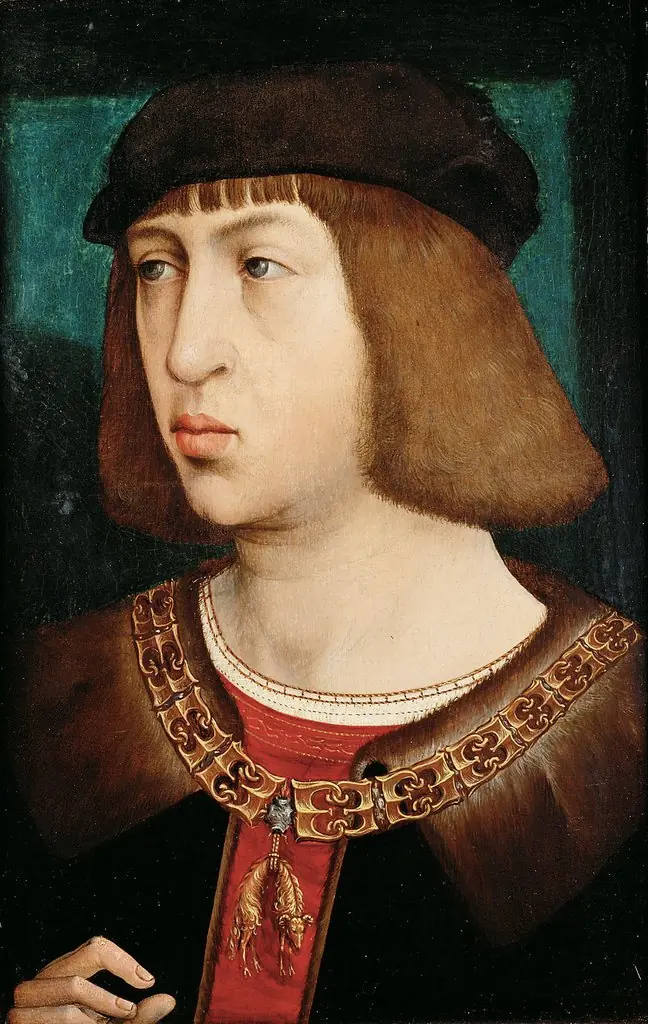 Philip the Handsome (1478-1506)
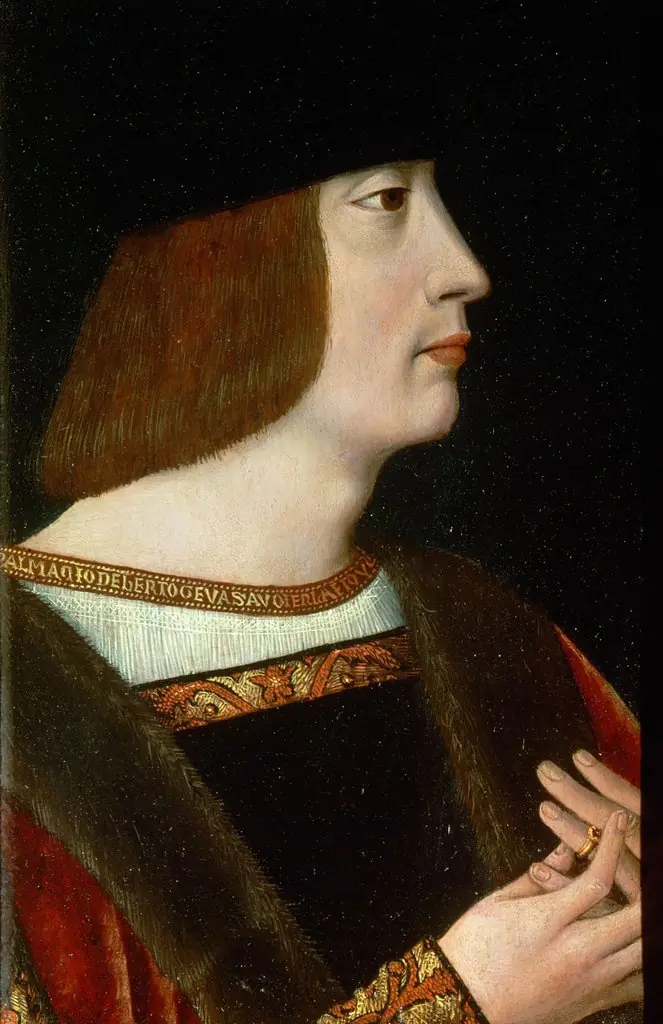 Herzog Philibert II. von Savoyen (1480-1504), Brustbild
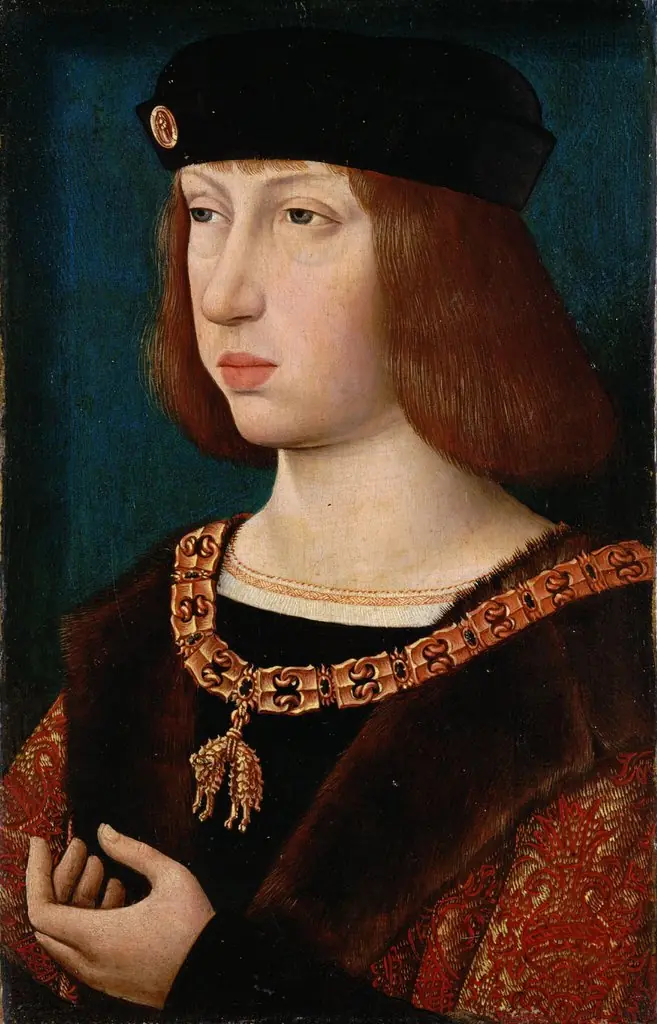 Portrait of Philips 'de Schone' van Habsburg (1478-1506)
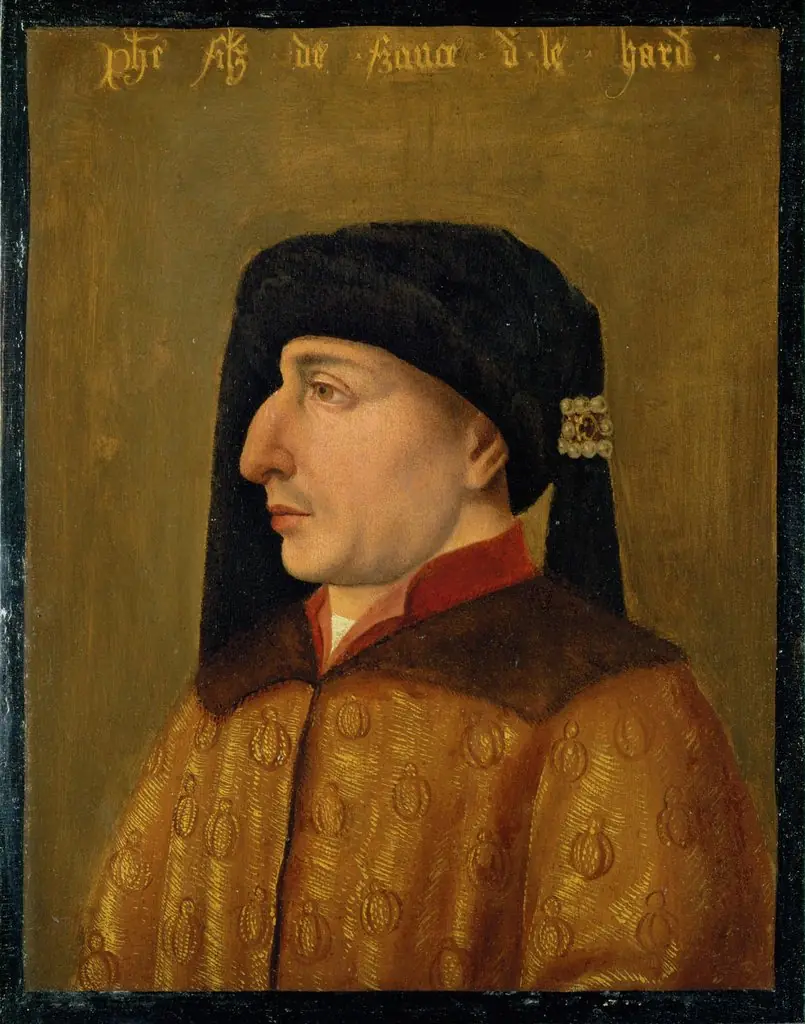 Herzog Philipp der Kühne (1342-1404) von Burgund im Profil
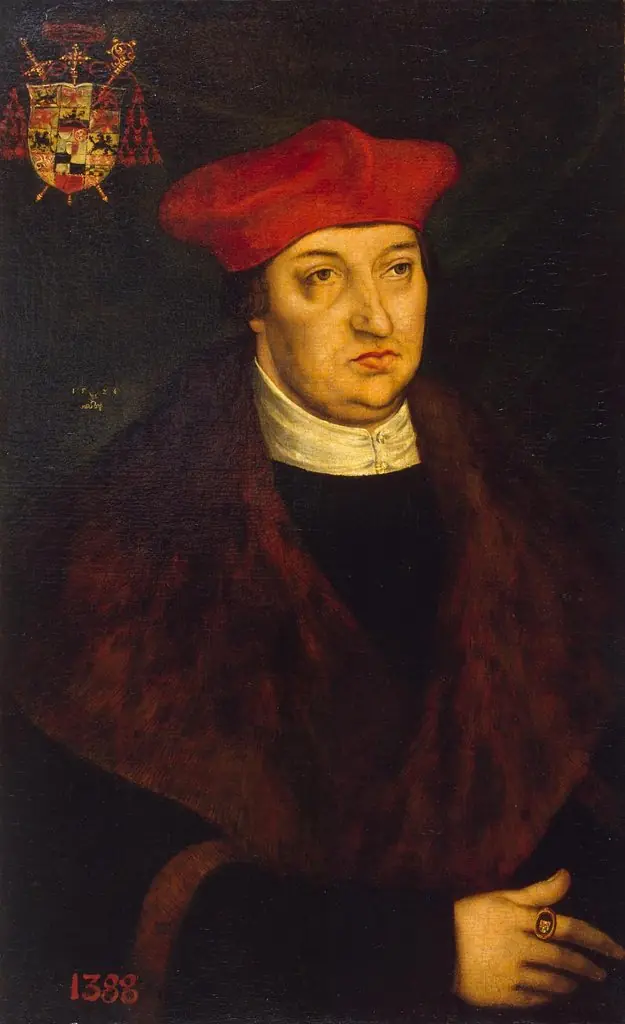 Portrait of Cardinal Albert of Brandenburg
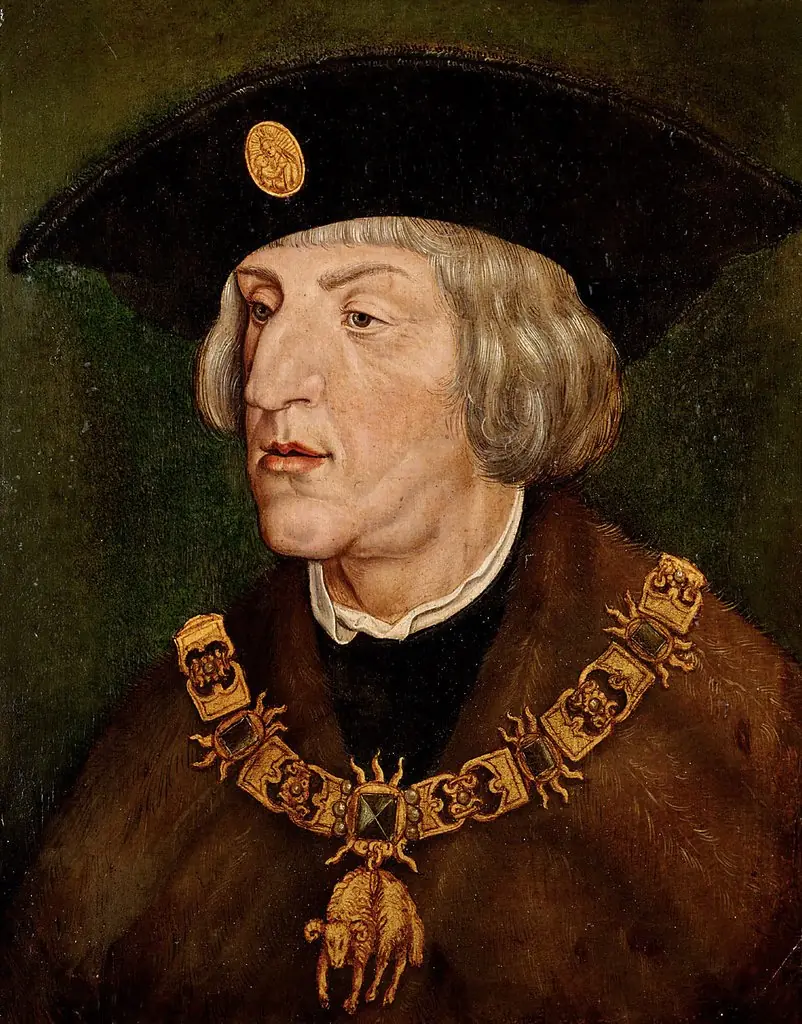 Maximilian I. (1459-1519), Brustbild
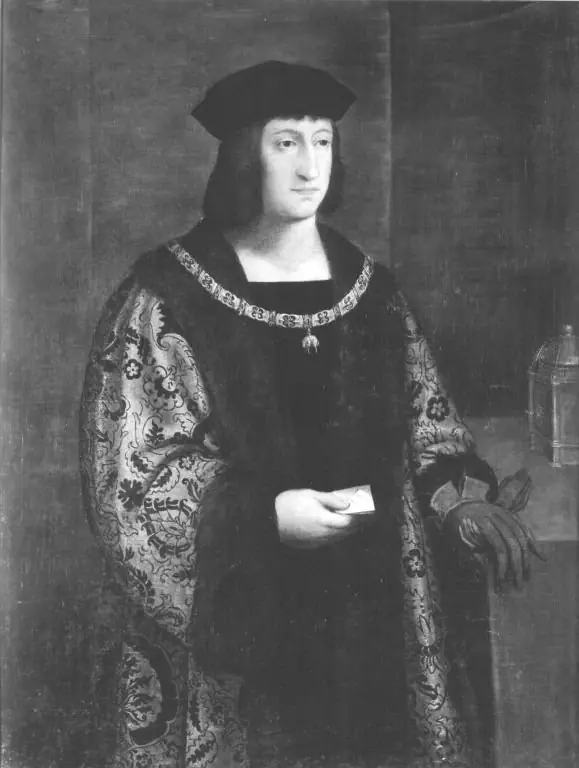 Bildnis eines jungen Fürsten (Kaiser Maximilian? Ferdinand?) (Kopie nach)
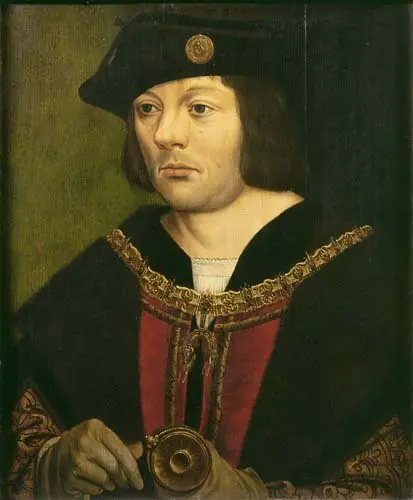 Portrait of William of Croÿ, lord of Chièvres
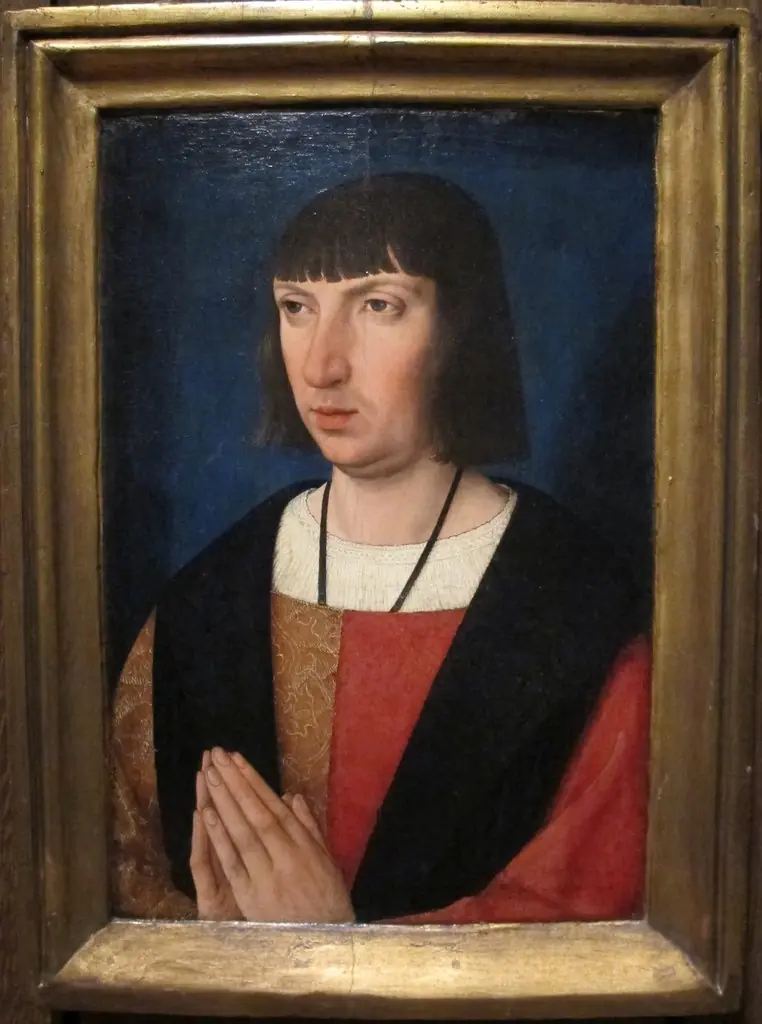 Portrait of a Man Praying
 Portrait of Maximilian I (1459-1519)