Artwork
King Ferdinand the Catholic
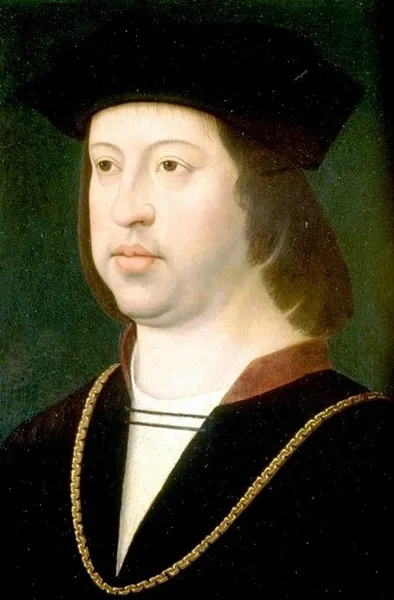
King Ferdinand the Catholic is a paint painting by the Early Baroque Italian artist Master of the Legend of the Magdalene. It is held in the collection of the Gemäldegalerie Berlin. Painted circa 1550, this portrait depicts Ferdinand II of Aragon, known as Ferdinand the Catholic.
About this work
Overview
It resides in the Gemäldegalerie, Berlin, as part of its collection of Northern Renaissance portraiture.
Painted circa 1550, this portrait depicts Ferdinand II of Aragon, known as Ferdinand the Catholic. Though traditionally attributed to the Master of the Legend of the Magdalen, an anonymous Early Netherlandish painter active in the late 15th and early 16th centuries, the work’s date and style suggest it may be a later imitation or workshop production. It resides in the Gemäldegalerie, Berlin, as part of its collection of Northern Renaissance portraiture.
Subject & Meaning
Ferdinand the Catholic, co-ruler of Spain with Isabella I, is portrayed in formal attire befitting his royal status. His serious gaze and restrained posture convey authority and gravitas, typical of Renaissance portraiture meant to project political legitimacy. The absence of overt symbols of power—such as crowns or scepters—emphasizes dignity over spectacle, aligning with the era’s preference for understated royal representation.
Technique & Style
The painting employs fine brushwork to render textures of fabric, particularly the gold embroidery on the black robe and the crisp linen of the shirt. The dark green background isolates the figure, enhancing three-dimensionality through subtle chiaroscuro. While the detailed rendering suggests Northern European influence, the composition’s simplicity and frontal pose reflect Italian portraiture conventions of the mid-16th century.
History & Provenance
The painting entered the Gemäldegalerie Berlin’s collection in the 19th century, though its earlier ownership remains undocumented. Its attribution to the Master of the Legend of the Magdalen is tentative, based on stylistic parallels with known works, though the later date of execution challenges direct association. It may have been produced by a follower or in a region influenced by Netherlandish techniques.
Context
Created decades after Ferdinand’s death, the portrait likely served as a commemorative image, circulating among European courts or institutions seeking to reinforce dynastic memory. While Netherlandish artists dominated portraiture in the early 1500s, by mid-century, Italian and Spanish patrons increasingly favored more austere, monumental styles—this work bridges those traditions in its restrained realism.
Legacy
The painting contributes to the understanding of how Northern European techniques were adapted in Southern Europe during the transition from Renaissance to Baroque. Though not by a named master, its craftsmanship reflects the widespread dissemination of Flemish methods. It remains a quiet testament to the enduring visual language of early modern European rulership.
Artist & collection
Artist
Master of the Legend of the Magdalene
The Master of the Legend of the Magdalen (sometimes called the Master of the Magdalen Legend) was an Early Netherlandish painter active from circa 1483 to 1527.

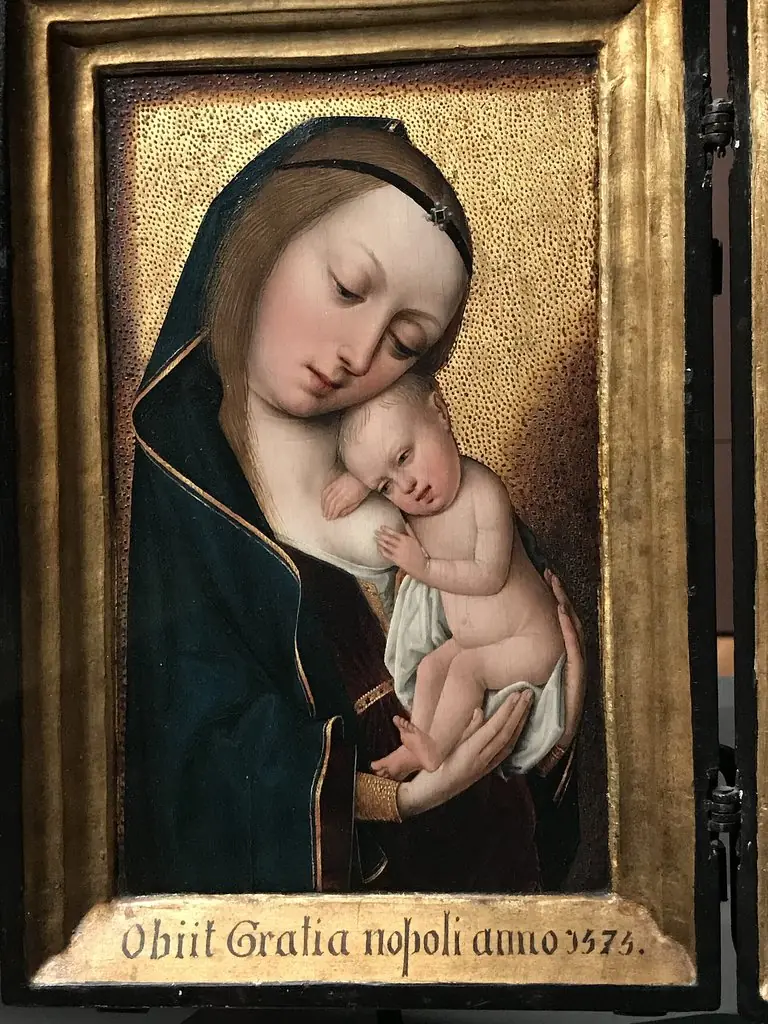 Madonna and Child
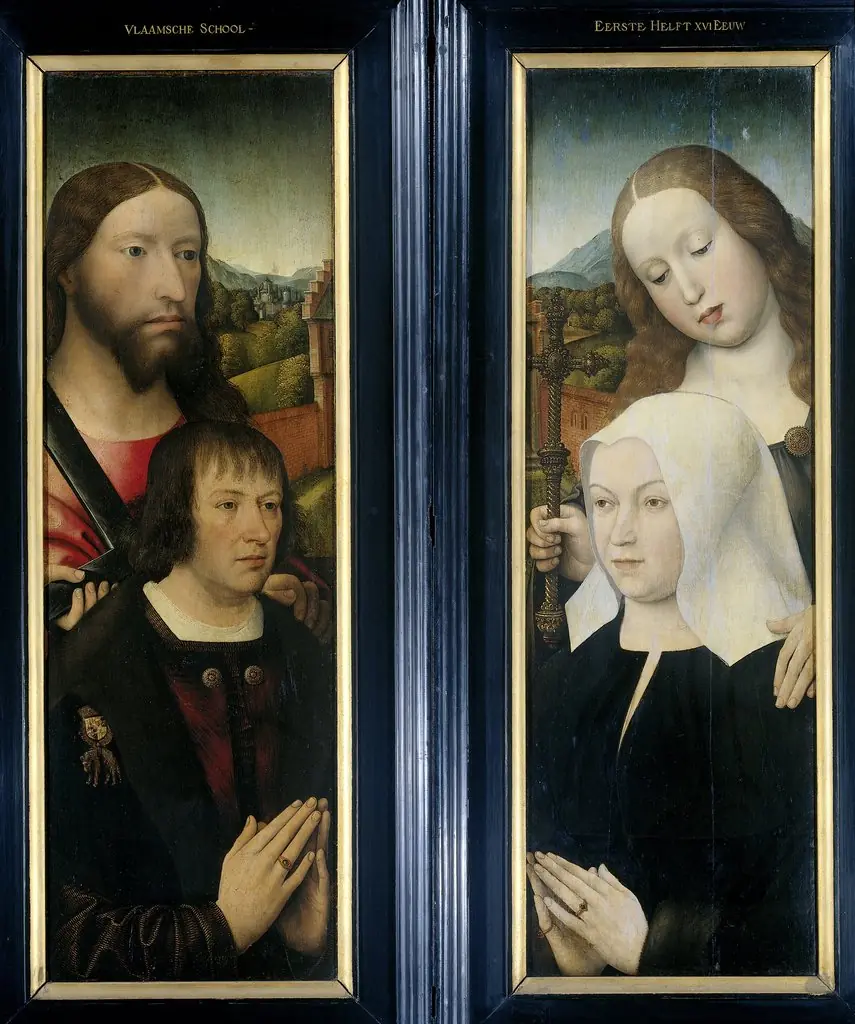 Two Wings of a Triptych with the Donor, Thomas Isaacq, accompanied by Saint Thomas (left, outer wing), and the Donor's Wife accompanied by Saint Margaret (right, outer wing)
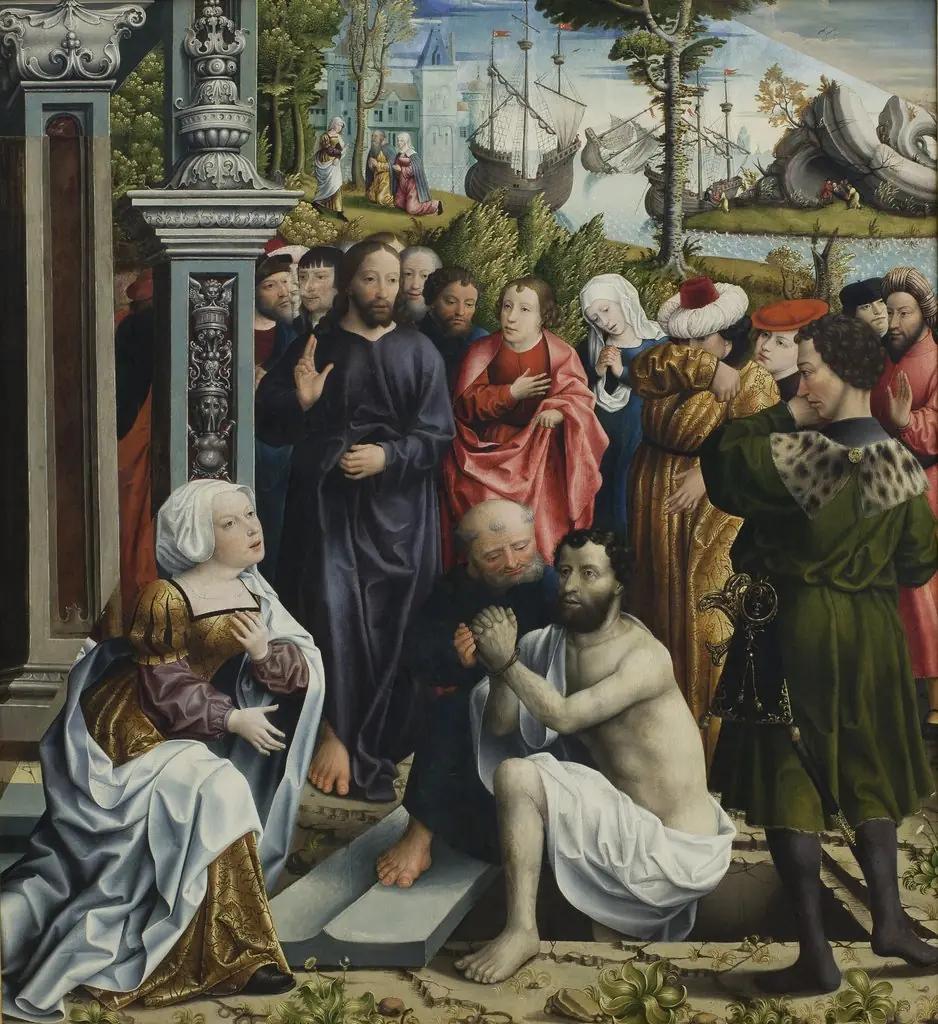 The Raising of Lazarus
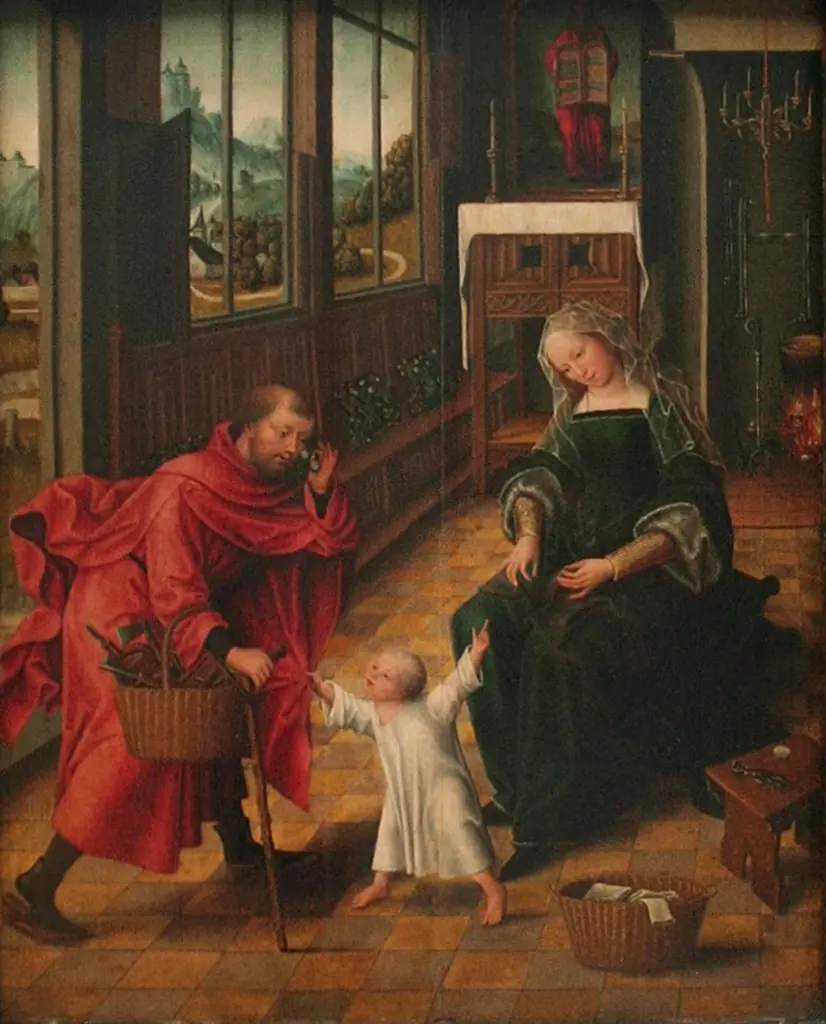 The Holy Family
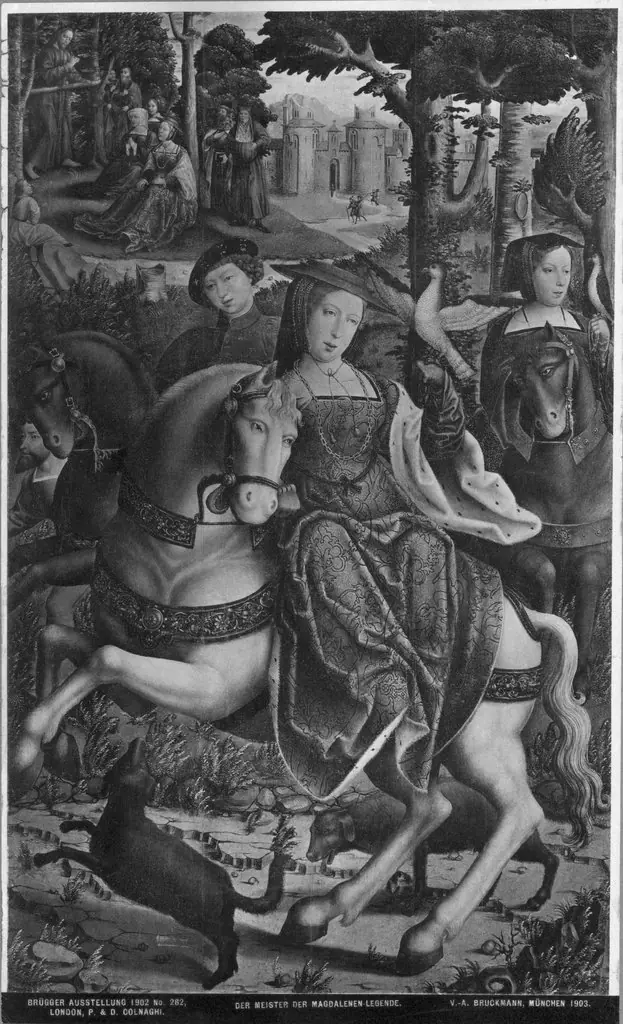 St. Mary Magdalene hunting before her conversion
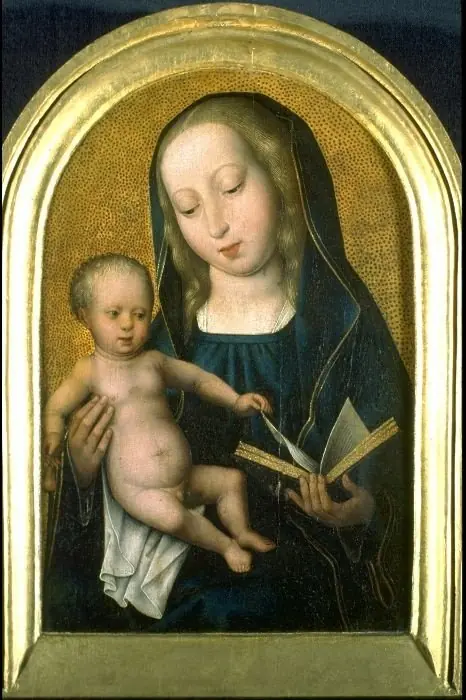 Maria met kind
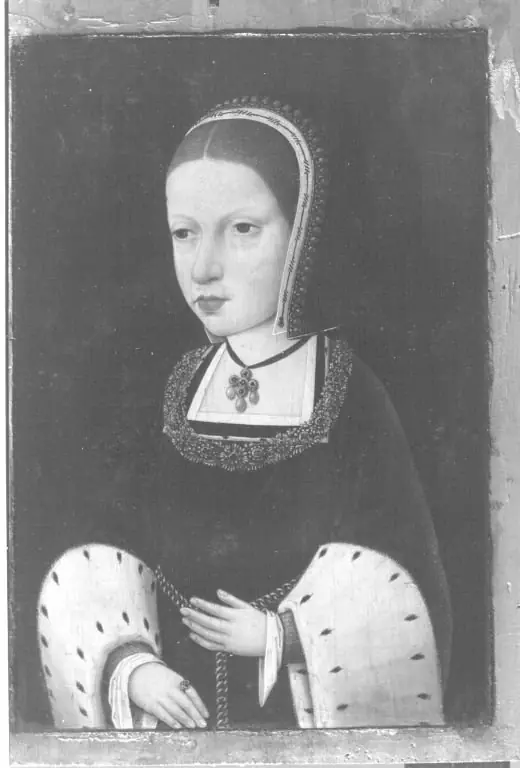 Bildnis einer jugendlichen Fürstin
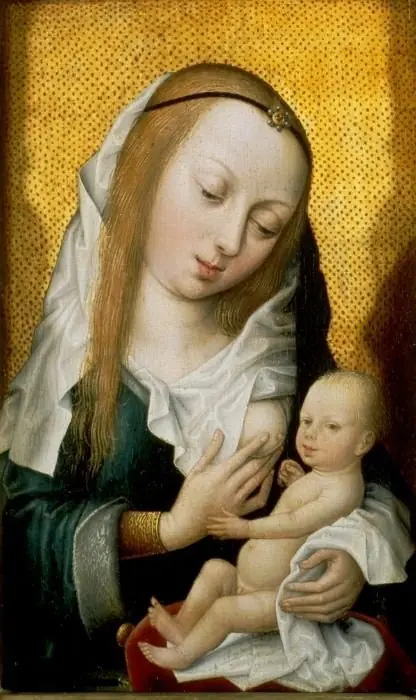 Maria mit dem Kind
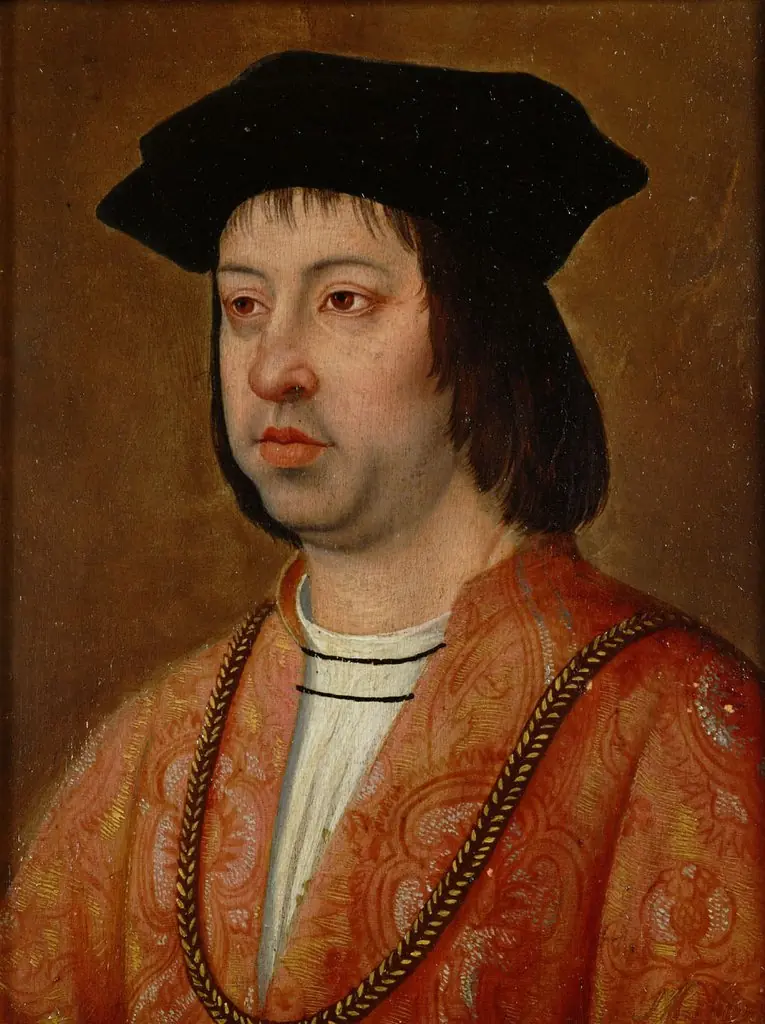 König Ferdinand II. (1452-1516) von Aragon
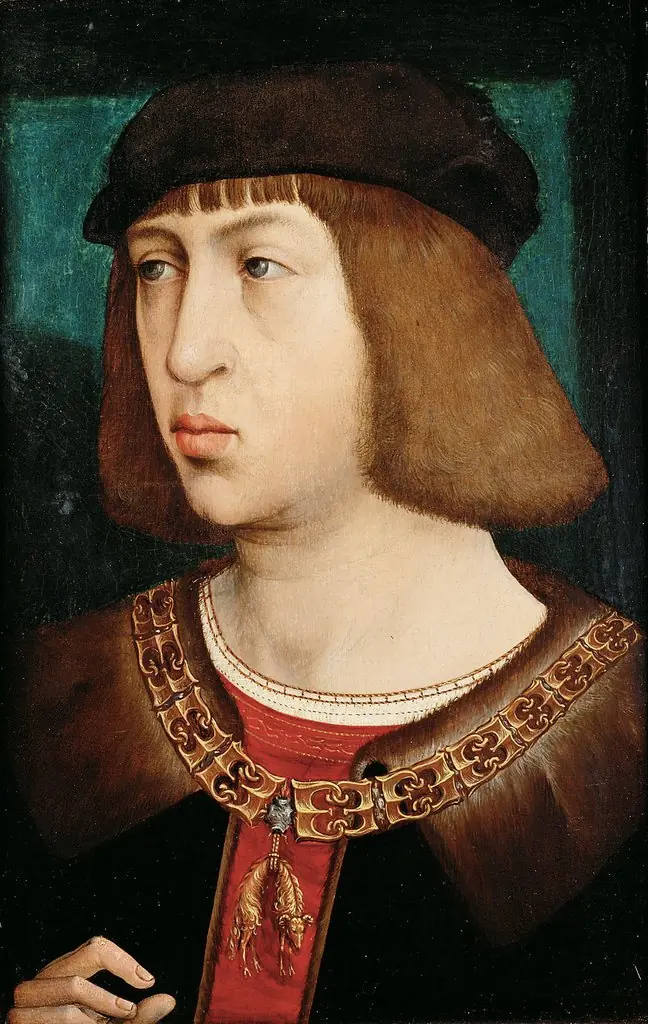 Philip the Handsome (1478-1506)
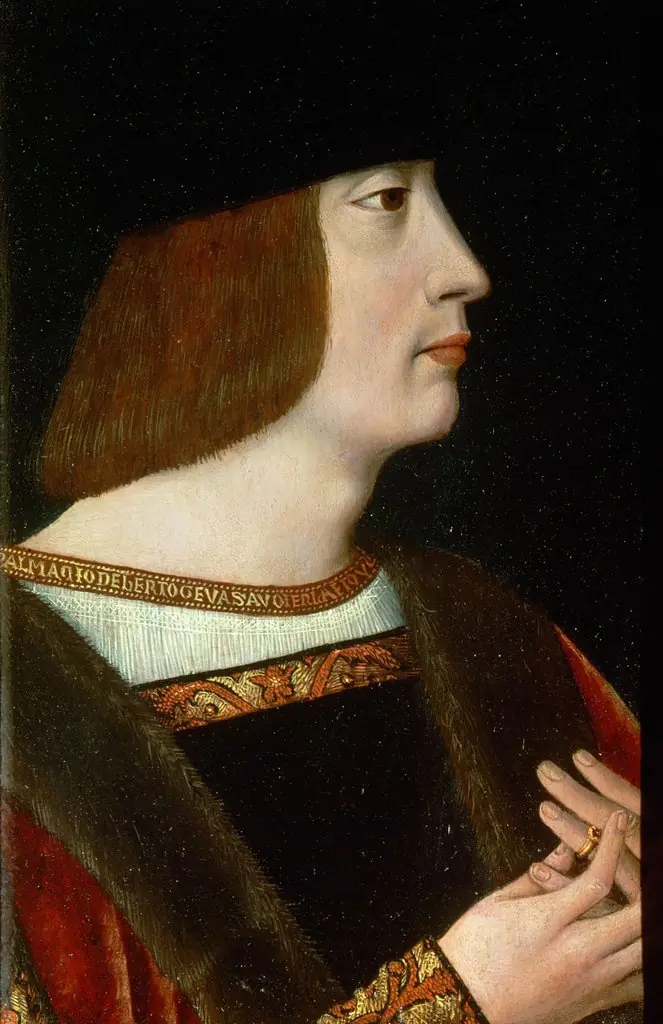 Herzog Philibert II. von Savoyen (1480-1504), Brustbild
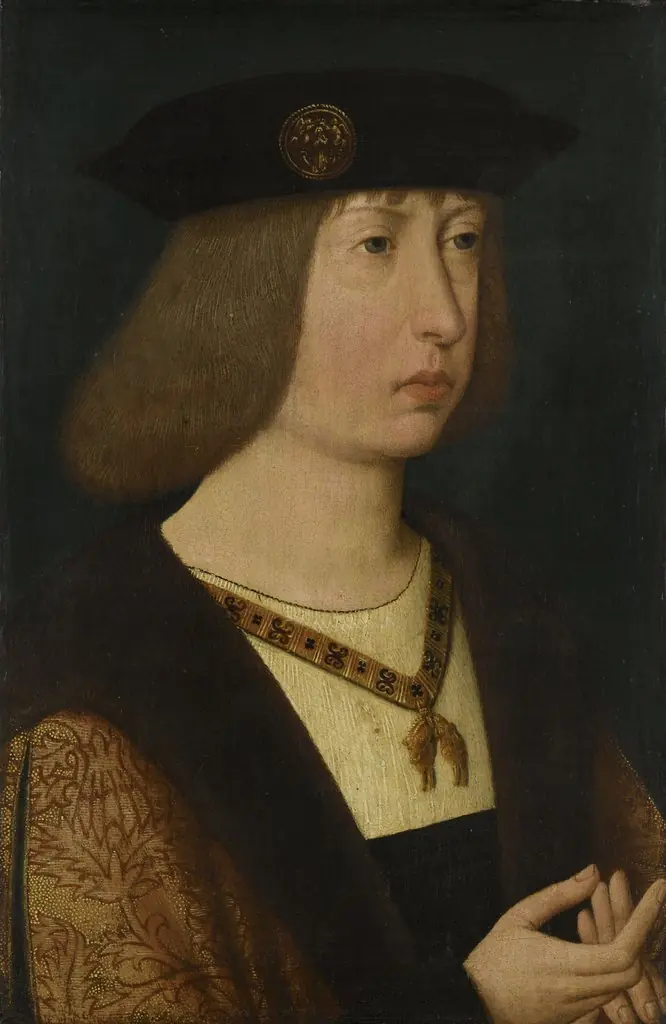 Portrait of Philipp I
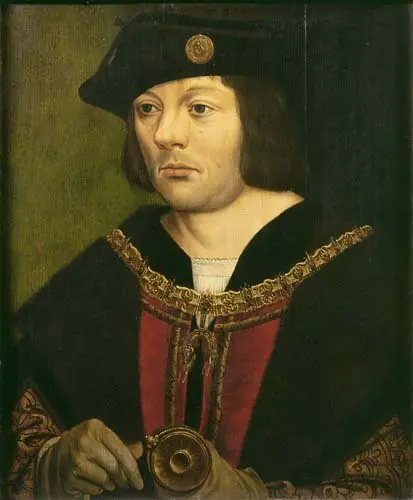 Portrait of William of Croÿ, lord of Chièvres
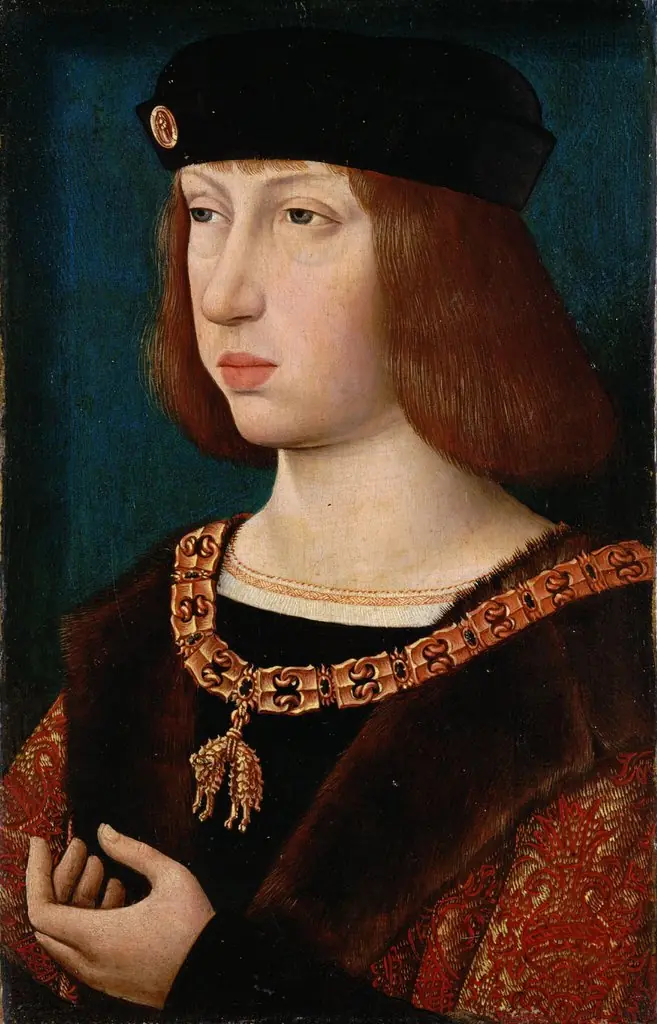 Portrait of Philips 'de Schone' van Habsburg (1478-1506)
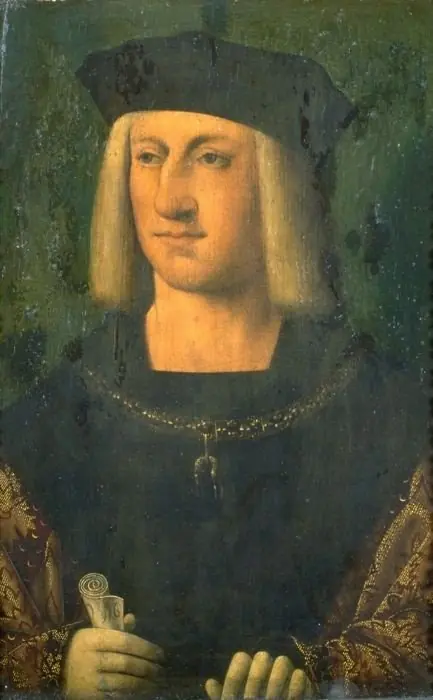 Kaiser Maximilian I. (1459-1519)
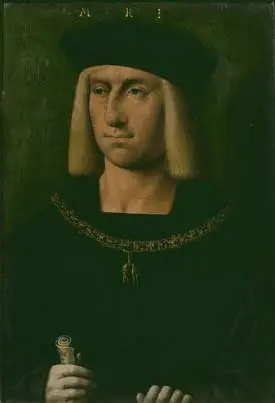 Portrait of Maximiliaan I (1459-1519), Keizer van het Heilige Roomse Rijk 1493-1519
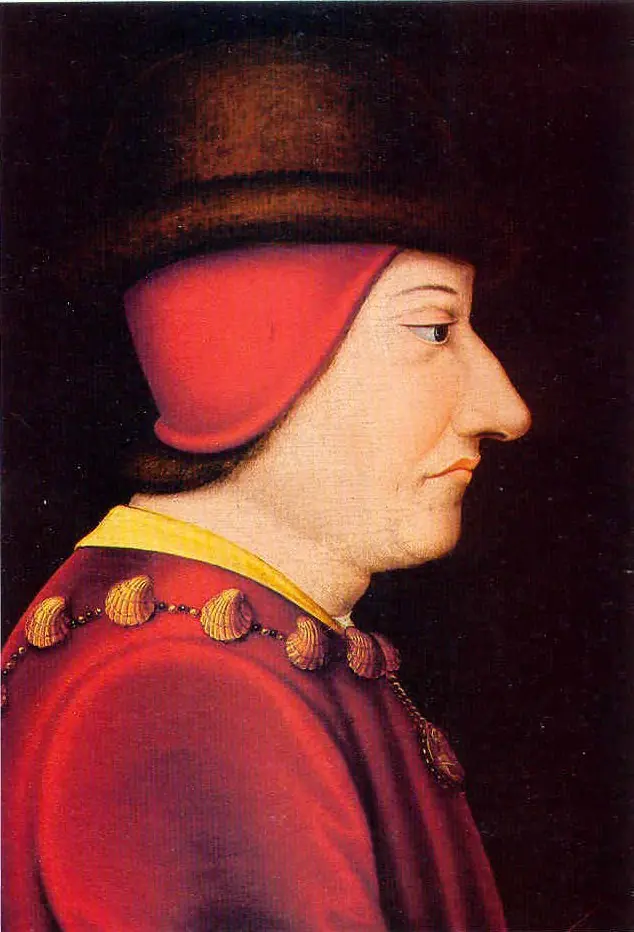 Portrait of Louis XI
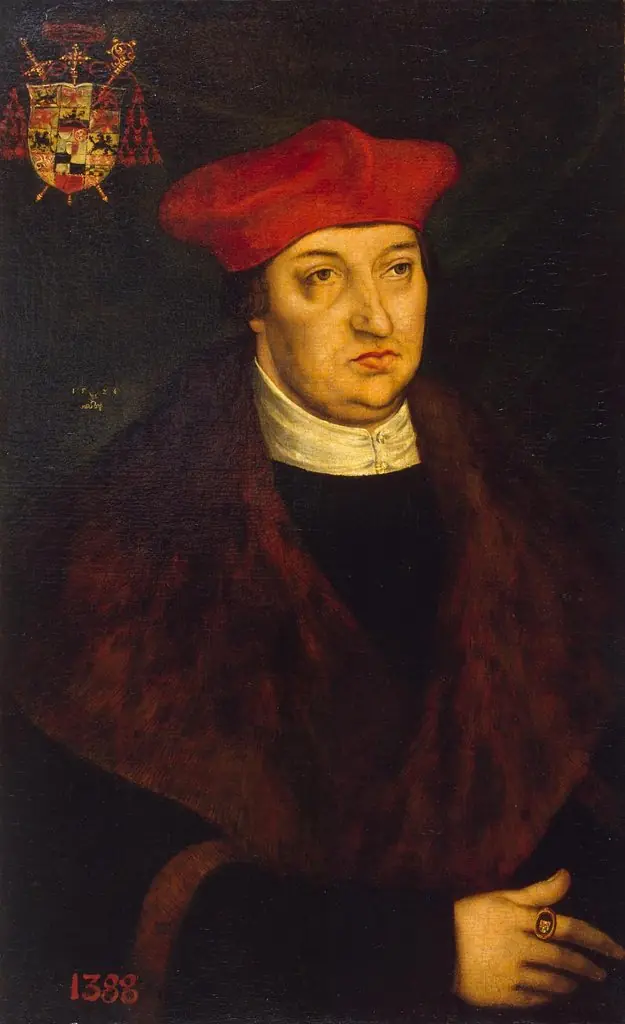 Portrait of Cardinal Albert of Brandenburg
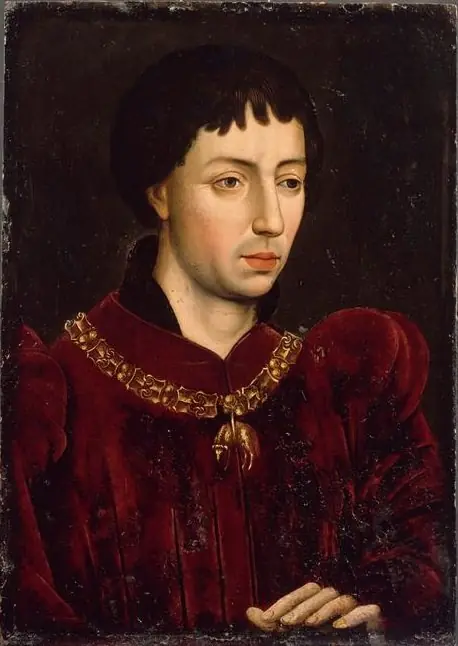 Charles le Téméraire
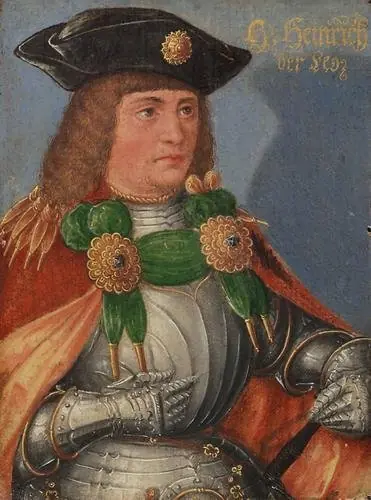 Heinrich the Lion, Duke, grandson of Heinrich the Black, died 1195