Artwork
Unknown sitter
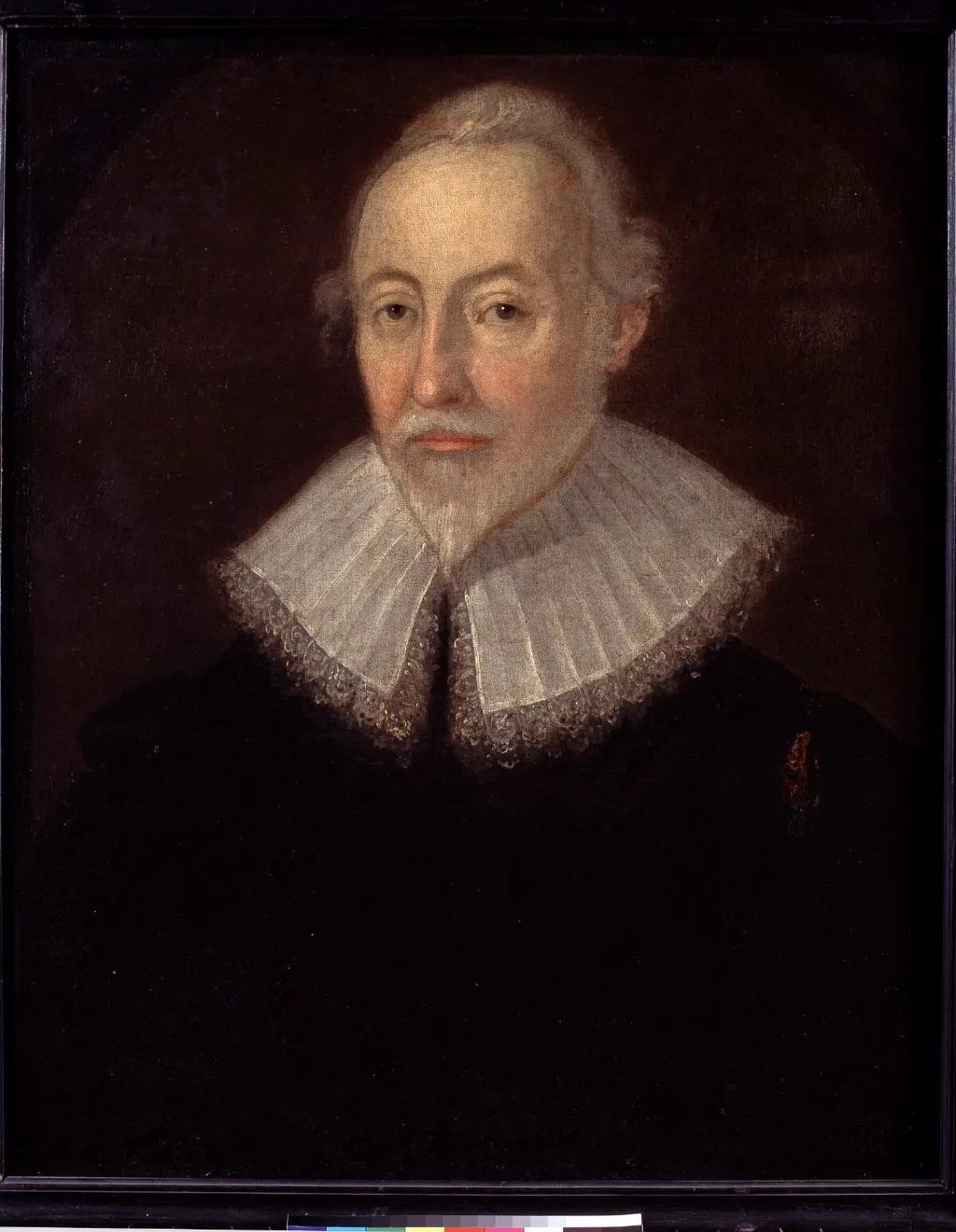
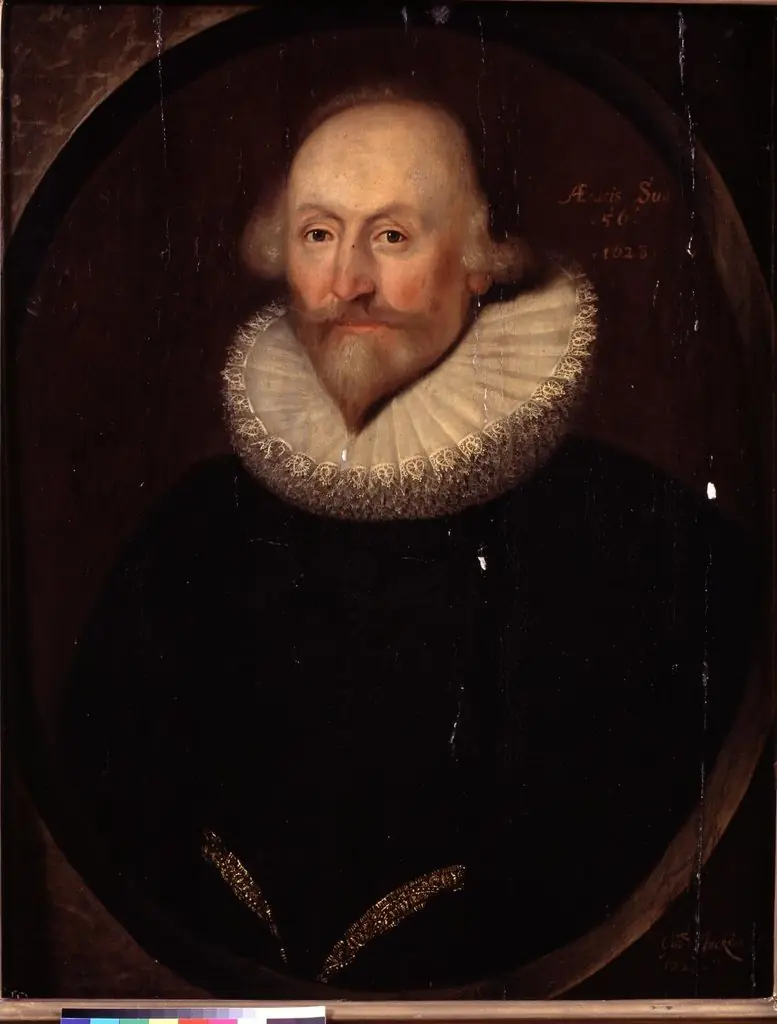
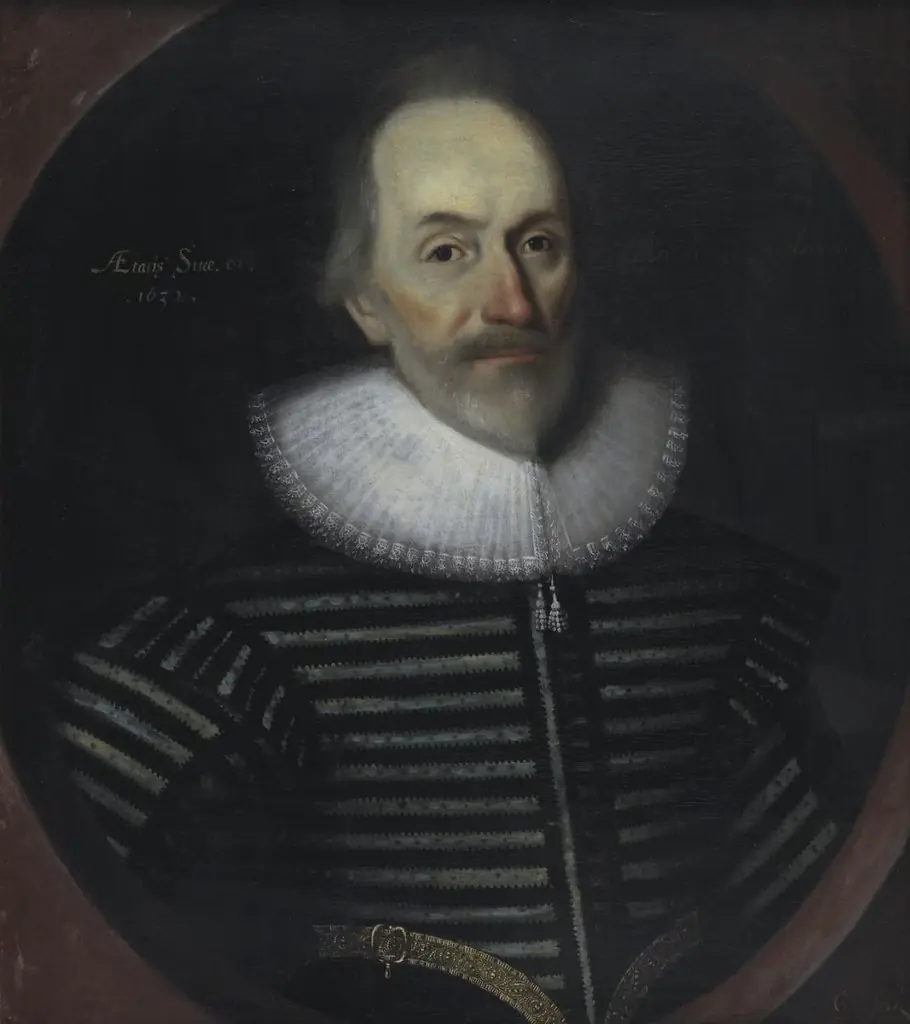
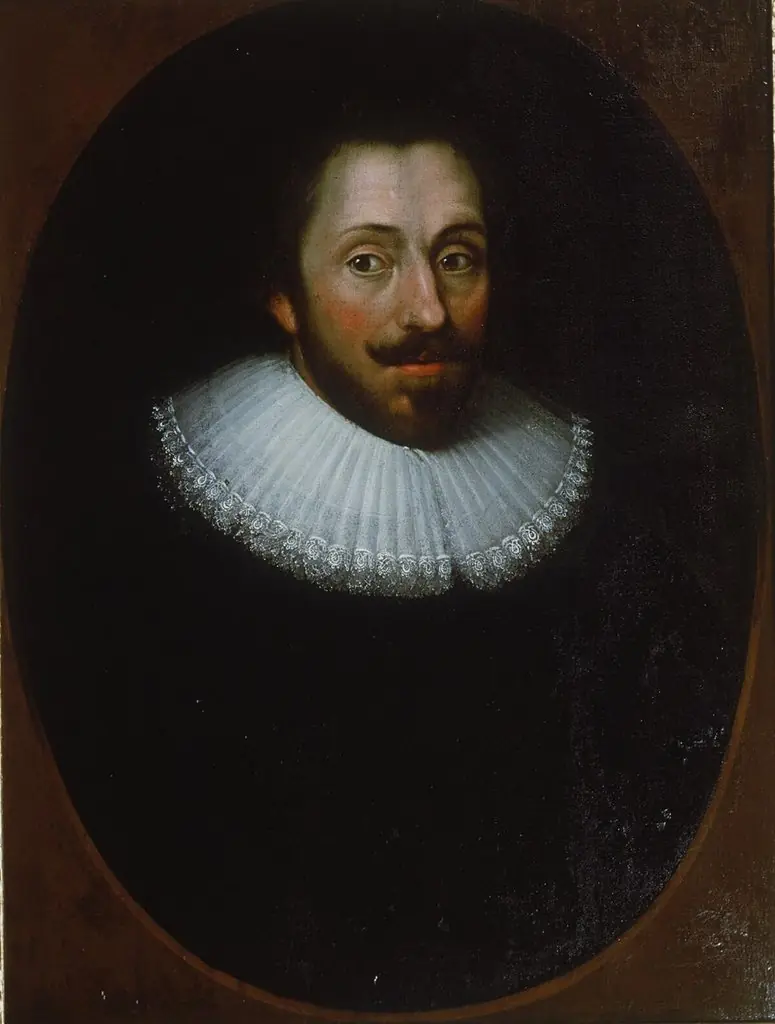
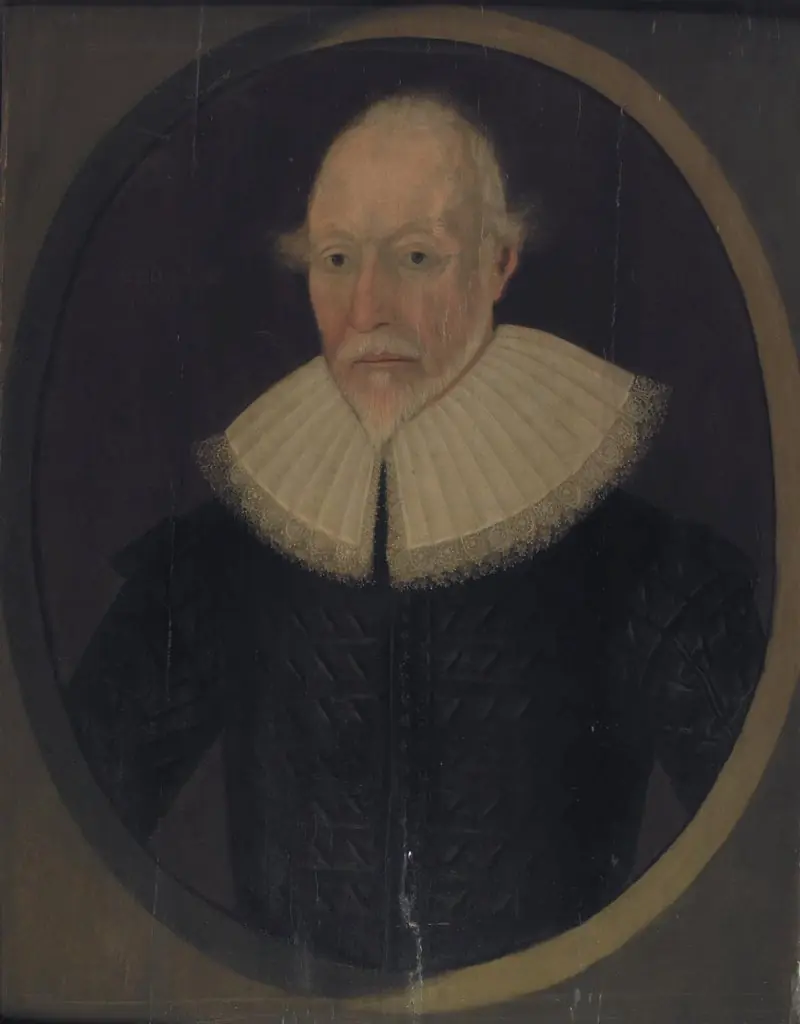
Unknown sitter is an oil painting by the Flemish Baroque painting artist Unknown. It dates from 1630 and is held in the collection of the National Library of Wales.
About this work
Overview
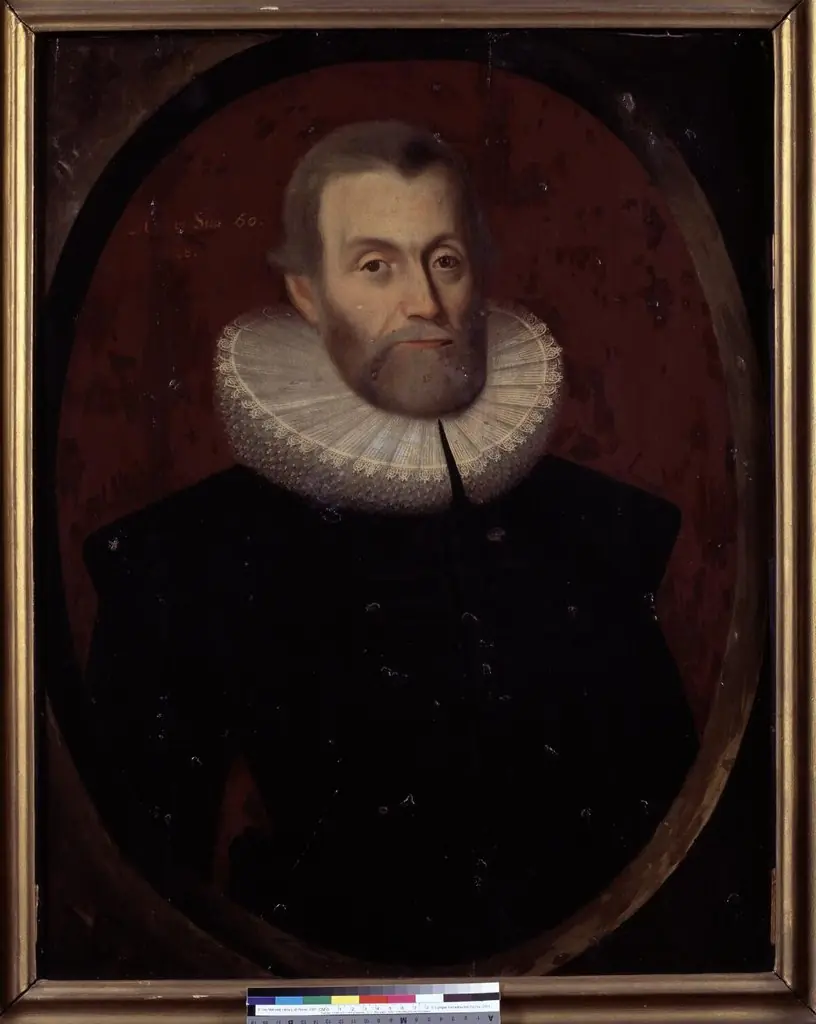
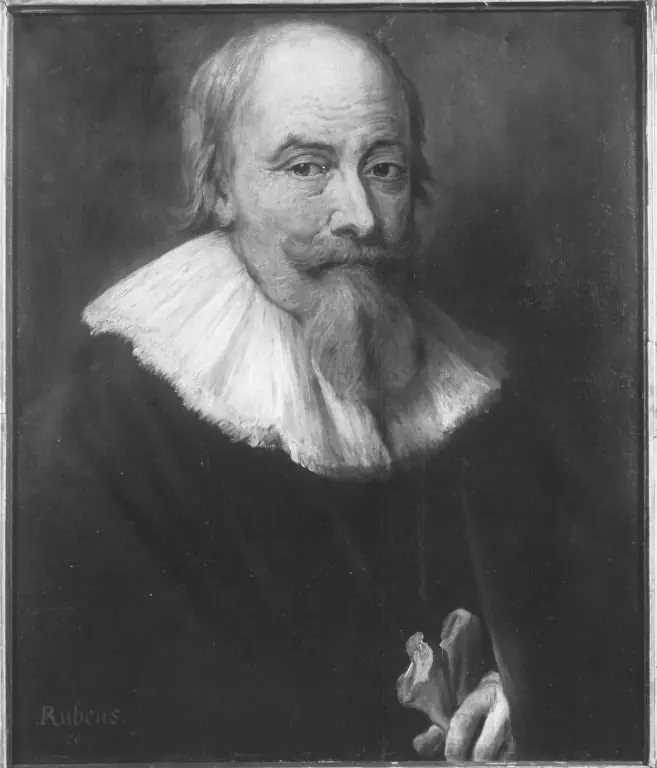
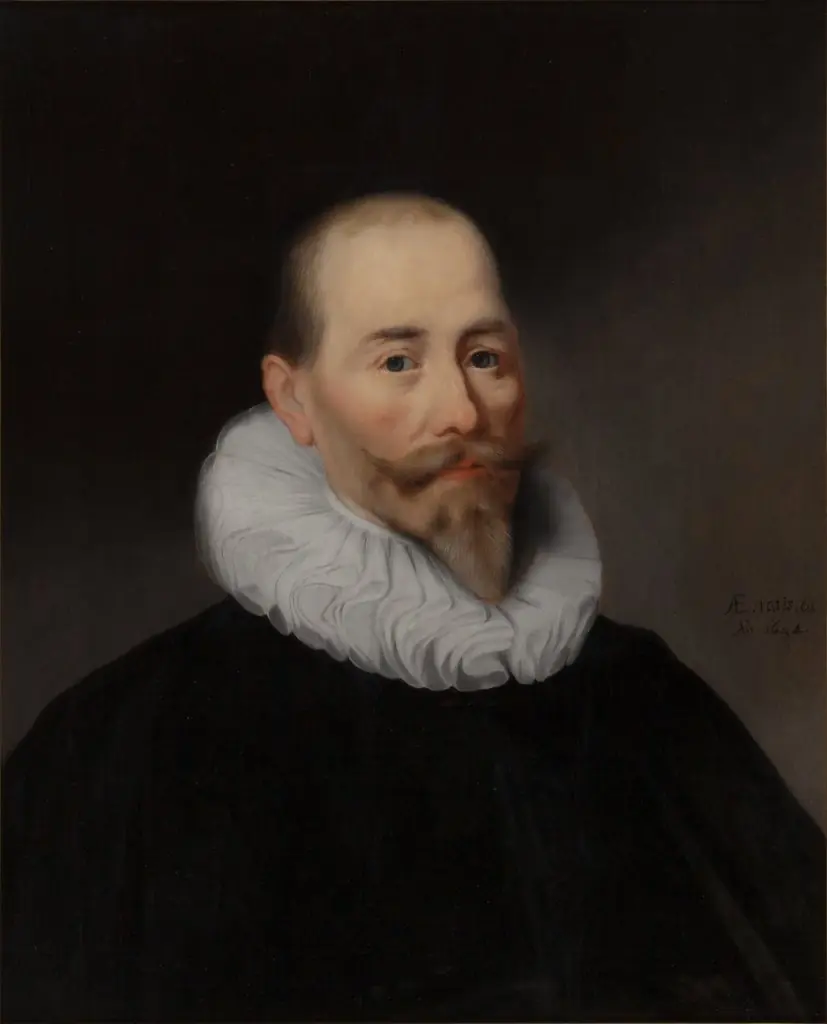
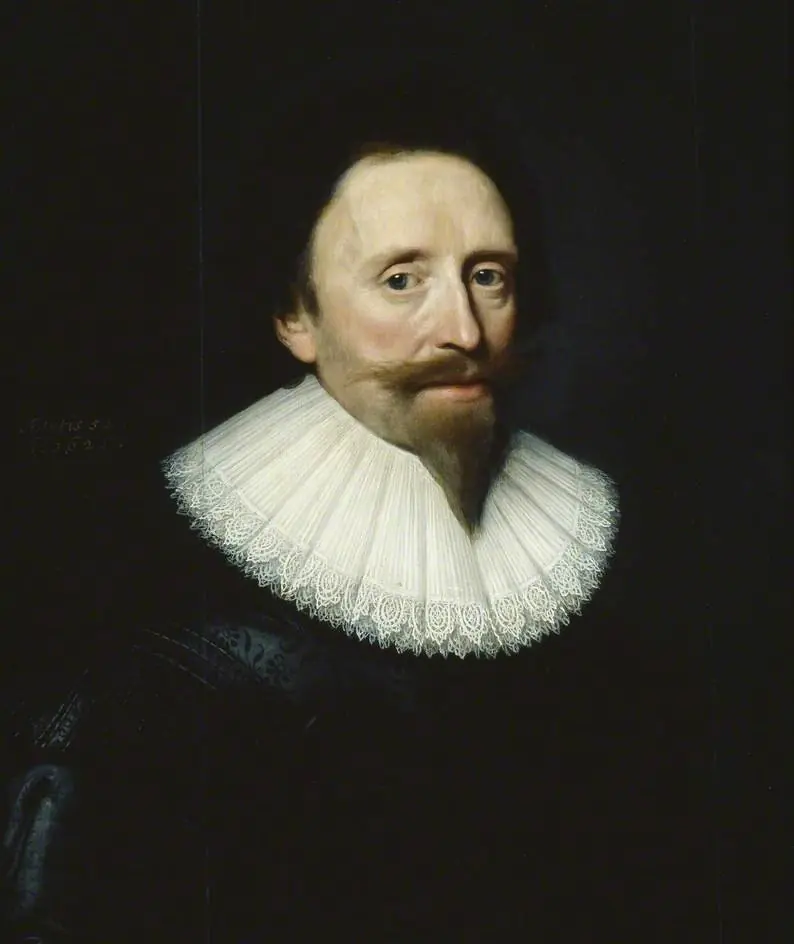
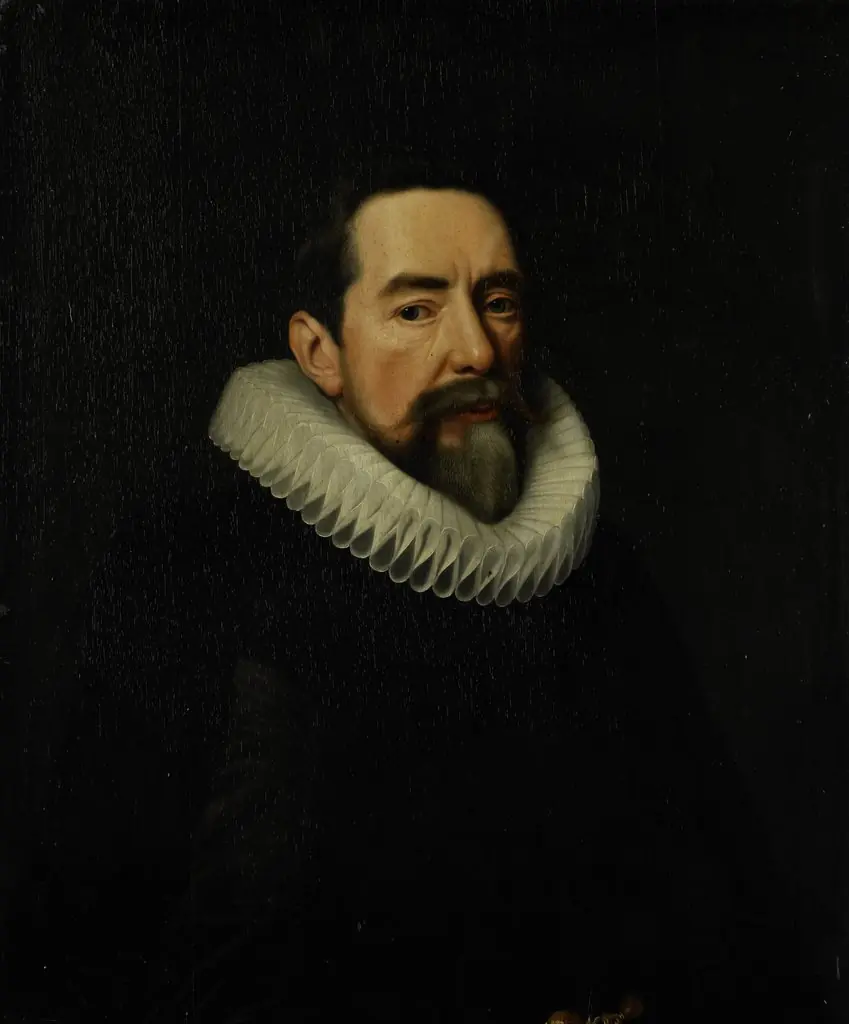
This oil painting depicts a man seated against a deep, unbroken background, his form rendered with subtle lighting to emphasize volume and presence.
This oil painting depicts a man seated against a deep, unbroken background, his form rendered with subtle lighting to emphasize volume and presence. The composition centers on his face, isolated from any contextual details, drawing attention to his demeanor. The technique relies on controlled contrasts between light and shadow, a hallmark of early modern portraiture. No identifying marks or inscriptions accompany the work, leaving the subject's identity unresolved.
Subject & Meaning
The figure is portrayed with quiet composure, his gaze directed slightly away from the viewer, suggesting inward reflection rather than engagement. His attire—a high white collar against dark garments—hints at a modest social standing, possibly clerical or scholarly. The absence of symbols or props reinforces an emphasis on psychological presence over status. The calm expression invites contemplation, aligning the portrait with traditions of introspective character study.
Technique & Style
The artist employs chiaroscuro to model the face and hands with soft gradations of light, creating a three-dimensional effect against the flat, dark ground. Brushwork is restrained, with smooth transitions between tones and minimal visible texture. The dark background eliminates spatial cues, focusing attention entirely on the figure’s form and expression. The palette is limited to earth tones and white, enhancing the somber, intimate mood of the portrait.
History & Provenance
The painting’s origin and early ownership remain undocumented. It lacks signatures, dates, or archival references that might link it to a known artist or collection. Its survival suggests it was preserved within a private or institutional setting, though no records confirm its path to current custody. The absence of provenance details reflects the common fate of many unattributed portraits from the 16th to 18th centuries.
Context
This portrait aligns with a broader European tradition of intimate, unadorned likenesses produced outside formal court or aristocratic commissions. Similar works emerged in Protestant regions where religious restraint favored subdued expressions and plain dress. The focus on individual presence over external symbols reflects a shift toward psychological realism in portraiture during the late Renaissance and early Baroque periods.
Legacy
Though unattributed and unnamed, the painting contributes to the understanding of how ordinary individuals were rendered with dignity in early modern art. Its quiet intensity has influenced later interpretations of psychological portraiture, particularly in studies of non-elite subjects. It stands as an example of how technical restraint and focused composition can convey depth without narrative or ornamentation.
Artist & collection

 Domestic Scene
 Giacomo and Cardinal Marco, investing Andrea, Abbot of San Zeno, with his Benefice
 The Nymph of Fontainebleau
 Portrait of a Woman
 Madonna and Child with Saints in the Enclosed Garden
 Venus and Minerva
 Family Group of Four on Sofa
 Wall painting from Room H of the Villa of P. Fannius Synistor at Boscoreale