Artwork
Album of Landscape Paintings Illustrating Old Poems: Three Big Trees, a Stream with an Old Man Sitting on the Bank
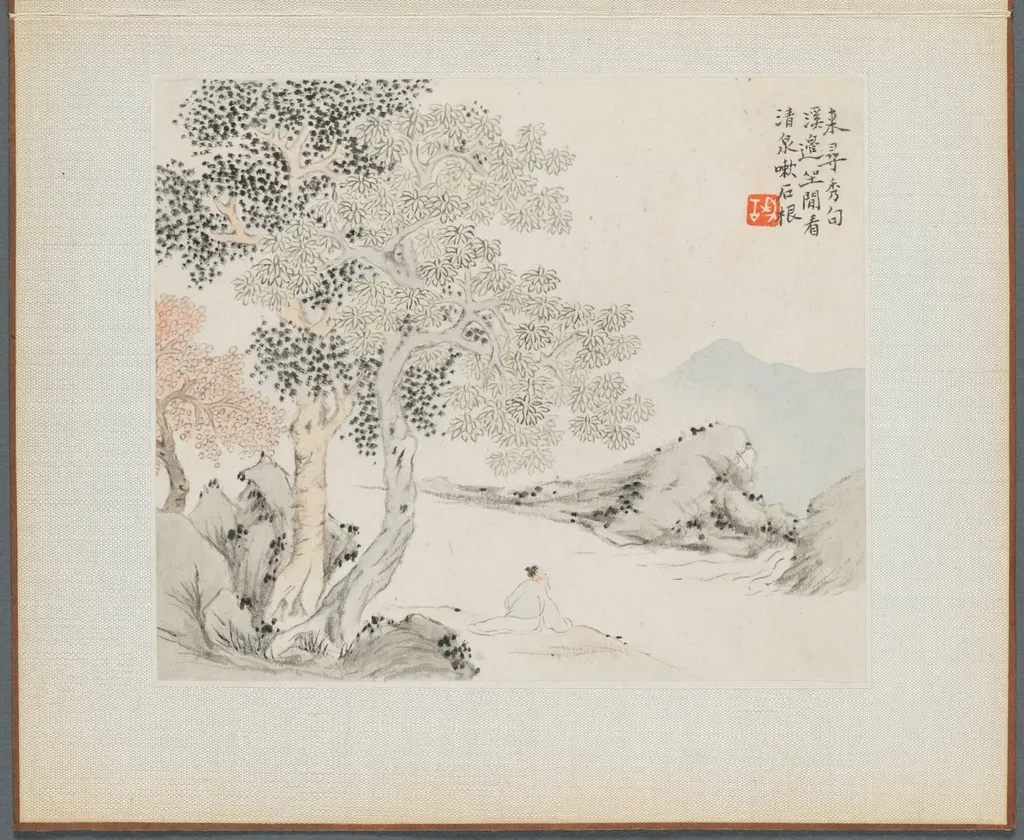
Album of Landscape Paintings Illustrating Old Poems: Three Big Trees, a Stream with an Old Man Sitting on the Bank is an unspecified painting by the Baroque artist Hua Yan. It dates from 1745 and is held in the collection of the Cleveland Museum of Art.
About this work
Overview
Created in 1745 by Hua Yan, this work is one of a series of landscape paintings inspired by classical poetry. Executed in ink and color on paper, it belongs to a tradition of literati art that blends poetic reflection with natural observation. The piece is part of the permanent collection at The Cleveland Museum of Art, where it is displayed as an example of mid-18th-century Chinese painting.
Subject & Meaning
The winding stream and distant hill suggest a journey or passage of time, reinforcing the meditative tone drawn from classical literary sources.
The scene depicts a solitary figure seated beside a stream beneath three large trees, one in bloom with pale pink flowers. The quiet solitude of the figure evokes themes of contemplation and harmony with nature, common in Daoist and Confucian-inspired verse. The winding stream and distant hill suggest a journey or passage of time, reinforcing the meditative tone drawn from classical literary sources.
Technique & Style
Hua Yan employed fluid, expressive brushwork to convey the movement of foliage and water, avoiding rigid outlines in favor of suggestive strokes. The palette is restrained, dominated by soft grays and whites, with the pink blossoms serving as a subtle focal point. This restrained use of color and emphasis on ink texture reflect the literati ideal of spontaneity and emotional restraint over decorative detail.
History & Provenance
The painting was produced during the Qing dynasty, a period when scholar-artists often compiled albums of poetic landscapes as personal expressions. It entered the Cleveland Museum of Art’s collection through documented acquisitions in the 20th century, likely as part of a broader effort to preserve Chinese literati works. Its provenance traces back to private collections in China before its arrival in the West.
Context
This painting emerged within a cultural milieu where literati painters sought to revive ancient poetic ideals through visual form. Artists like Hua Yan drew from Tang and Song dynasty verse, translating literary moods into ink landscapes. Such albums were not public displays but intimate objects, shared among scholars for quiet appreciation and intellectual exchange.
Legacy
Hua Yan’s work exemplifies the enduring influence of poetic tradition on Chinese painting. Though not widely known outside specialist circles, his album paintings contributed to the continuity of literati aesthetics into the Qing period. Today, this piece remains a reference for understanding how text and image intertwined in East Asian artistic practice.
Artist & collection

Artist
Hua Yan simplified Chinese: 华嵒; traditional Chinese: 華嵒; pinyin: Huà Yán; Wade–Giles: Hua Yen; courtesy name Qiu Yue (秋岳), sobriquets Xinluo Shanren (新罗山人), Dong Yuan Sheng (东园生), Buyi Sheng (布衣生), Ligou Jushi (离垢居士)and…

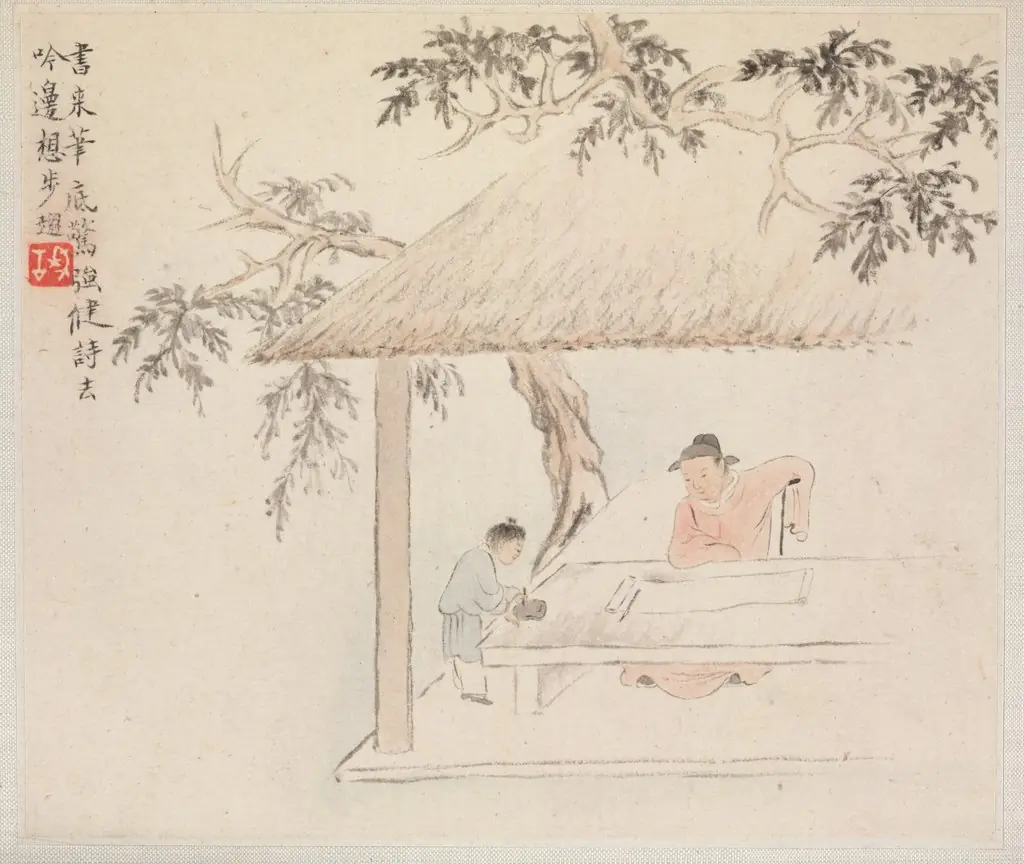 Album of Landscape Paintings Illustrating Old Poems: A Scholar at a Table with a Servant aside Preparing the Ink
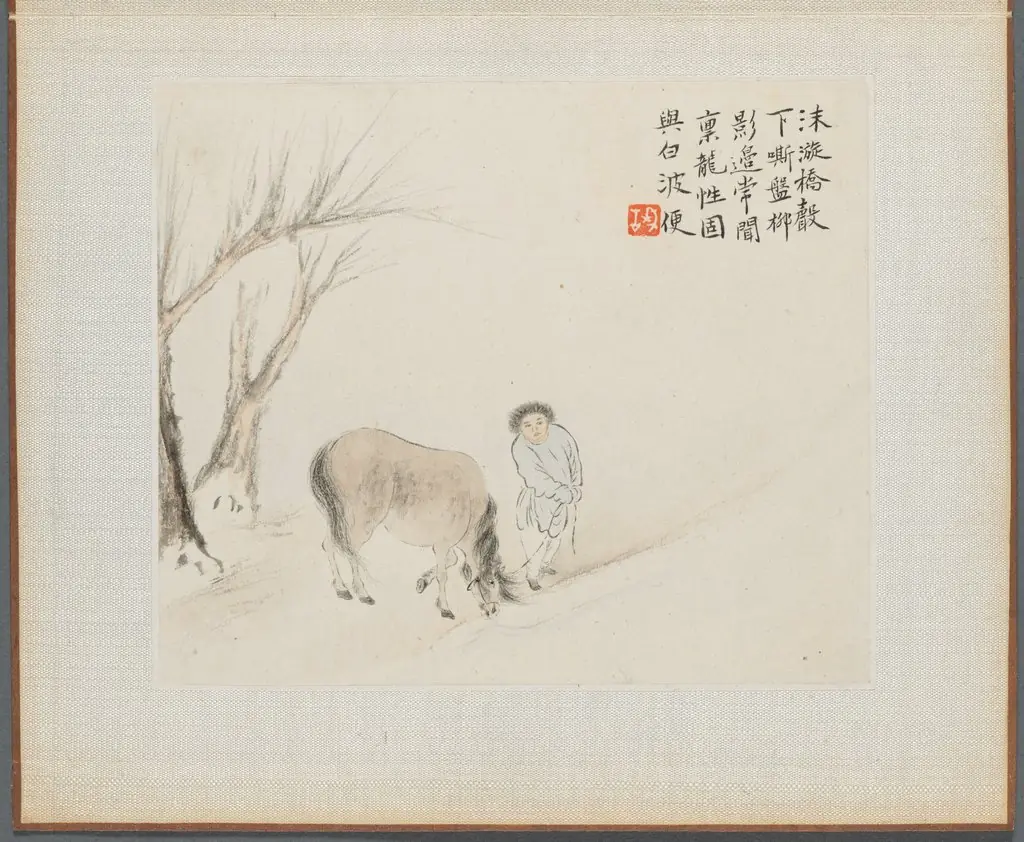 Album of Landscape Paintings Illustrating Old Poems: Boy Holding a Horse
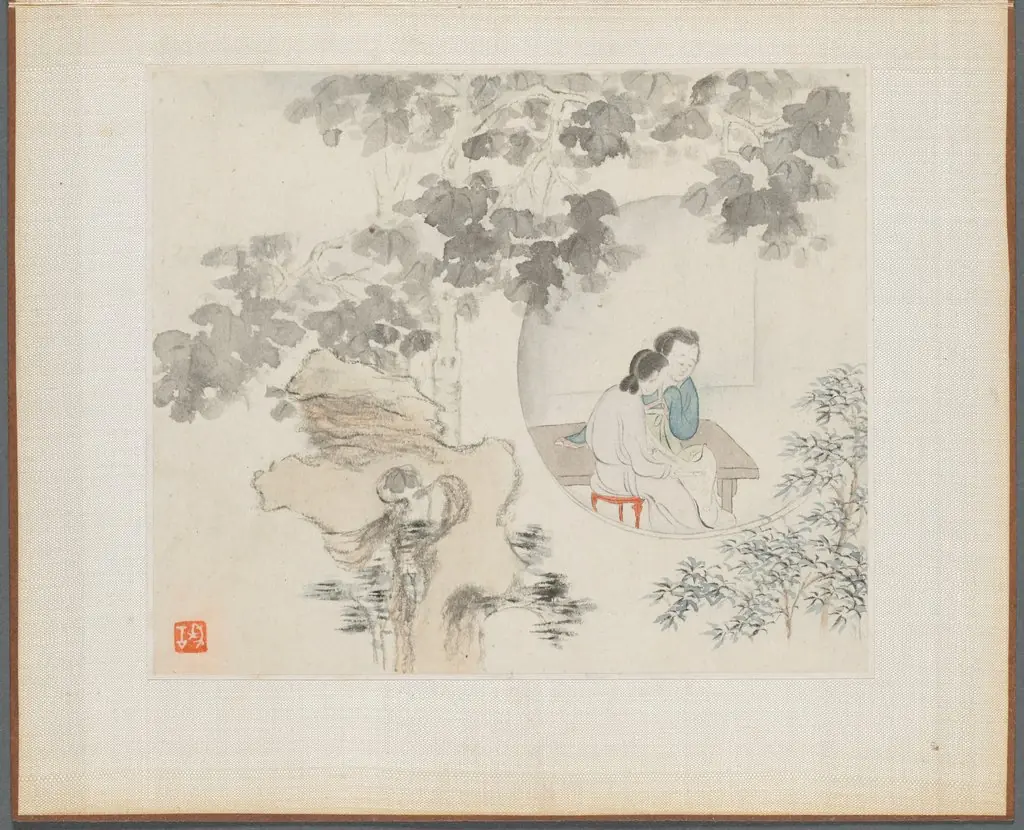 Album of Landscape Paintings Illustrating Old Poems: Two Women with Needlework in a Garden
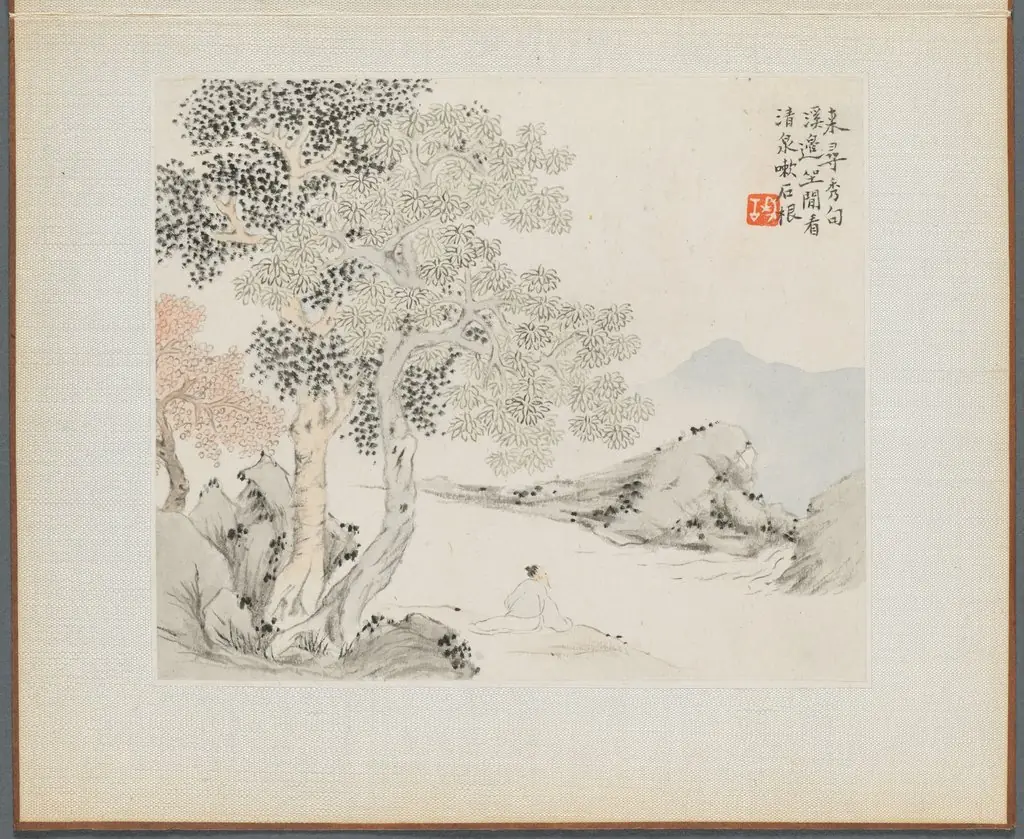 Album of Landscape Paintings Illustrating Old Poems: Three Big Trees, a Stream with an Old Man Sitting on the Bank
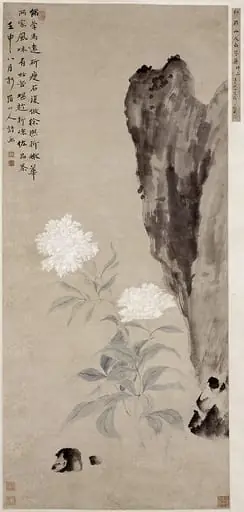 清 華喦 白芍藥圖 軸|White Peony and Rocks
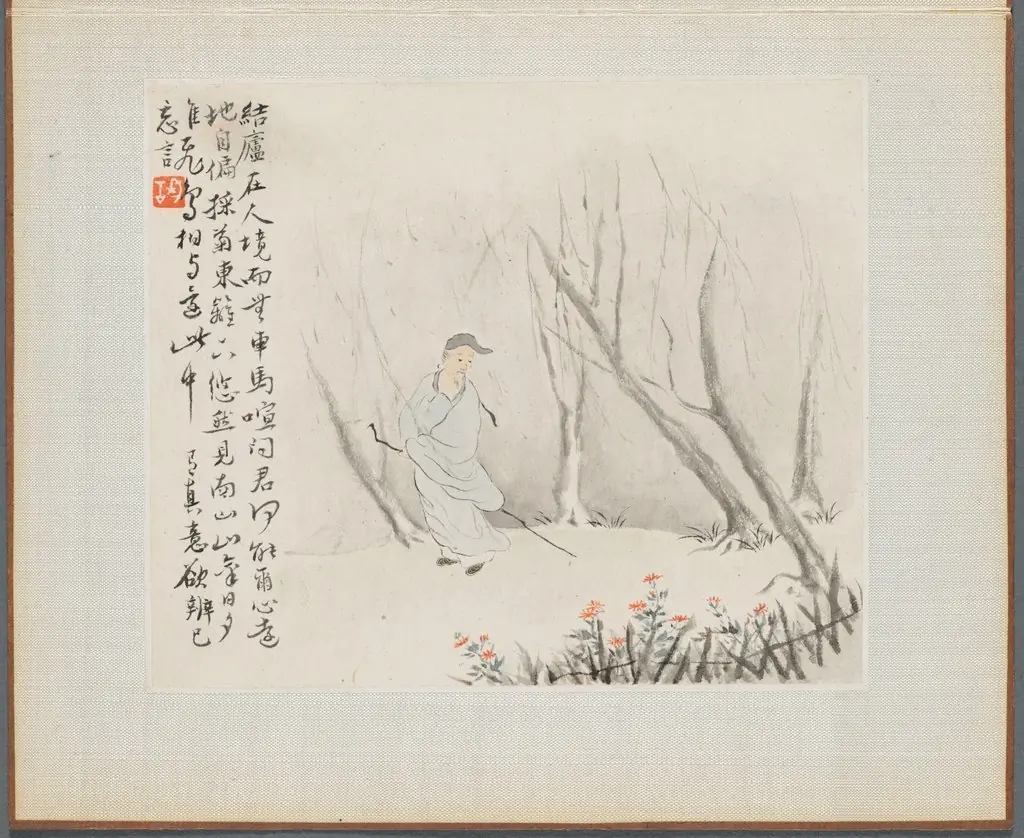 Album of Landscape Paintings Illustrating Old Poems: Man with a Staff Admires Chrysanthemums at a Fence
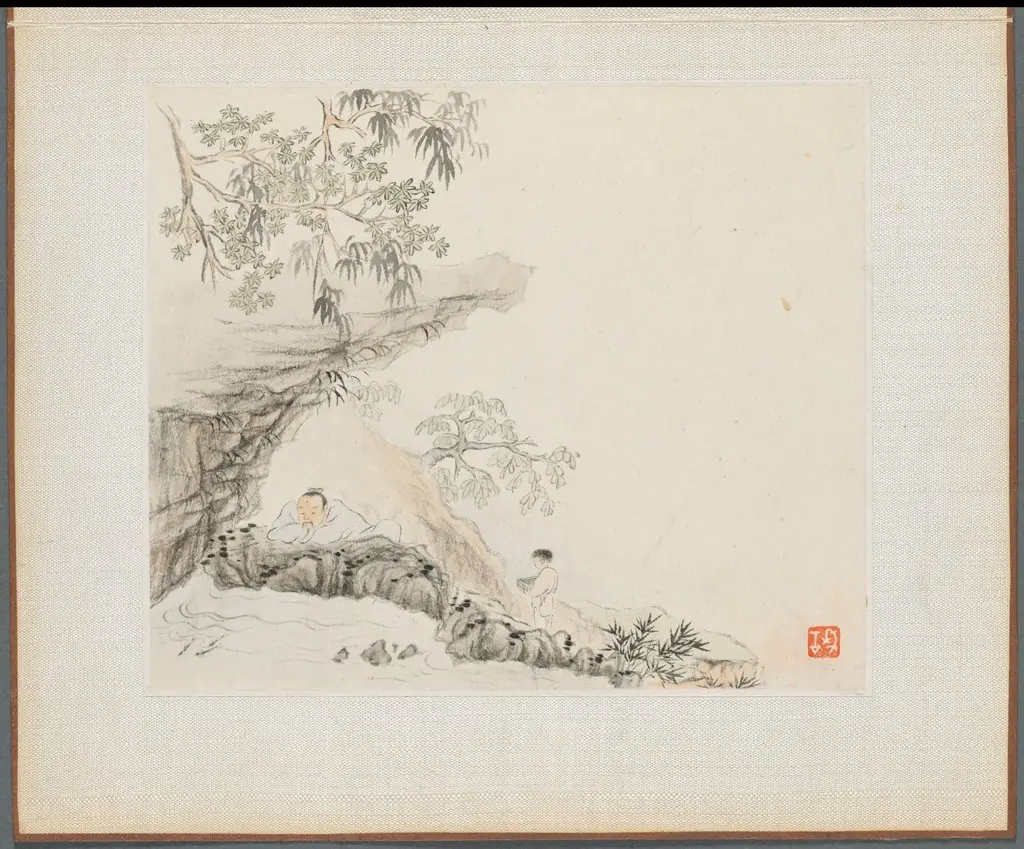 Album of Landscape Paintings Illustrating Old Poems: Scholar watching Fish
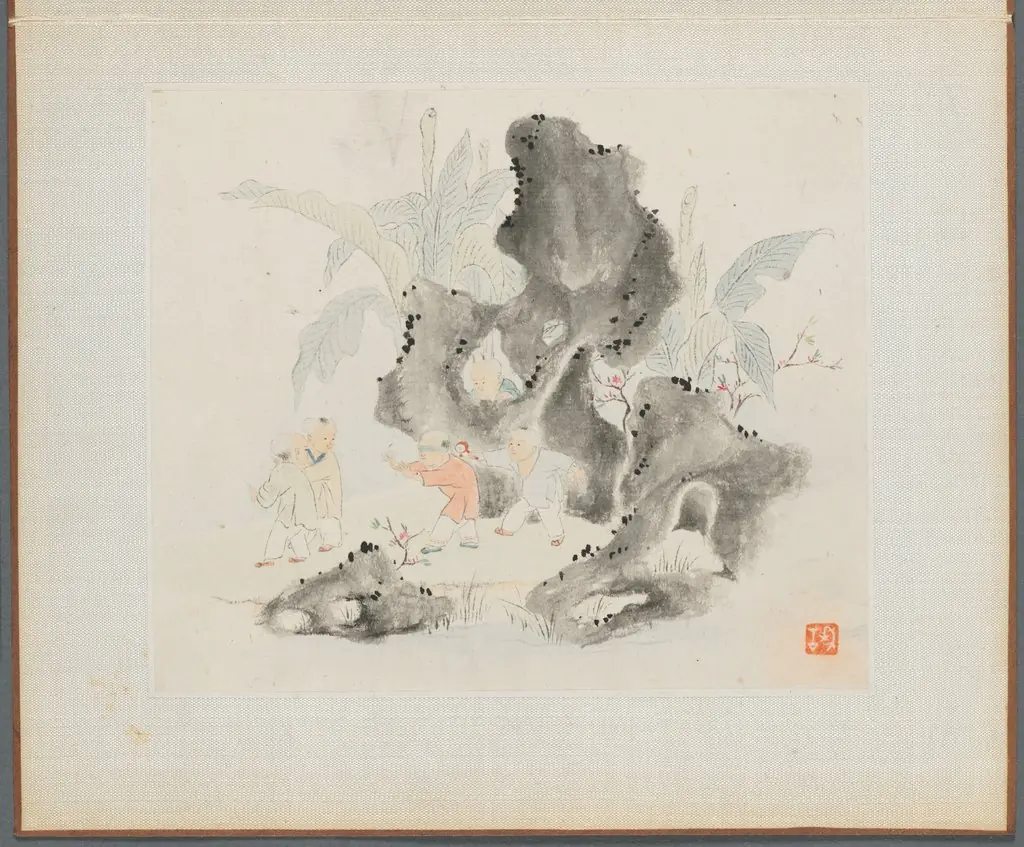 Album of Landscape Paintings Illustrating Old Poems: Children Playing Blindman's Buff in a Garden
 Album of Landscape Paintings Illustrating Old Poems: A Man Reclining and Enjoying the View
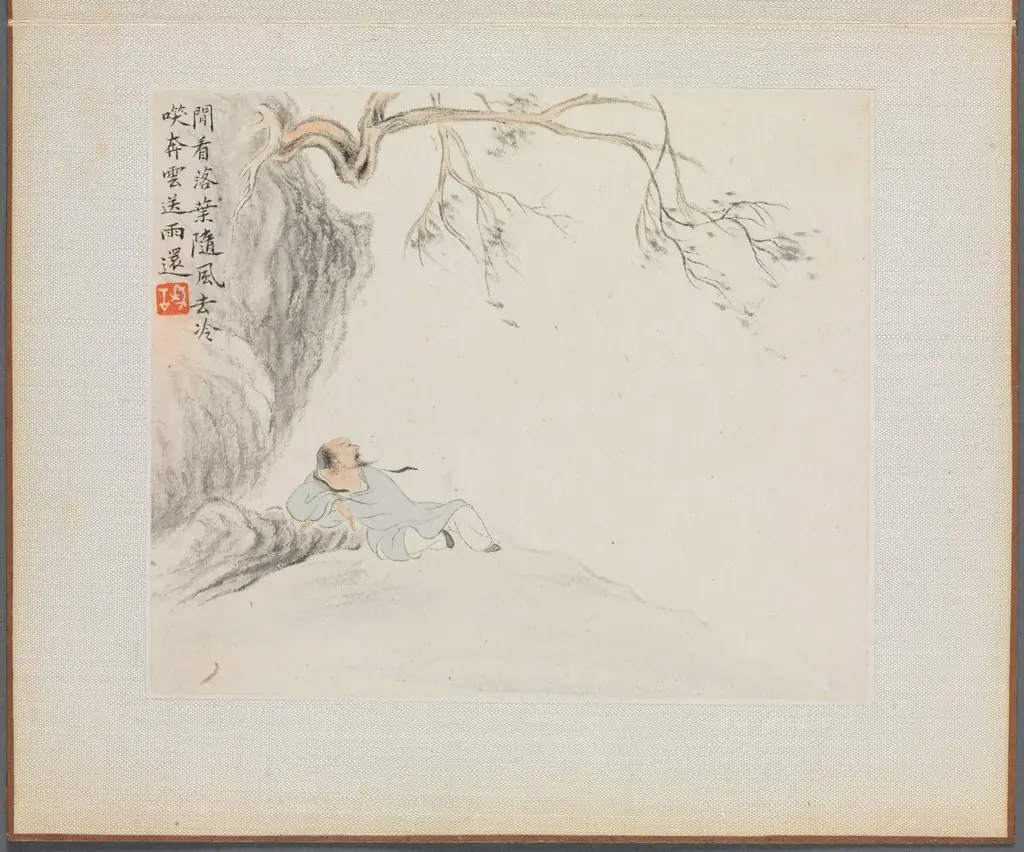 Album of Landscape Paintings Illustrating Old Poems: A Man Reclining and Enjoying the View
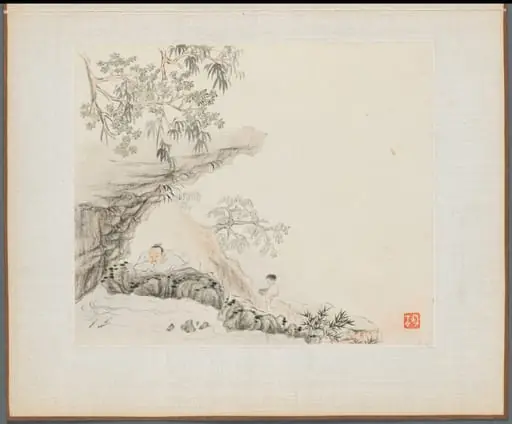 Album of Landscape Paintings Illustrating Old Poems: Scholar watching Fish
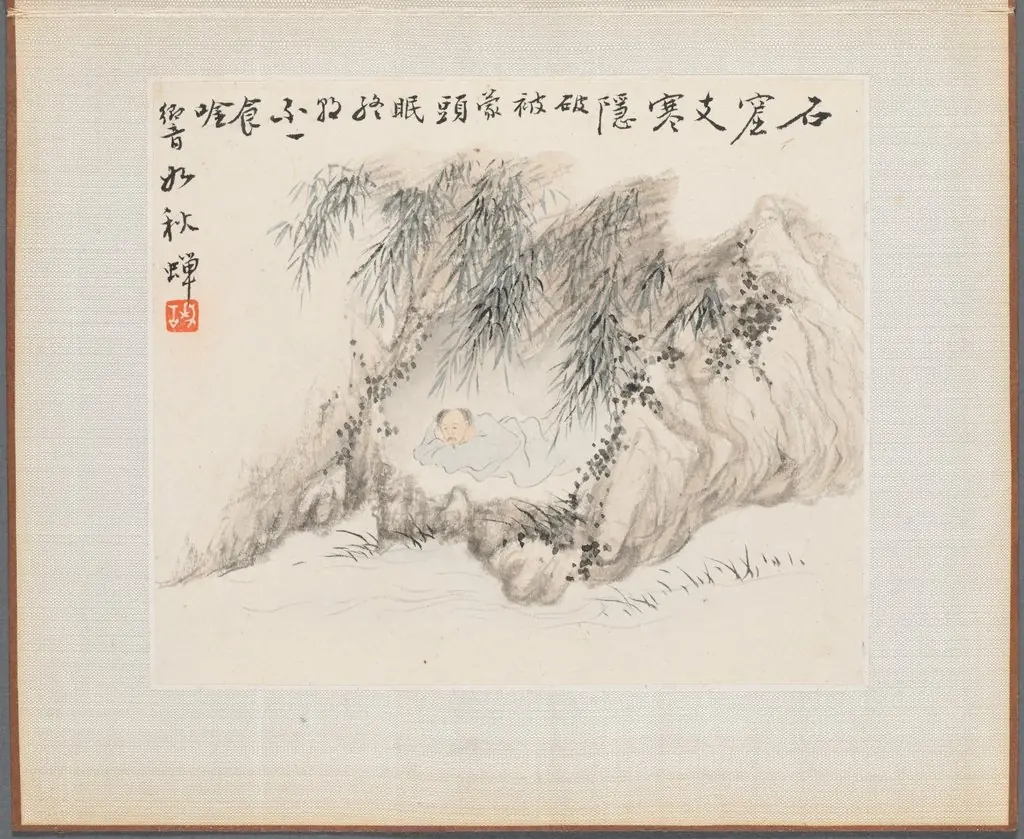 Album of Landscape Paintings Illustrating Old Poems: Man Resting under Bamboo
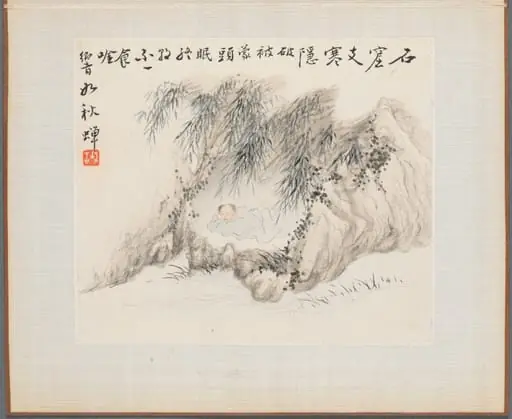 Album of Landscape Paintings Illustrating Old Poems: Man Resting under Bamboo
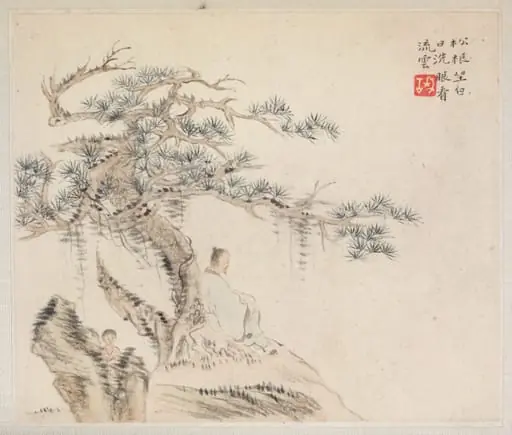 Album of Landscape Paintings Illustrating Old Poems: Scholar under a Pine Tree