Artwork
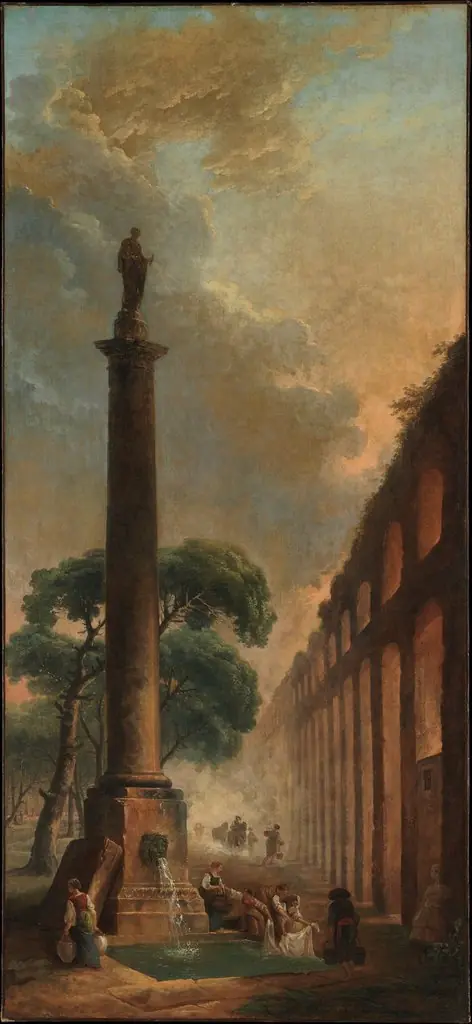
Landscape with a Triumphal Column
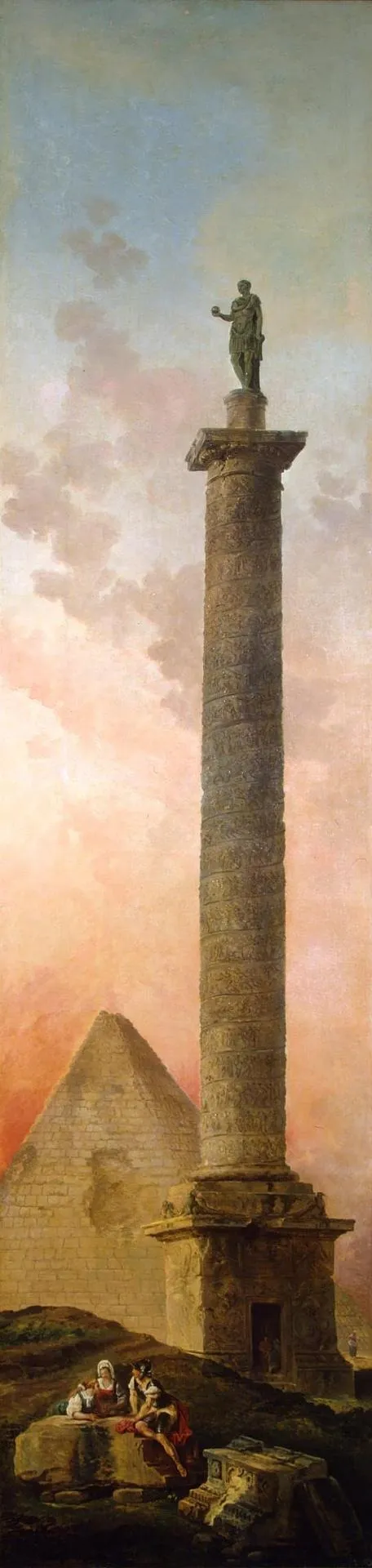
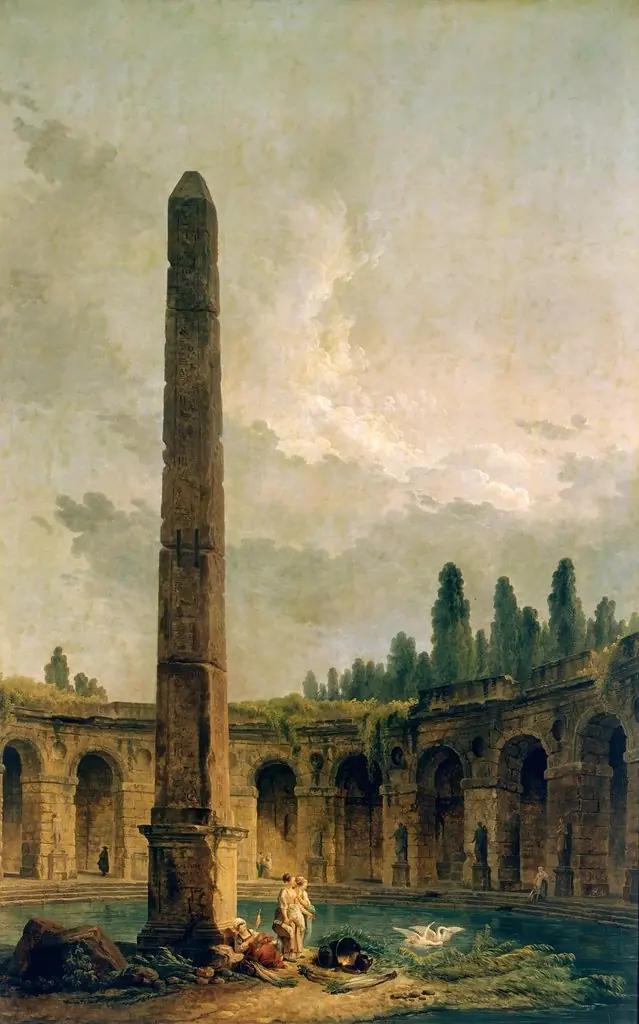
Landscape with a Triumphal Column is an oil painting by the Rococo painting artist Hubert Robert. It dates from 1773 and is held in the collection of the Hermitage Museum.
About this work
Overview
Painted in 1773 by Hubert Robert, this oil on canvas work presents a composed vision of classical ruins nestled within a tranquil natural setting.
Painted in 1773 by Hubert Robert, this oil on canvas work presents a composed vision of classical ruins nestled within a tranquil natural setting. Robert, a French artist known for his imaginative reconstructions of antiquity, crafted this scene not as a documentary record but as a poetic fusion of real and invented architecture. The painting resides in the State Hermitage Museum, where it reflects his enduring interest in the interplay between human-made structures and the encroaching forces of nature.
Subject & Meaning
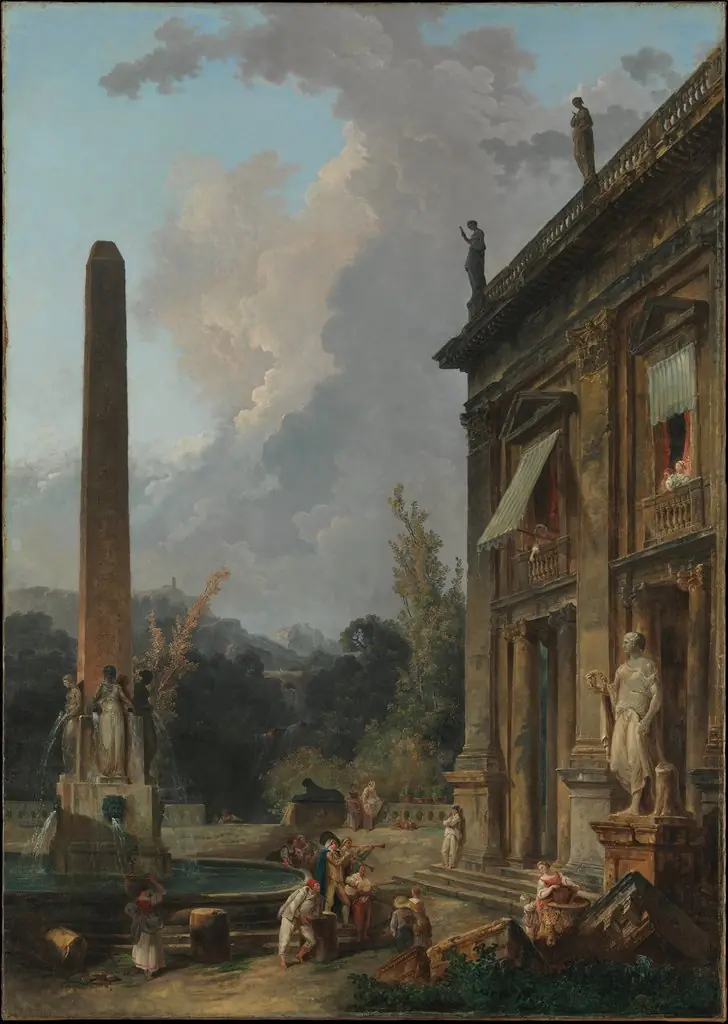
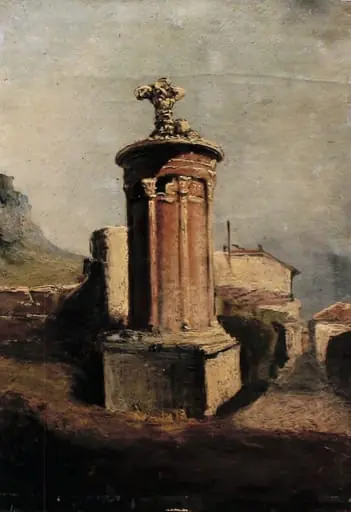
The composition centers on a weathered triumphal column, its surface intricately carved and crowned by a small statuary figure. Behind it, a pyramid-like structure suggests Egyptian or exotic antiquity, reinforcing a sense of lost civilizations. Two figures rest at the base, their presence humanizing the monumental ruins, while a third stands as a silent observer. The scene evokes contemplation of time’s passage, not through drama but through quiet stillness and the gentle dominance of nature over human achievement.
Technique & Style
Robert employed soft, diffused lighting and muted tonal harmonies to unify the landscape, avoiding sharp contrasts in favor of atmospheric cohesion. The brushwork is delicate yet precise, particularly in rendering the column’s weathered stone and the distant haze of the horizon. His approach aligns with Rococo sensibilities—elegant, lyrical, and focused on mood rather than narrative—while anticipating Romanticism’s fascination with ruins as vessels of memory and melancholy.
History & Provenance
Created during Robert’s mature period, the painting emerged from a time when European elites cultivated an appetite for imagined antiquities. It entered the Hermitage collection in the late 18th century, likely acquired through diplomatic or artistic networks connecting France and Russia. Its presence in St. Petersburg underscores the international circulation of such picturesque visions, which served both aesthetic and intellectual interests among aristocratic collectors.
Context
In the decades before the French Revolution, interest in classical antiquity flourished across Europe, fueled by archaeological discoveries and Grand Tour travels. Robert’s works responded to this trend by constructing idealized ruins that blended authentic motifs with imaginative liberty. Unlike strict archaeological reconstructions, his paintings offered emotional landscapes where history felt present but distant, inviting viewers to reflect rather than document.
Legacy
Robert’s fusion of real and invented ruins influenced later landscape painters and architects engaged with the picturesque. His approach helped shift perceptions of antiquity from rigid idealization to evocative suggestion, paving the way for Romantic interpretations of decay and time. Though not overtly political, his scenes quietly acknowledged the impermanence of power—a theme that resonated increasingly in the late 18th century.
Artist & collection
Artist
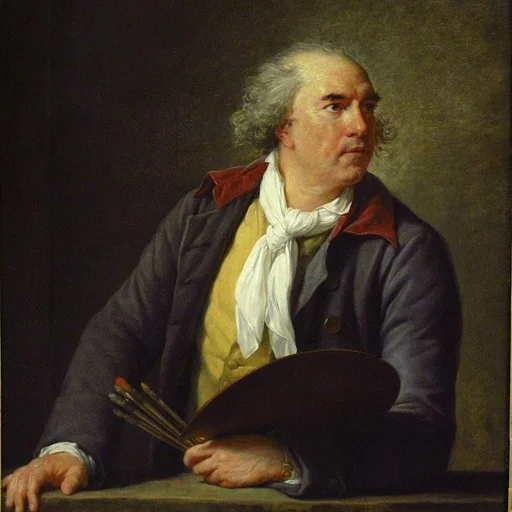
Hubert Robert (French pronunciation: ; 22 May 1733 – 15 April 1808) was a French painter in the school of Romanticism, noted especially for his landscape paintings and capricci, or semi-fictitious picturesque depictions of ruins in Italy…