Artwork
The Obelisk
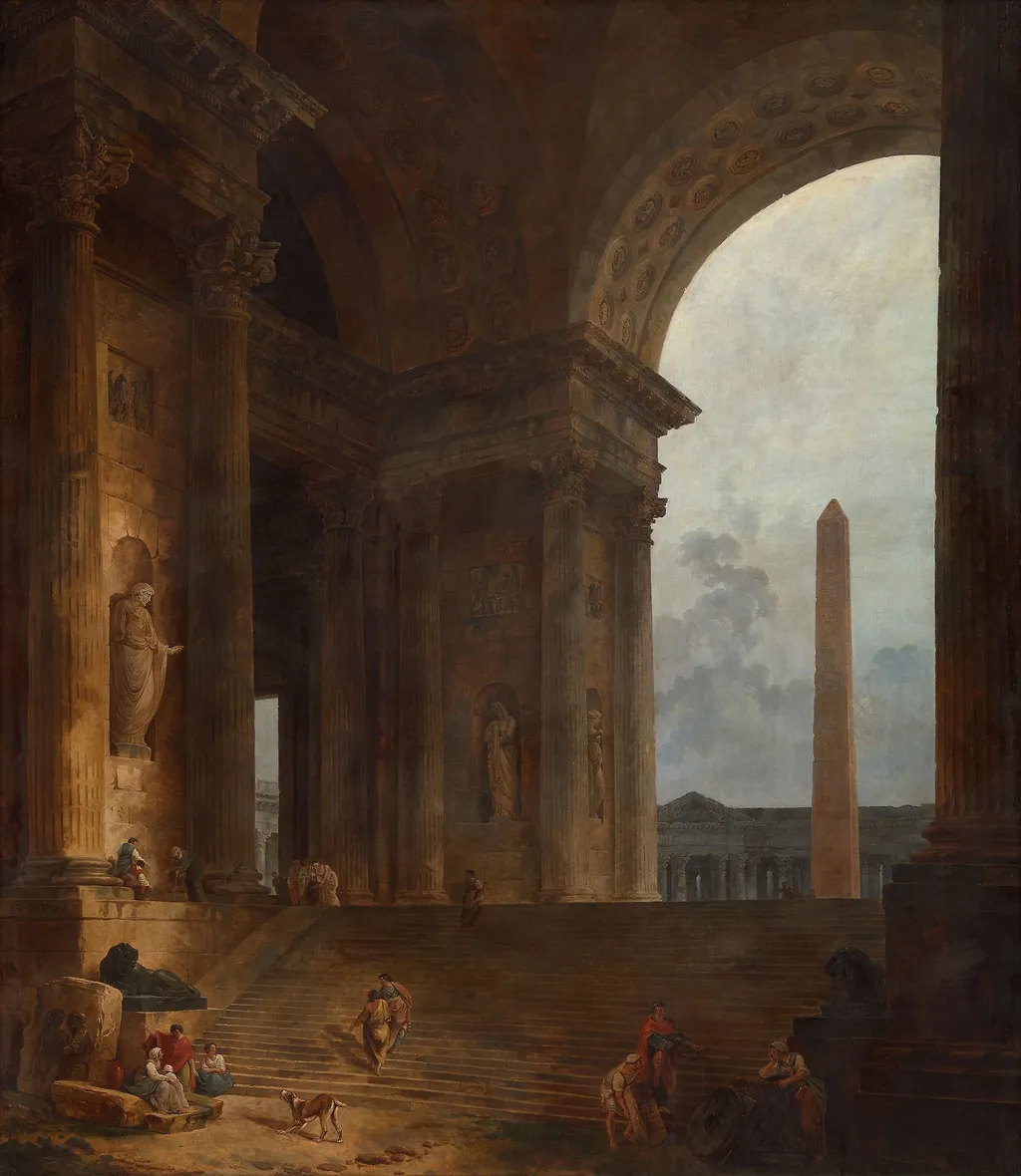
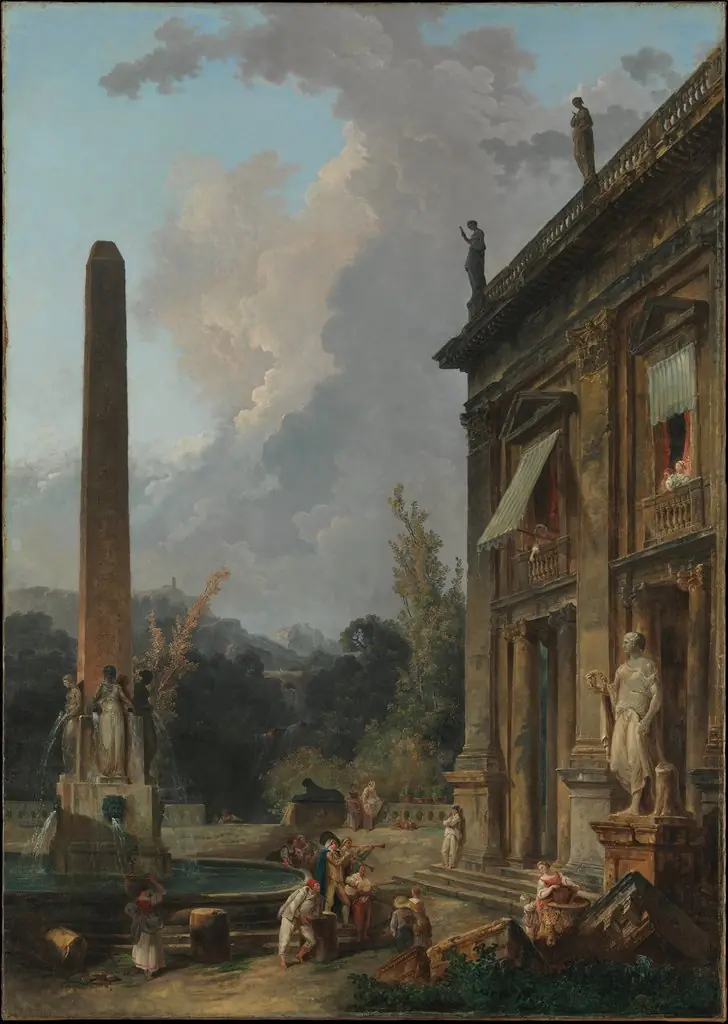
The Obelisk is an oil painting by the Rococo painting artist Hubert Robert. It dates from 1794 and is held in the collection of the Art Institute of Chicago.
About this work
Overview
Robert, known for his imaginative reconstructions of ancient architecture, blends real and invented elements to evoke a sense of historical contemplation.
Painted in 1794 by Hubert Robert, *The Obelisk* is an oil-on-canvas work that presents a fictionalized classical landscape. Robert, known for his imaginative reconstructions of ancient architecture, blends real and invented elements to evoke a sense of historical contemplation. The painting is part of the Art Institute of Chicago’s collection and reflects his enduring interest in ruins as subjects of quiet drama.
Subject & Meaning
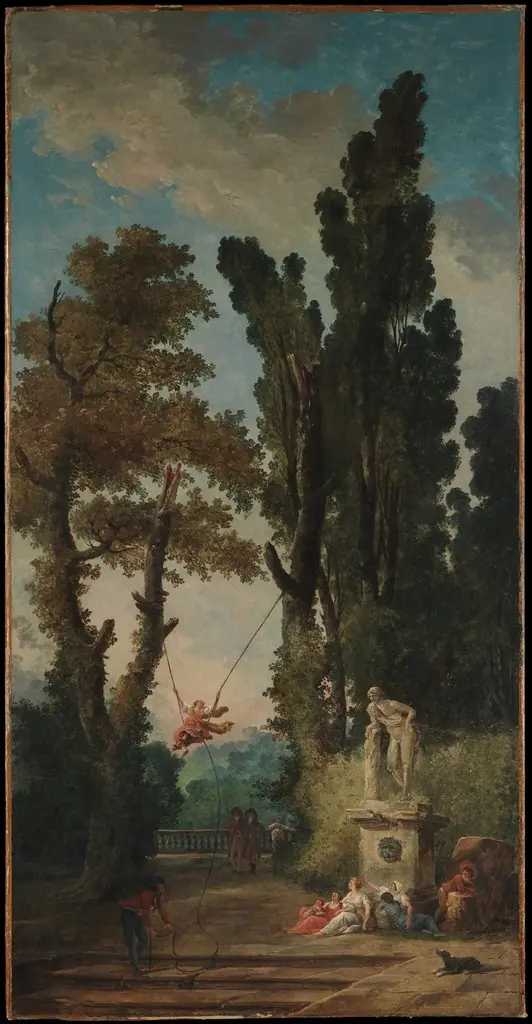
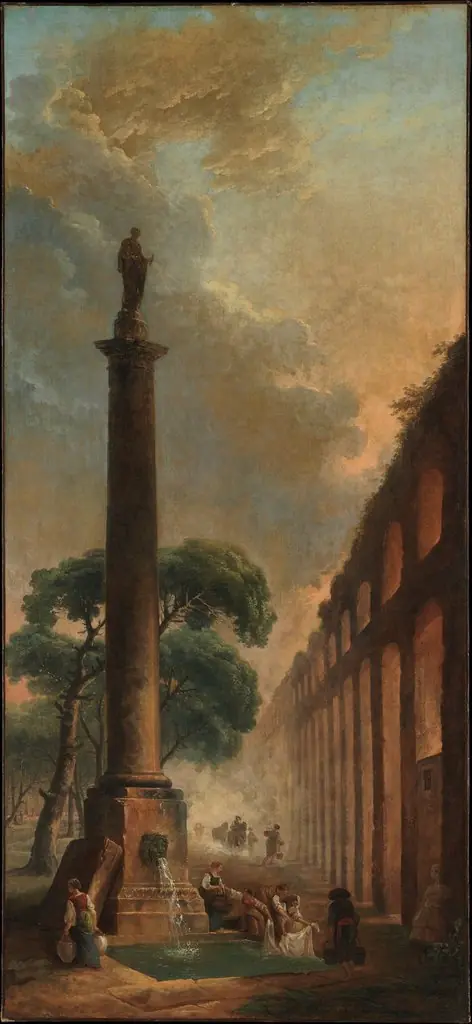
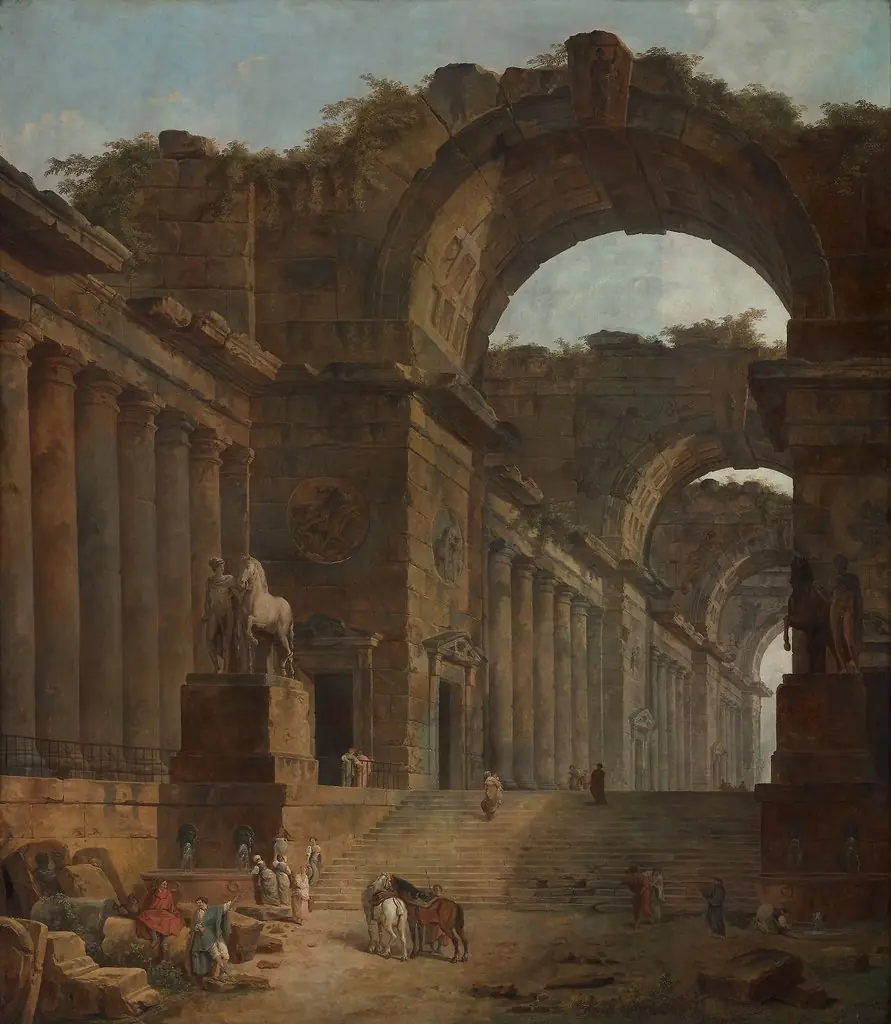
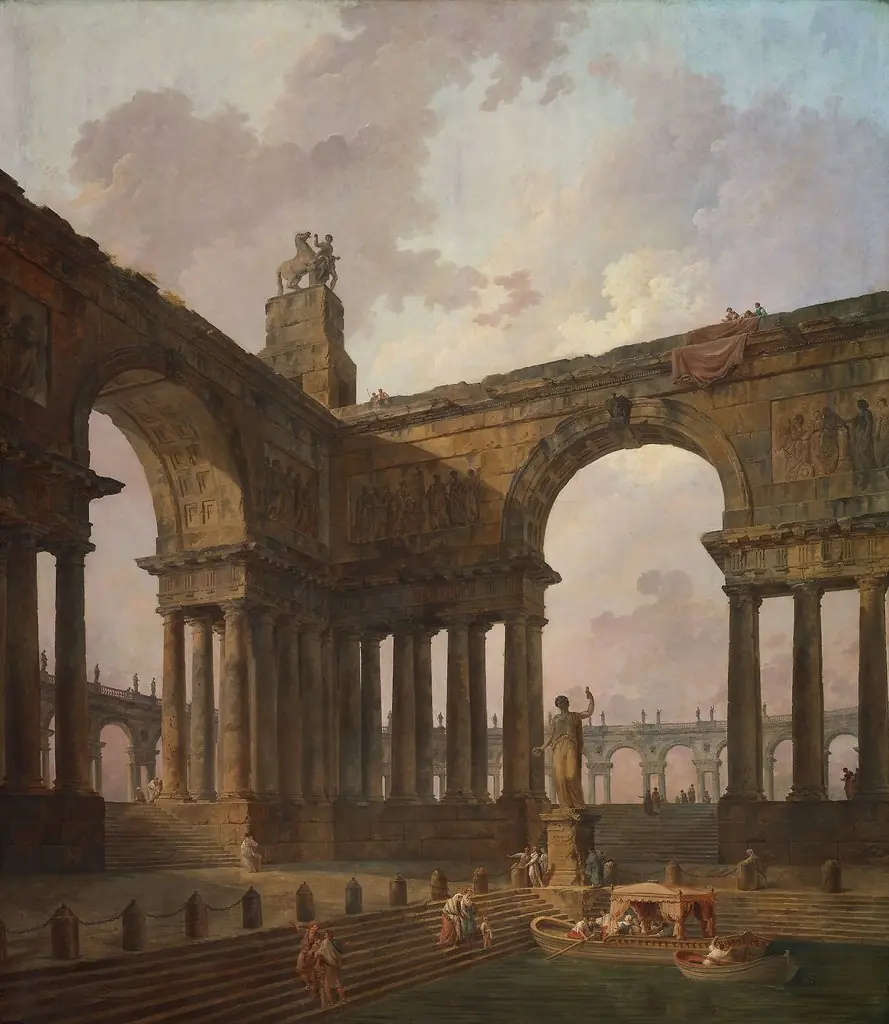
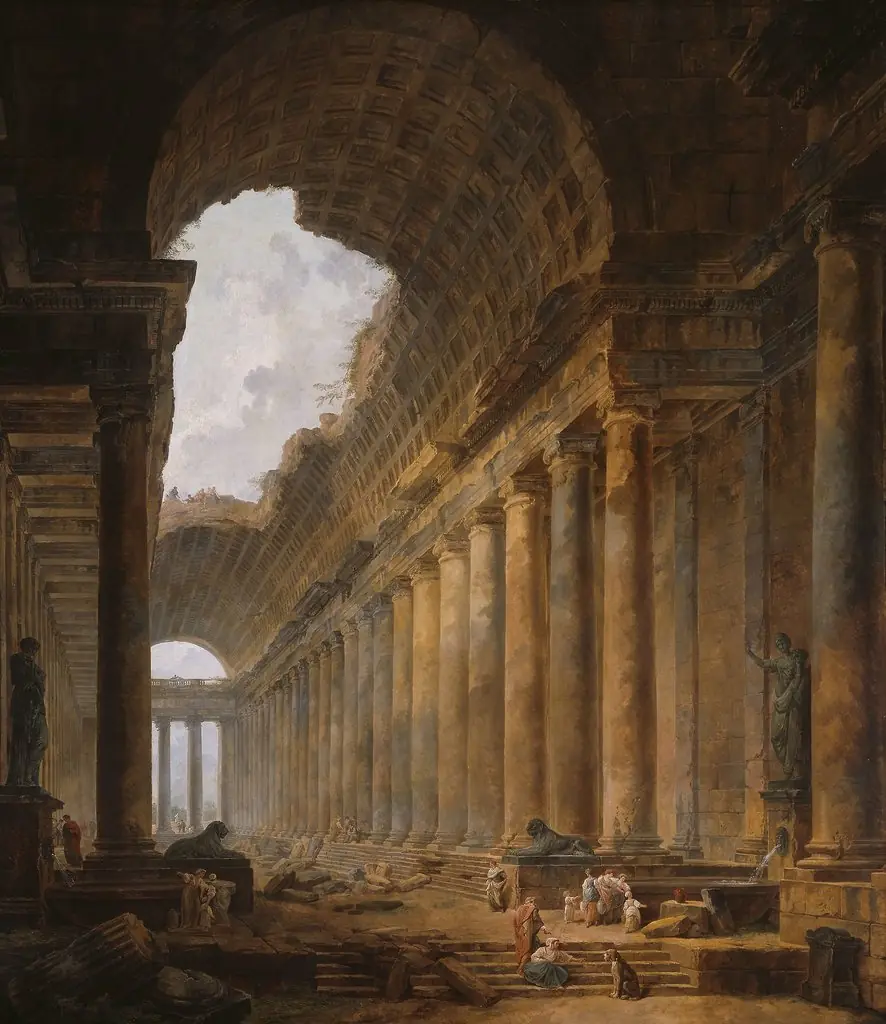
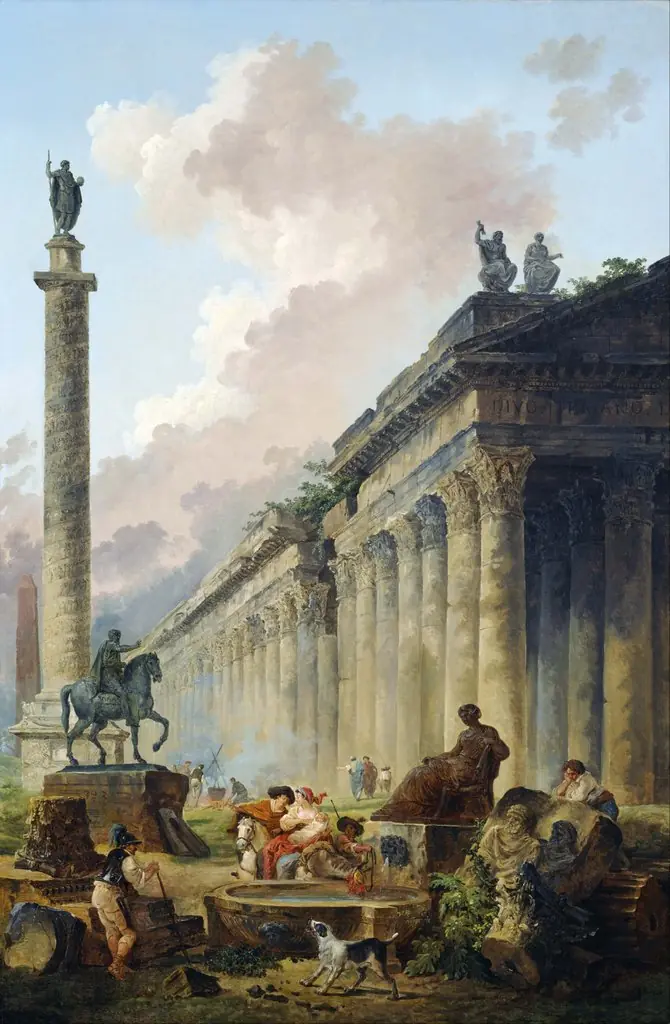
The scene centers on a monumental obelisk rising behind a cluster of classical arches and columns, surrounded by figures engaged in everyday activities. Rather than a solemn monument, the obelisk is embedded in a lived-in environment—people walk, sit, and gather near a stone pedestal. This juxtaposition suggests the persistence of human life amid the remnants of antiquity, subtly questioning the permanence of grandeur.
Technique & Style
Robert employs oil paint to model forms with soft transitions of light and shadow, enhancing spatial depth without dramatic contrast. His brushwork is precise yet fluid, capturing textures of stone and fabric with equal attention. The composition guides the eye from foreground figures toward the distant obelisk, using atmospheric perspective to reinforce scale and distance, characteristic of his capriccio style.
History & Provenance
Created during the French Revolution, the painting reflects a period when interest in antiquity was both scholarly and symbolic. Robert, who had studied in Rome, drew from firsthand observations of ruins. The work entered the Art Institute of Chicago’s collection in the early 20th century, where it remains as part of a broader European tradition of architectural fantasy in painting.
Context
While often linked to Romanticism for its emotional tone, *The Obelisk* aligns more closely with late 18th-century tastes for picturesque ruins and antiquarian curiosity. Unlike the grandeur of Neoclassicism, Robert’s scenes emphasize decay and daily life within ancient settings. His work resonated with collectors drawn to the melancholy beauty of time’s passage, rather than idealized antiquity.
Legacy
Robert’s capricci influenced later 19th-century artists who explored ruins as psychological landscapes. His integration of human activity into architectural settings became a model for depicting history not as static monument, but as lived experience. Though less celebrated than contemporaries, his approach to imagined antiquity left a quiet imprint on landscape painting’s evolution.
Own this work as a print
Artist & collection
Artist
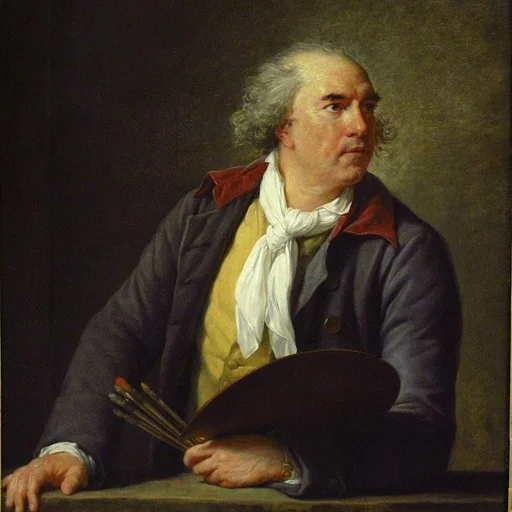
Hubert Robert (French pronunciation: ; 22 May 1733 – 15 April 1808) was a French painter in the school of Romanticism, noted especially for his landscape paintings and capricci, or semi-fictitious picturesque depictions of ruins in Italy…