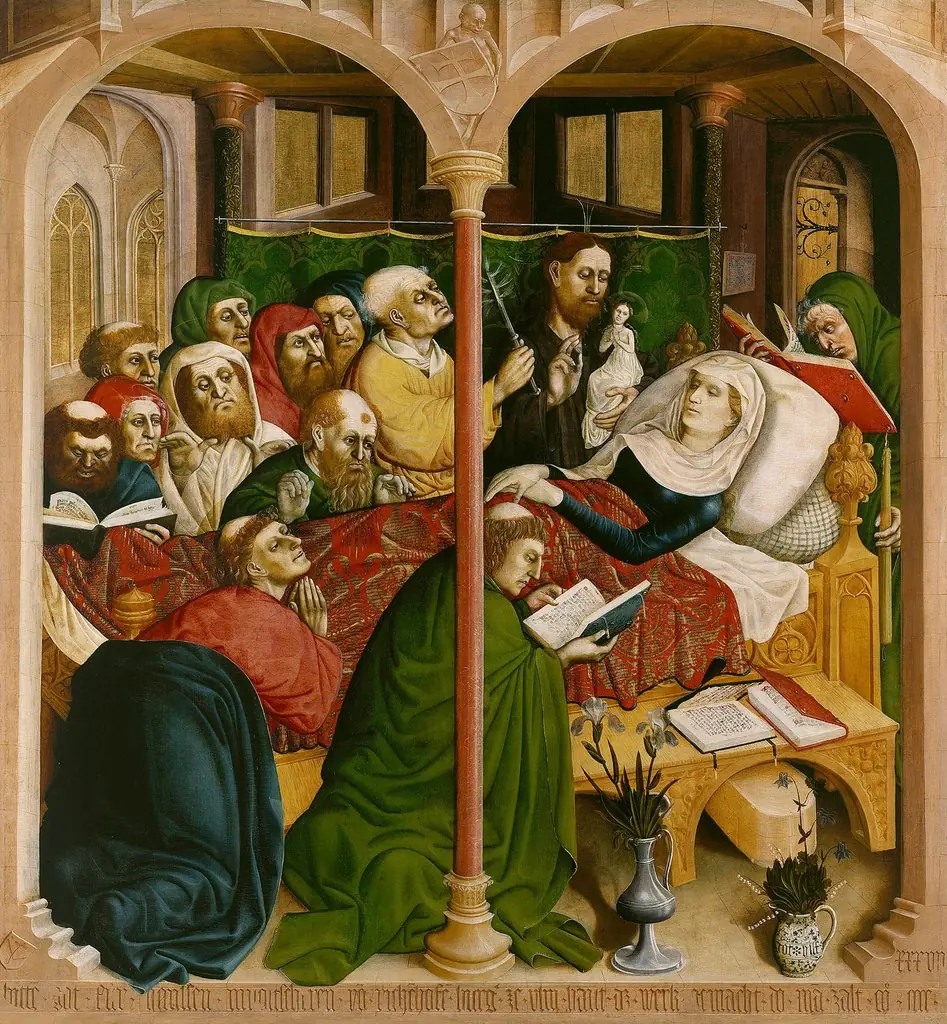
Artwork
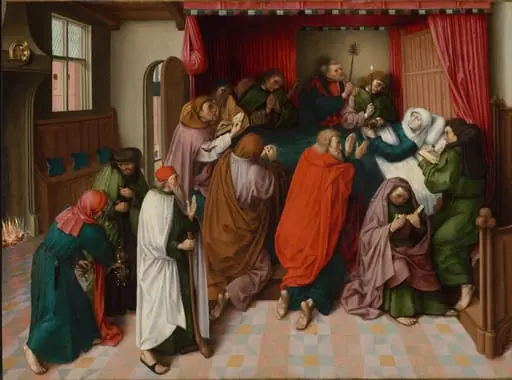
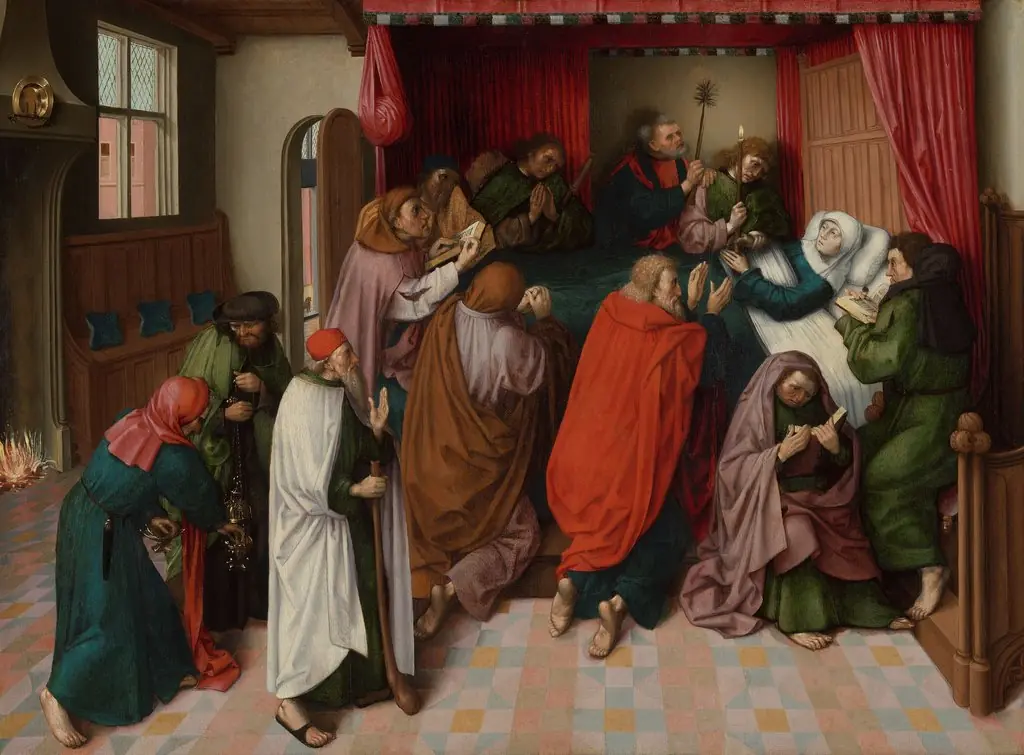
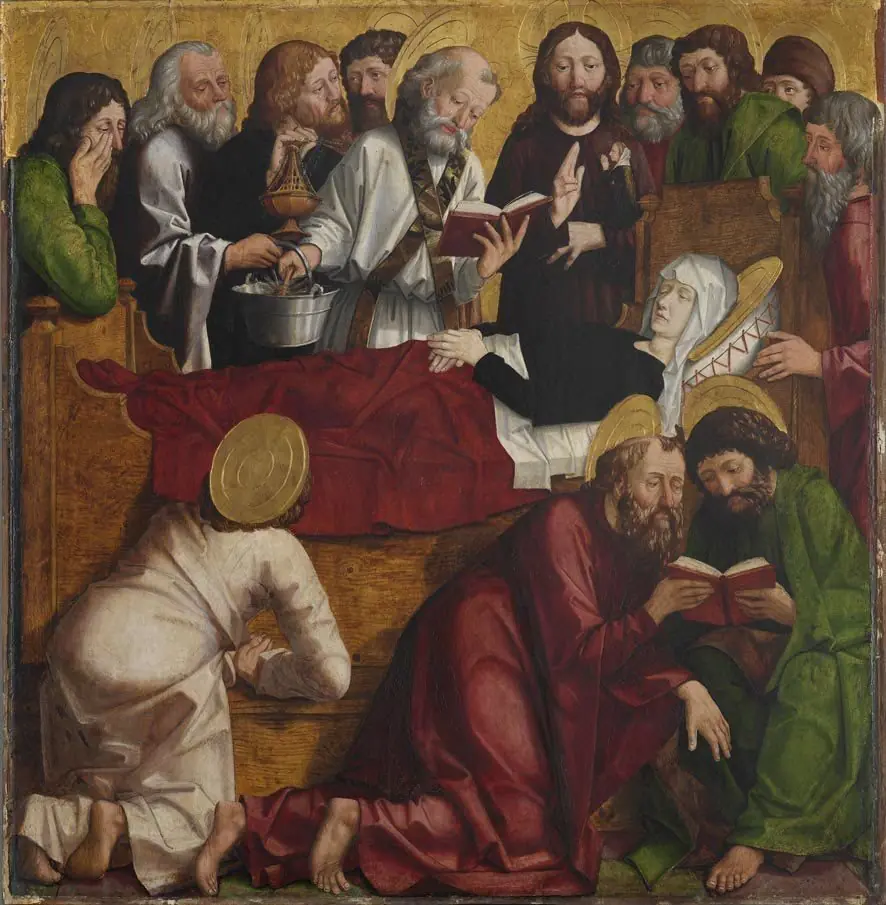
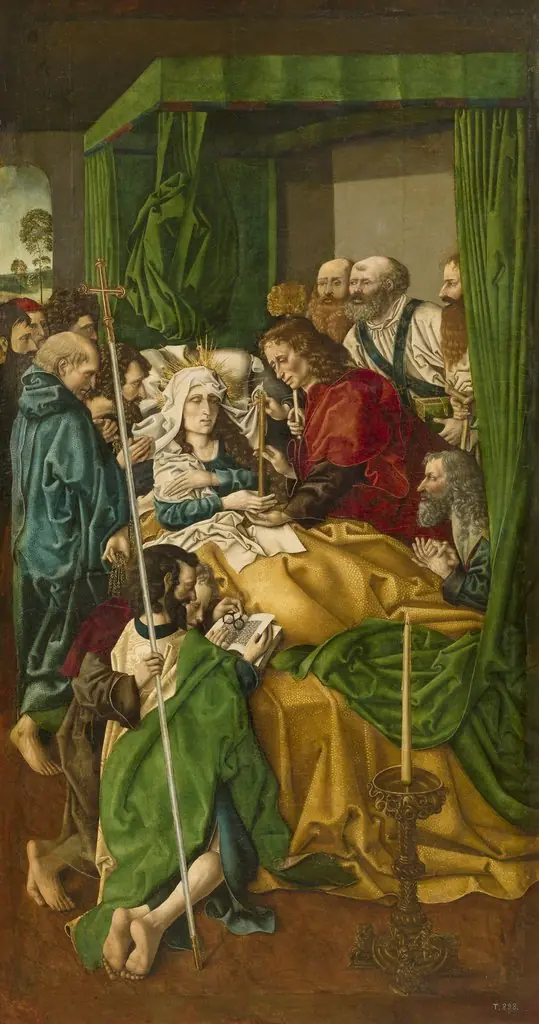
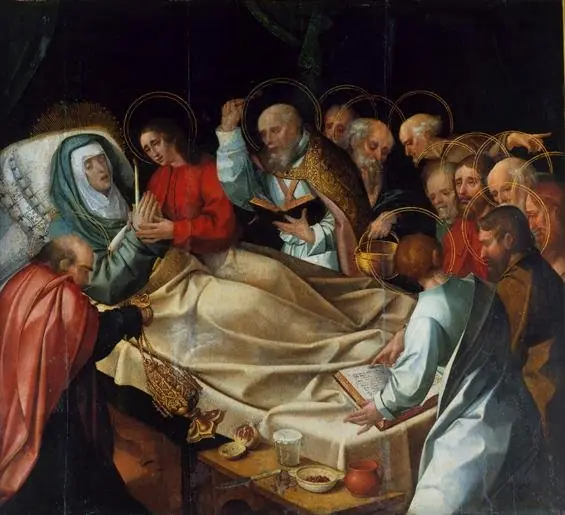
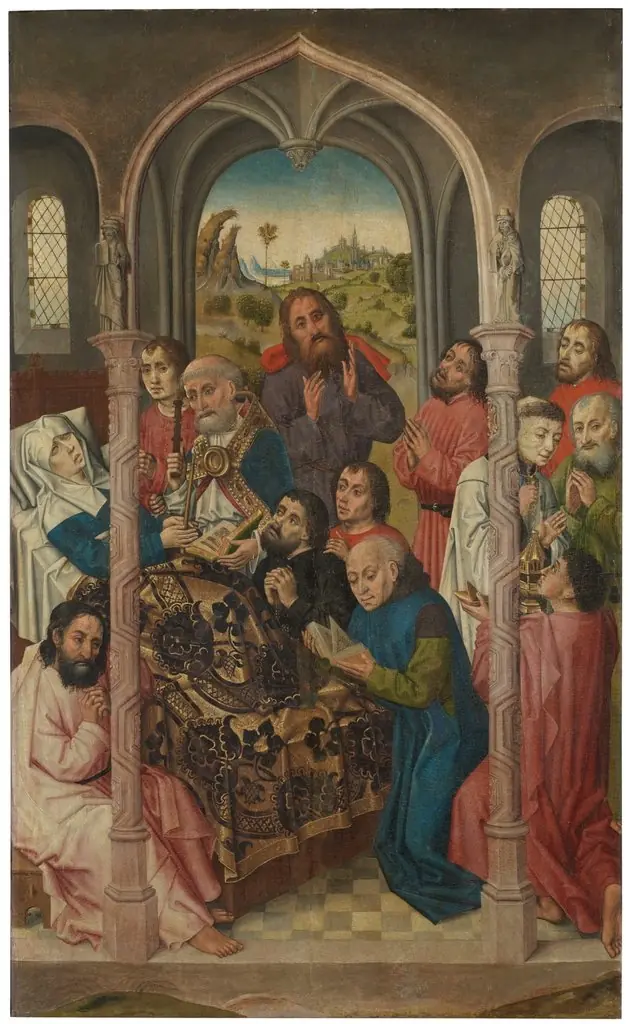
The Dormition, last quarter 15th century
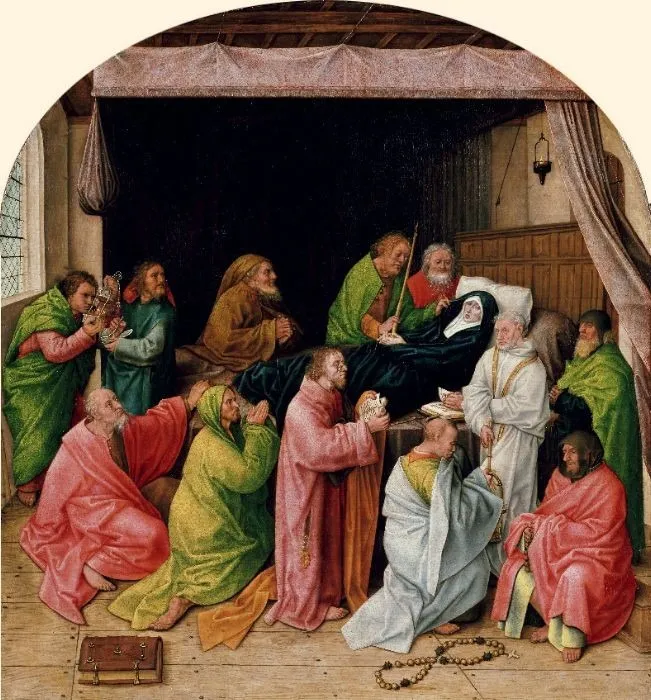
The Dormition, last quarter 15th century is an oil painting by the Northern Renaissance artist Hugo Van der Goes. It is held in the collection of the Gemäldegalerie Berlin.
About this work
Overview
Created in the final quarter of the 15th century, this oil painting portrays the death of the Virgin Mary, a theme frequently rendered in Northern Renaissance devotional art. The work is part of the Gemäldegalerie Berlin collection and exemplifies the solemn, contemplative tone typical of late medieval religious imagery.
Subject & Meaning
The composition centers on a woman in dark robes, her face veiled by a white shroud, lying on a bed surrounded by mourners. The gathering of figures, some kneeling, others standing, conveys a collective grief and reverence for the Virgin’s passing, reflecting contemporary theological emphasis on her role as the Mother of God and the emotional resonance of her dormition.
Technique & Style
Executed in oil, the painting employs a restrained palette of muted tones punctuated by the brighter colors of the attendants’ garments. Subtle chiaroscuro models the figures and creates a dimly lit interior, while a single window on the left admits a narrow shaft of light, enhancing the scene’s intimate, contemplative atmosphere.
History & Provenance
Attributed to the Flemish master Hugo van der Goes, a leading figure among Early Netherlandish painters, the work was likely intended for a private devotional setting. It entered the Berlin Gemäldegalerie’s holdings in the early 20th century, where it remains displayed as an example of van der Goes’s mature religious output.
Artist & collection
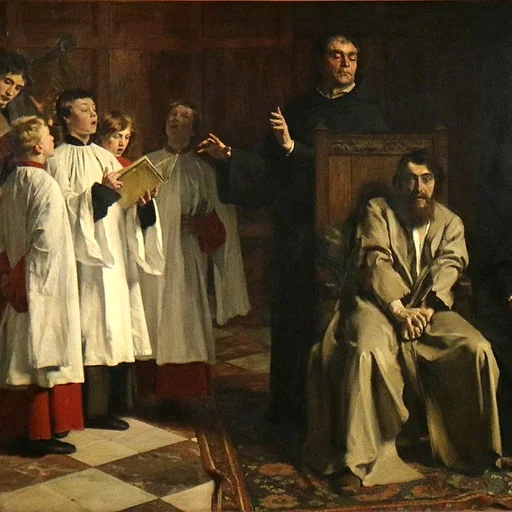
Artist
Hugo van der Goes (c. 1430/1440 – 1482) was a Flemish painter who was one of the most significant and original Early Netherlandish painters of the late 15th century. Van der Goes was an important painter of altarpieces…

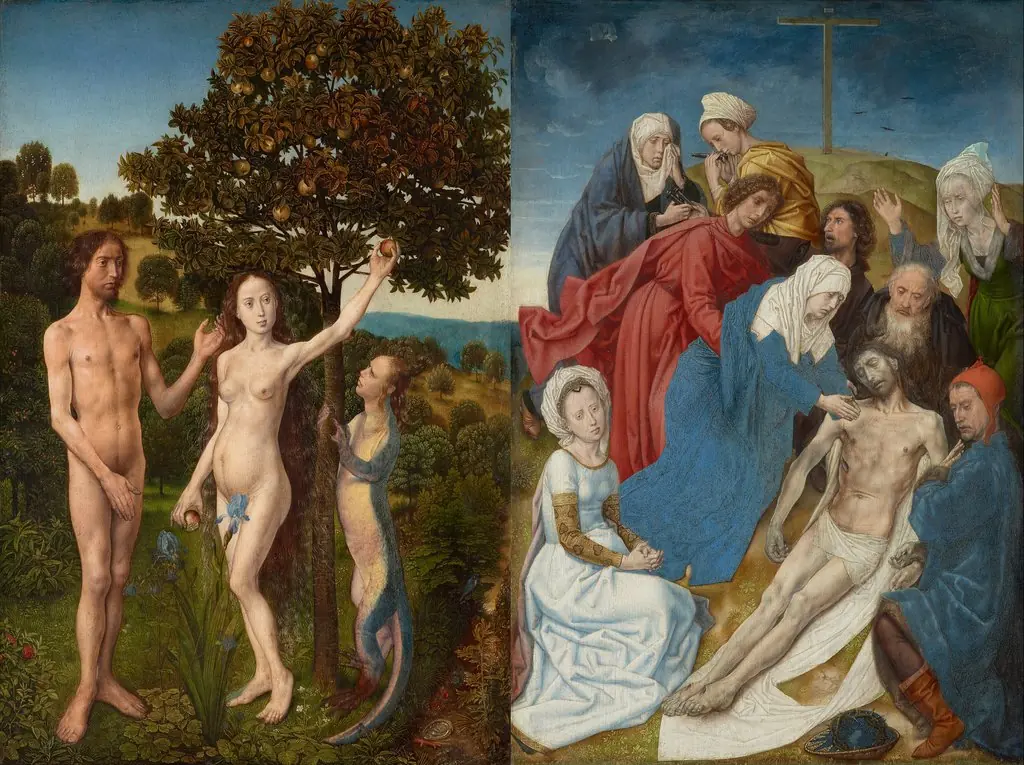 Vienna Diptych
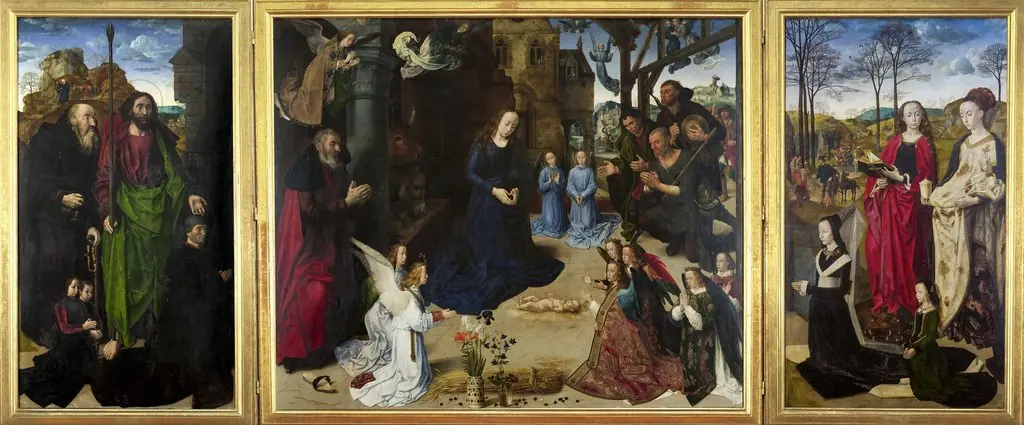 Portinari Triptych
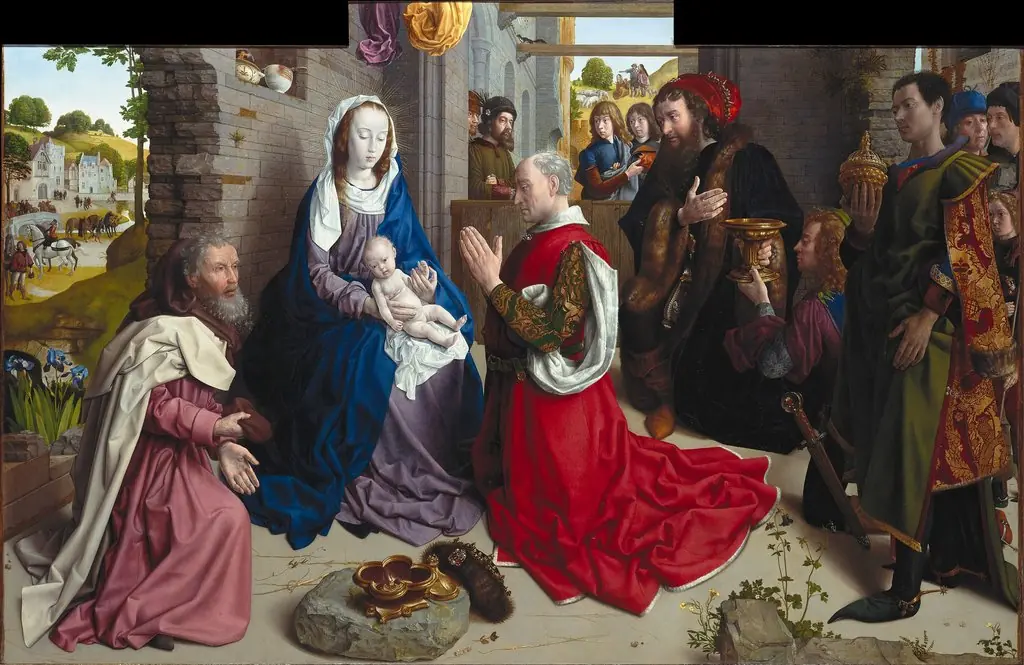 Monforte Altarpiece
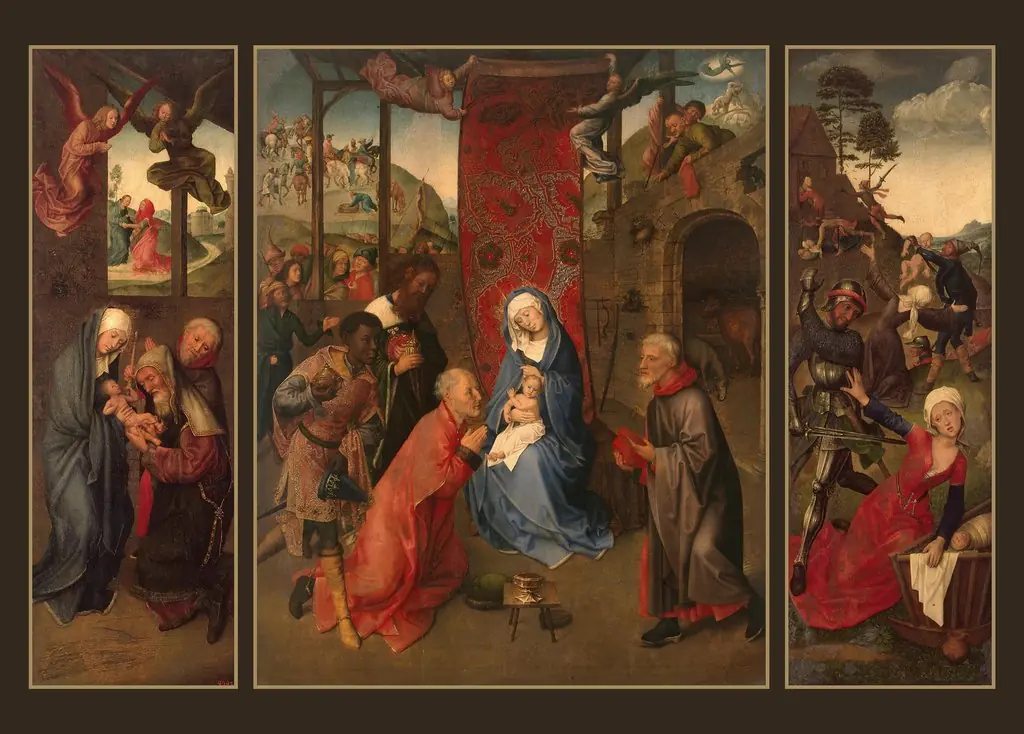 Adoration of the Magi (Triptych)
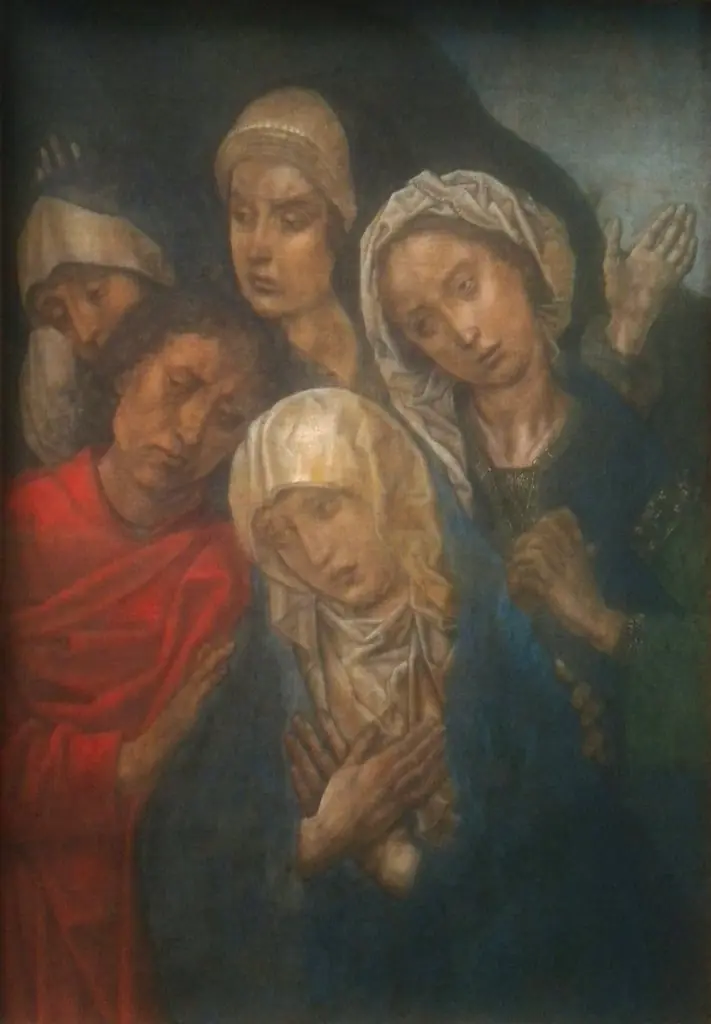 The Mourning of Christ
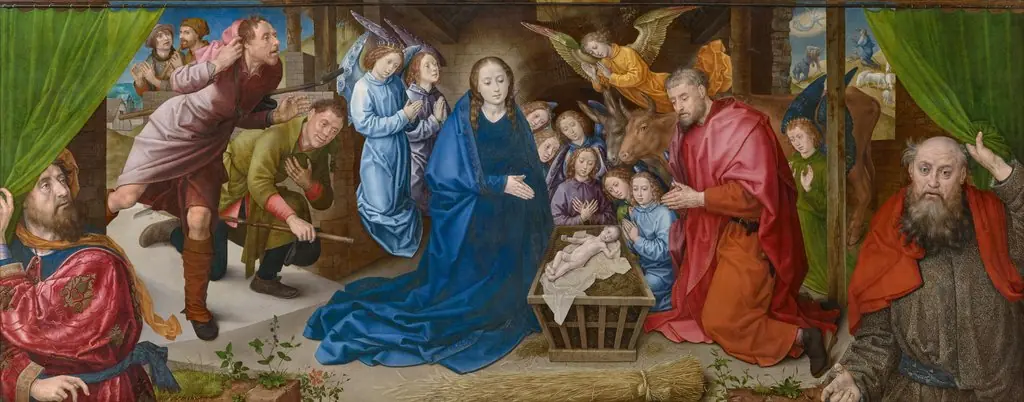 Adoration of the Shepherds
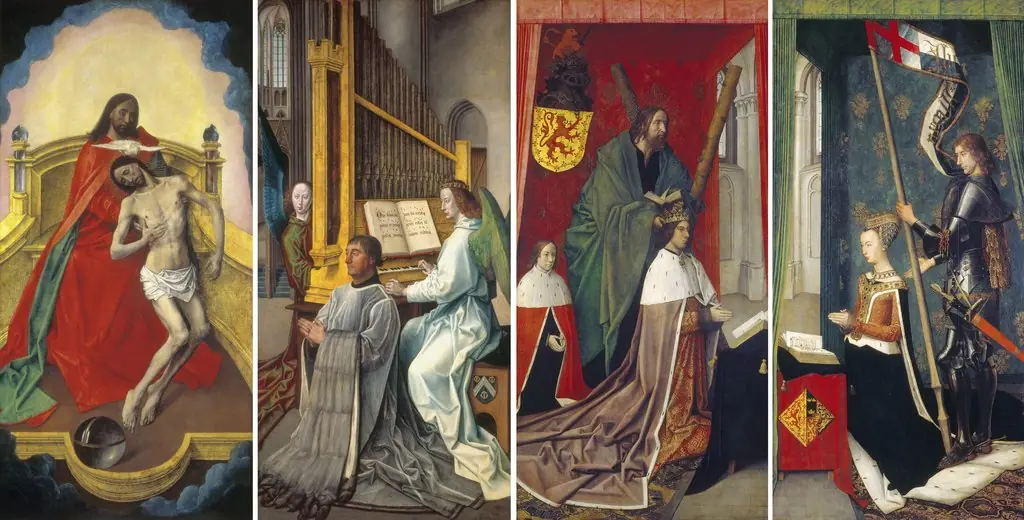 Trinity Altarpiece
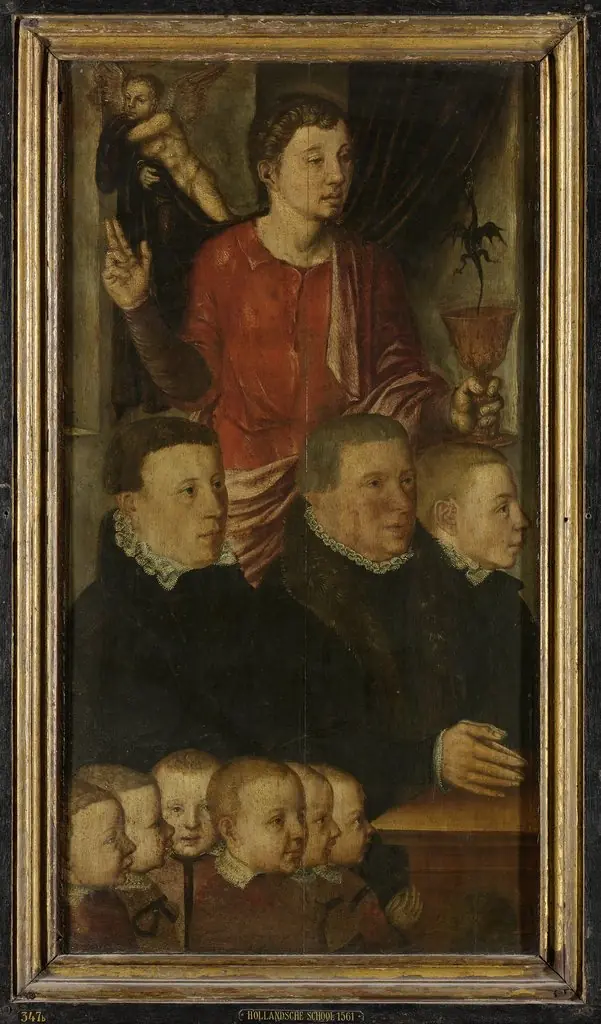 Left wing of a Memorial Triptych, formerly called the Gertz Memorial Triptych, with nine male Donor Portraits with Saint John the Evangelist (inner), and Saint Peter (outer)