Artwork
Virgin and Child
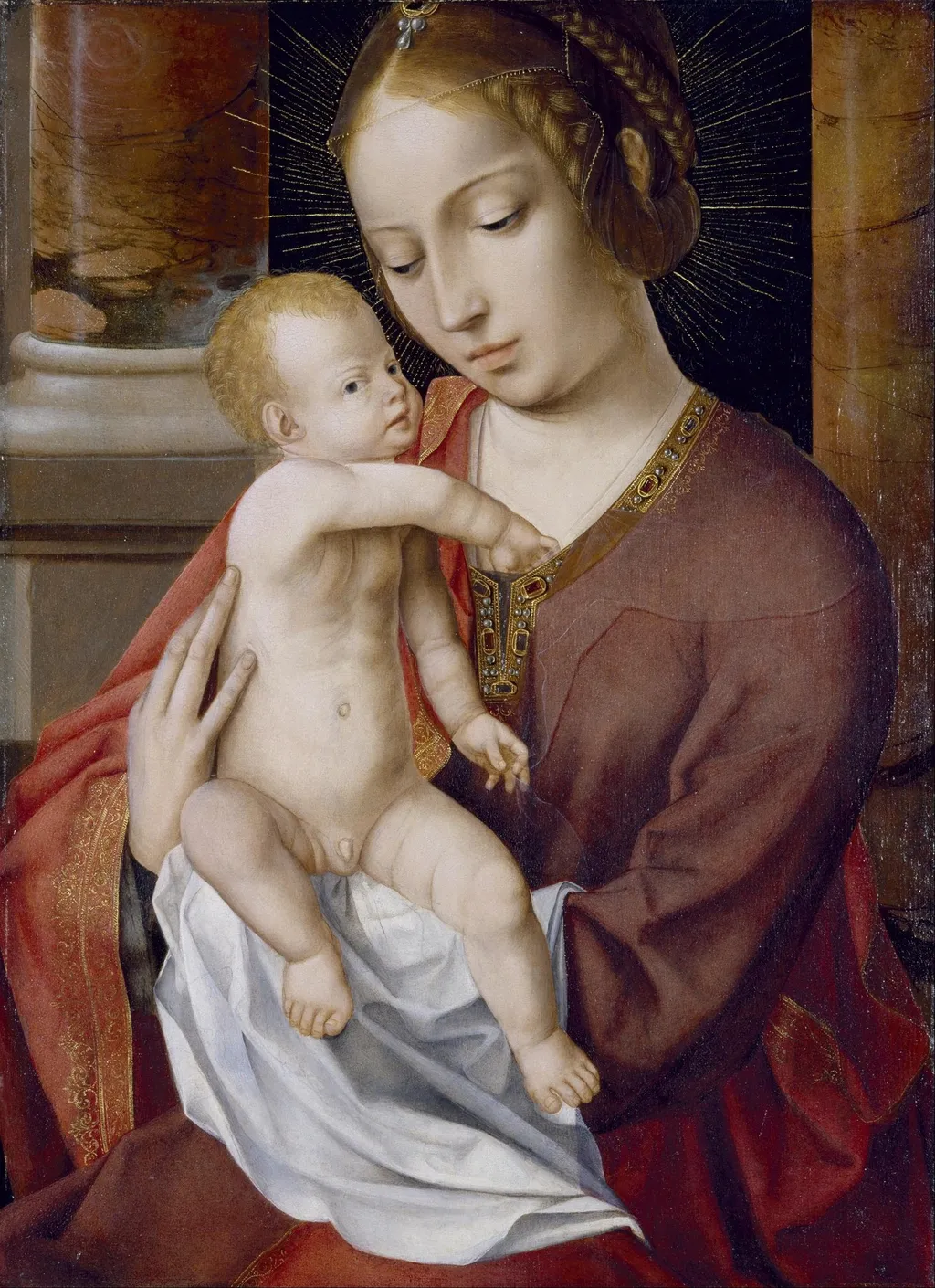
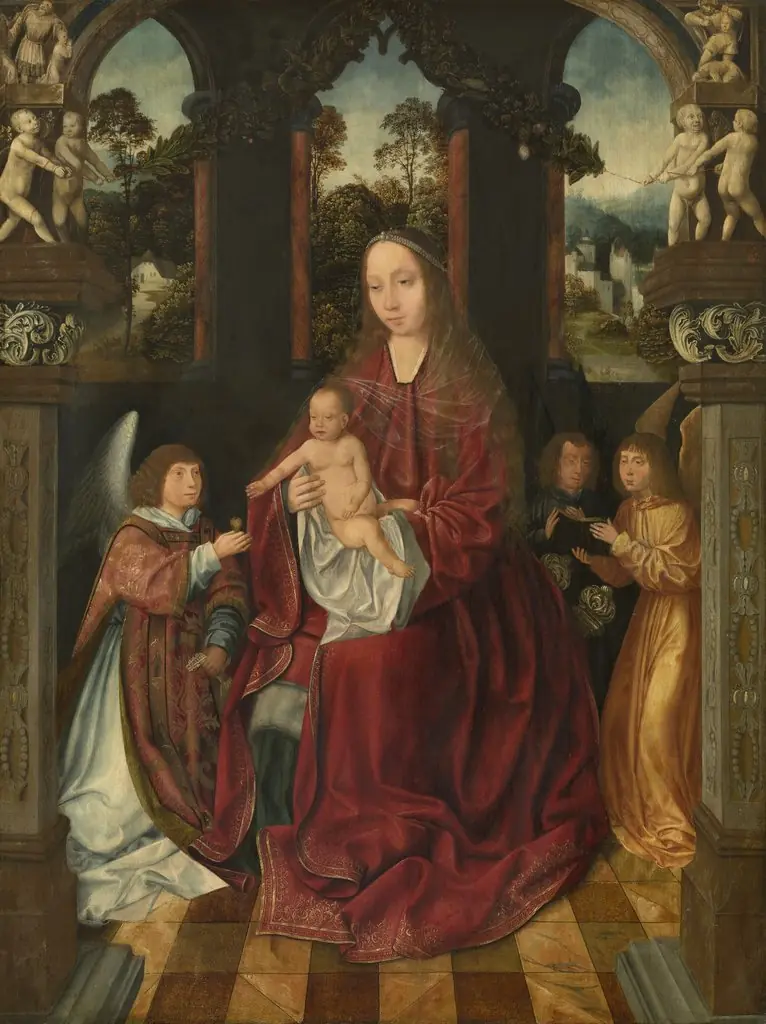
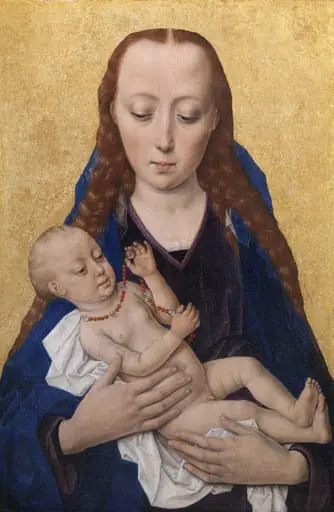
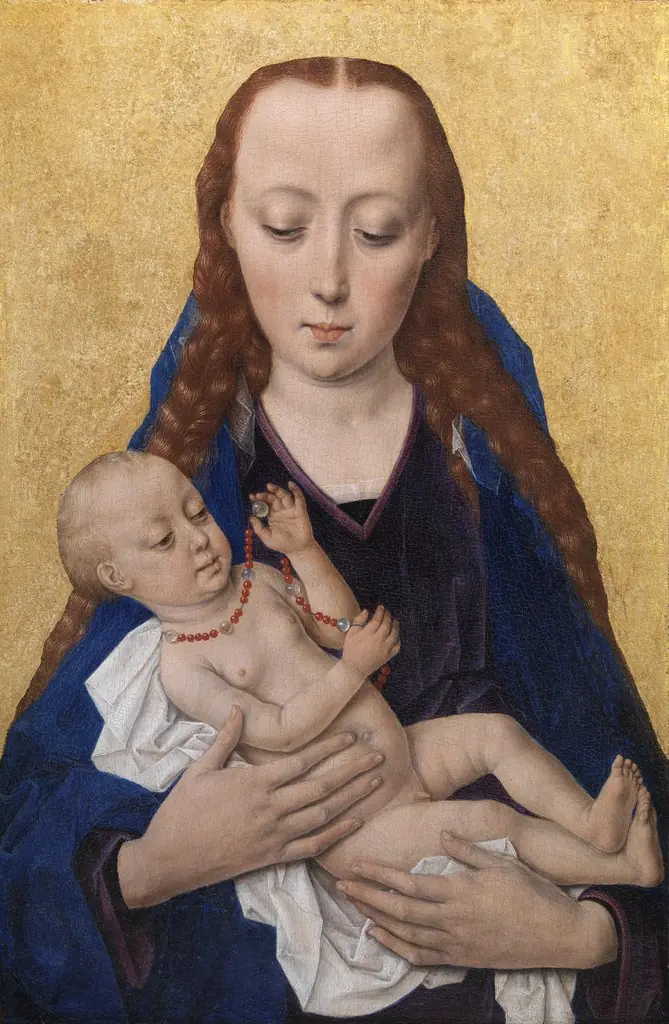
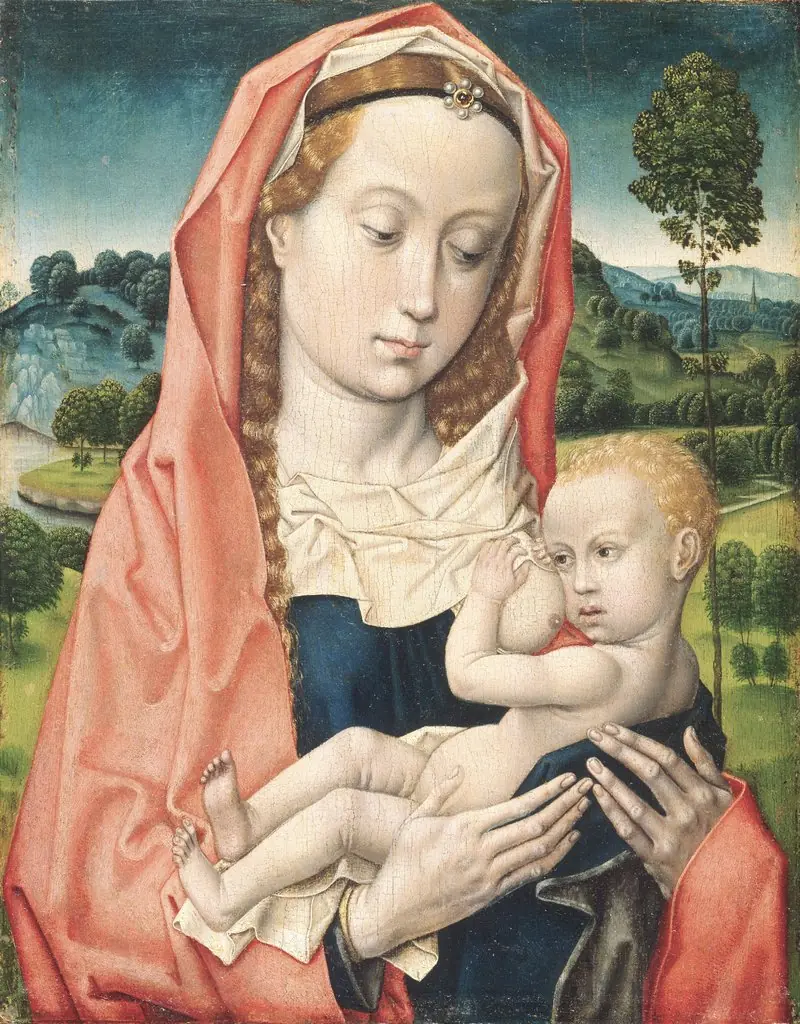
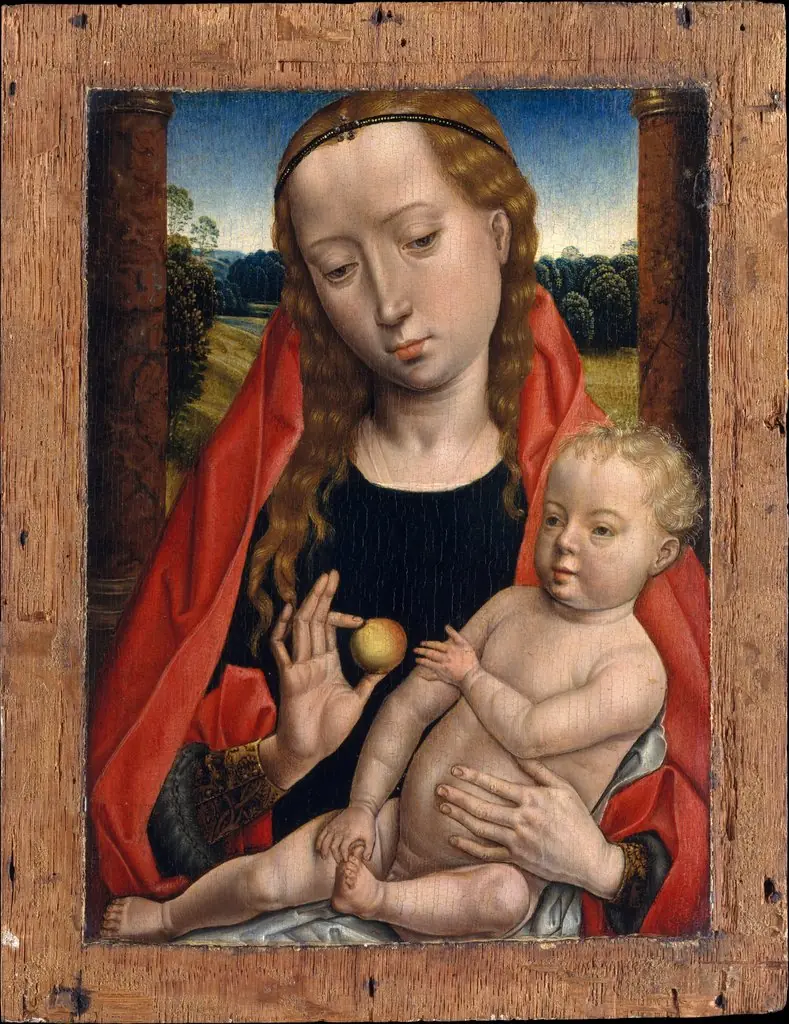
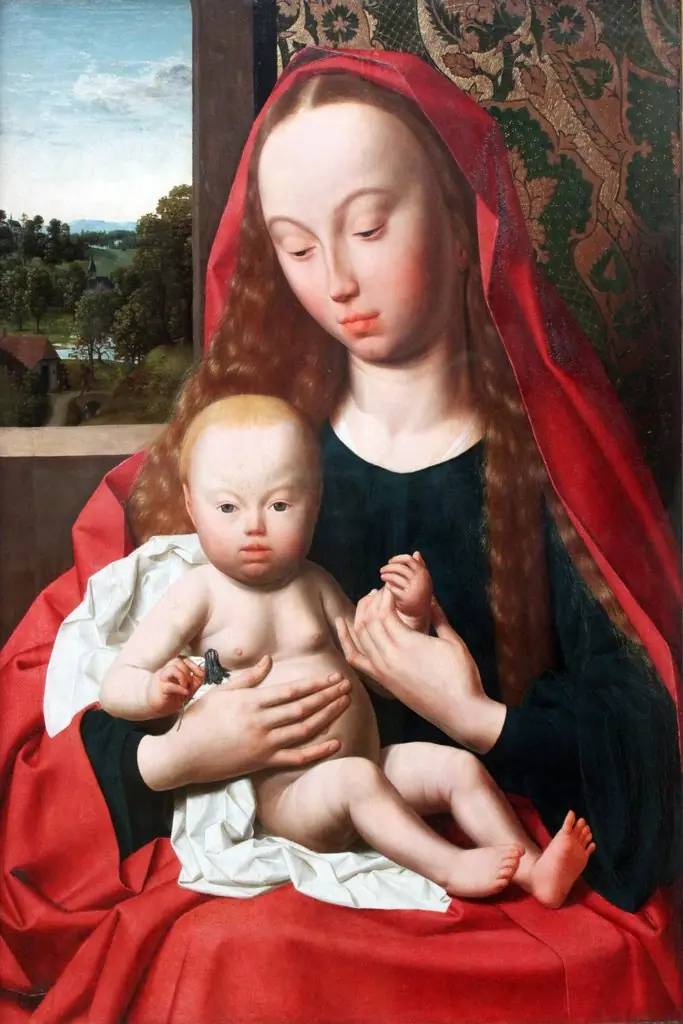
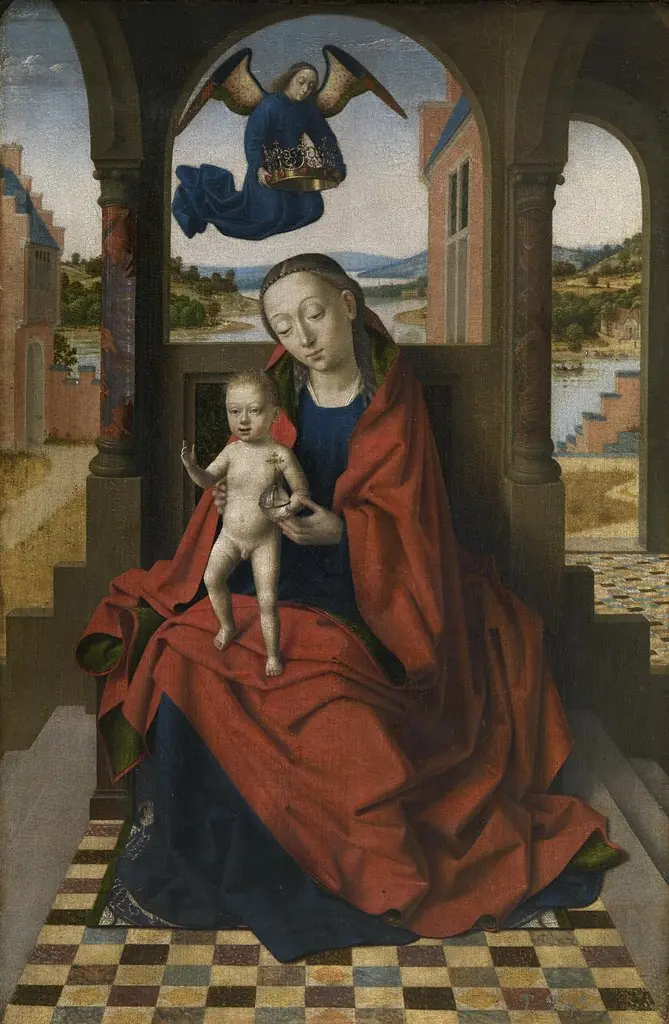
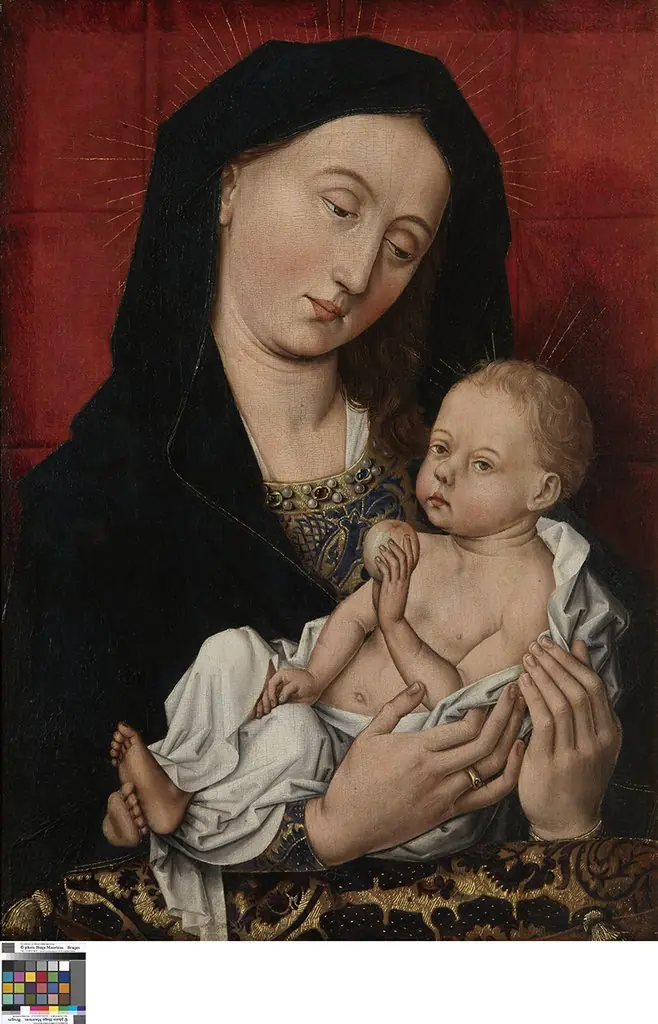
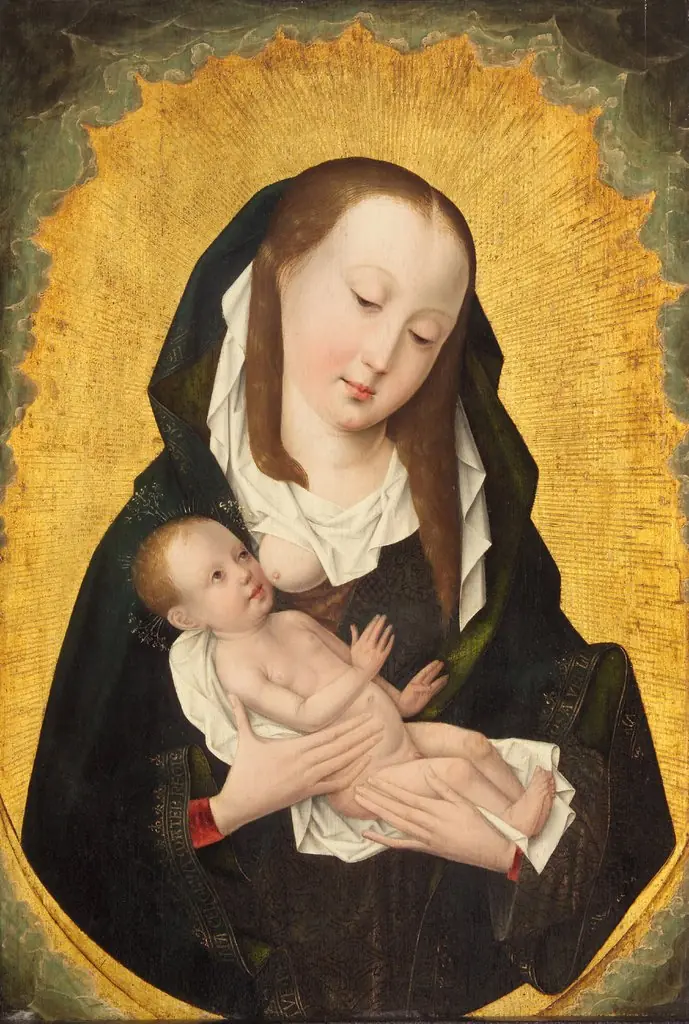
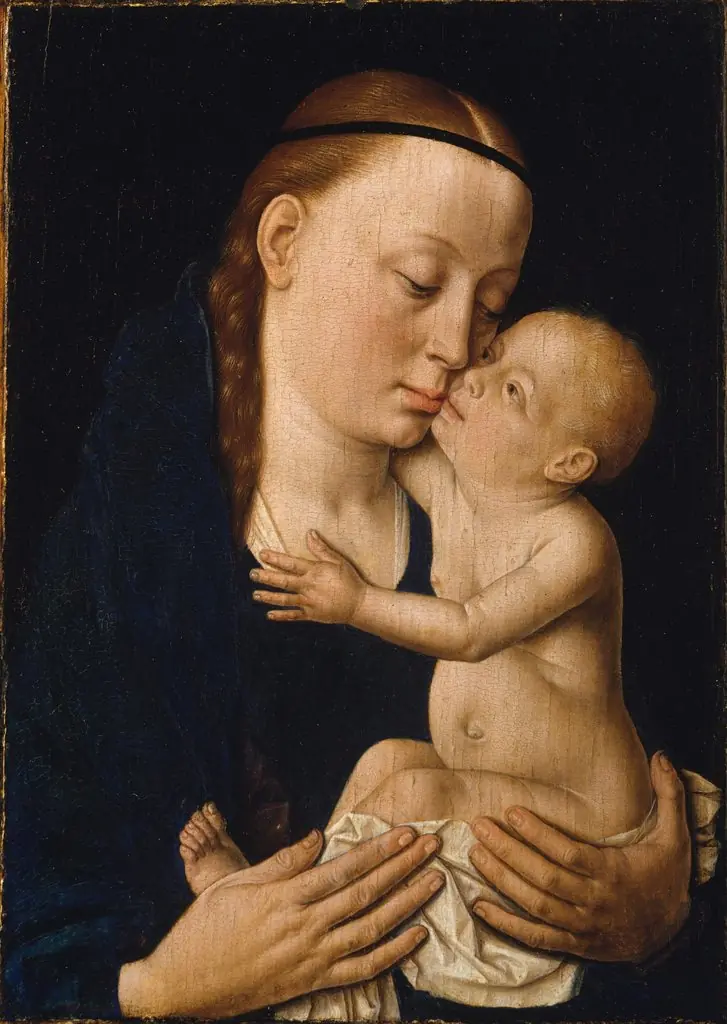
Virgin and Child is an oil painting by the Northern Renaissance artist Master of the Holy Blood. It dates from 1510 and is held in the collection of the Museum of Fine Arts, Houston.
About this work
Overview
The work exemplifies Early Netherlandish devotional art, characterized by quiet intimacy and meticulous detail.
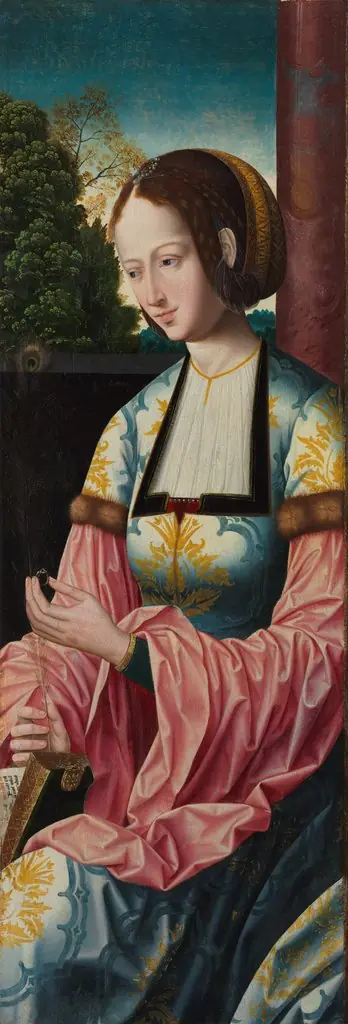
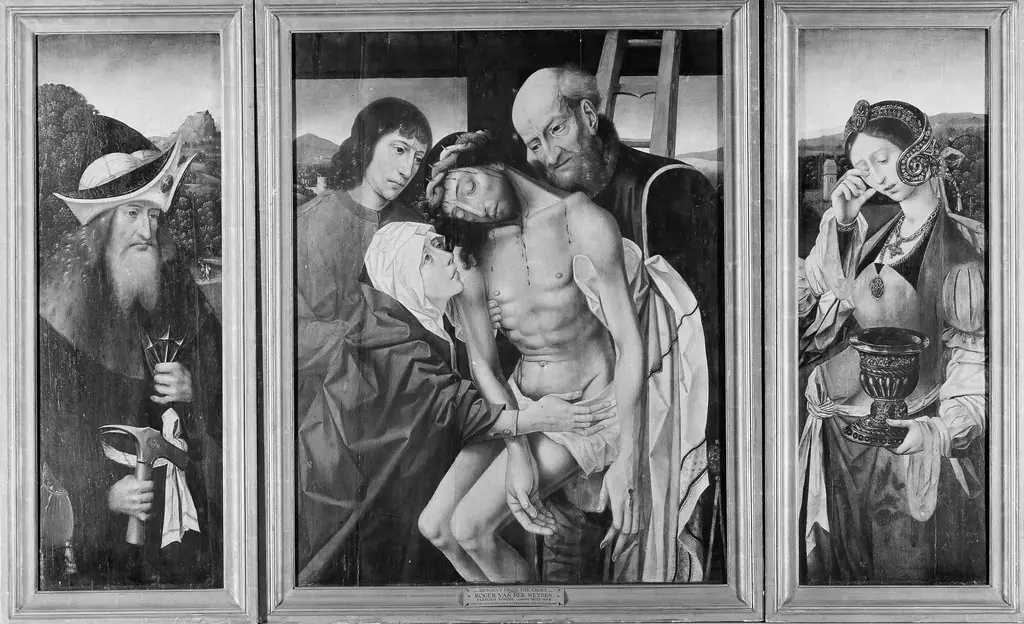
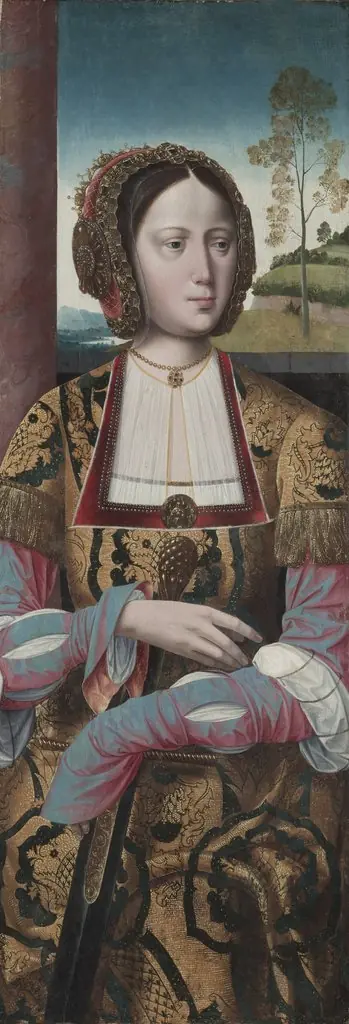
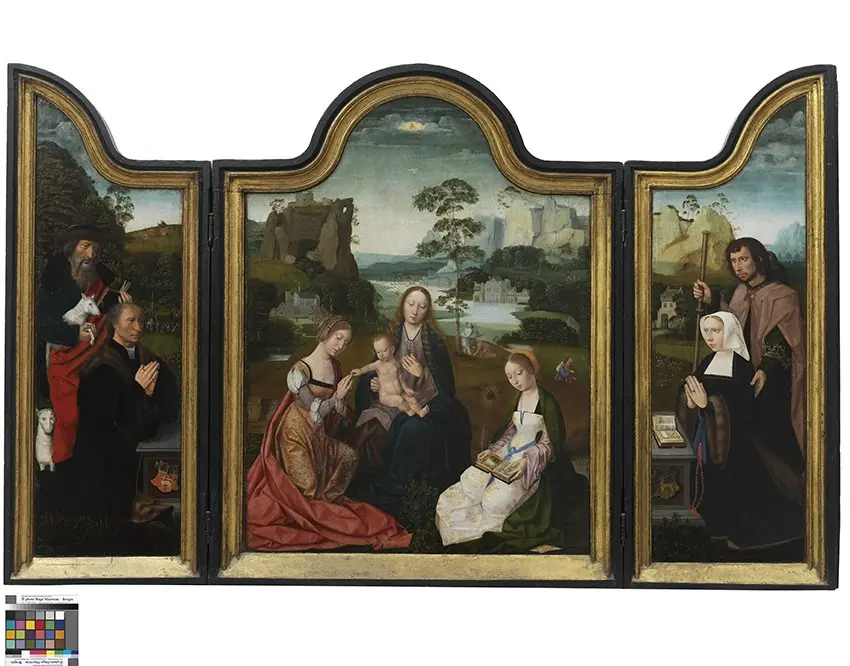
Created around 1510, this oil painting features the Virgin Mary with the infant Jesus, attributed to the Master of the Holy Blood, an anonymous artist active in Bruges. The work exemplifies Early Netherlandish devotional art, characterized by quiet intimacy and meticulous detail. It resides in the Museum of Fine Arts, Houston, as part of its Northern Renaissance collection. The artist’s identity remains obscure, known only through a workshop active in the early 16th century.
Subject & Meaning
The composition centers on a tender, contemplative moment between mother and child. Mary, depicted with serene dignity, cradles the naked Christ Child, whose gesture toward her chest suggests both dependence and divine recognition. The golden halo around her head signifies sanctity, while the stillness of their interaction invites quiet reverence. The scene avoids theatricality, emphasizing spiritual presence over narrative drama.
Technique & Style
The painting employs fine oil glazes to achieve subtle transitions in skin tones and fabric textures. Mary’s red robe, edged with gold embroidery, contrasts with the soft white drapery on her lap, enhancing the sense of material richness. The background is minimal—a stone column and a shadowed wall—directing focus to the figures. The brushwork is precise yet unobtrusive, typical of Northern Renaissance attention to quiet realism.
History & Provenance
The painting’s early history is undocumented, but its style aligns with devotional works produced in Bruges during the early 1500s. It entered the Museum of Fine Arts, Houston’s collection through documented acquisition, though its path from the Low Countries to the United States remains unclear. No records of its original commission or early owners have been identified.
Context
This work emerged during a period when Bruges was a center for religious art, catering to private devotion among the urban elite. Artists like the Master of the Holy Blood produced small-scale panels for domestic altarpieces or personal prayer. The emphasis on tenderness and realism reflects broader Northern Renaissance trends, where spiritual themes were rendered with intimate, humanizing detail.
Legacy
Though the artist’s name is lost, this painting contributes to the understanding of anonymous workshop practices in early 16th-century Flanders. Its preservation allows study of devotional aesthetics and regional techniques. It stands as a quiet example of how religious imagery in the Northern Renaissance prioritized emotional resonance over grandeur, influencing later generations of painters focused on personal piety.
Own this work as a print
Artist & collection
Artist
Master of the Holy Blood (active 1510–1520) was an Early Netherlandish painter, whose workshop was located in Bruges (Belgium).