Artwork
Portrait of Philips Denijs (1604-66)
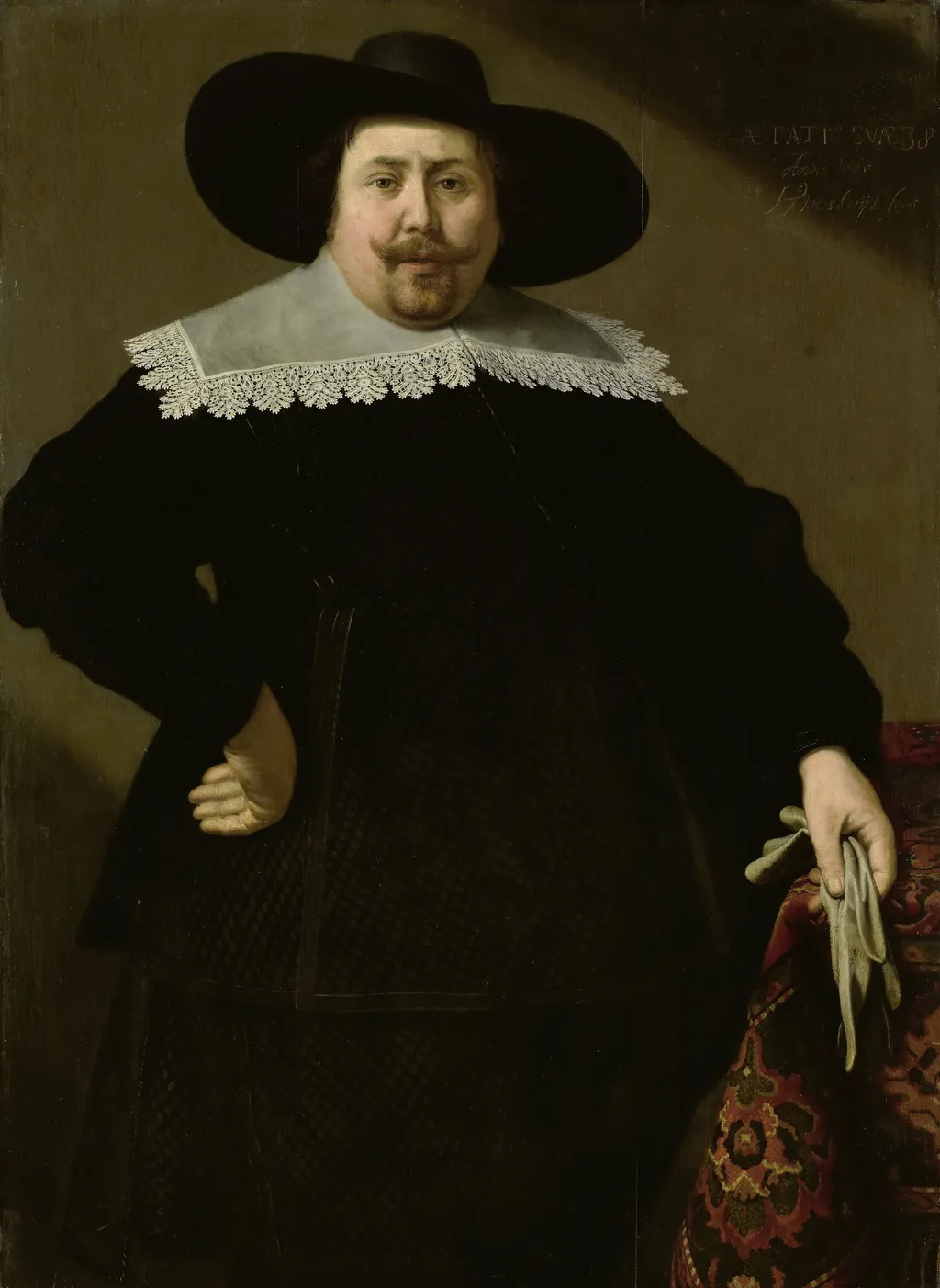
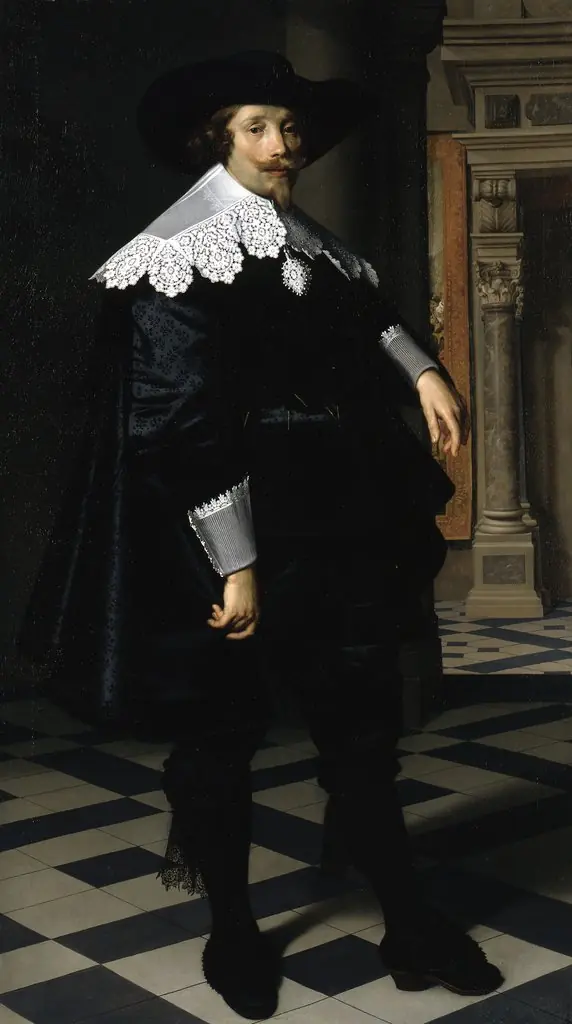
Portrait of Philips Denijs (1604-66) is an oil painting by the Dutch Golden Age artist Huijgh Pietersz Voskuijl. It dates from 1640 and is held in the collection of the Rijksmuseum.
About this work
Overview
Huijgh Pietersz Voskuijl, a Dutch painter active in the mid-17th century, completed the portrait of Philips Denijs in 1640.
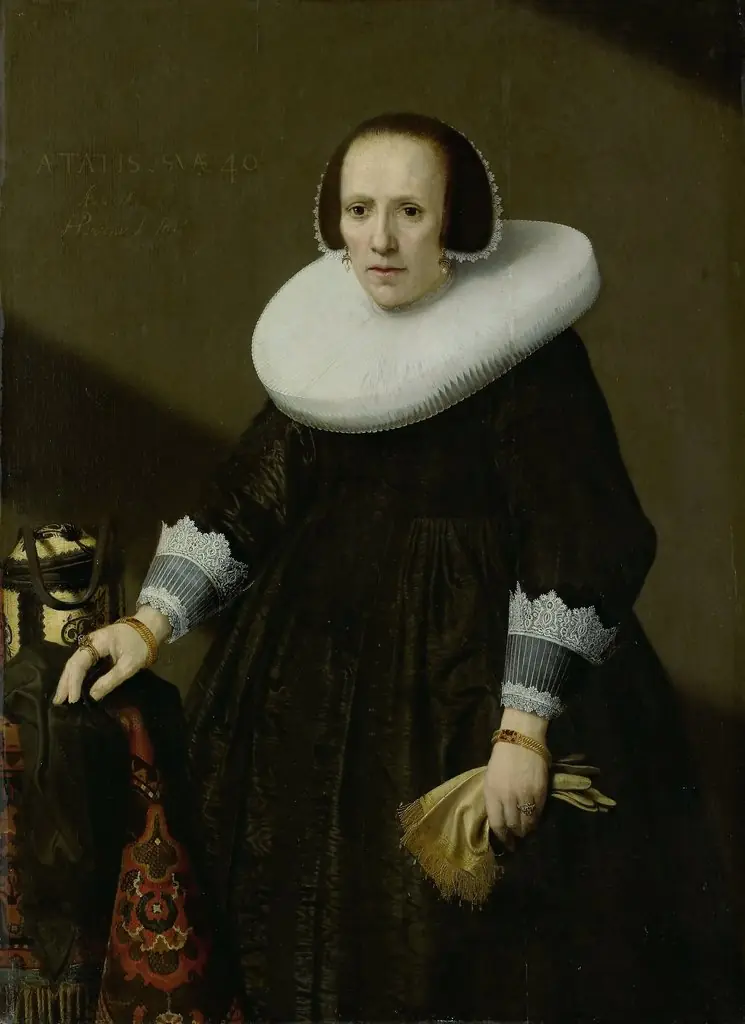
Huijgh Pietersz Voskuijl, a Dutch painter active in the mid-17th century, completed the portrait of Philips Denijs in 1640. Executed in oil on canvas, the work is one of two companion pieces depicting Denijs and his wife, Geertruyd Reael. Voskuijl, trained under Pieter Isaacsz and based in Amsterdam, belonged to a generation of portraitists who captured the quiet dignity of the urban elite during the Dutch Golden Age.
Subject & Meaning
Philips Denijs, a brewer in Amsterdam, is portrayed with restrained formality, reflecting his social standing. His attire—black coat, wide-brimmed hat, and crisp lace collar—signals wealth and sobriety, values prized among the city’s merchant class. The folded cloth or glove in his hand suggests composure and self-possession. The paired portrait with his wife implies a shared identity, common in bourgeois portraiture of the era.
Technique & Style
Voskuijl employed subtle chiaroscuro to model Denijs’s face and garments, using soft transitions between light and shadow to create volume without dramatic contrast. The dark, unadorned background isolates the figure, emphasizing texture and detail in fabric and lace. Brushwork is precise yet unobtrusive, favoring naturalism over embellishment, a hallmark of Amsterdam’s portrait tradition at the time.
History & Provenance
The painting’s early ownership is undocumented, but it has long been associated with Denijs’s family and later entered public collections. Voskuijl’s small surviving body of work has led to occasional misattributions to Bartholomeus van der Helst, whose style evolved from similar roots. Scholarly attention has grown in recent decades as researchers reassess lesser-known contemporaries of Rembrandt’s circle.
Context
During the 1640s, Amsterdam’s rising merchant class commissioned portraits to affirm status and lineage. Unlike aristocratic portraiture elsewhere, Dutch examples favored understated realism over grandeur. Voskuijl’s work aligns with this trend, reflecting a culture where personal dignity, economic success, and modesty were visually intertwined in domestic imagery.
Legacy
Though Voskuijl’s output was limited and his name faded from public memory, his portraits contribute to understanding the evolution of Dutch civic portraiture. His restrained approach influenced later artists who prioritized psychological presence over ornament. Today, his works are studied as examples of how individual identity was rendered with quiet authority in 17th-century Amsterdam.
Own this work as a print
Artist & collection
Artist
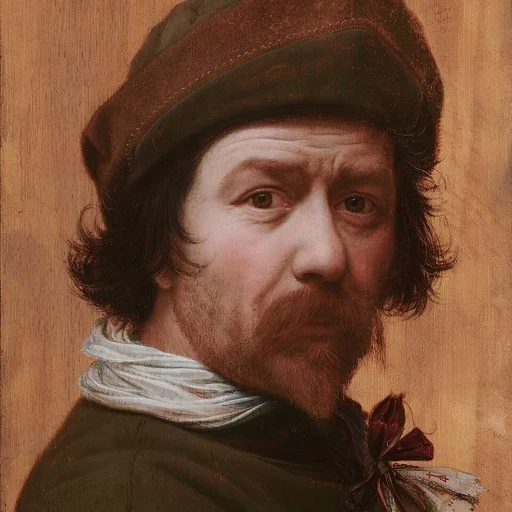
Huijgh Pietersz Voskuijl or Huygh Pietersz. Voskuyl (1591 – 1665) was a Dutch painter. Voskuijl was born in Amsterdam and became a pupil of Pieter Isaacsz. His works have previously been attributed to Bartholomeus van…

 Portrait of a Man
 Portrait of a man
 Portrait of Claes Duyst van Voorhout
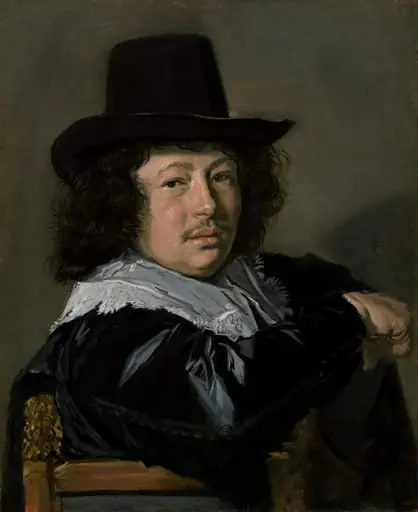 Portrait of a Young Man
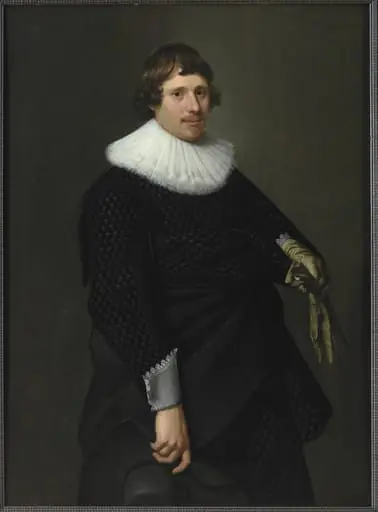 Portrait of a Man
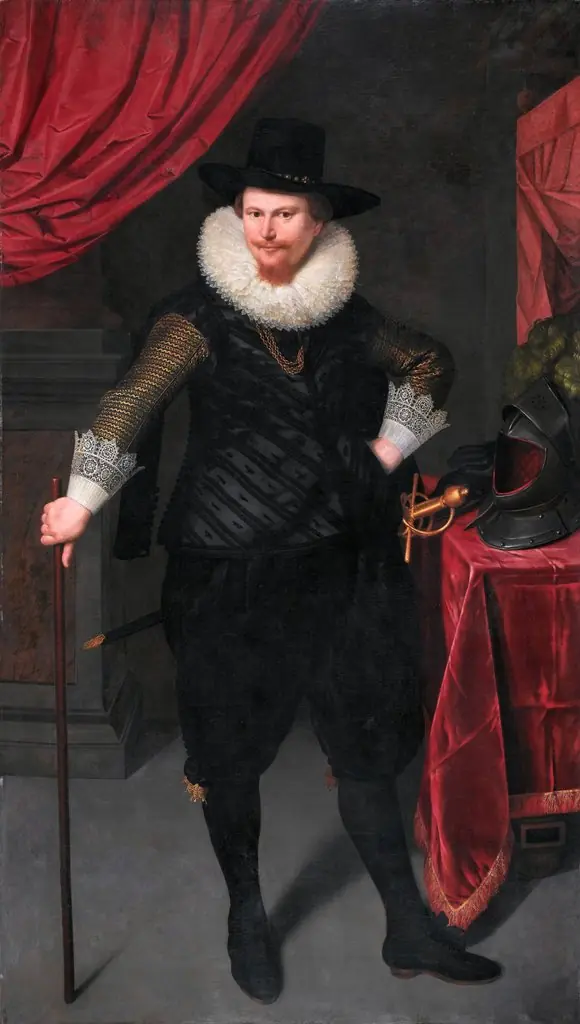 Portrait of Laurens Reael
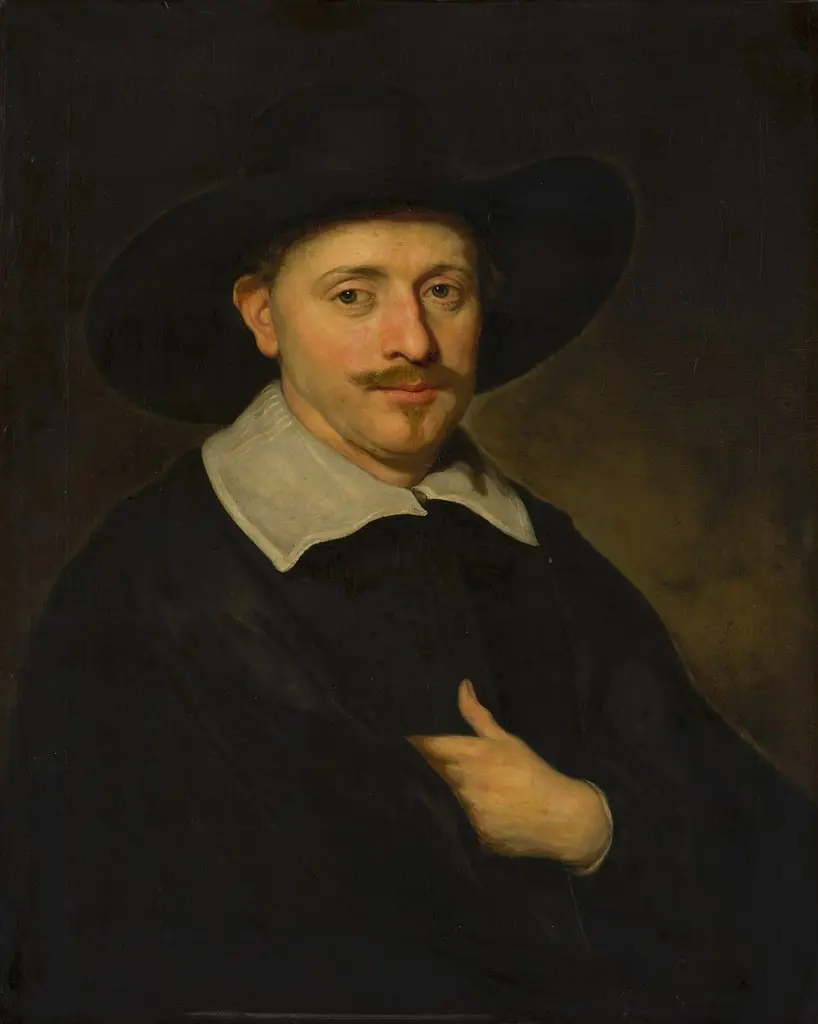 Portrait of a man
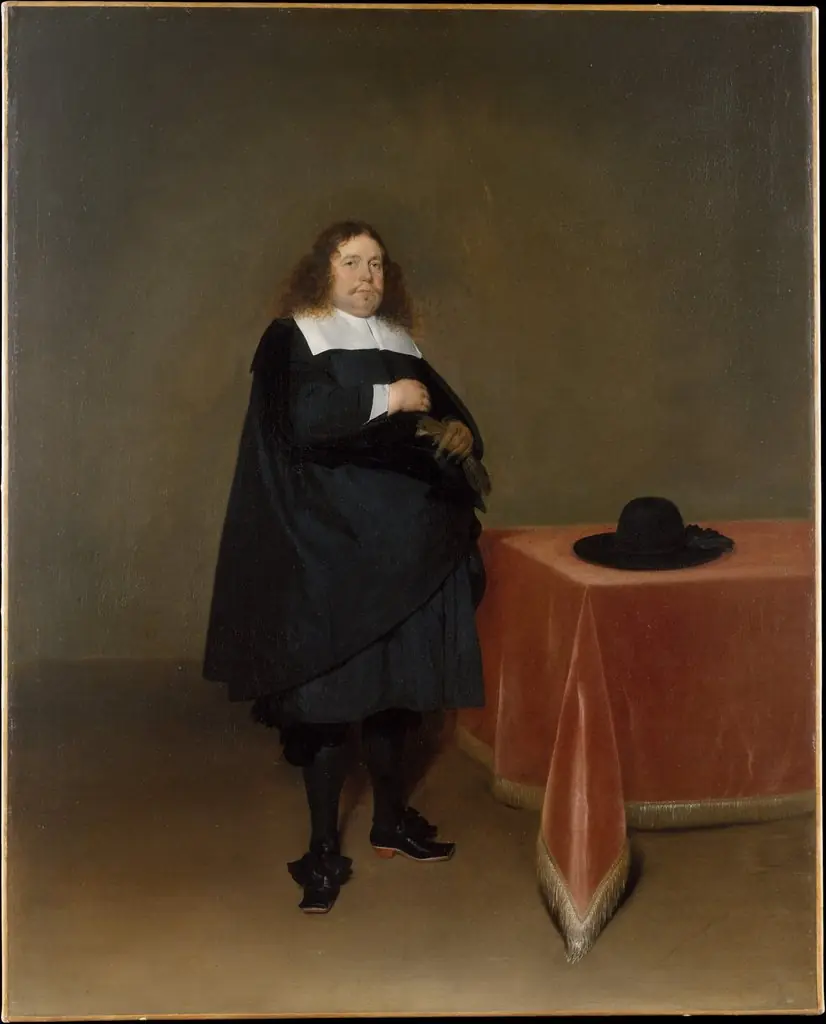 Burgomaster Jan van Duren (1613–1687)
 Portrait of Laurens Reael
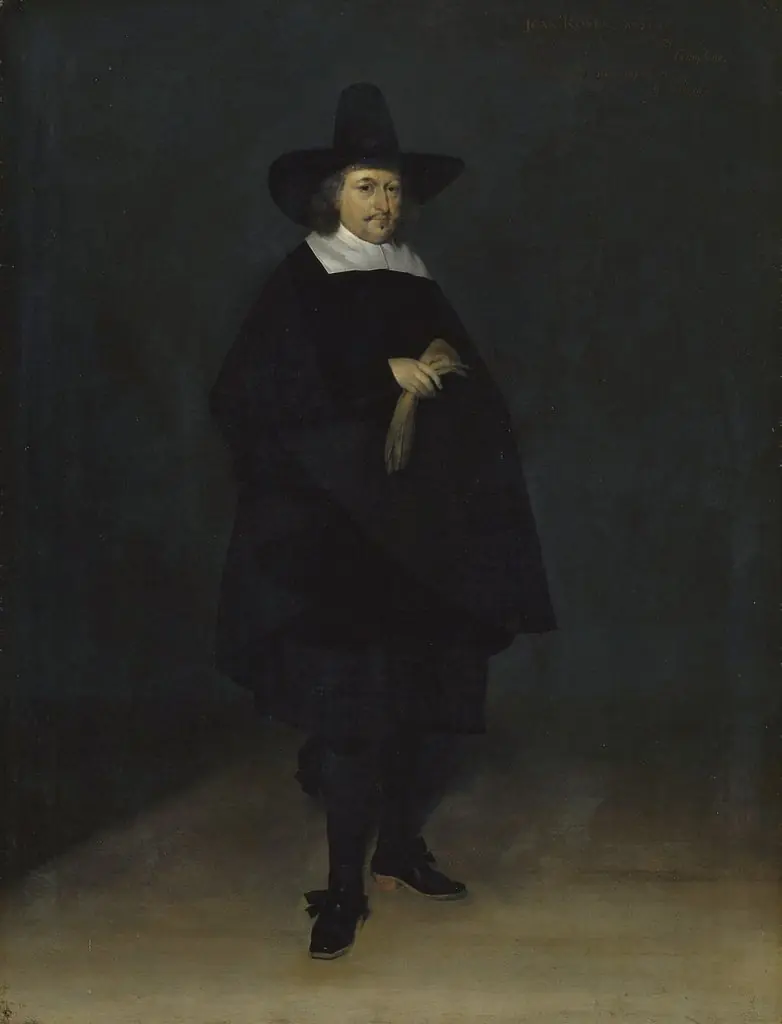 Jan Roever, Mayor of Deventer
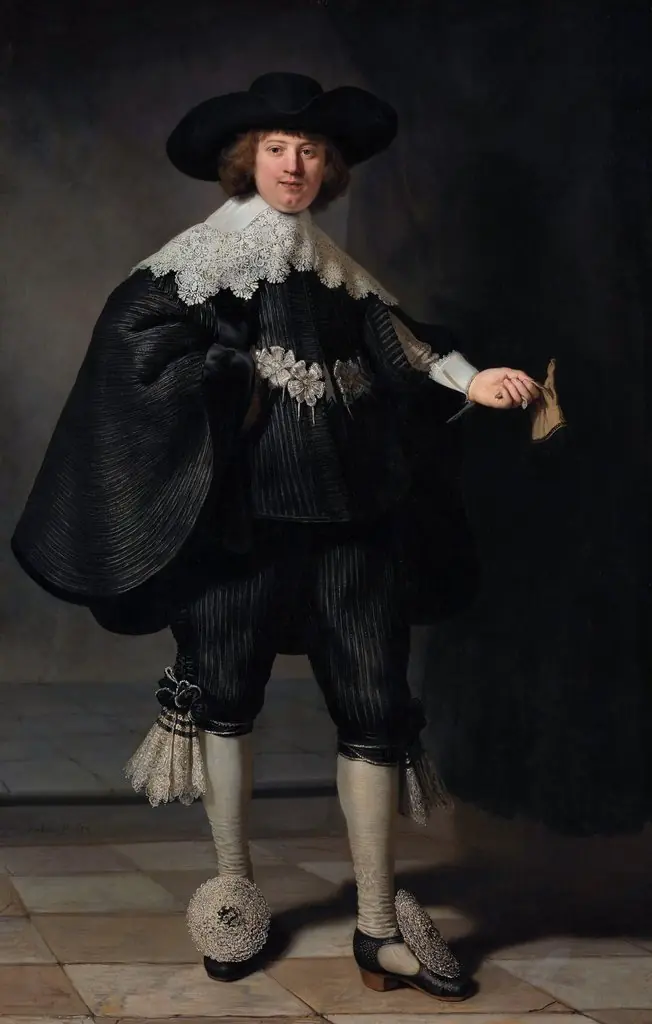 Portrait of Maerten Soolmans
 Portrait of Cornelis de Graeff