Artwork
Portrait of a Man
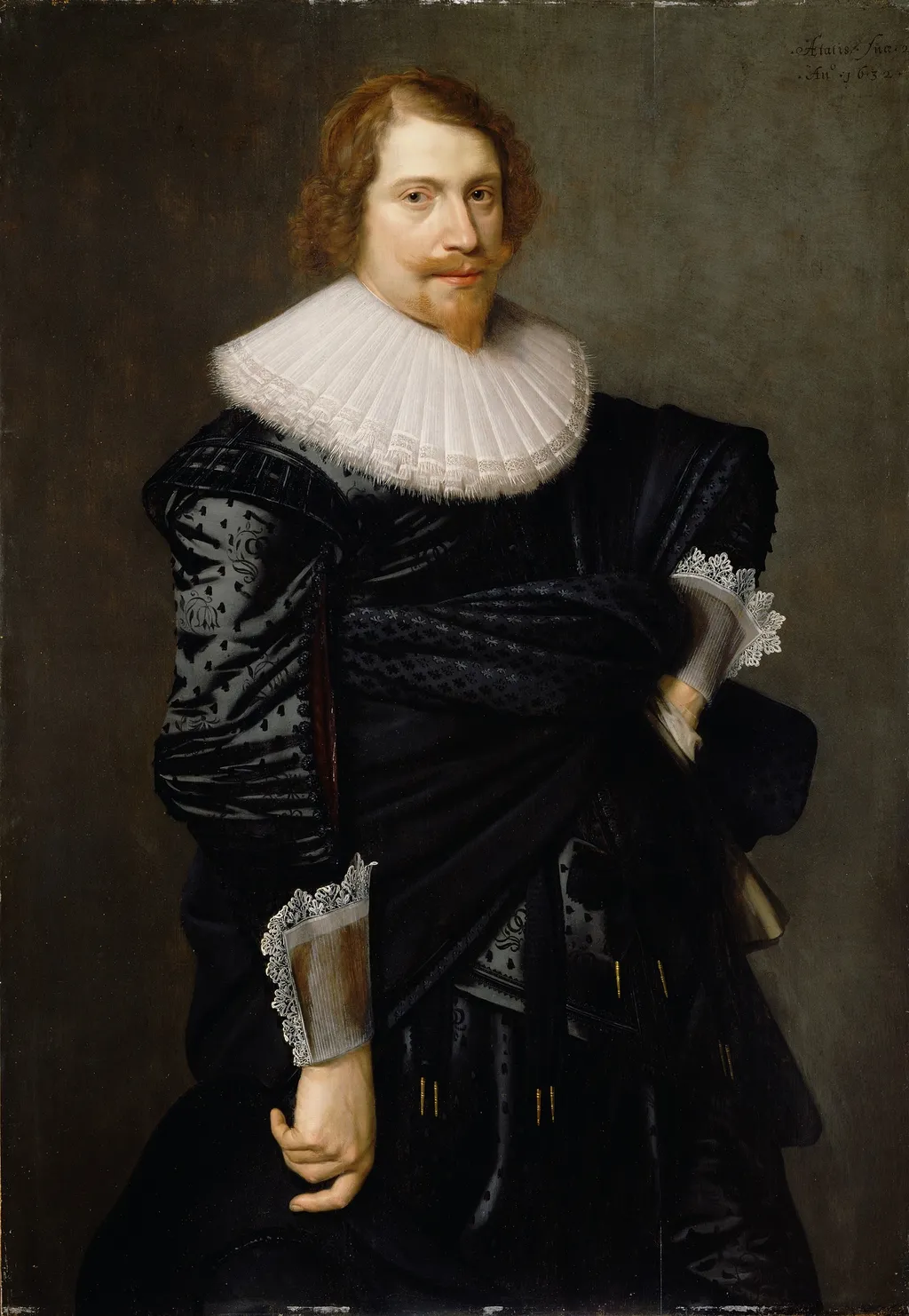
Portrait of a Man is an oil painting by the Dutch Golden Age artist Nicolaes Eliaszoon Pickenoy. It dates from 1632 and is held in the collection of the J. Paul Getty Museum.
About this work
Overview
Nicolaes Eliaszoon Pickenau’s *Portrait of a Man* (1632) is an oil painting on canvas that presents a solitary male sitter. The work is part of the J. Paul Getty Museum’s collection and exemplifies the restrained elegance typical of Dutch portraiture in the early seventeenth century.
Subject & Meaning
The figure is dressed in formal black attire, accented by a white ruffled collar and lace‑trimmed cuffs. Red hair and a neatly trimmed beard frame his face, while his right hand is clenched in a subtle fist, suggesting a controlled self‑presentation rather than overt display.
Technique & Style
Executed in oil, the portrait displays Pickenau’s careful handling of texture: the sheen of silk, the delicate translucency of lace, and the matte darkness of the background are rendered with fine brushwork. The muted backdrop isolates the sitter, allowing the nuanced modeling of light on flesh and fabric to dominate the visual field.
History & Provenance
Created in 1632, the painting reflects Pickenau’s mature period after probable apprenticeship with Cornelis van der Voort and before his own teaching of Bartholomeus van der Helst. The work entered the Getty Museum’s holdings through acquisition in the twentieth century, though earlier ownership records remain sparse.
Context
The portrait emerges from a time when Dutch society favored sober, realistic depictions of individuals, often emphasizing moral restraint and social status. Pickenau’s Flemish roots and Dutch training positioned him within a network of artists who refined the genre of single‑figure portraiture for the burgeoning bourgeois clientele of the Republic.
Own this work as a print
Artist & collection
Artist
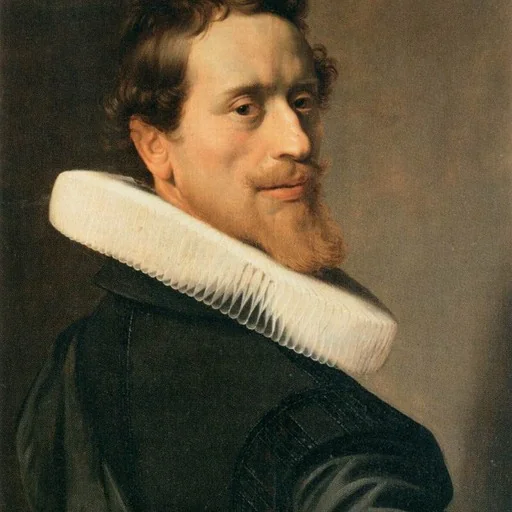
Nicolaes Eliaszoon Pickenoy (10 January 1588 – 1653/1656) was a Dutch painter of Flemish origin. Pickenoy was possibly a pupil of Cornelis van der Voort and presumably Bartholomeus van der Helst was his own pupil.

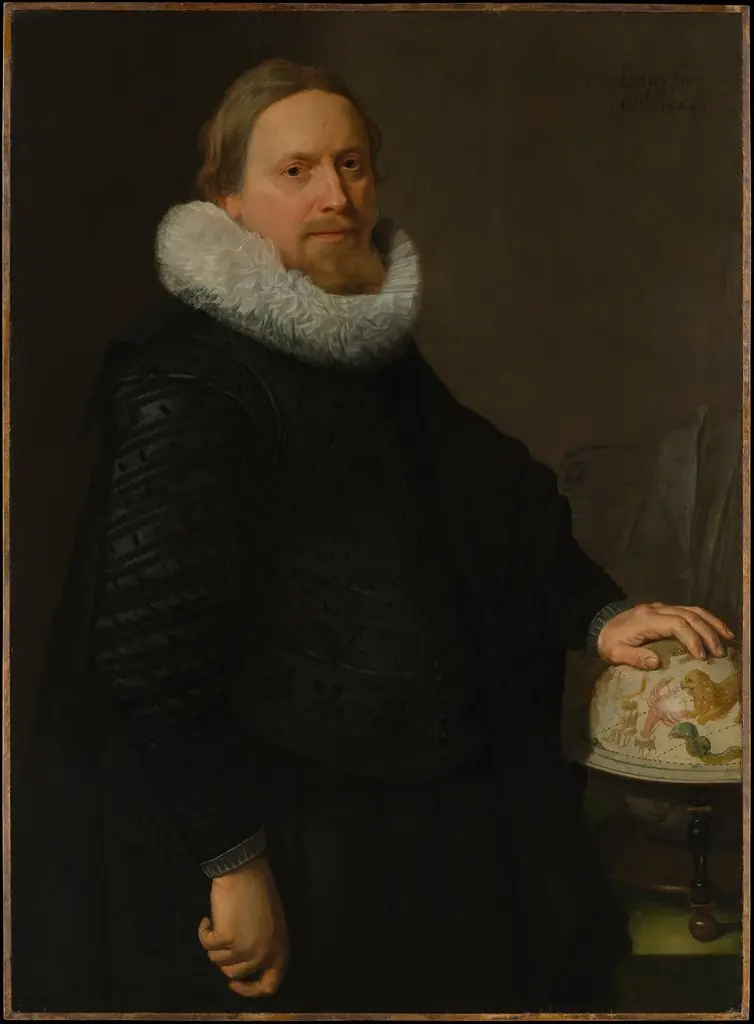 Man with a Celestial Globe
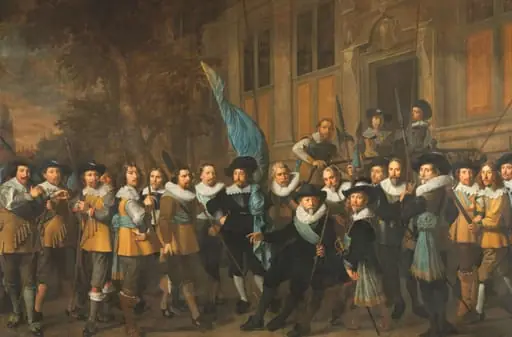 Officers and Other Civic Guardsmen of the IVth District of Amsterdam, under the Command of Captain Jan Claesz van Vlooswijck and Lieutenant Gerrit Hudde
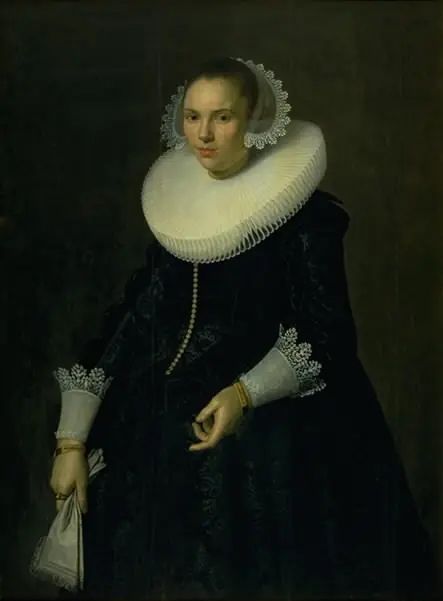 Portrait of a Lady
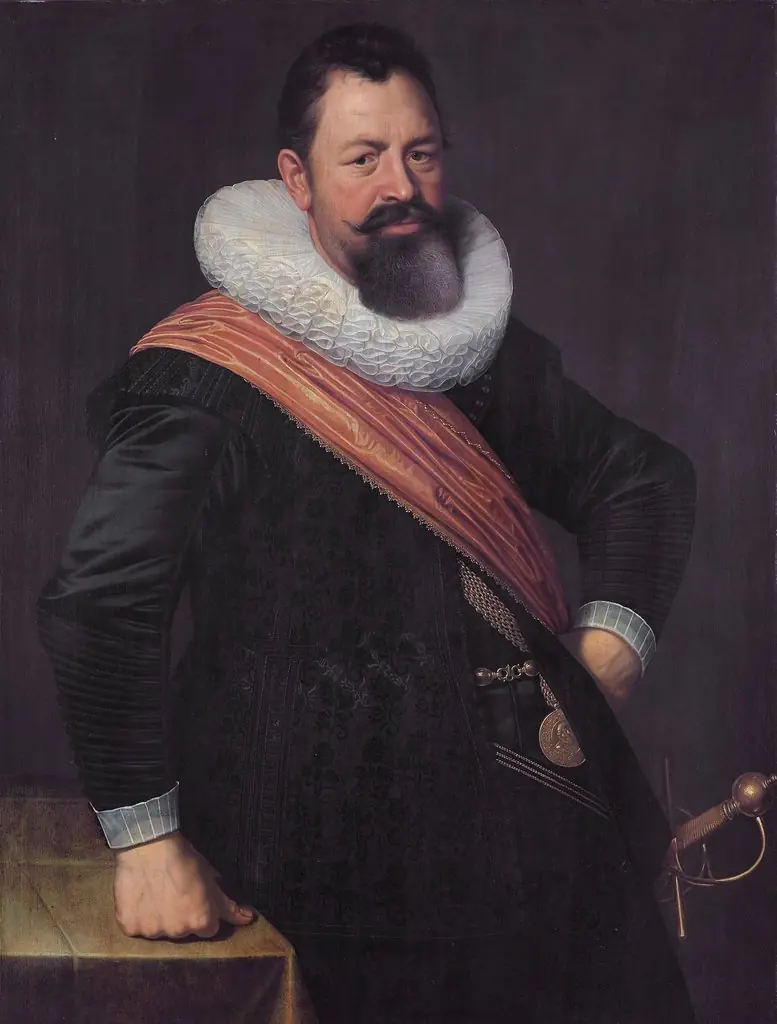 Portrait of Jochem Hendricksz Swartenhont (1566-1627)
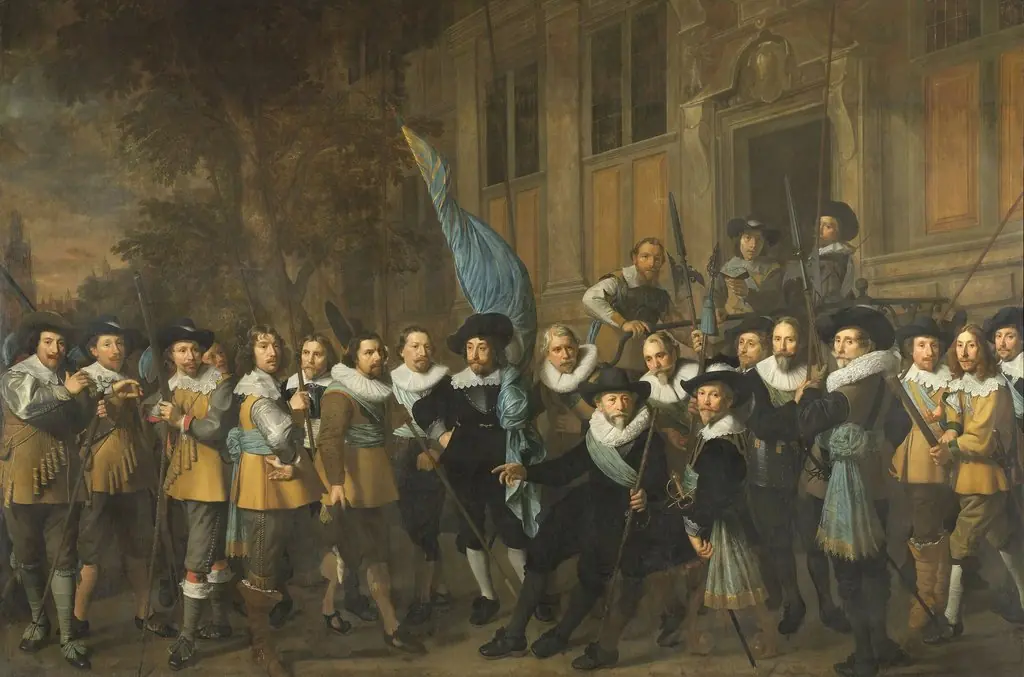 Officers and other civic guardsmen of the IVth District of Amsterdam, under the command of Captain Jan Claesz van Vlooswijck and Lieutenant Gerrit Hudde
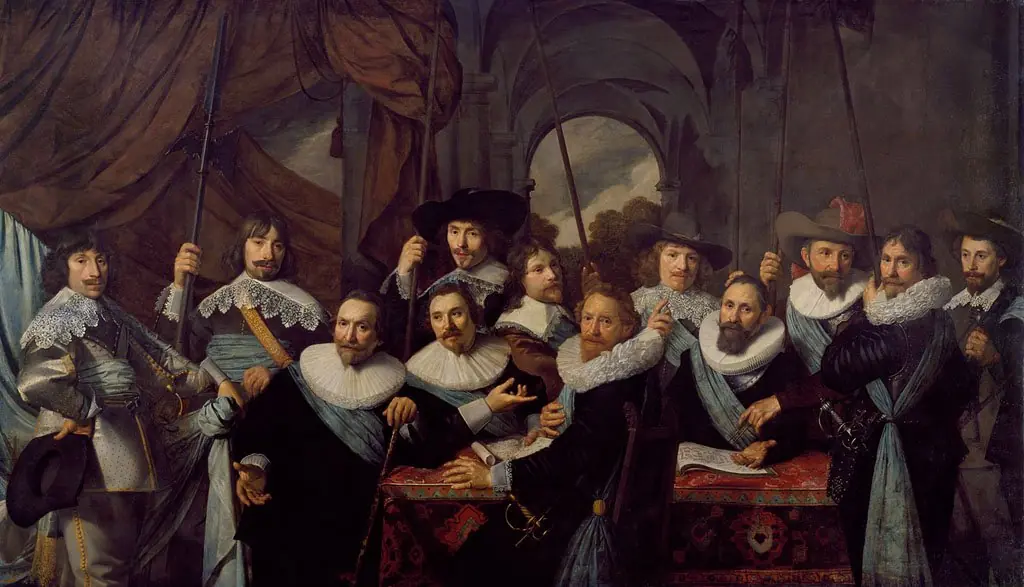 Members of the civic guard company of Captain Dirck Tholinx and Lieutenant Pieter Adriaenszn Raep
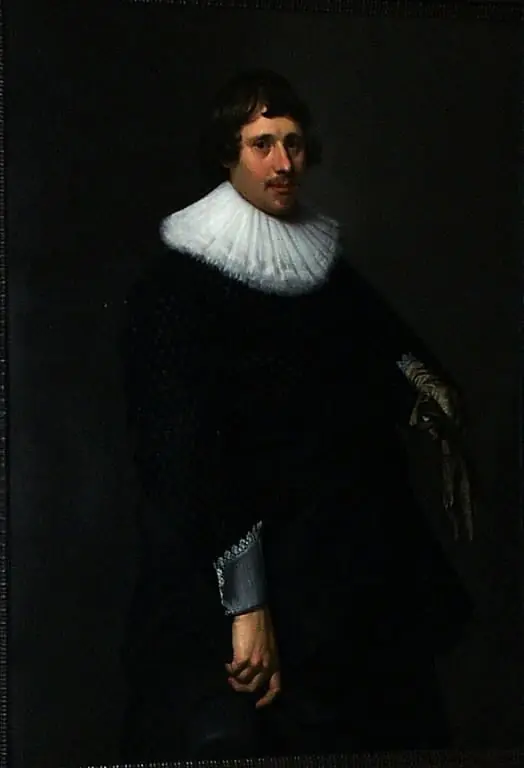 Portrait of a Man
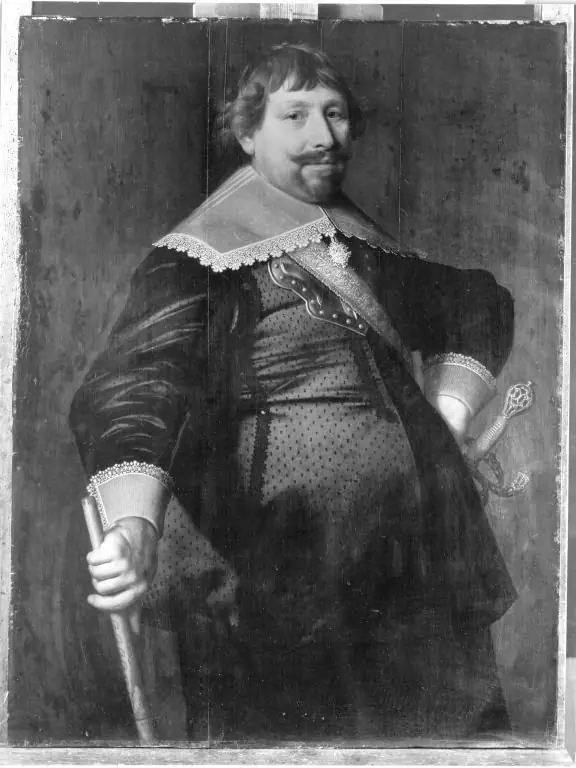 Portrait of a man
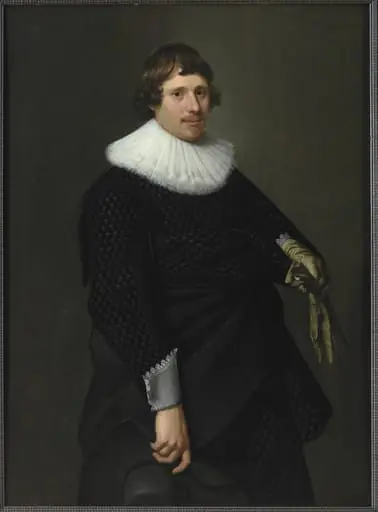 Portrait of a Man
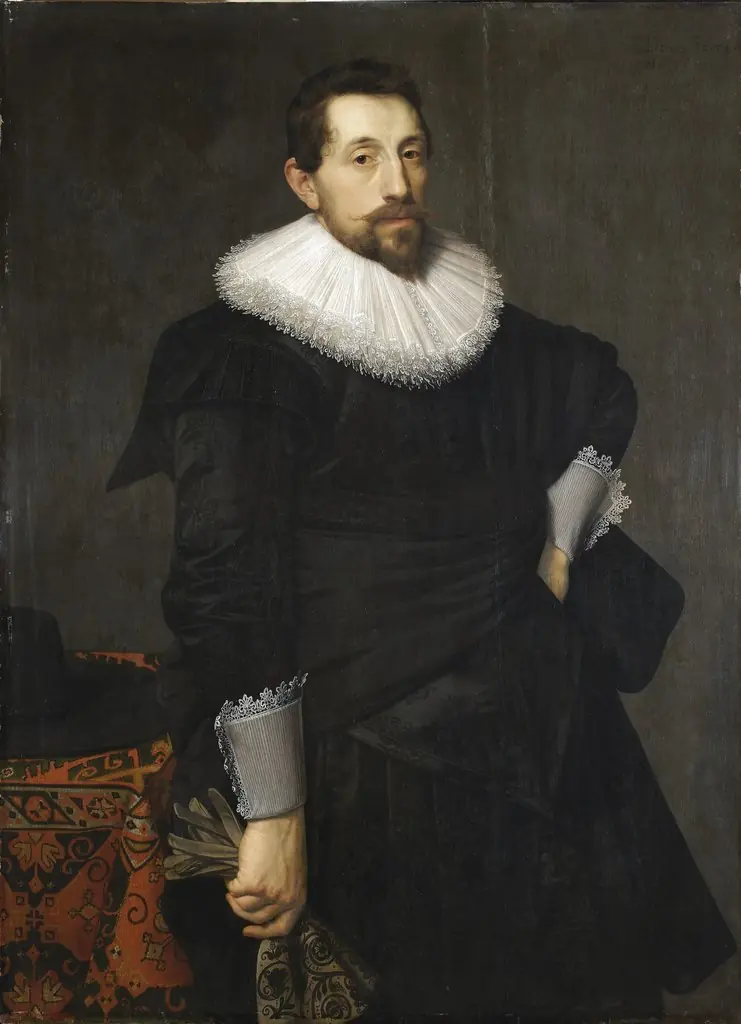 Portrait of a Man with Gloves
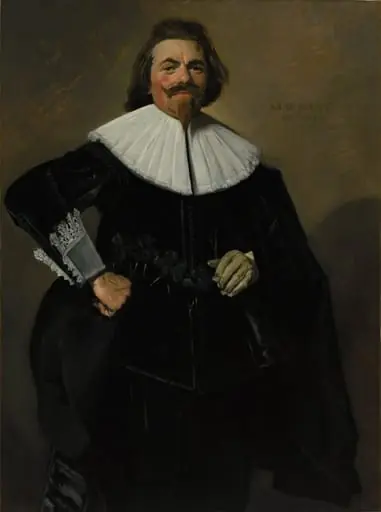 Portrait of Tieleman Roosterman
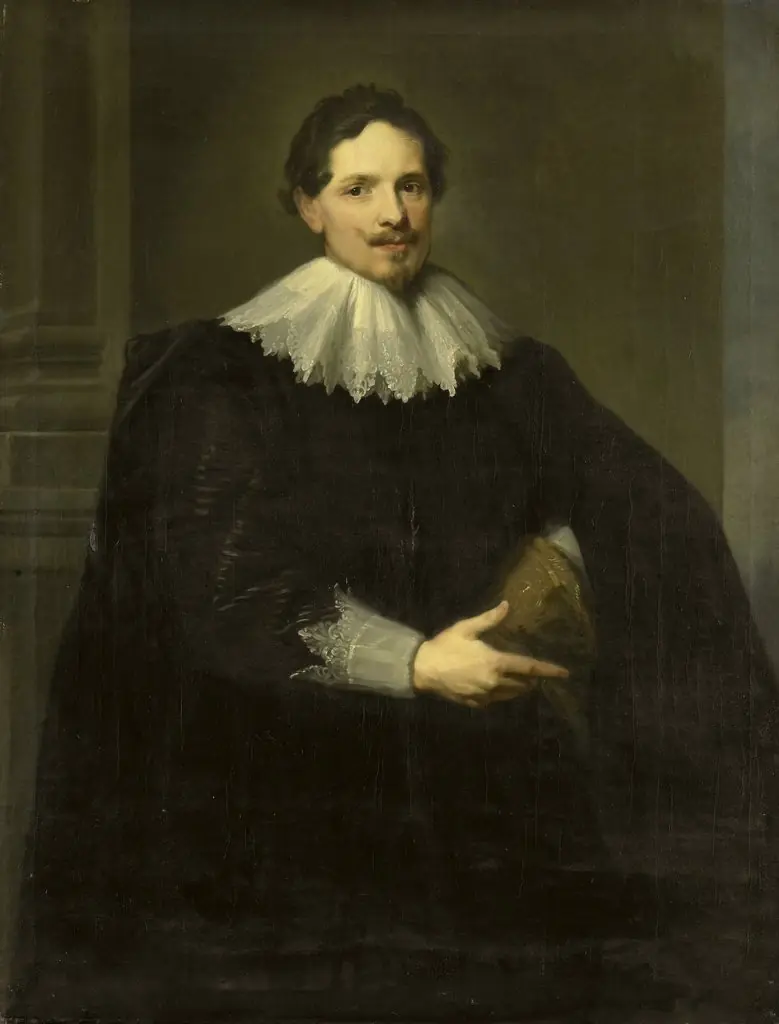 Sebastiaan Leerse, Antwerp Merchant
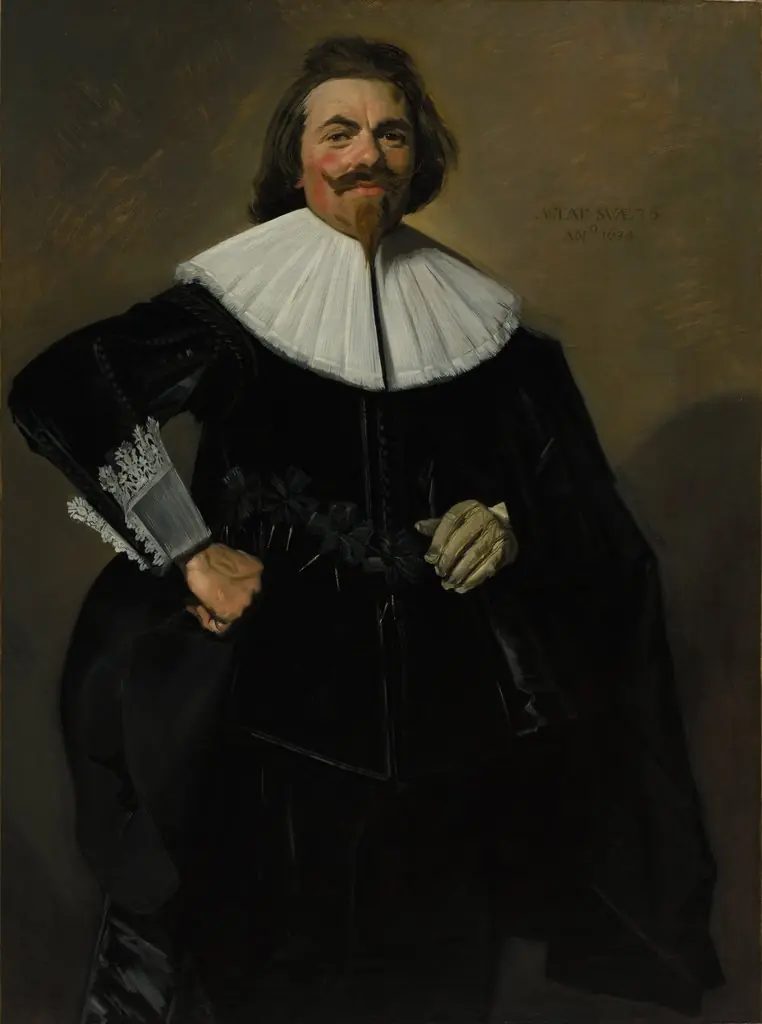 Portrait of Tieleman Roosterman
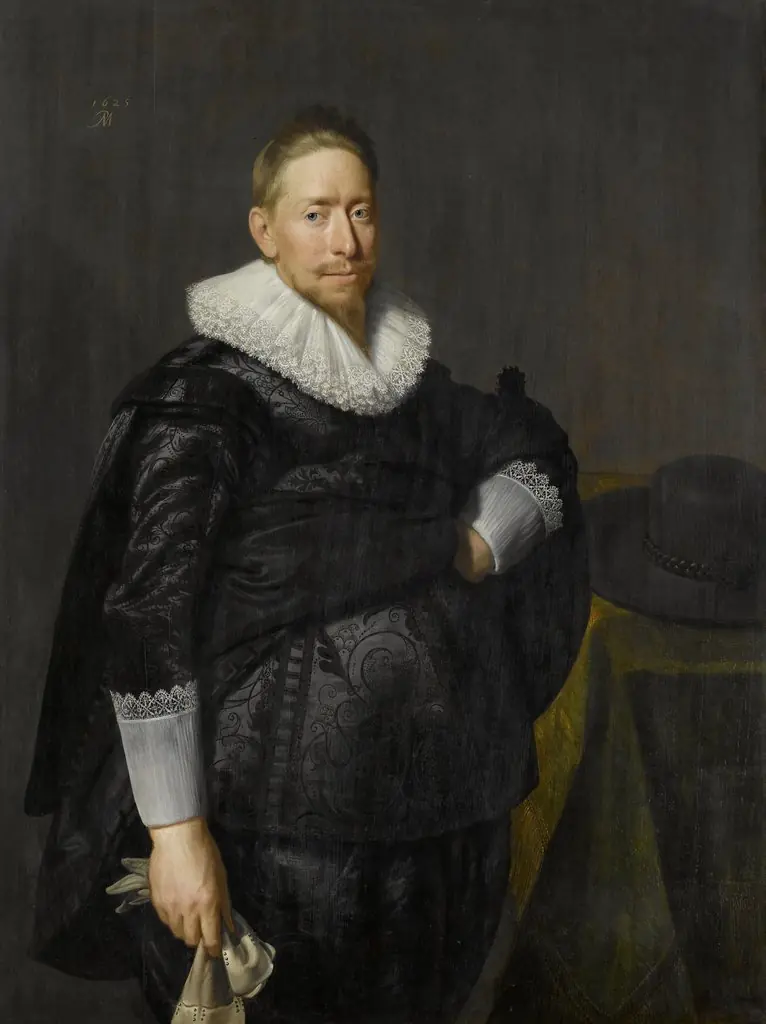 Portrait of a Man, Probably from the Pauw Family
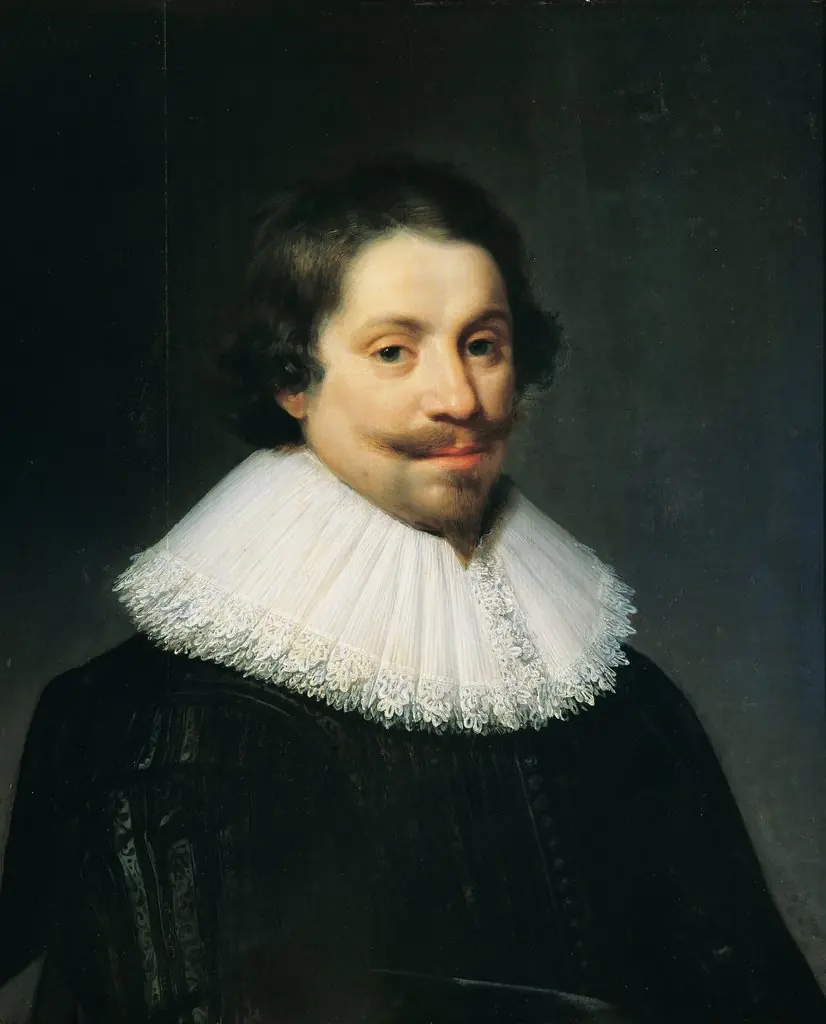 Portrait of a Man with a Ruff
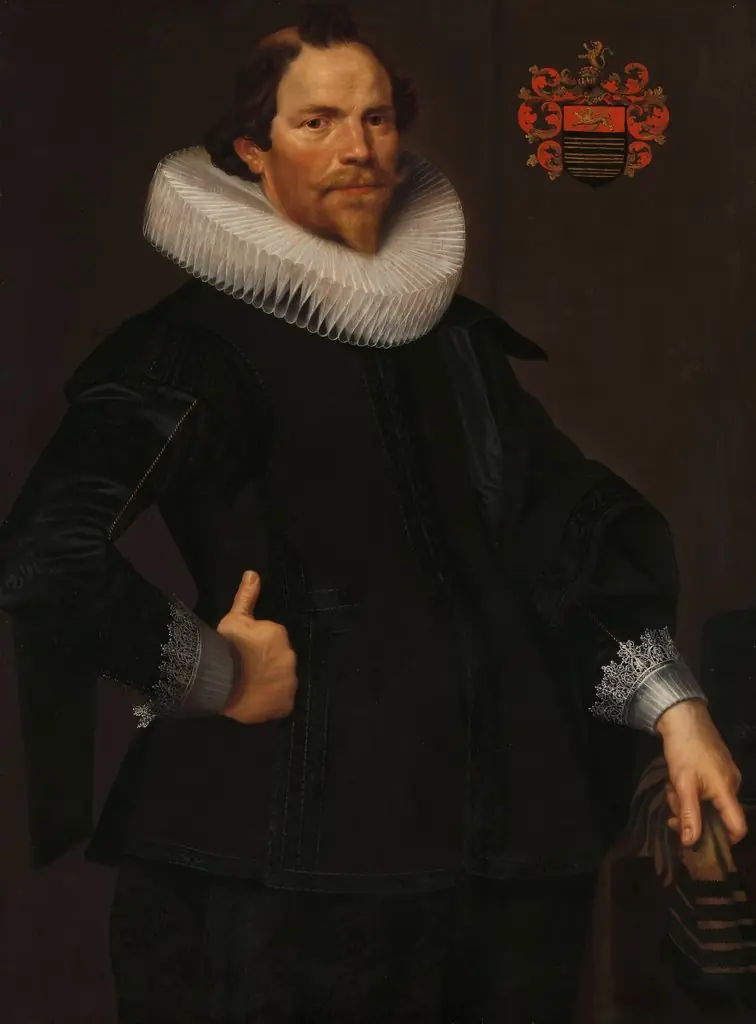 Portrait of Pieter van Son (c. 1590-1654)
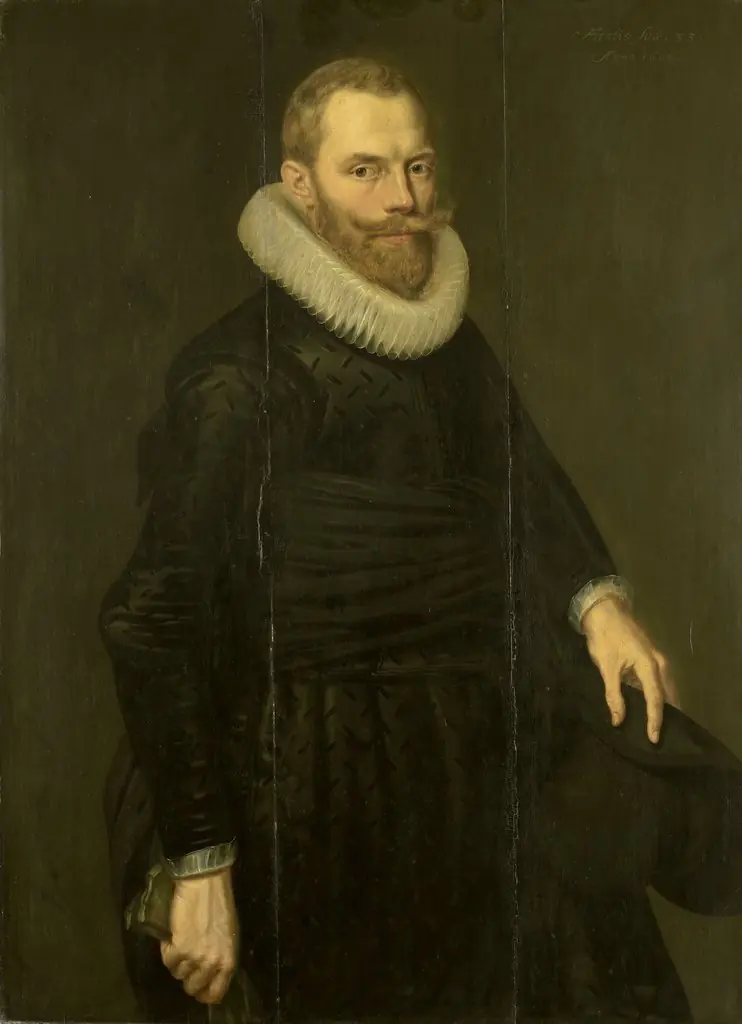 Portrait of Dirck Hasselaer (1581-1645)
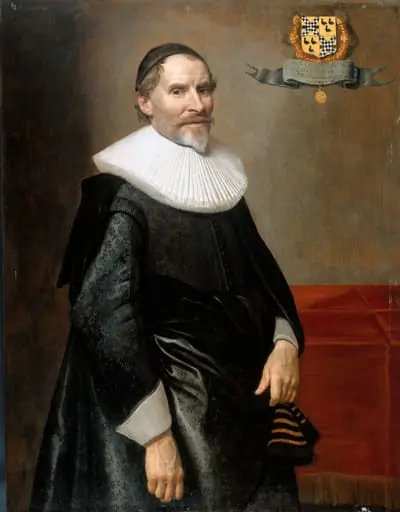 Untitled