Artwork
Portrait of August III of Poland
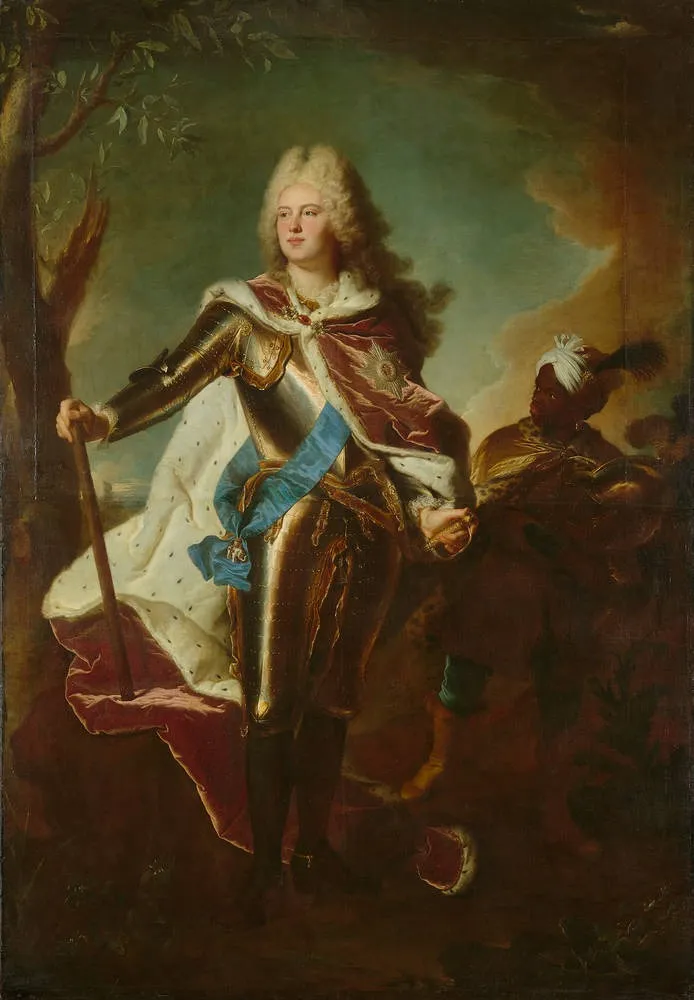
Portrait of August III of Poland is an oil painting by the Rococo painting artist Rigaud Hyacinthe. It dates from 1714 and is held in the collection of the Staatliche Kunstsammlungen Dresden. Painted in 1714 by Hyacinthe Rigaud, this oil portrait captures August III, King of Poland and Elector of Saxony.
About this work
Overview
The work is part of the Gemäldegalerie Alte Meister’s collection in Dresden, reflecting its significance in 18th-century courtly portraiture.
Painted in 1714 by Hyacinthe Rigaud, this oil portrait captures August III, King of Poland and Elector of Saxony. Rigaud, known for his refined depictions of European royalty, rendered the subject with formal precision. The work is part of the Gemäldegalerie Alte Meister’s collection in Dresden, reflecting its significance in 18th-century courtly portraiture. Its composition aligns with the transitional style between Baroque grandeur and emerging Rococo elegance.
Subject & Meaning
August III is portrayed in regal attire, wearing a crimson and white robe adorned with gold embroidery, a blue sash denoting his membership in the Order of the White Eagle, and a ceremonial sword. His posture conveys authority, while the figure behind him—a man of African descent in a turban and brown robe—suggests the multicultural court of Saxony-Poland. The inclusion may reflect imperial status or serve as a symbolic attendant, common in royal imagery of the period.
Technique & Style
Rigaud employed rich oil pigments to render textures with precision: the sheen of silk, the gleam of metal, and the softness of hair. The lighting is subtle yet directional, modeling the figure without dramatic chiaroscuro. The background, with its hazy sky and distant tree, avoids distraction, focusing attention on the monarch. The brushwork is smooth and controlled, characteristic of court portraiture aiming for dignified realism over expressive flourish.
History & Provenance
Commissioned during August III’s early reign, the portrait likely served to assert his dual role as Polish monarch and Saxon elector. It entered the Dresden collection in the 18th century, possibly through the Saxon court’s art acquisitions. The painting remained in royal hands through successive generations before being integrated into the Gemäldegalerie Alte Meister’s permanent holdings, where it has been preserved since the 19th century.
Context
In early 18th-century Europe, royal portraits functioned as political tools, projecting legitimacy and cultural sophistication. Rigaud’s style, developed in the French court, was widely emulated across monarchies. The presence of a non-European attendant reflects the era’s fascination with exoticism and global connections, even as it reinforced hierarchical social structures. The painting aligns with broader trends in Dresden’s artistic patronage under Augustus the Strong and his successors.
Legacy
The portrait stands as a documented example of how Central European rulers adopted French artistic conventions to legitimize their authority. While not as widely studied as Rigaud’s French subjects, it contributes to understanding the transnational nature of courtly imagery. Its preservation in Dresden offers insight into the visual language of multi-ethnic monarchies and the role of portraiture in sustaining dynastic identity across borders.
Artist & collection
Artist
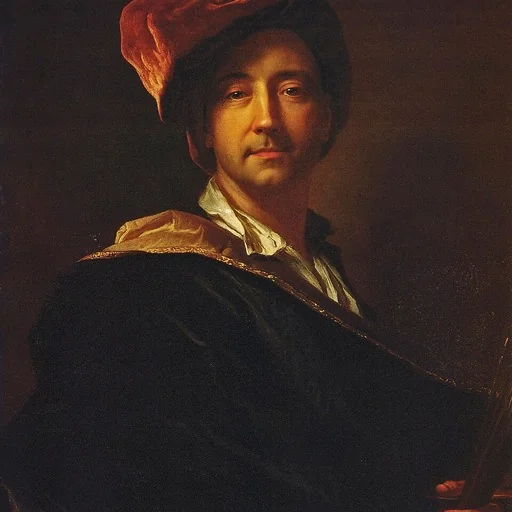
Jacint Rigau-Ros i Serra (Catalan pronunciation: ; 18 July 1659 – 29 December 1743), known in French as Hyacinthe Rigaud (pronounced ), was a Catalan-French baroque painter most famous for his portraits of Louis XIV and other members of…

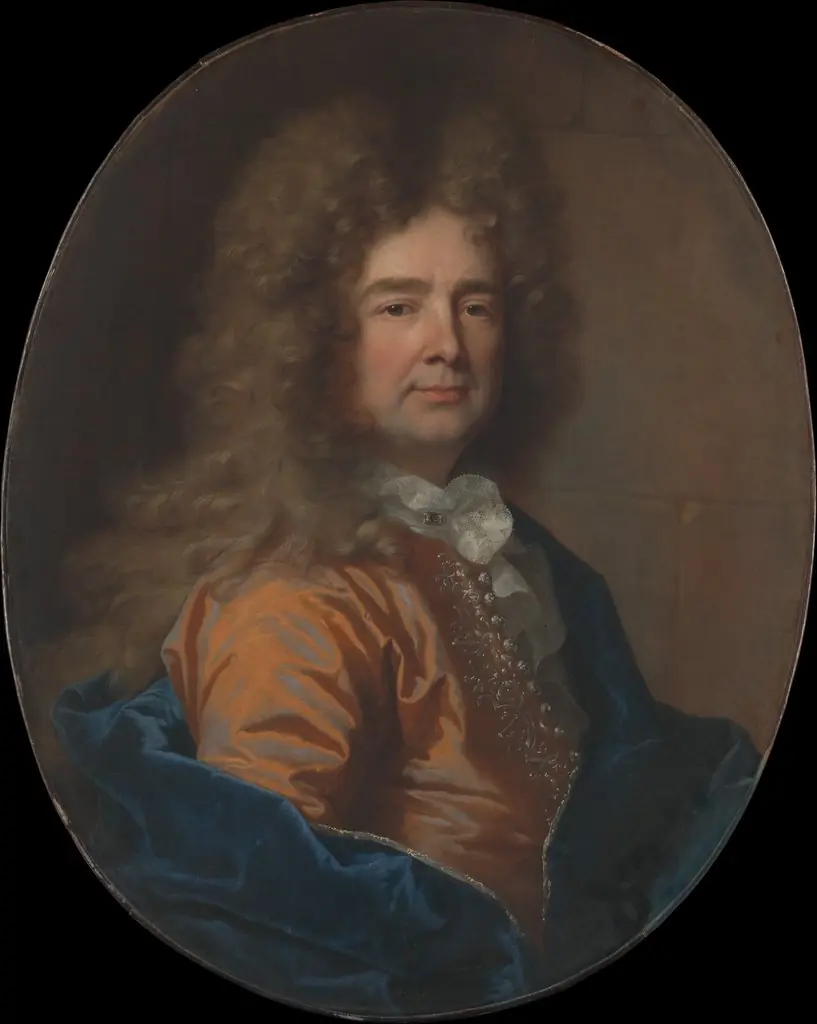
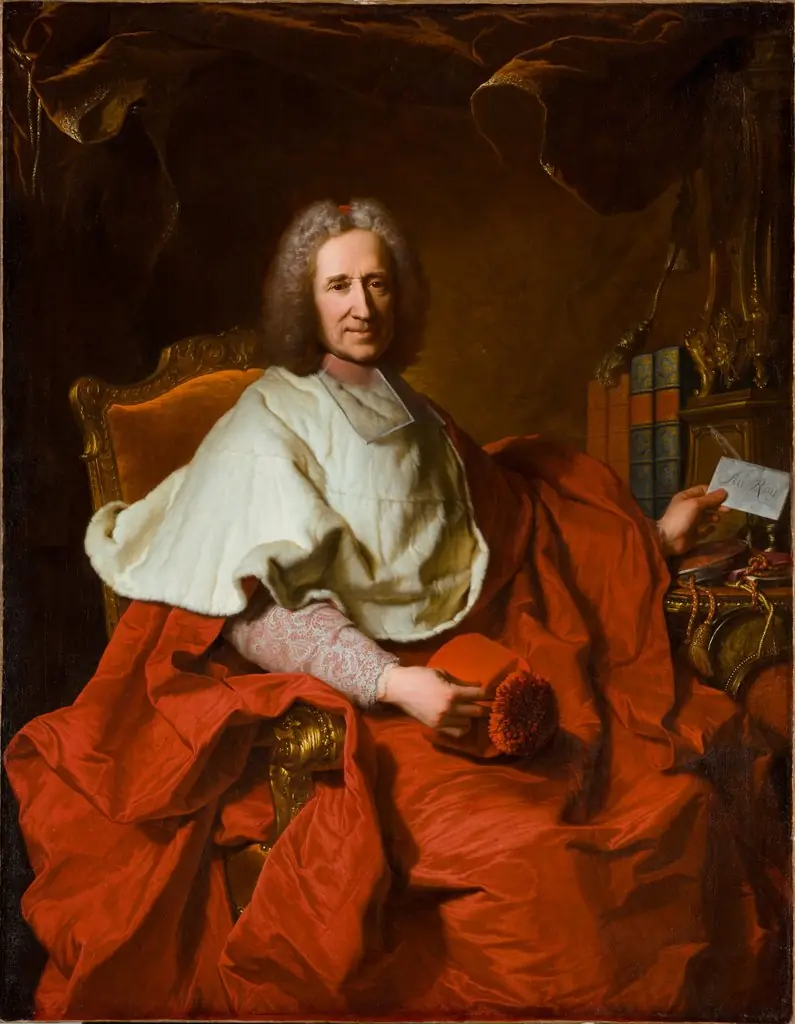
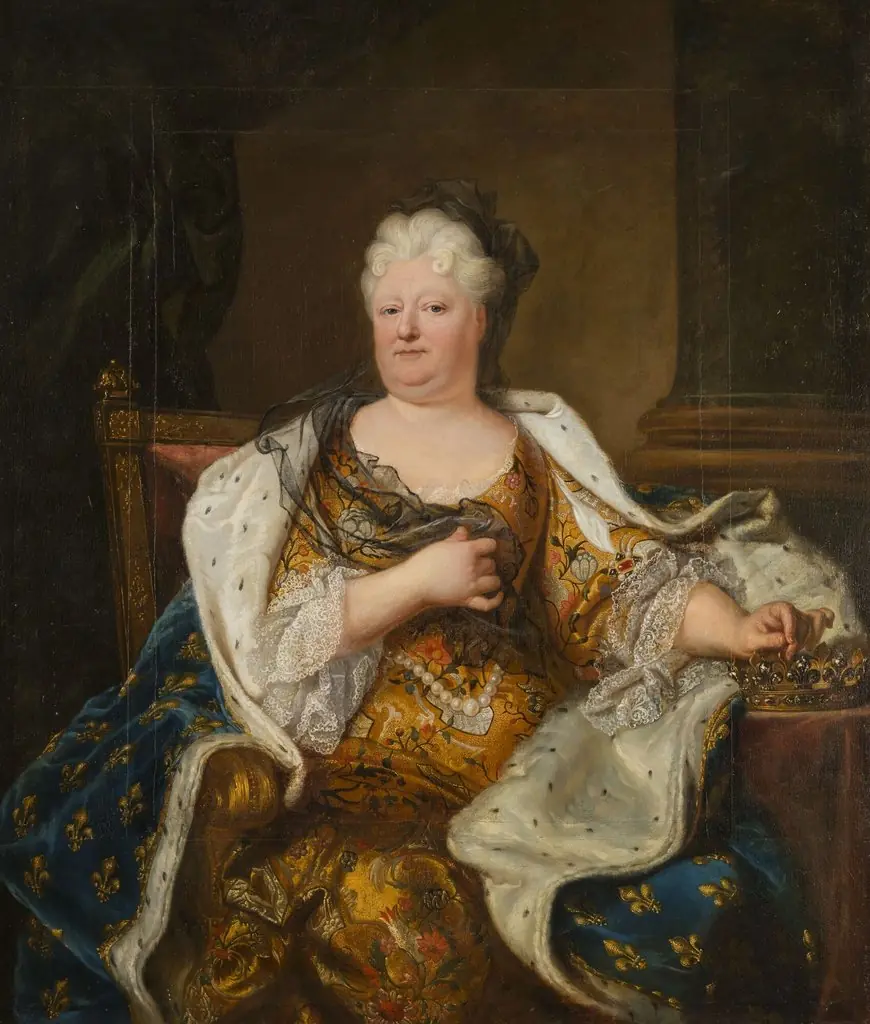
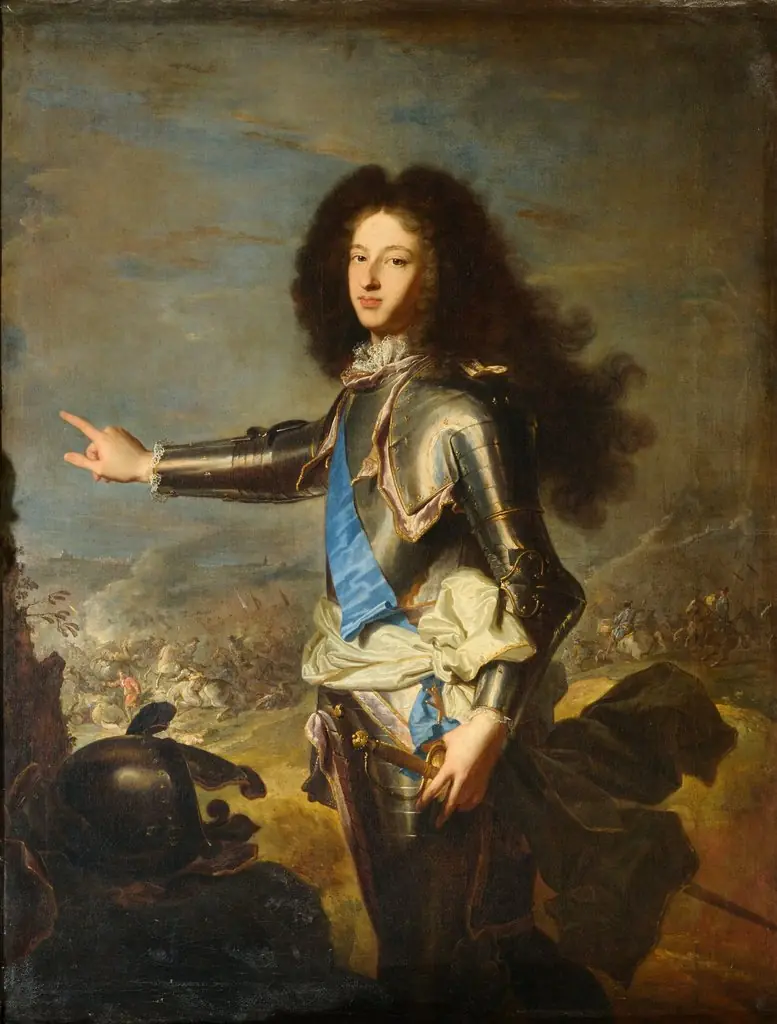
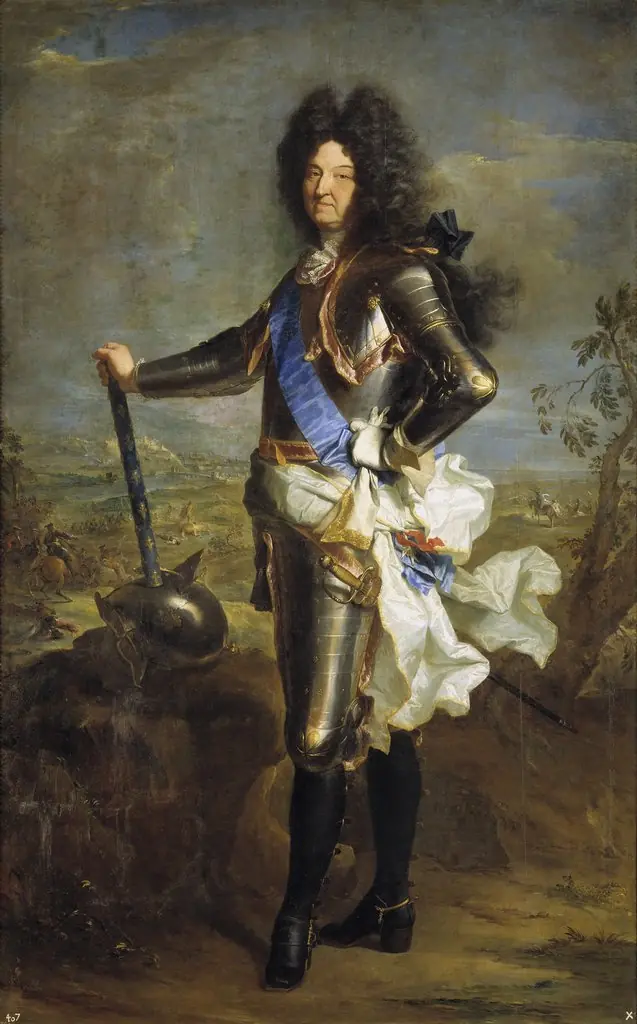
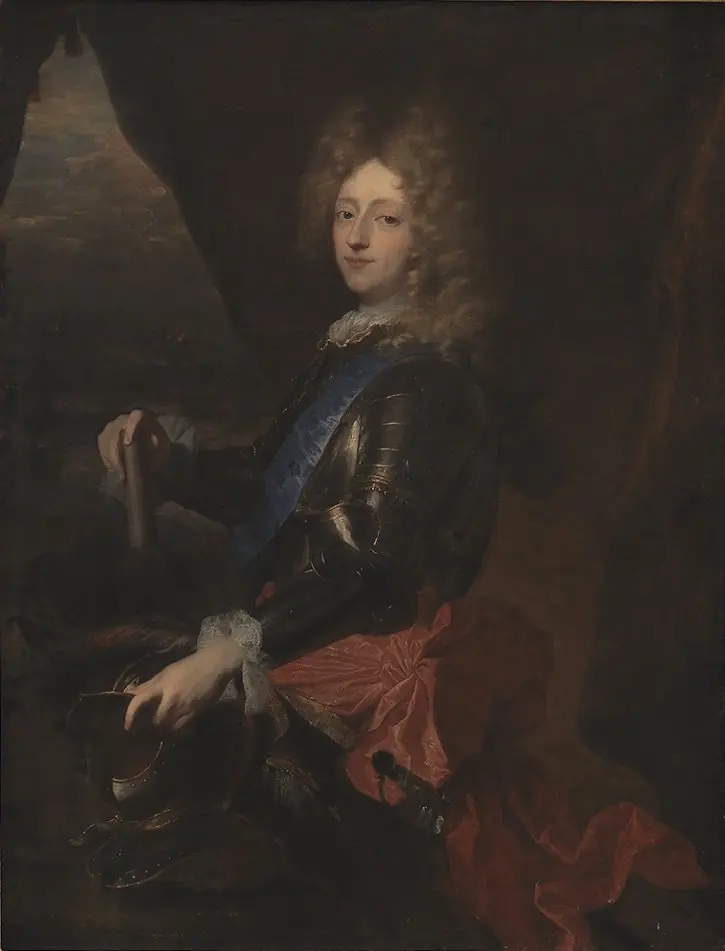
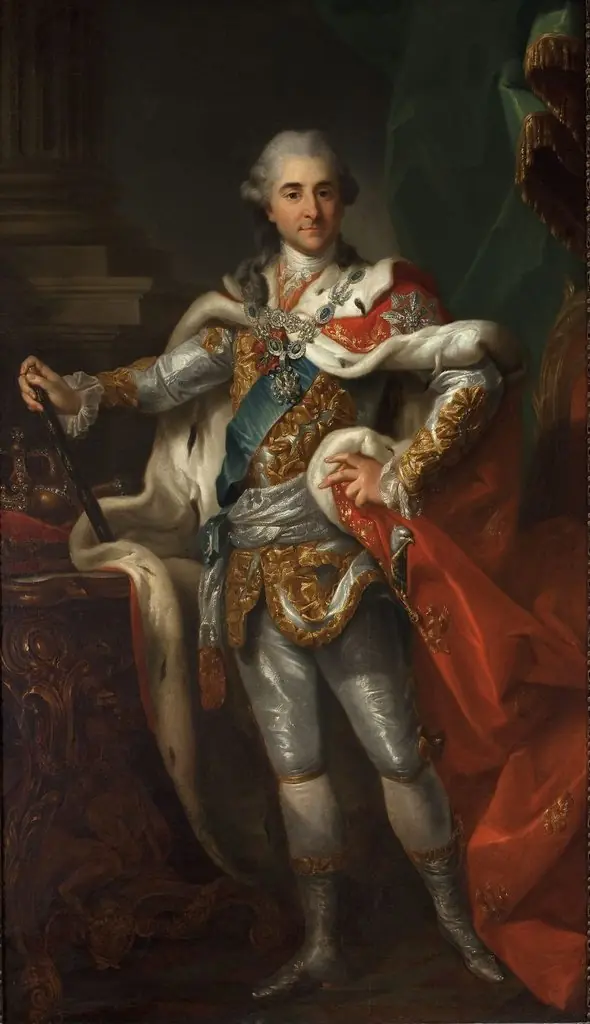 Portrait of Stanisław August Poniatowski in the coronation costume
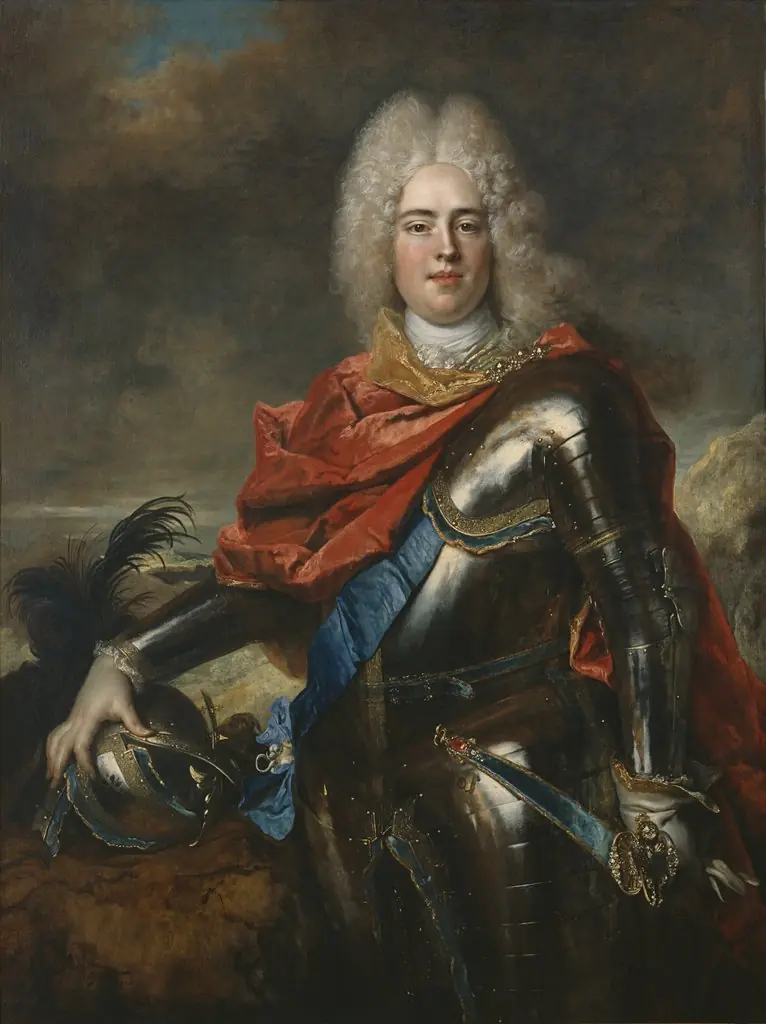 Crown Prince Frederick Augustus of Saxony
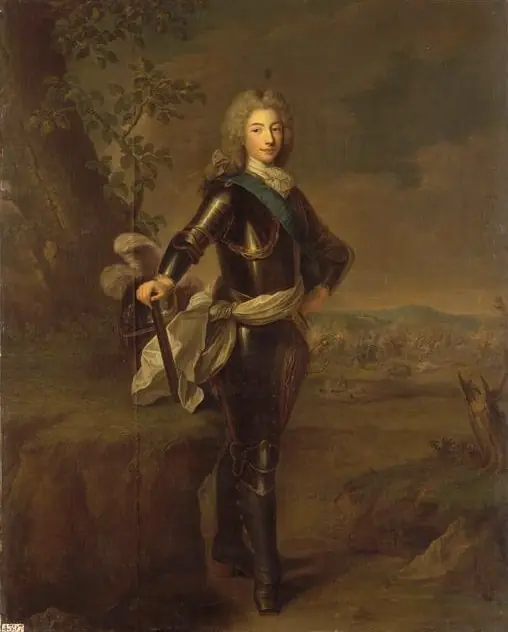 Portrait of Louis François de Bourbon, Prince de Conti
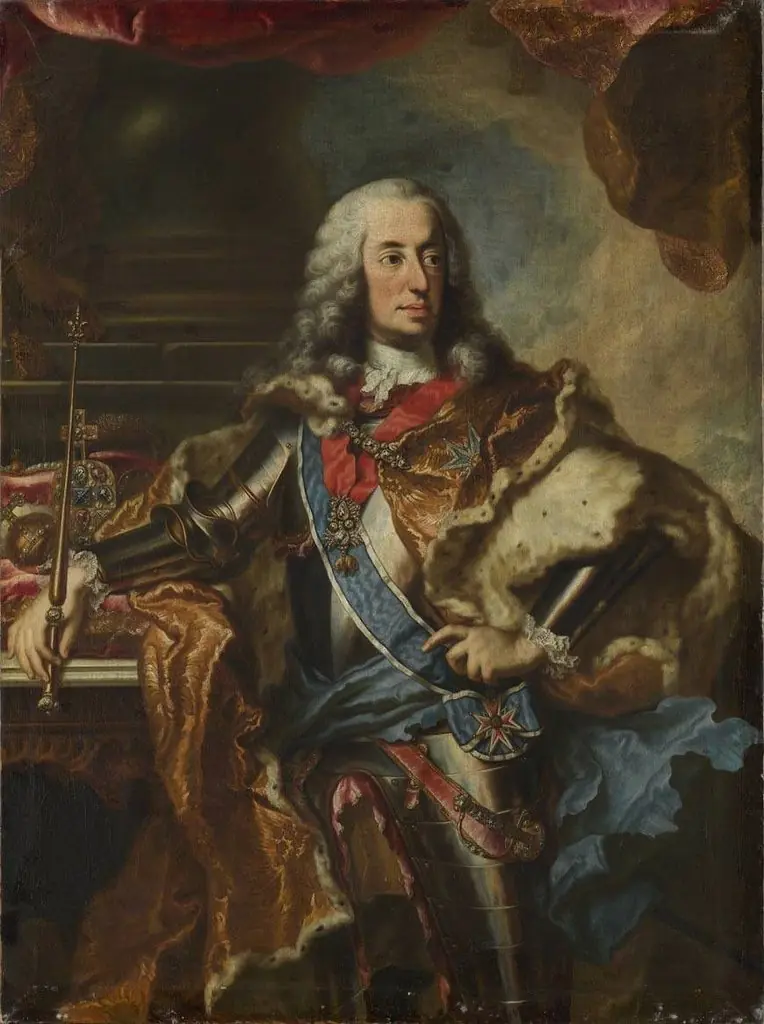 Kurfürst Karl Albrecht als Kaiser Karl VII. (1697-1745)
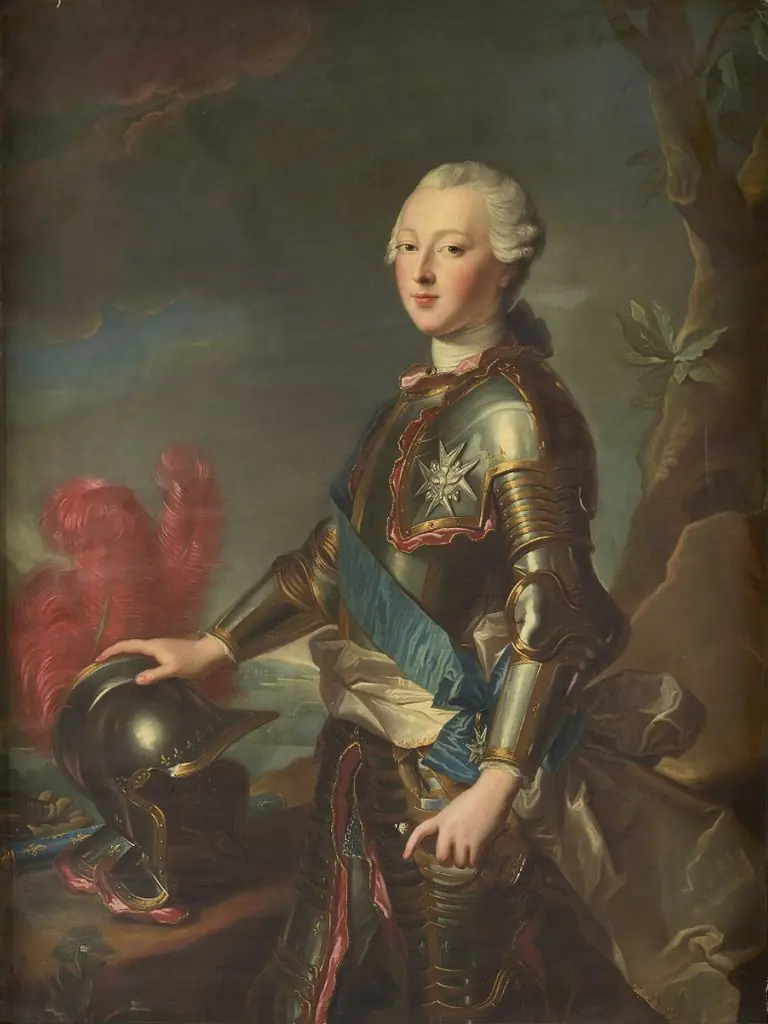 Louis V-Joseph de Bourbon, VIIIe prince de Condé
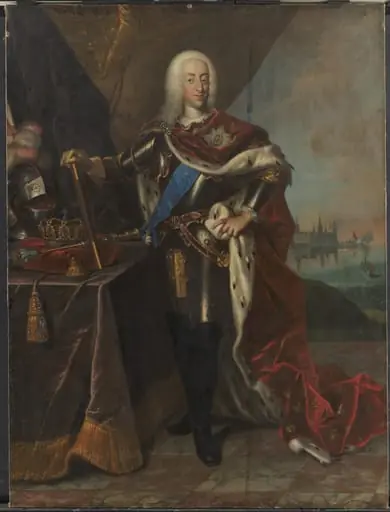 Christian VI
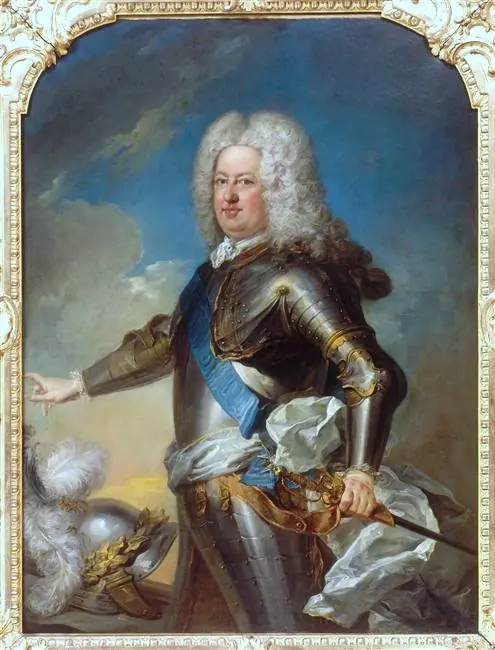 Portrait of Stanisław Leszczyński (1677-1766), King of Poland
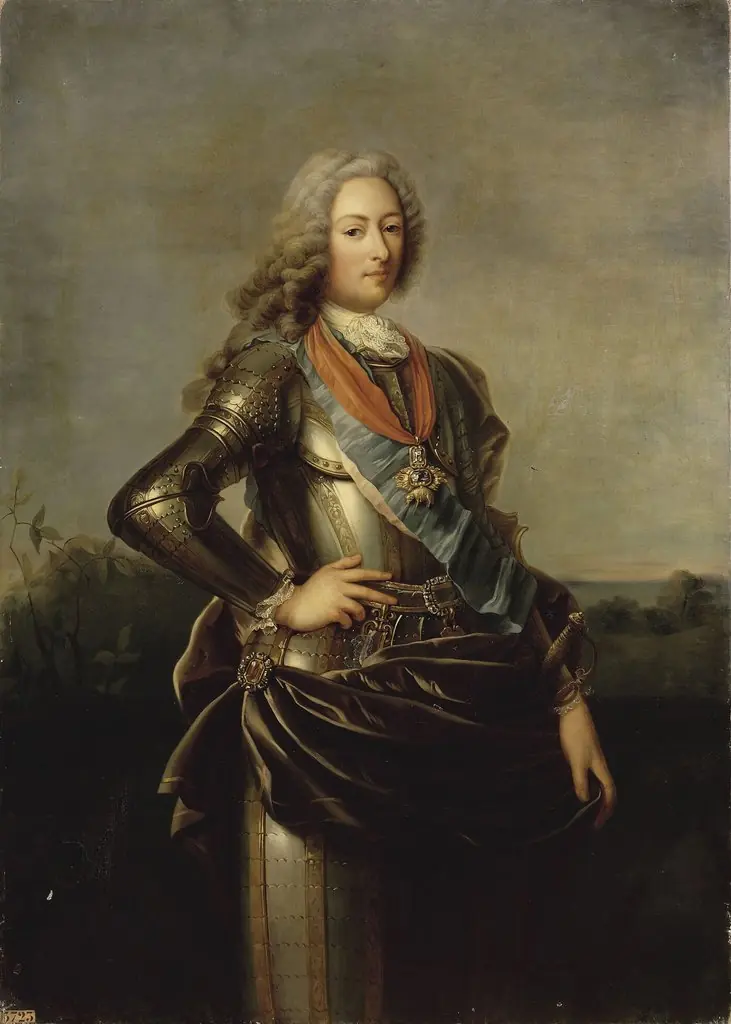 Louis of Orleans, Duke of Orleans
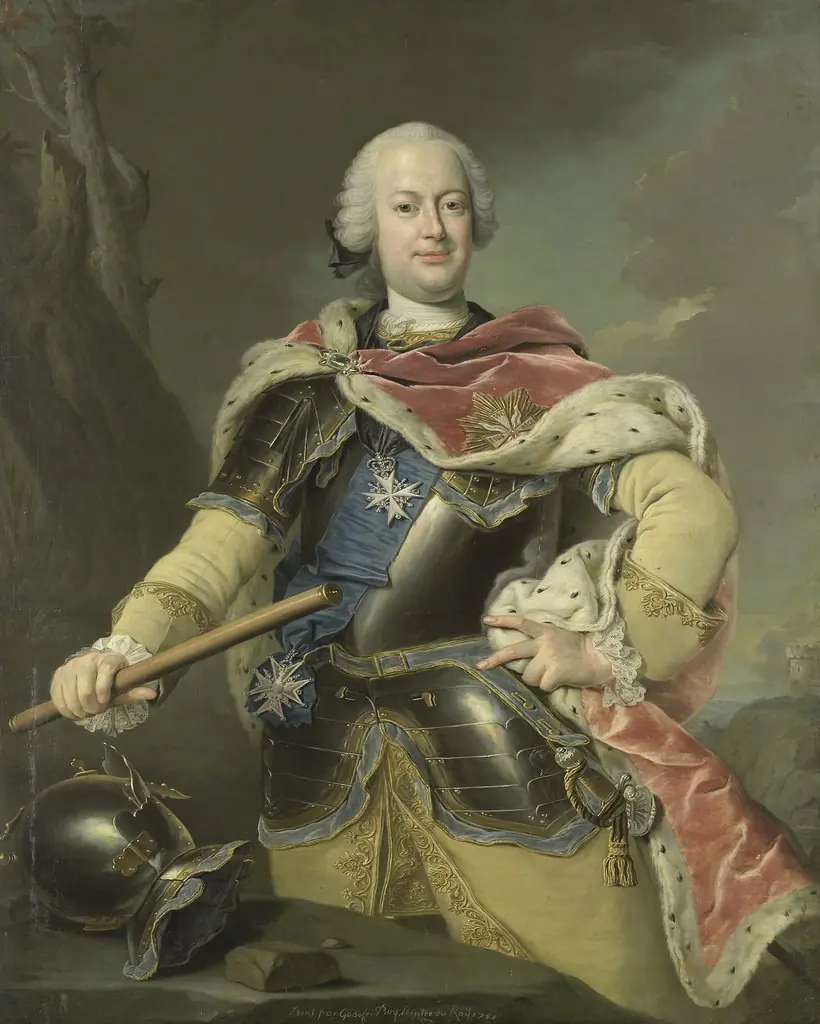 Friedrich Christian (1722-63), Elector of Saxony and King of Poland
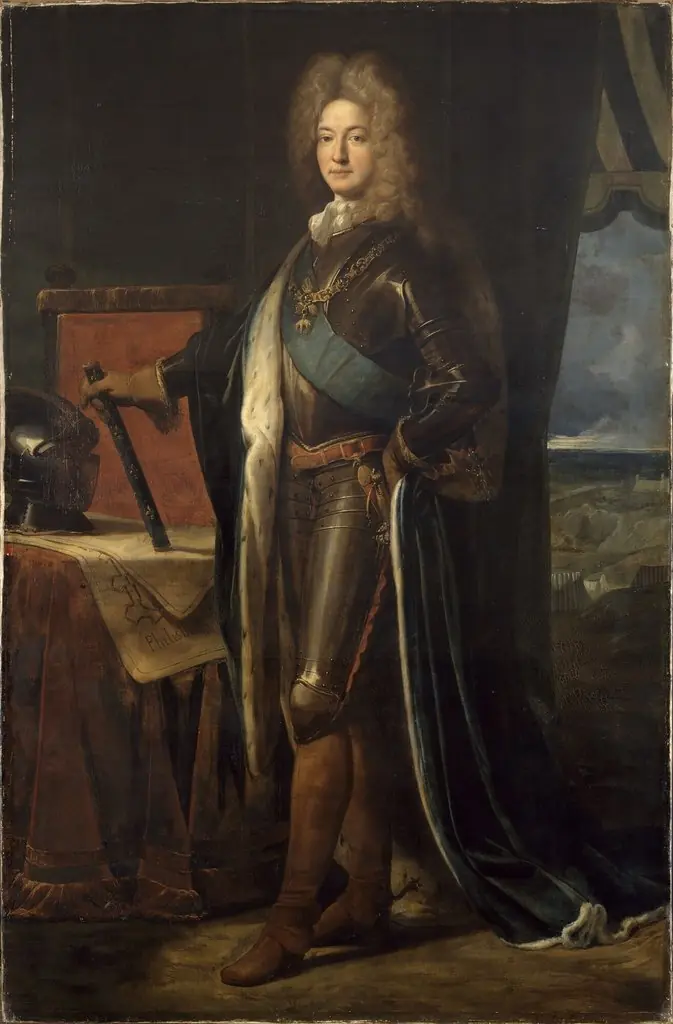 Portrait of Adrien Maurice de Noailles (1678-1766)