Artwork
H Beard Print Collection
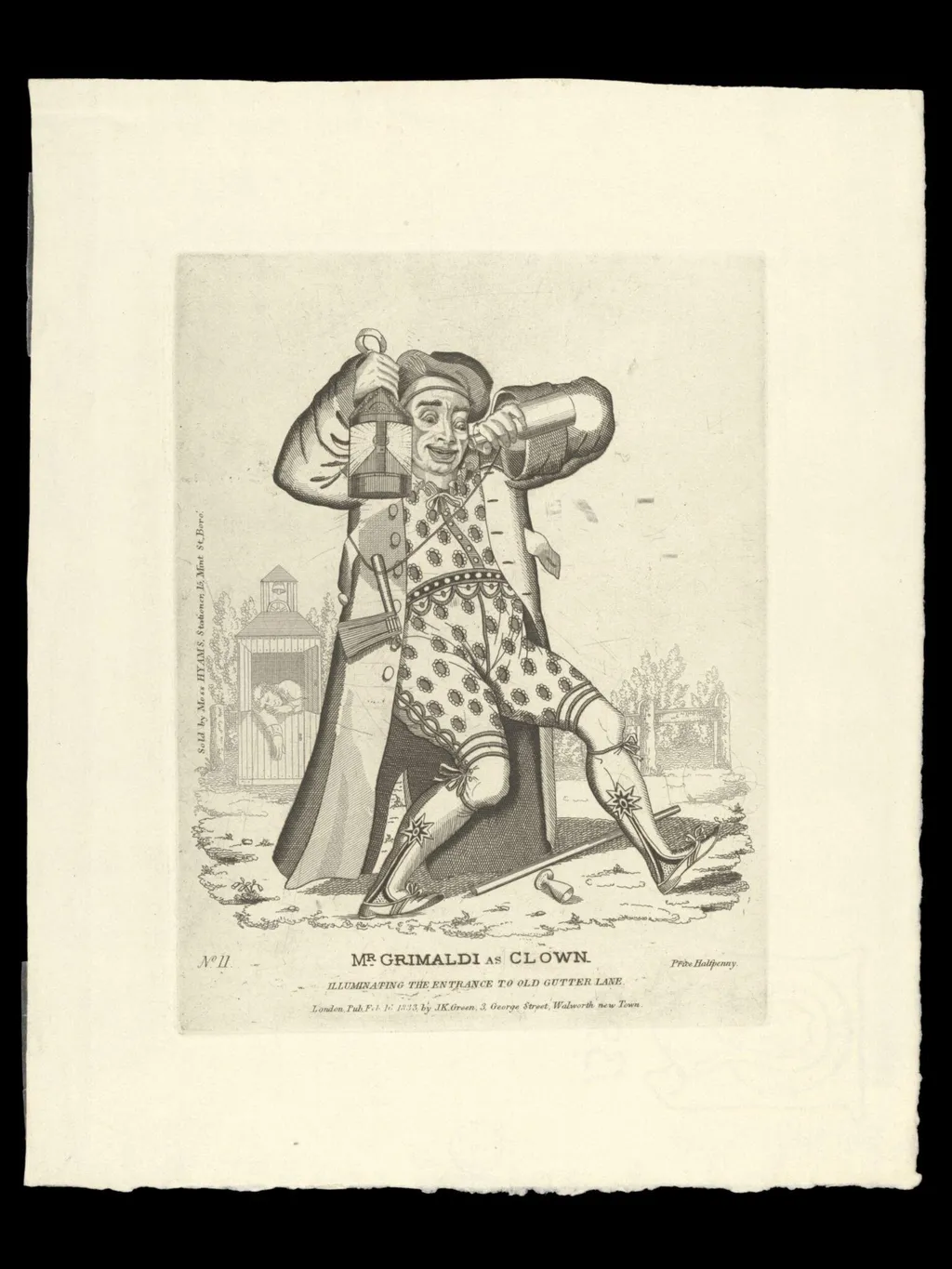
H Beard Print Collection is a print by the Romanticist artist Hyams. It dates from 16 and is held in the collection of the Victoria and Albert Museum.
About this work
Overview
This print, part of the H Beard Print Collection, depicts Joseph Grimaldi in his famous clown persona, standing before the entrance to Old Gutter Lane. Attributed to artist Hyams, it is likely the eleventh in a numbered series. The composition captures a theatrical moment, blending performance and urban setting, suggesting a narrative intent beyond mere portraiture.
Subject & Meaning
Joseph Grimaldi, the pioneering English clown, is shown in full costume, actively engaging with the environment rather than passively posing. The setting—Old Gutter Lane—hints at the gritty, working-class spaces of early 19th-century London. His illumination of the entrance may symbolize the clown’s role as a guide through chaos, or as a figure who brings visibility to marginalized places.
Technique & Style
Rendered as a print, the work employs line and tonal contrast to define Grimaldi’s exaggerated costume and the shadowed architecture of the lane. The style leans toward detailed realism with theatrical flair, characteristic of popular print culture of the era. Hyams avoids idealization, instead emphasizing the physicality and presence of the performer within an ordinary urban context.
History & Provenance
The print originates from the H Beard Print Collection, a known archive of theatrical imagery from the 1800s. Hyams, a lesser-documented artist, contributed to this series documenting stage personalities. The numbering suggests a deliberate, possibly commercial, publication effort, likely intended for distribution among theater enthusiasts and collectors of the time.
Context
Produced during the Romantic period, the image reflects broader cultural fascination with individuality and performance. While Romanticism often idealized nature or heroism, this print channels its energy into the everyday spectacle of the stage. Grimaldi’s prominence as a clown made him a symbol of emotional authenticity, resonating with audiences seeking human depth amid industrial change.
Legacy
As part of a series, this print contributes to the historical record of British theater and the evolution of the clown figure. It preserves a visual archive of Grimaldi’s influence on performance and popular culture. Though not widely exhibited today, such works remain vital for understanding the intersection of public entertainment and print media in the 19th century.
Artist & collection
Artist
This London printmaker had a knack for turning everyday city scenes into tiny stories—think street vendors hawking pies or chimney sweeps dodging carriages, all squeezed onto a hand-sized sheet.

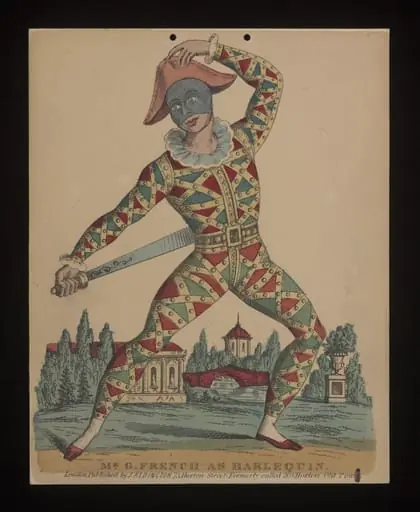 Mr G. French as Harlequin
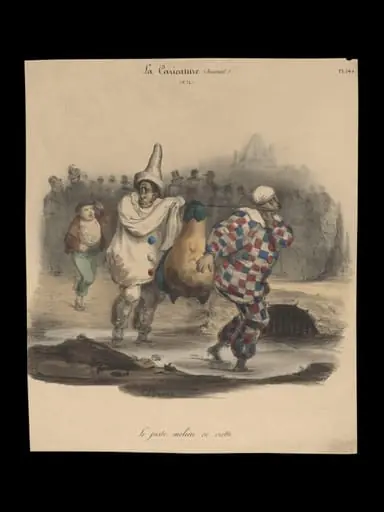 H Beard Print Collection
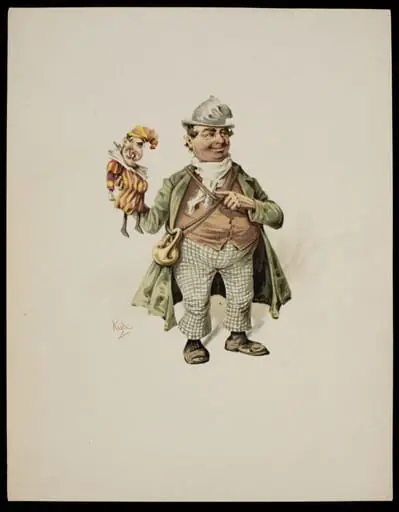 George Speaight Punch & Judy Collection
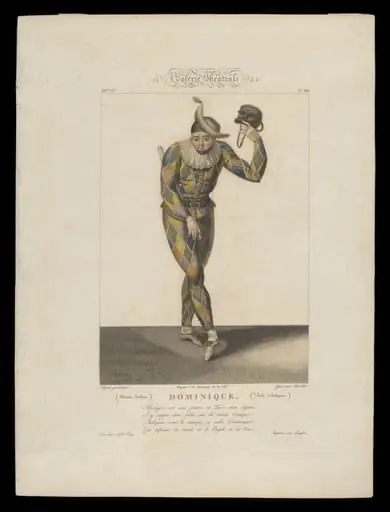 H Beard Print Collection
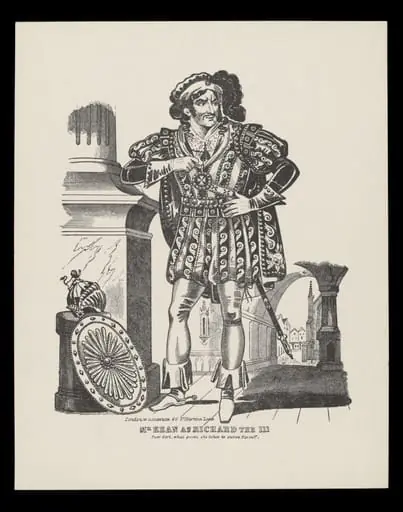 H Beard Print Collection
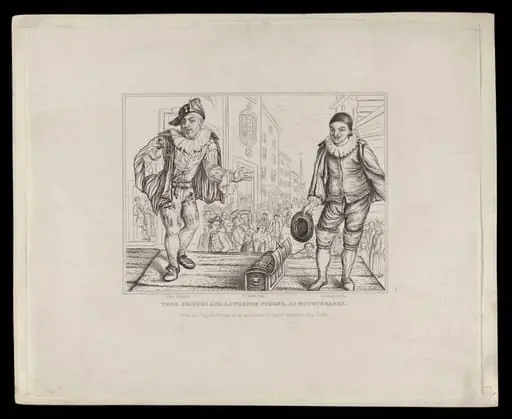 H Beard Print Collection
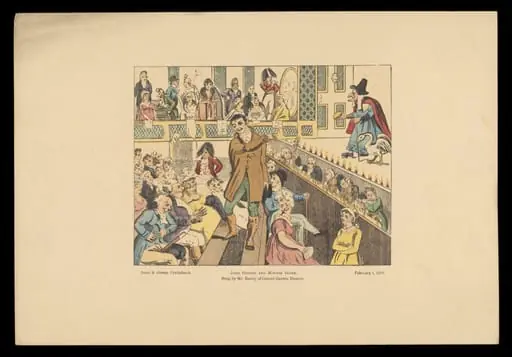 H Beard Print Collection
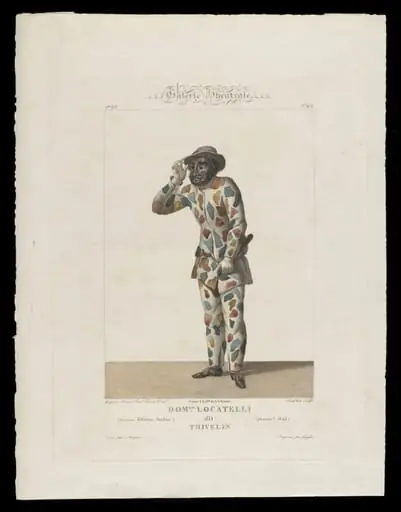 H Beard Print Collection
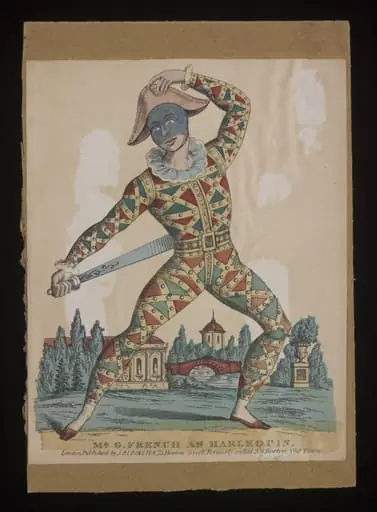 Mr G. French as Harlequin
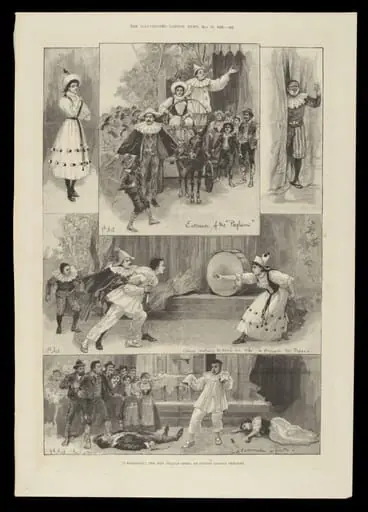 H Beard Print Collection
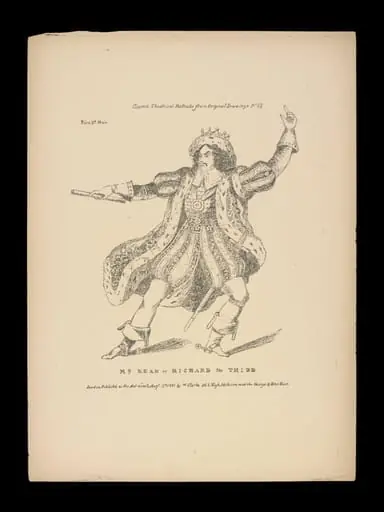 H Beard Print Collection
 H Beard Print Collection