Artwork
Portul Amalfi
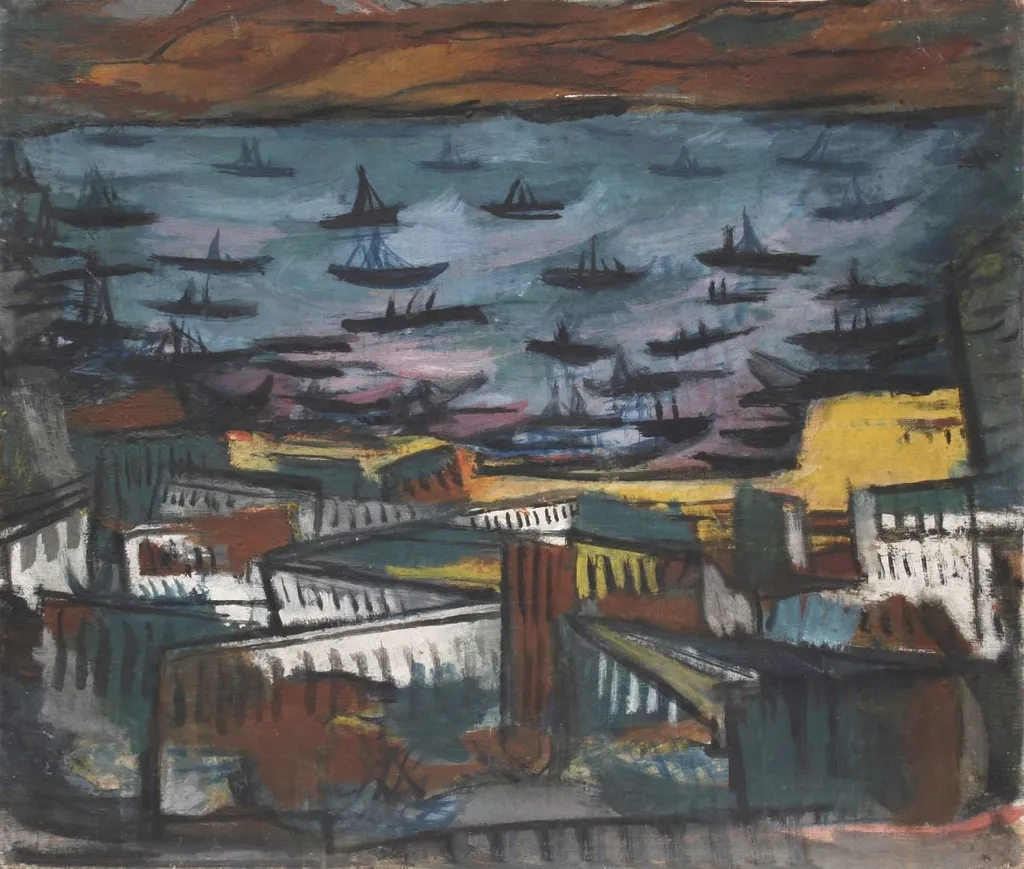
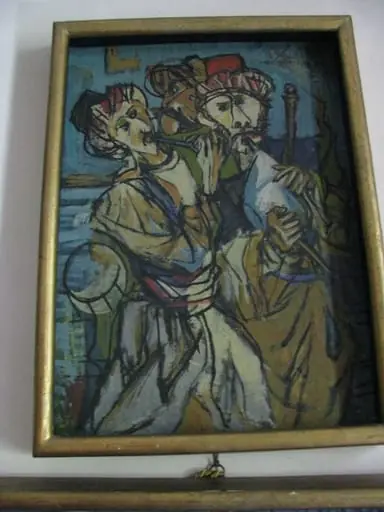
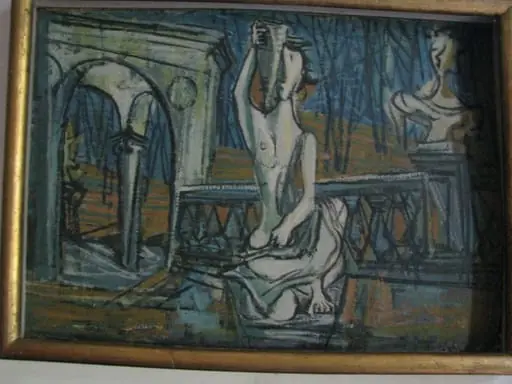
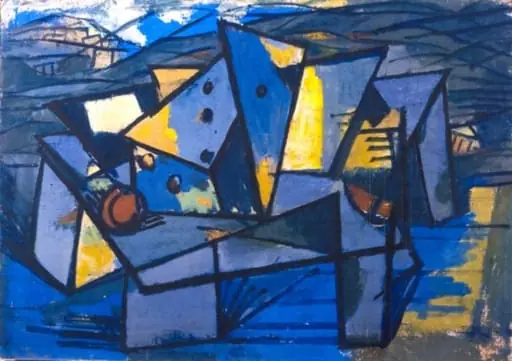
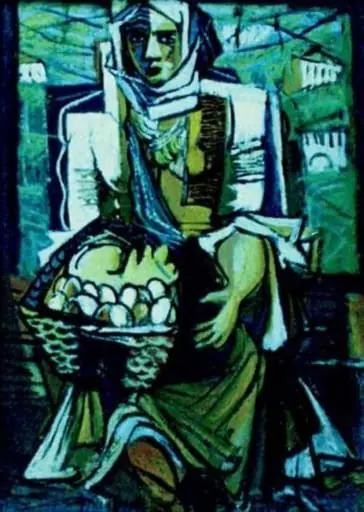
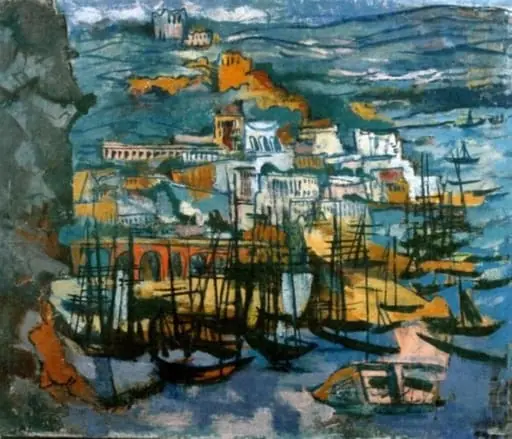
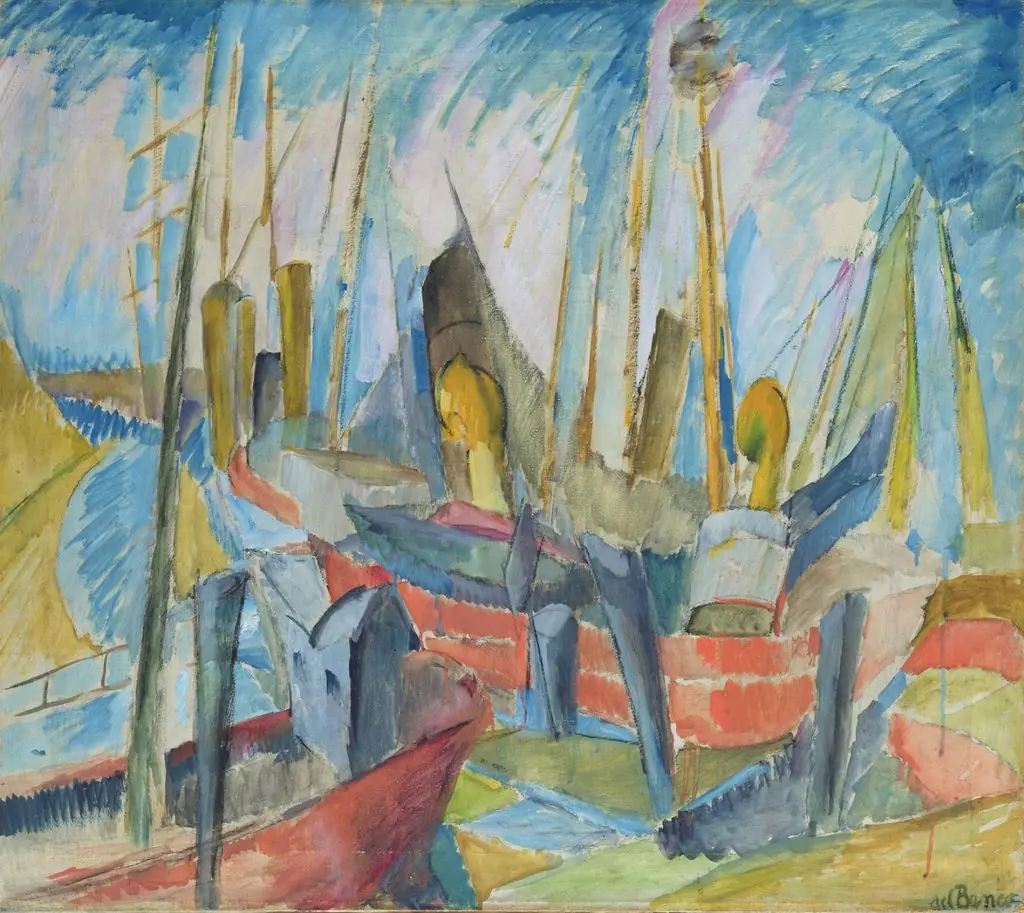
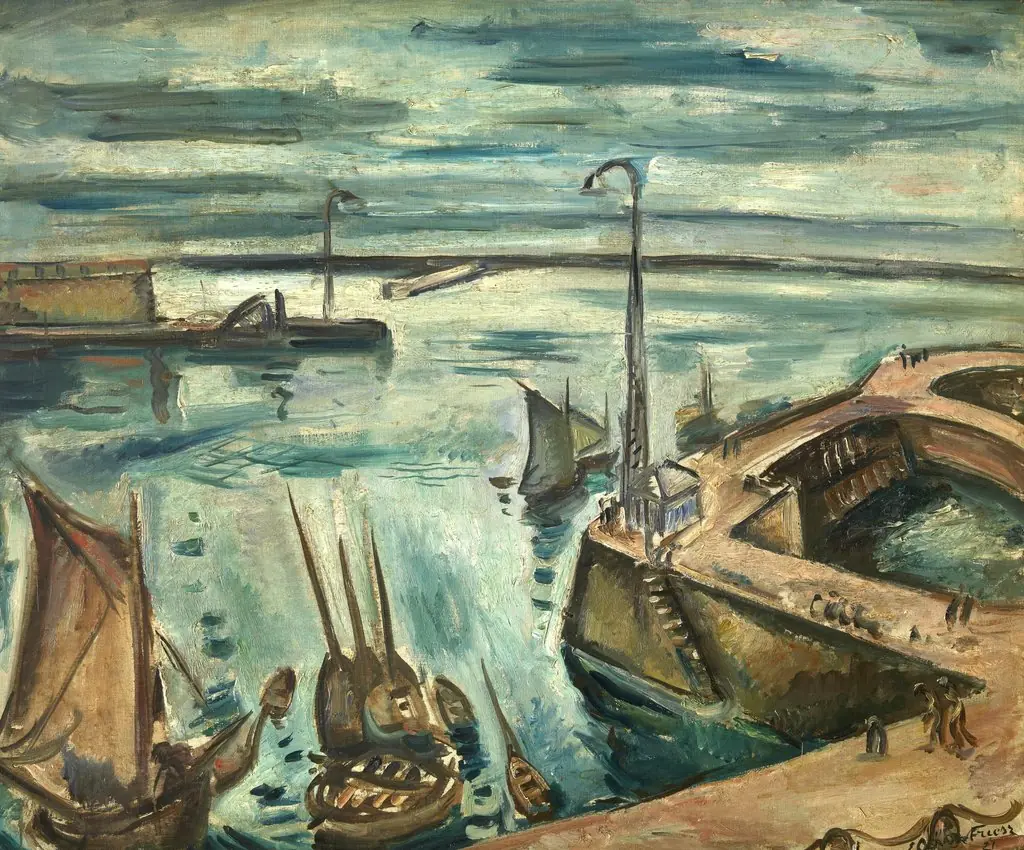
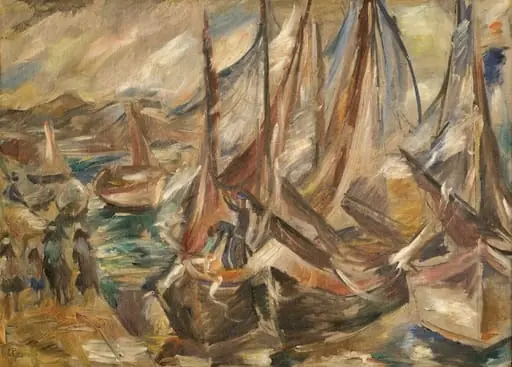
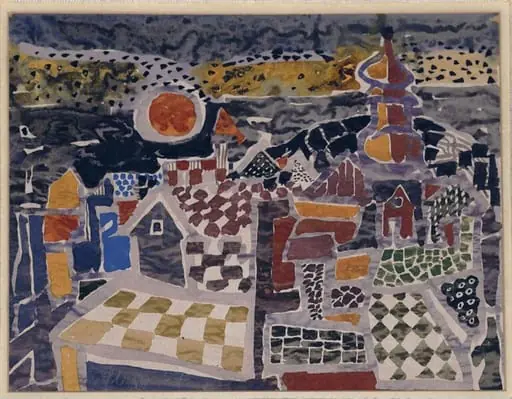
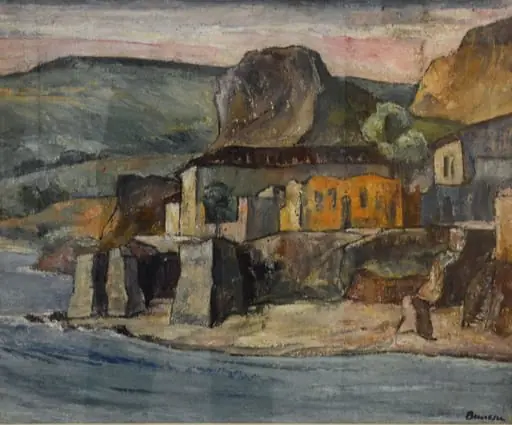
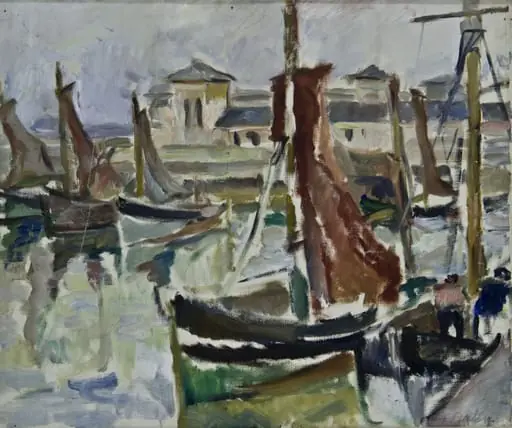
Portul Amalfi is a print by Marcel Iancu. It dates from 1949 and is held in the collection of the Gavrilă Simion Eco-Museum Research Institute Tulcea - Art Museum.
About this work
Overview
Rendered in oil or similar medium, it emphasizes tactile surface and subdued tonality, capturing a quiet, contemplative atmosphere rather than a bustling scene.
Portul Amalfi, dated around 1949, is a landscape painting by Romanian artist Marcel Iancu. It depicts the coastal town of Amalfi with its harbor and surrounding architecture. The work is part of the collection at the Museum of Ethnography. Rendered in oil or similar medium, it emphasizes tactile surface and subdued tonality, capturing a quiet, contemplative atmosphere rather than a bustling scene.
Subject & Meaning
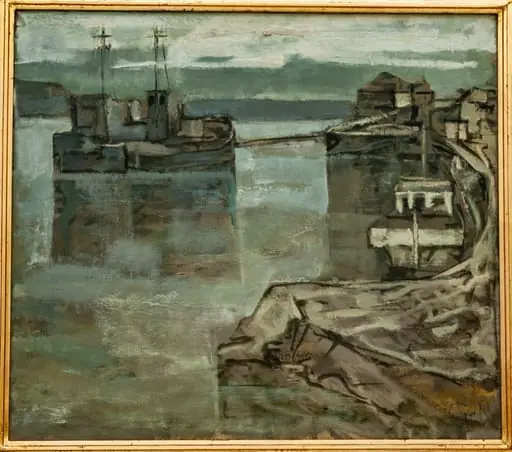
The painting presents Amalfi’s harbor as a tranquil, lived-in space rather than a tourist landmark. Boats rest gently on the water, and buildings cling to the shoreline in orderly yet unidealized arrangement. There is no dramatic narrative; instead, the scene conveys stillness and continuity, suggesting a quiet rhythm of daily life in a Mediterranean port during the mid-20th century.
Technique & Style
Iancu applied paint thickly, using visible, deliberate brushwork to build texture across the surface. The palette is restrained—dominated by muted blues, grays, and earthy browns—enhancing the sense of calm. The lack of sharp detail and the blending of forms suggest an interest in mood over precision, aligning the work with post-war European tendencies toward expressive, non-illusionistic representation.
History & Provenance
Created shortly after World War II, the painting entered the Museum of Ethnography’s collection in the decades that followed. Its acquisition reflects institutional interest in documenting regional European life through artistic expression. While little is documented about its early ownership, its presence in the museum underscores its role as a cultural artifact rather than a commercial piece.
Context
In the late 1940s, many Eastern European artists turned to intimate, non-political subjects as a form of quiet resistance or personal retreat. Iancu’s focus on a coastal Italian town may reflect broader postwar curiosity about Mediterranean cultures, even as Romania remained under emerging socialist influence. The work stands apart from state-sanctioned realism, favoring emotional resonance over ideological messaging.
Legacy
Portul Amalfi remains a representative example of Iancu’s mature style, though he is not widely known outside Romania. The painting contributes to a lesser-known strand of mid-century Romanian art that engaged with European landscapes without overt political alignment. Its preservation in a museum of ethnography highlights its value as a record of visual perception rather than historical event.
Artist & collection
Artist
Marcel Janco was a Romanian and Israeli visual artist, architect and art theorist.
Museum
Gavrilă Simion Eco-Museum Research Institute Tulcea - Art Museum
Continue through works from the same source collection.