Artwork
Fresco Fragment
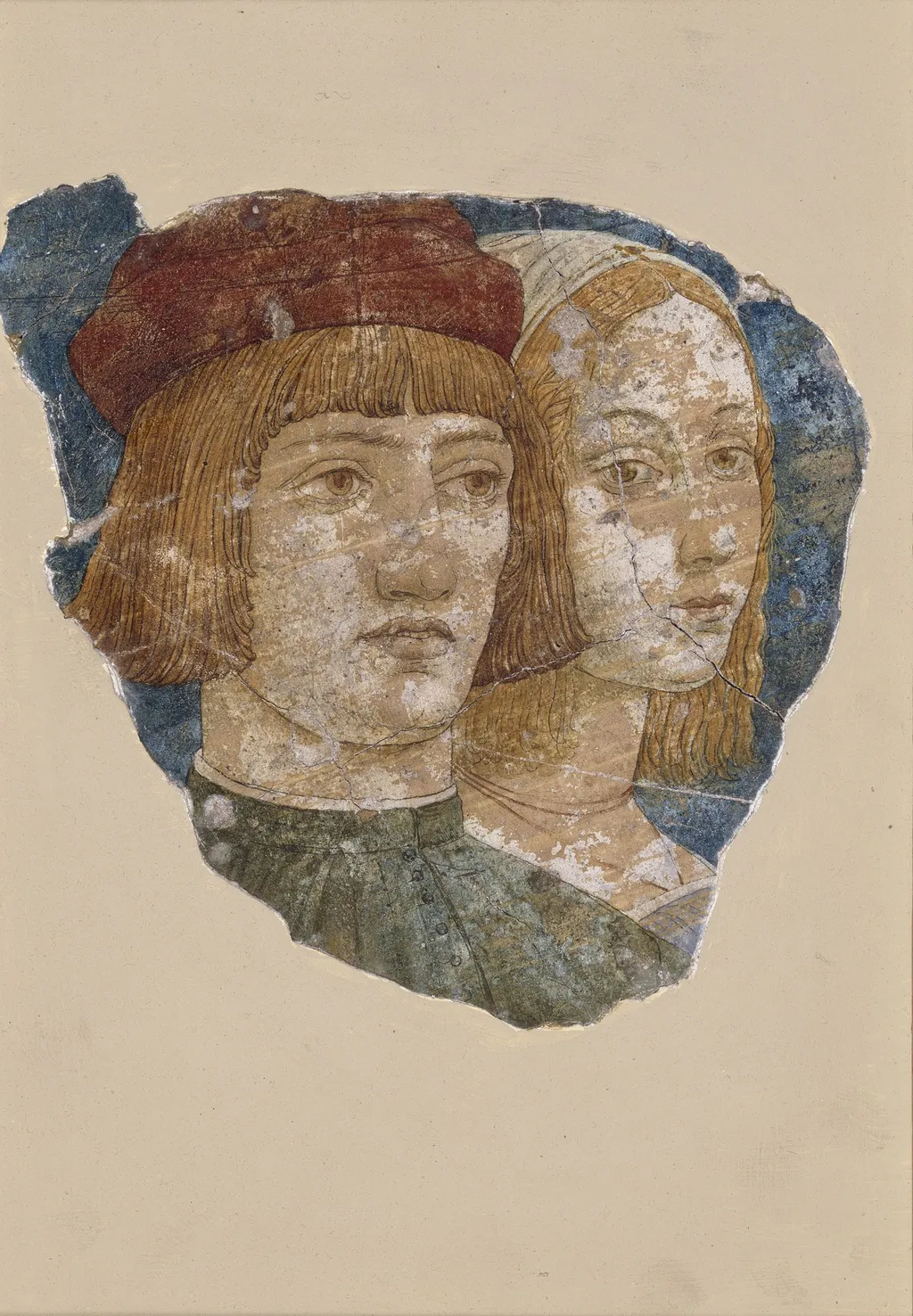
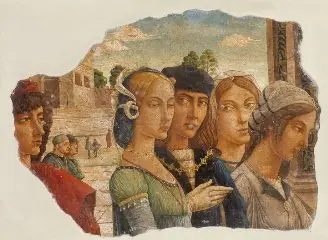
Fresco Fragment is an unspecified painting by Icilio Federico Joni. It dates from 1916 and is held in the collection of the National Gallery of Ireland.
About this work
Overview
It survives as a partial section of a larger wall painting, its edges irregular and worn, suggesting it was once part of a broader decorative scheme.
This fresco fragment, dated around 1916, is attributed to the Italian artist Icilio Federico Joni. It survives as a partial section of a larger wall painting, its edges irregular and worn, suggesting it was once part of a broader decorative scheme. The work is now preserved in the collection of the National Gallery of Ireland, where it is displayed as a standalone artifact rather than a restored mural element.
Subject & Meaning
The fragment depicts two figures, a man and a woman, positioned side by side. Their postures are static, their gazes directed differently—him forward, her to the side—creating a subtle tension. The absence of context or narrative cues leaves their relationship ambiguous. The focus on facial detail suggests an emphasis on individual presence rather than storytelling, possibly reflecting a personal or commemorative intent.
Technique & Style
Joni employed traditional fresco methods, applying pigment to wet plaster, though the fragment’s condition reveals the fragility of the medium. Facial features are rendered with careful modeling, particularly in the man’s nose and lips and the woman’s brows and eyes. Subtle shifts in tone suggest an awareness of chiaroscuro, though the palette remains restrained, dominated by earth tones and muted blues and greens.
History & Provenance
The fragment’s origin is not fully documented, but its style and materials align with early 20th-century Italian mural practices. It likely originated in a domestic or civic interior before being detached and preserved. Acquired by the National Gallery of Ireland at some point in the 20th century, its journey from its original setting to institutional care remains partially obscure.
Context
Created during a period when many European artists revisited historical techniques, Joni’s work reflects a broader interest in reviving fresco painting as a serious medium. Though not part of a major public commission, this fragment suggests a quieter, personal engagement with mural traditions, possibly influenced by regional Italian practices or the broader revivalist currents of the time.
Legacy
As a surviving fragment, the work stands as a testament to the impermanence of mural art and the value of preservation. It offers insight into Joni’s approach to portraiture and materiality, contributing to scholarly understanding of lesser-known Italian artists who worked between tradition and modernity in the early 1900s.
Artist & collection

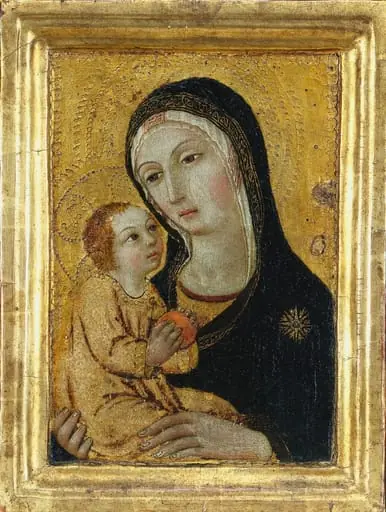
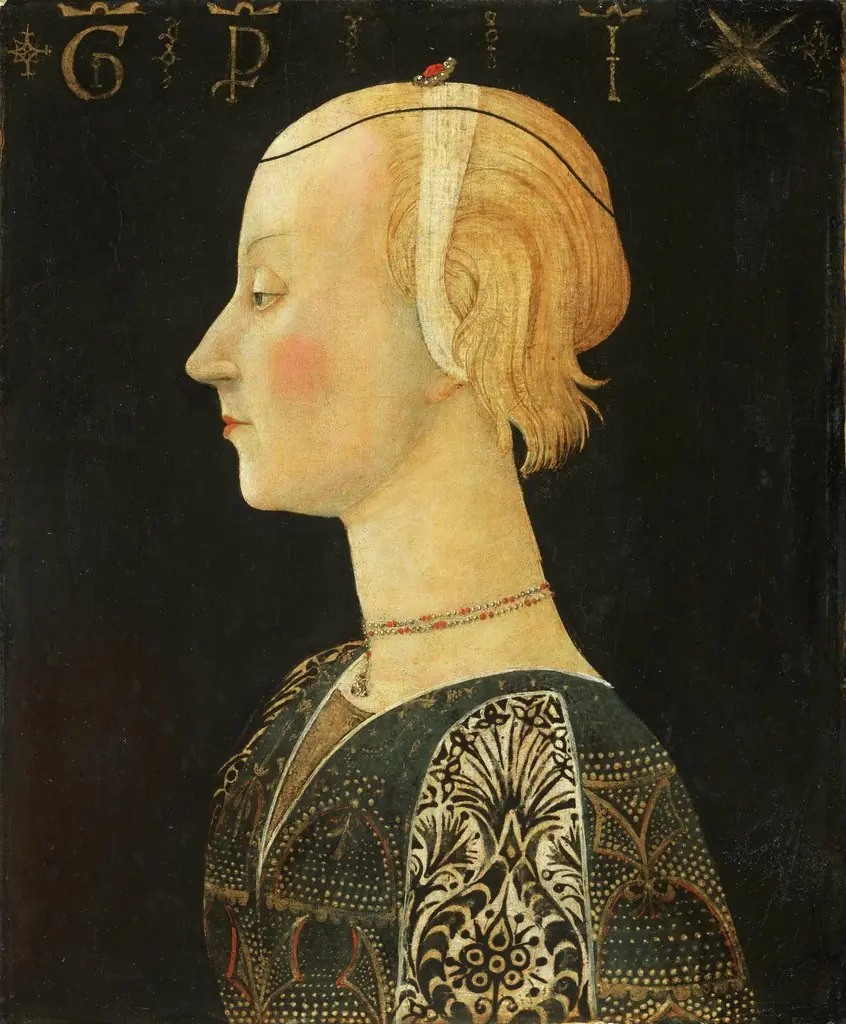 Portrait of a Lady
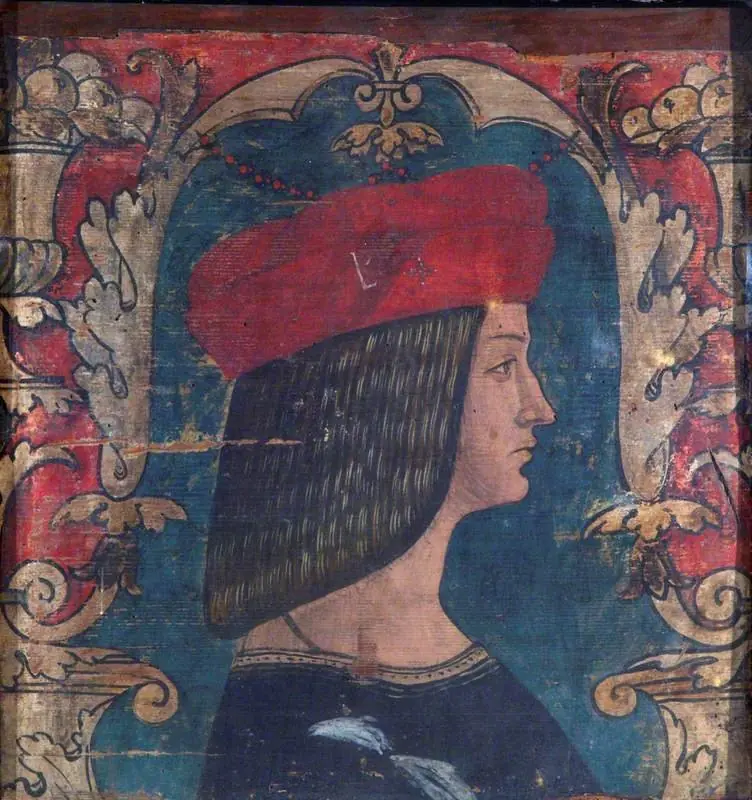 Profile Bust of a Man Facing Right (one of 29 painted panels from a frieze)
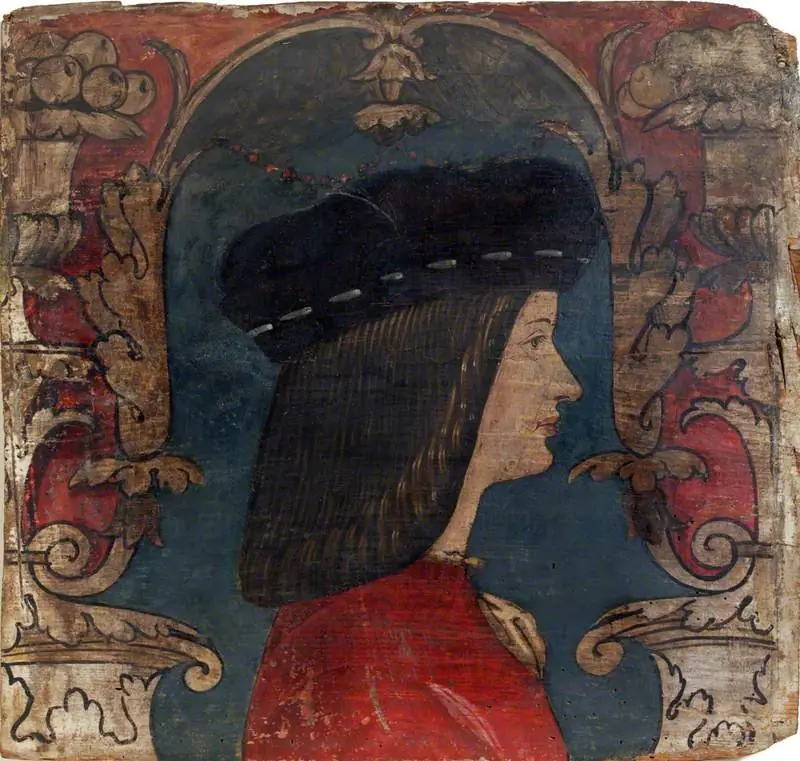 Profile Bust of a Man Facing Right (one of 29 painted panels from a frieze)
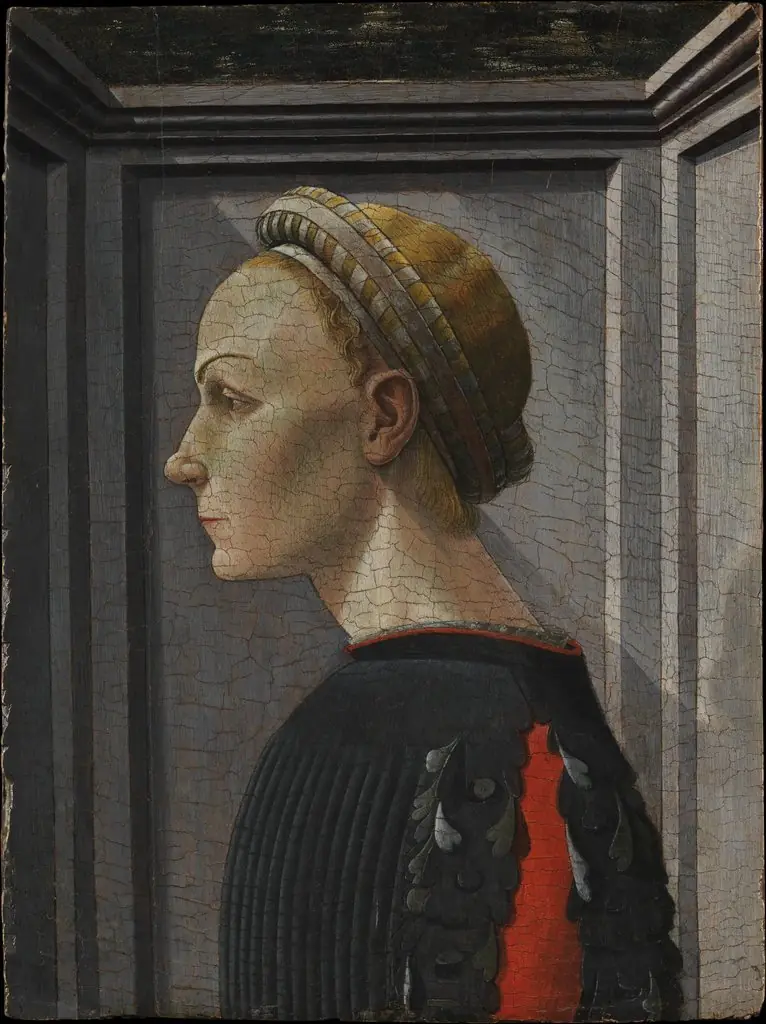 Portrait of a Woman
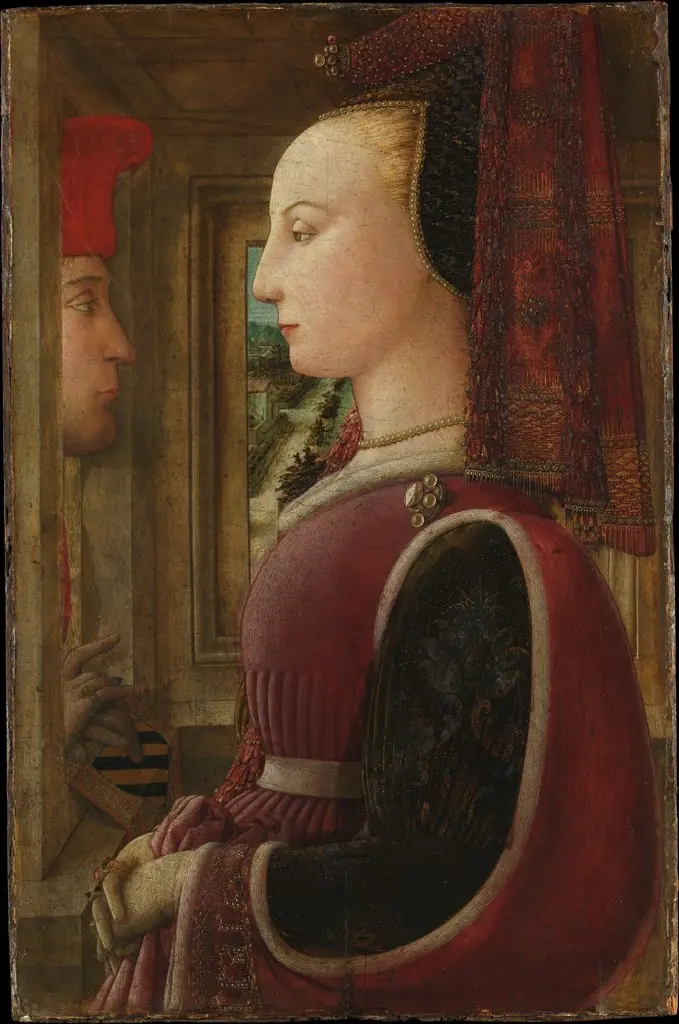 Portrait of a Woman with a Man at a Casement
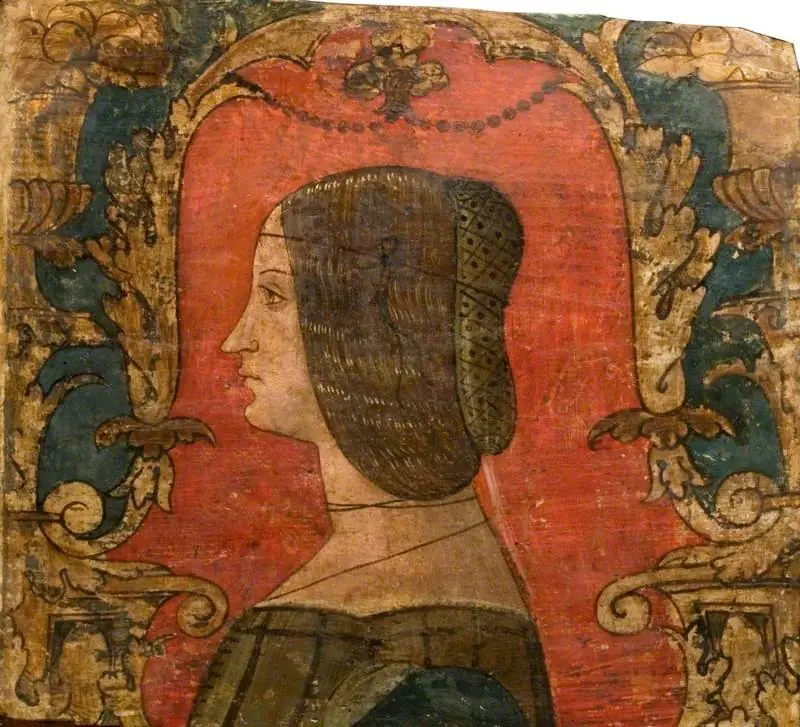 Profile Bust of a Lady Facing Left (one of 29 painted panels from a frieze)
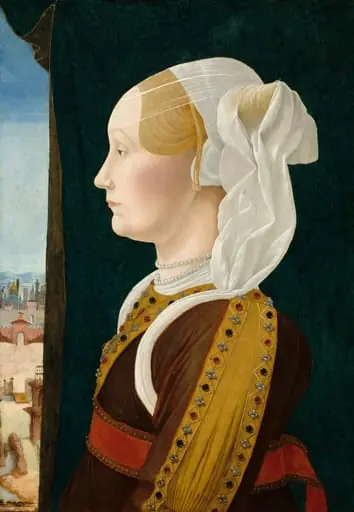 Ginevra Bentivoglio
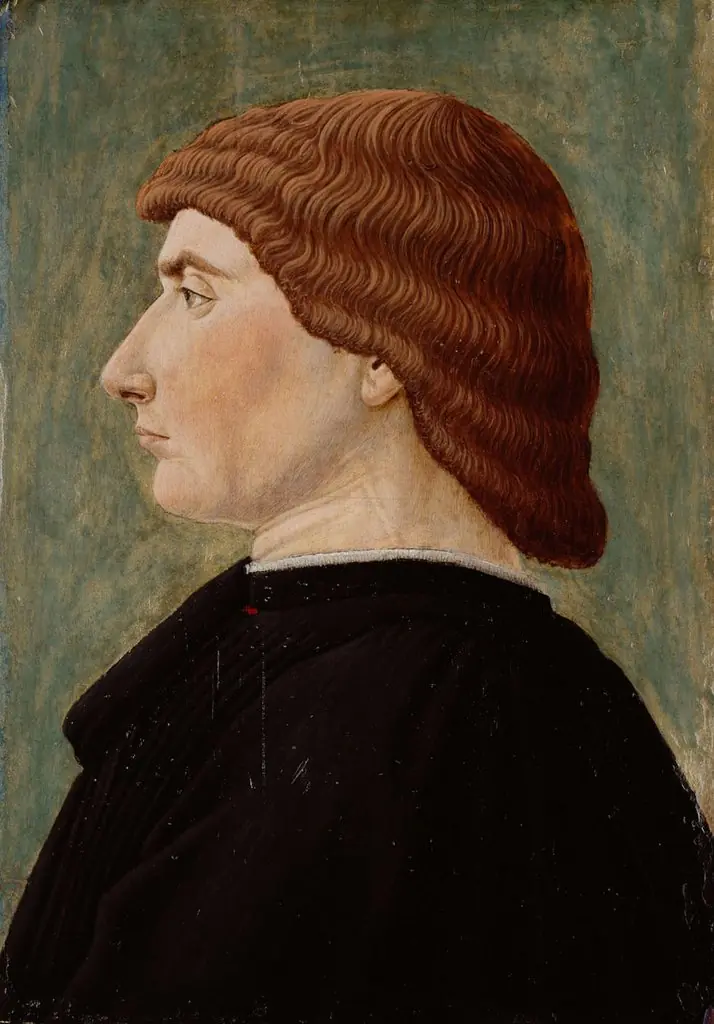 Portrait in profile
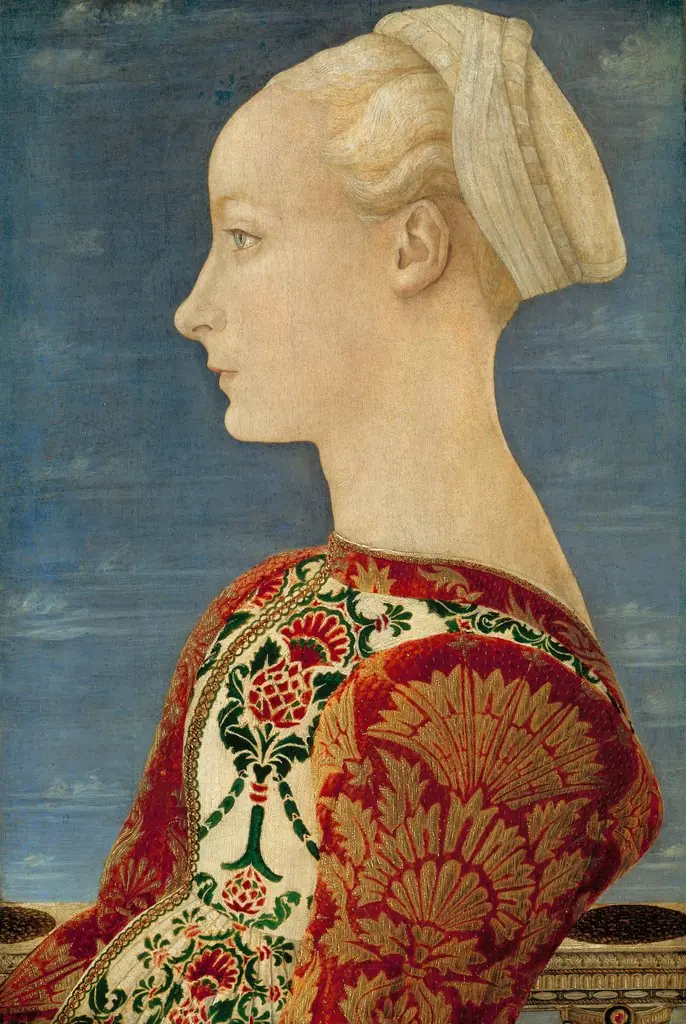 Profile Portrait of a Young Lady
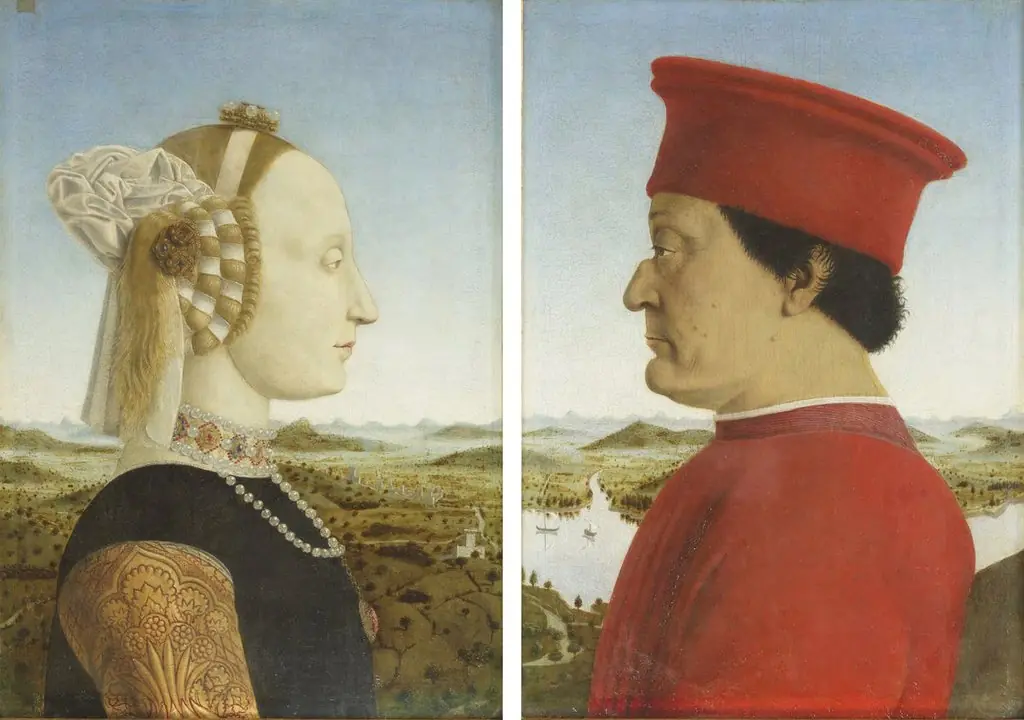 Diptych of Federico da Montefeltro and Battista Sforza