Artwork
A River in France. Study
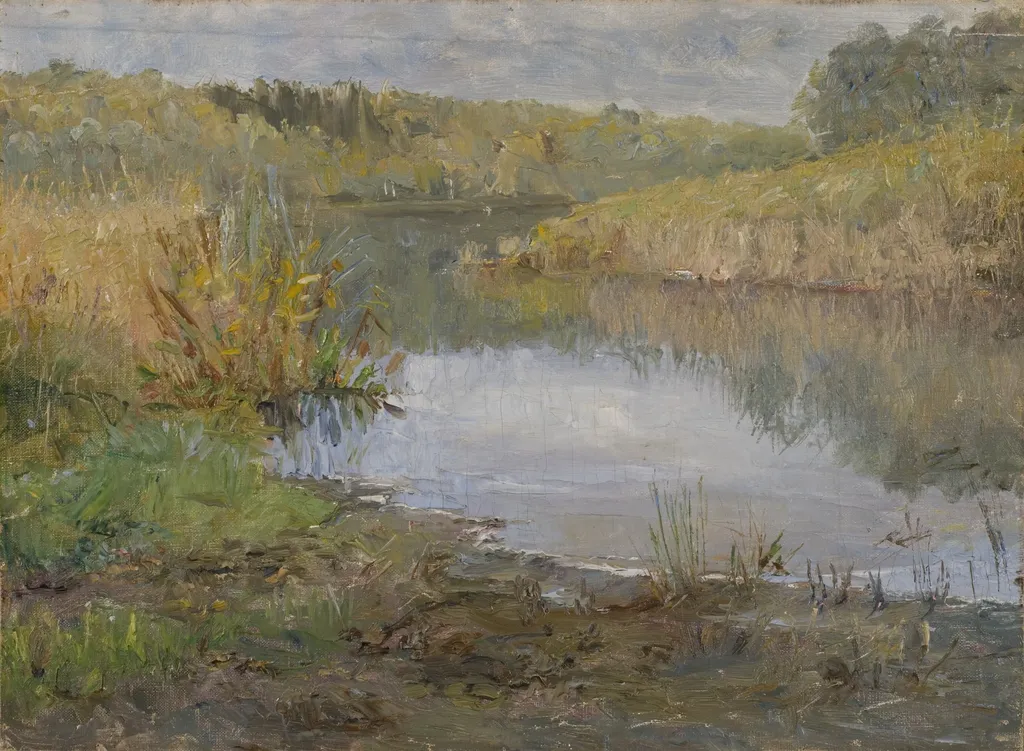
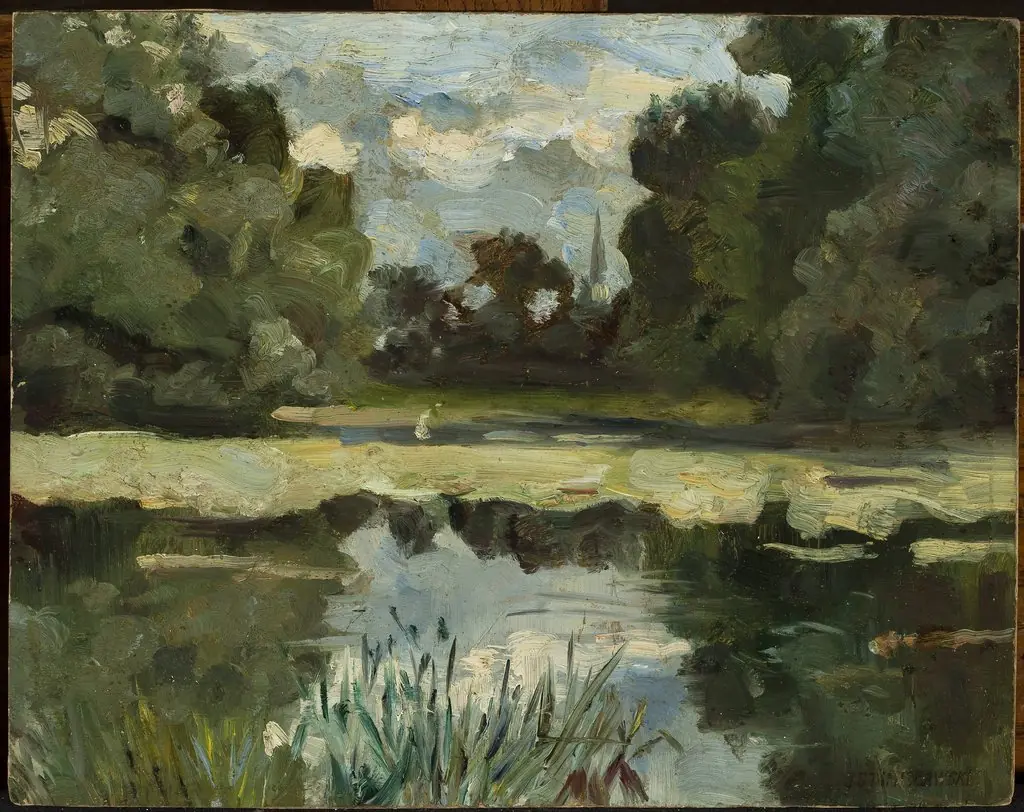
A River in France. Study is an unspecified painting by Ida von Schulzenheim. It dates from 1909 and is held in the collection of the Nationalmuseum.
About this work
Overview
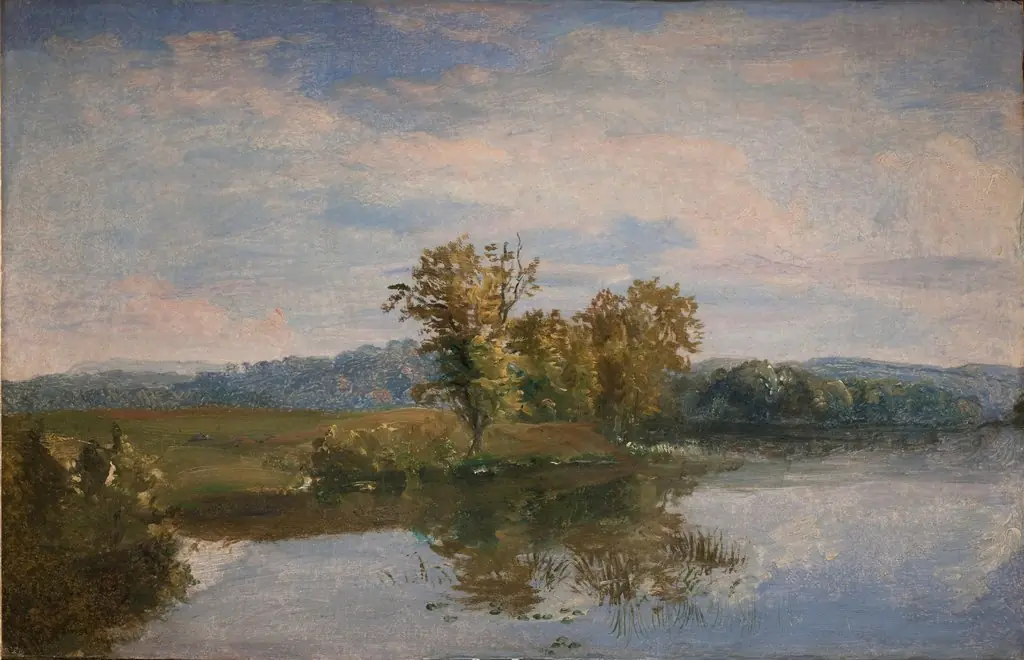
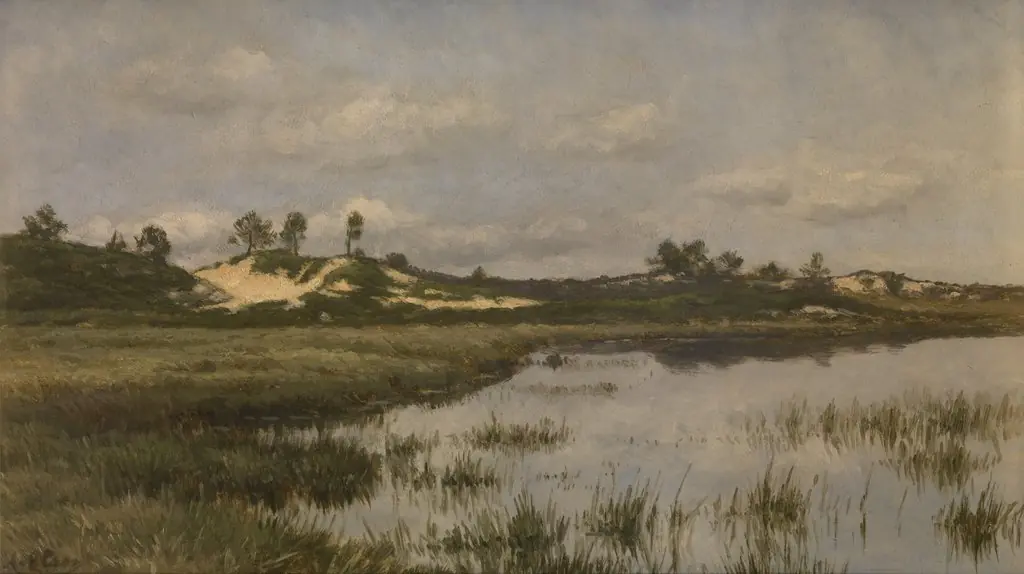
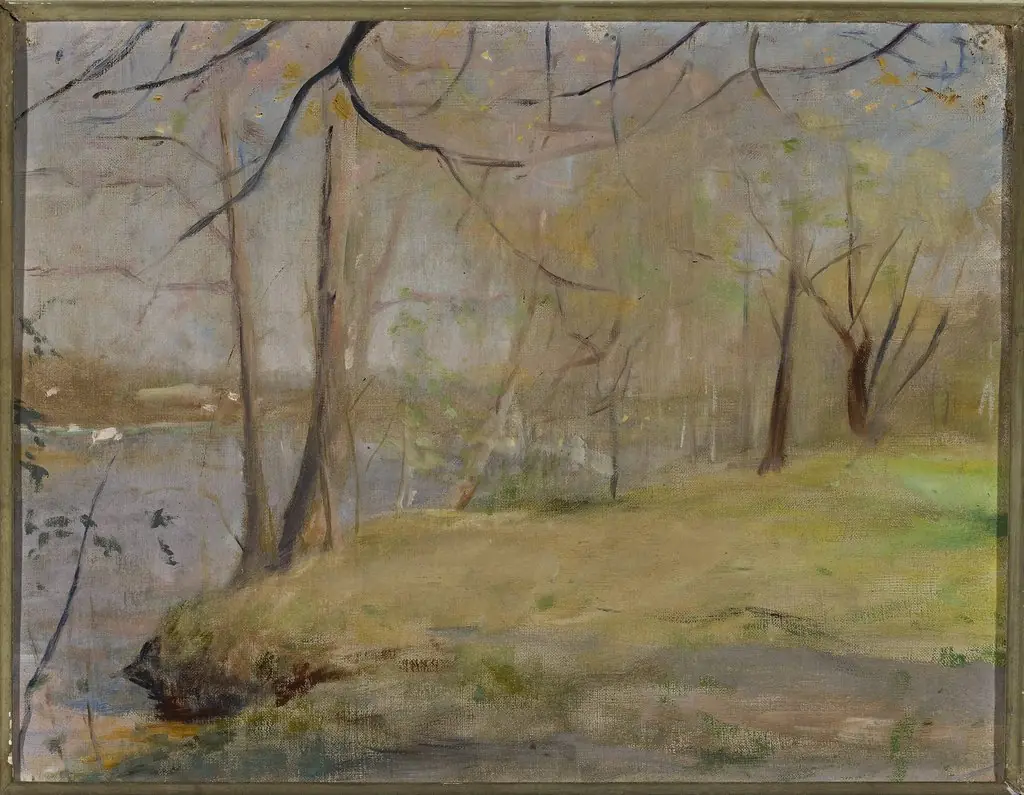
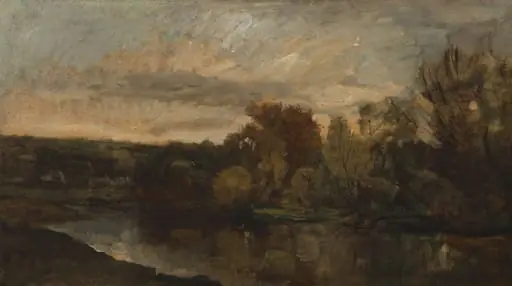
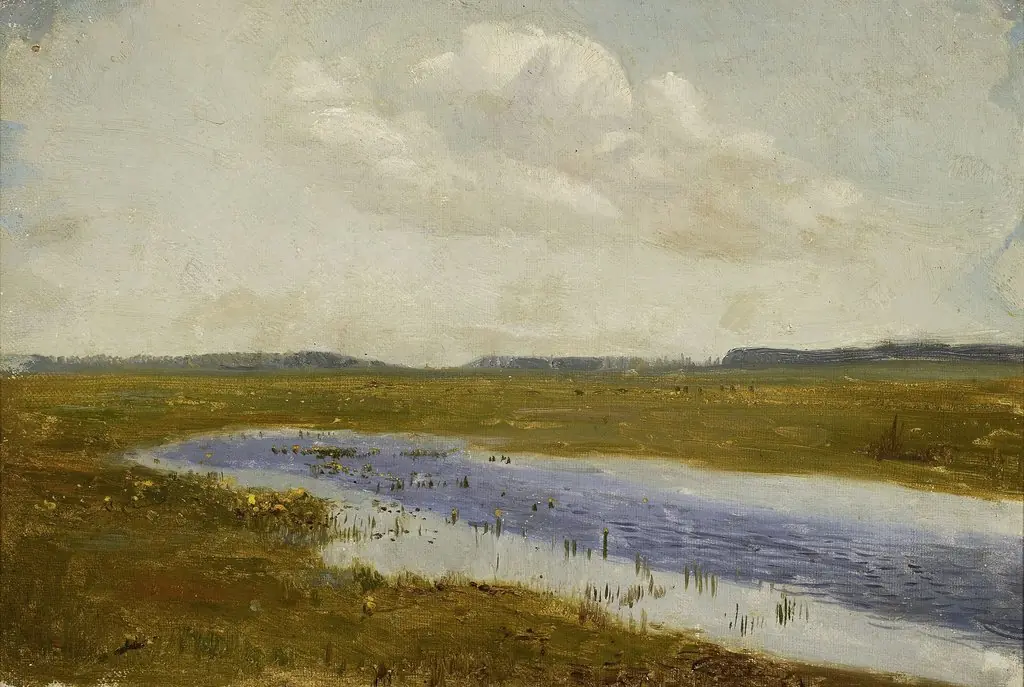
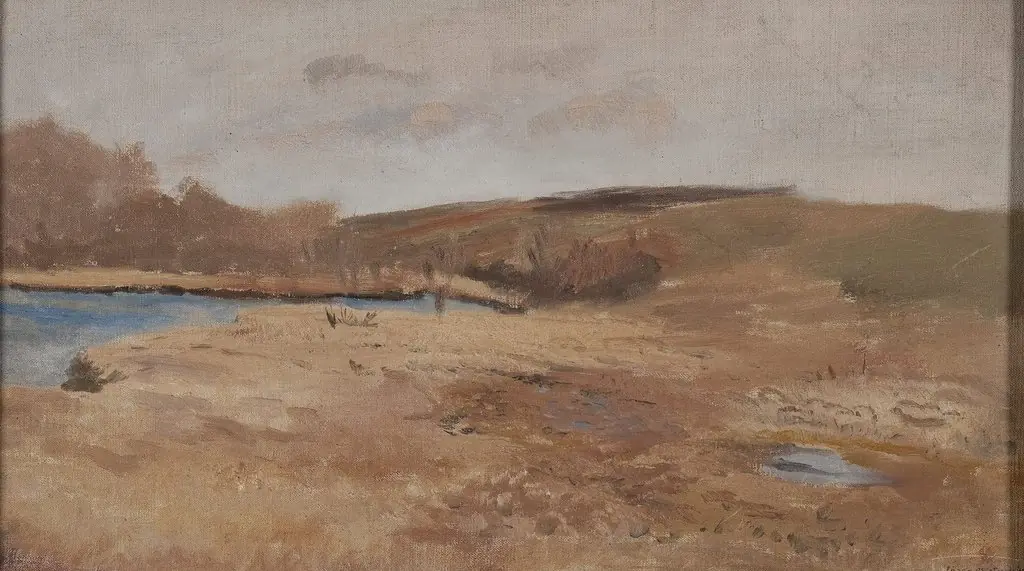
The work presents a tranquil river scene rendered in a restrained palette of greens, browns, and grays, with a sky reflected on the water’s surface.
Ida von Schulzenheim’s landscape titled *A River in France. Study*, executed around 1909, is part of the Nationalmuseum’s collection. The work presents a tranquil river scene rendered in a restrained palette of greens, browns, and grays, with a sky reflected on the water’s surface. The composition balances a grassy riverbank on the left with open water, offering a quiet glimpse of the French countryside.
Subject & Meaning
The painting captures a modest stretch of river flanked by a low, vegetated bank. Sparse grasses and small plants foreground the scene, emphasizing the natural texture of the shoreline. By focusing on the interplay of water and sky, von Schulzenheim invites contemplation of atmosphere and light, suggesting a moment of stillness within a broader landscape.
Technique & Style
Executed with loose, expressive brushwork, the study conveys a sense of movement despite its calm subject. The artist employs muted tonal variations to model form, allowing the reflected sky to merge subtly with the water. The handling of foliage and grass is gestural, creating texture without detailed rendering, characteristic of early twentieth‑century plein‑air studies.
History & Provenance
Created circa 1909, the work reflects von Schulzenheim’s practice of sketching on location during travels in France. It entered the Nationalmuseum’s holdings in the early twentieth century, though precise acquisition details remain undocumented. The painting has been displayed as part of the museum’s holdings of Swedish artists who worked abroad.
Context
At the time of its creation, von Schulzenheim was part of a generation of Swedish painters engaging with European landscapes, often adopting a more restrained palette than the vivid Impressionists. The study aligns with contemporary interests in capturing atmospheric conditions and the fleeting qualities of light, situating it within broader trends of early modern landscape painting.
Own this work as a print
Artist & collection