Artwork
Dwarf Gregorio
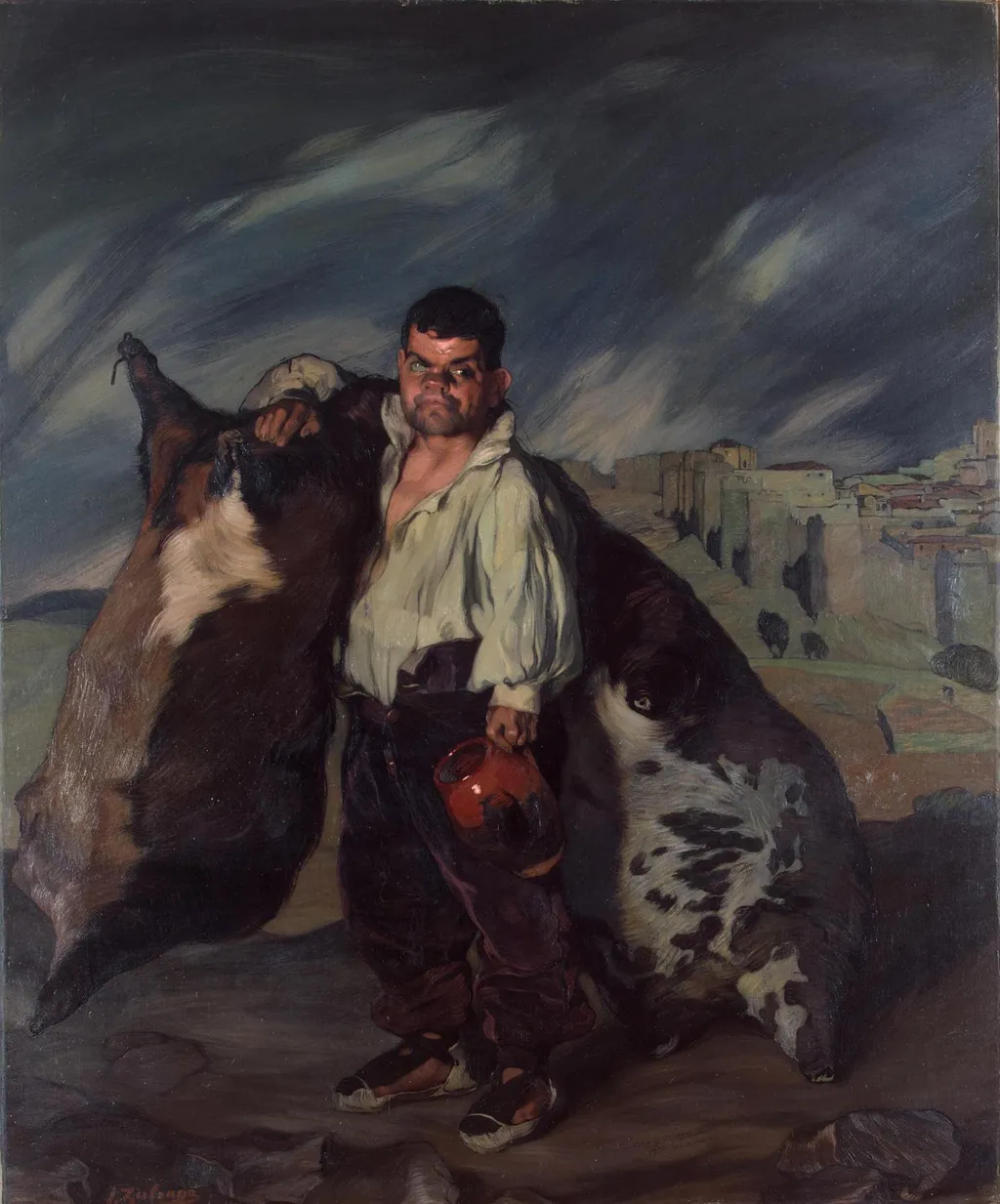
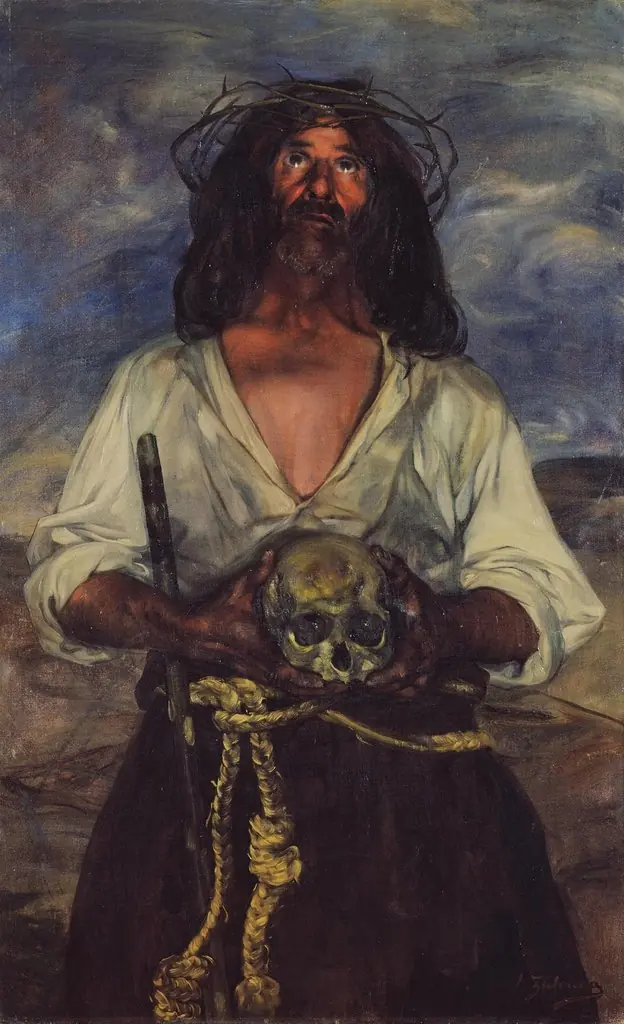
Dwarf Gregorio is an oil painting by the Post-Impressionist artist Ignacio Zuloaga. It dates from 1908 and is held in the collection of the Hermitage Museum.
About this work
Overview
Created in 1908, *Dwarf Gregorio* is an oil painting by Spanish artist Ignacio Zuloaga. The work belongs to the early twentieth‑century period when Zuloaga was developing his reputation for portraying distinctly Spanish figures. It is currently part of the collection of the State Hermitage Museum in St. Petersburg.
Subject & Meaning
The canvas presents a portrait of a dwarf named Gregorio, rendered as a solitary individual within a modest setting. Zuloaga’s choice of a marginalized figure reflects his interest in everyday Spanish characters, offering a quiet study of identity and social position without overt narrative embellishment.
Technique & Style
Executed in oil on canvas, the painting displays the loose brushwork and vivid coloration associated with post‑impressionist tendencies, yet retains a disciplined draftsmanship. Zuloaga balances tonal depth with a restrained palette, allowing the subject’s features to emerge through subtle modeling rather than dramatic chiaroscuro.
History & Provenance
After its completion, the work entered private collections before being acquired by the State Hermitage Museum, where it has remained on public display. The museum’s acquisition reflects the early twentieth‑century Russian interest in contemporary European art, particularly works that depict regional cultures.
Context
Zuloaga, born in 1870 near the monastery of Loyola, was part of a generation of Spanish painters who turned away from academic conventions toward more personal, locally rooted subjects. *Dwarf Gregorio* exemplifies this shift, situating a humble figure within a broader movement that sought to capture the spirit of Spain through modernist techniques.
Own this work as a print
Artist & collection
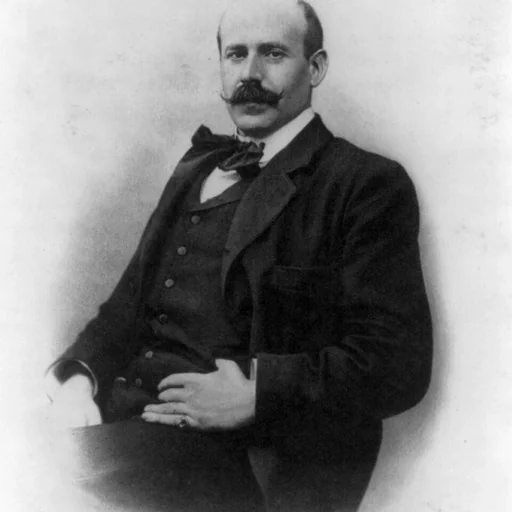
Artist
Ignacio Zuloaga y Zabaleta (July 26, 1870 – October 31, 1945) was a Spanish painter, born in Eibar, Guipuzcoa, near the monastery of Loyola.