Artwork
Jupiter and Hebe
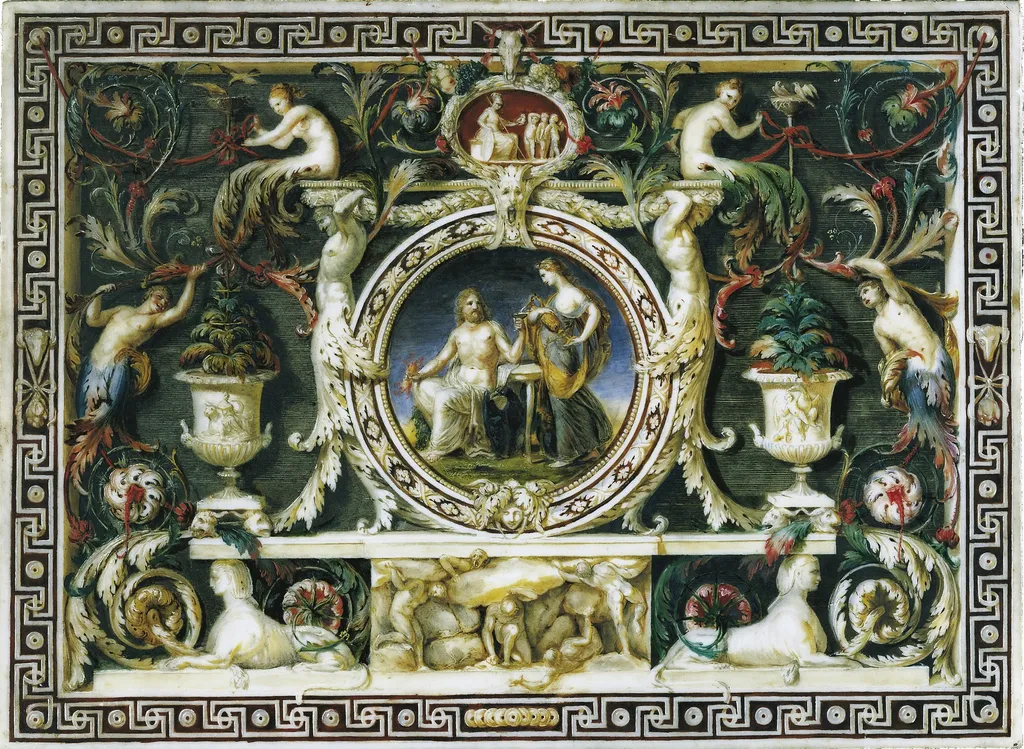
Jupiter and Hebe is an unspecified painting by the Rococo painting artist Ignaz Unterberger. It dates from 1792 and is held in the collection of the Städel Museum.
About this work
Overview
Ignaz Unterberger’s oil painting *Jupiter and Hebe* was executed in 1792. The work belongs to the late Rococo period and is part of the Städel Museum’s holdings. It presents a mythological scene in which the Roman king of the gods, Jupiter, interacts with the cup‑bearing goddess Hebe.
Subject & Meaning
The composition draws on classical mythology, pairing the supreme deity Jupiter with Hebe, the personification of youth who served as cupbearer to the gods. Their partially nude forms, shown from the waist up, emphasize the idealized human body that was central to Enlightenment‑era depictions of divine figures.
Technique & Style
Executed as a circular, or tondo, composition, the painting frames the figures with a white ornamental border of leaves and flowers. The surrounding space is filled with several sculptural nude figures, creating a decorative rhythm typical of Rococo ornamentation. A dark green background deepens the contrast and highlights the luminous flesh tones.
History & Provenance
Unterberger, a Tyrolean artist from a family of painters and printmakers active within the Holy Roman Empire, produced the work late in his career. After changing hands among private collections, the painting entered the Städel Museum’s collection, where it remains on display.
Context
The work reflects the waning Rococo taste for mythological allegory and decorative elegance in the late eighteenth century. Unterberger’s approach aligns with contemporary Austrian and German artists who combined academic drawing with a light, ornamental palette, while still referencing the classical tradition that dominated academic curricula.
Artist & collection
Artist
Ignaz Unterberger (24 July 1748, Cavalese – 4 December 1797, Vienna) was a painter and printmaker, who was also an inventor. He lived his entire life in the Holy Roman Empire. He was a member of a large dynasty of Tyrolean artists.

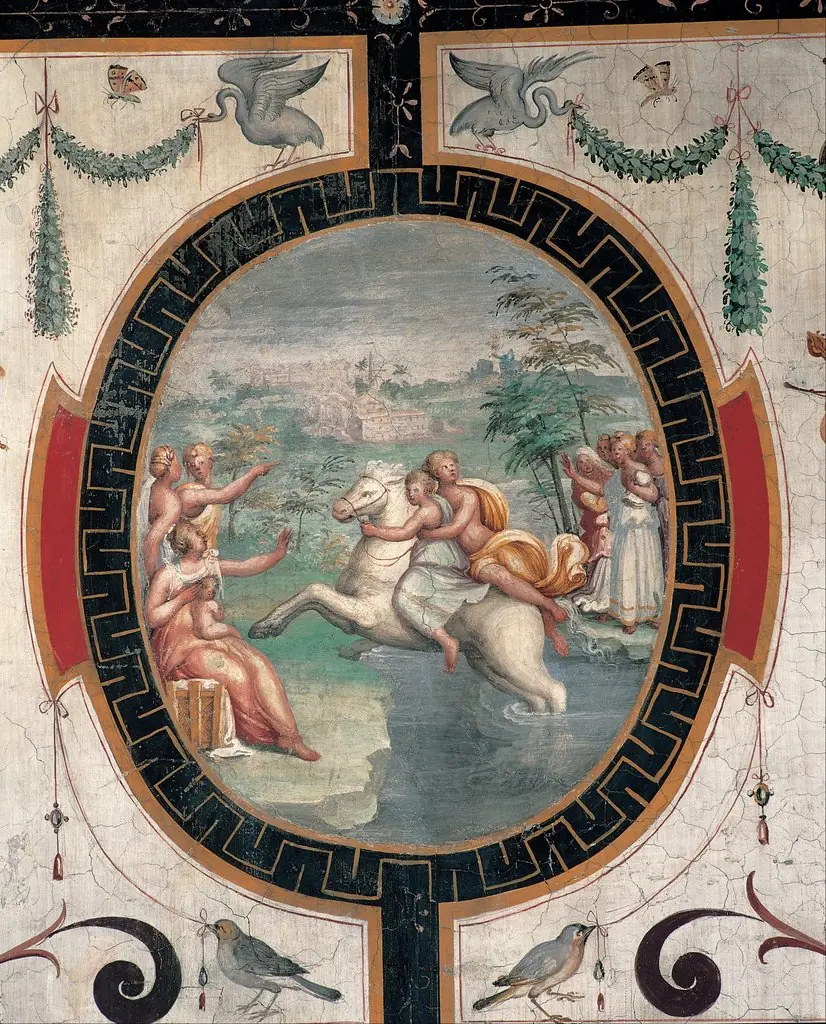 Clelia crossing the Tiber on a horse
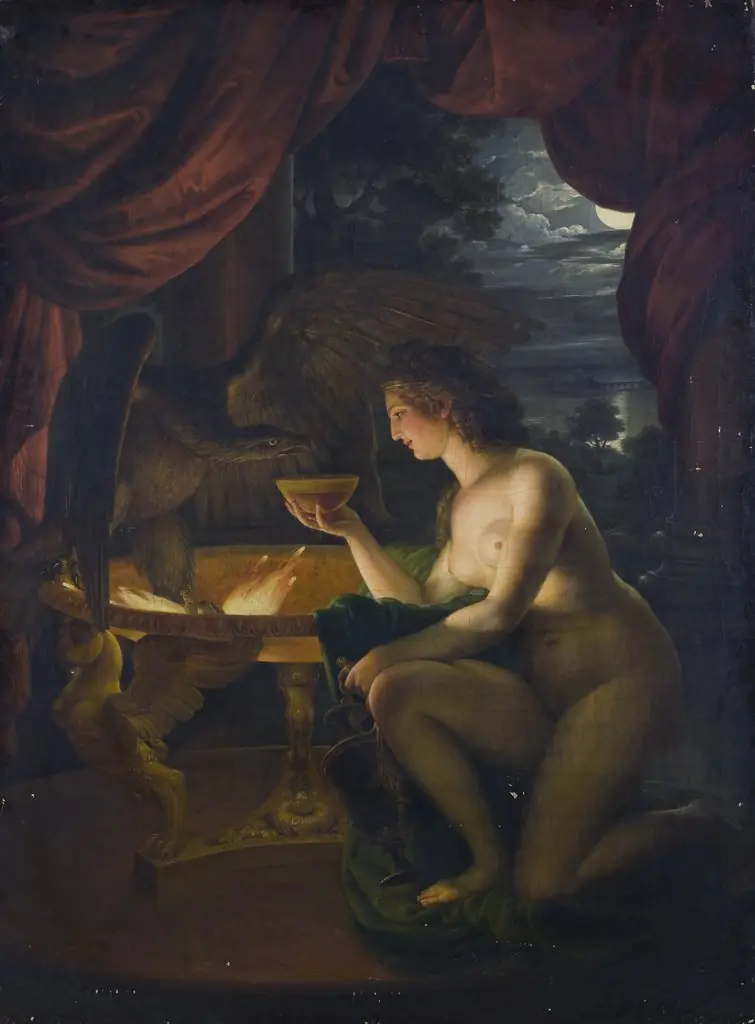
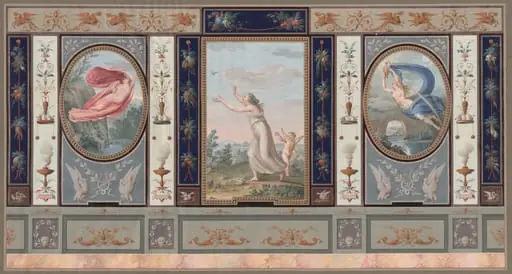 Elaborate Wall Decoration with Endymion and Hebe
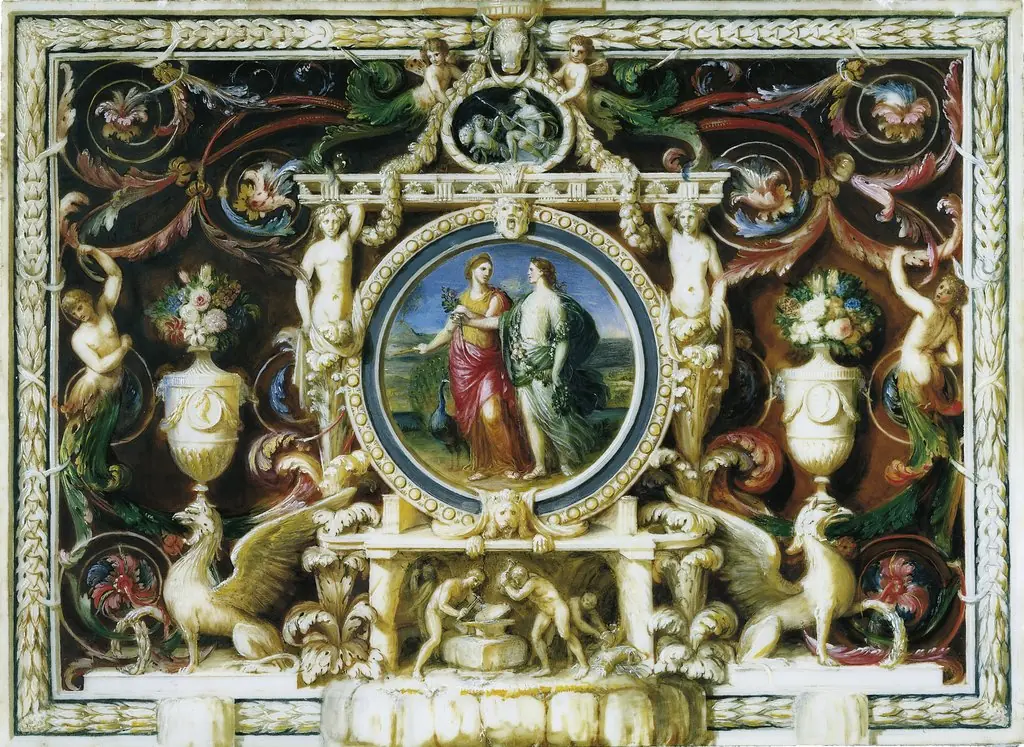
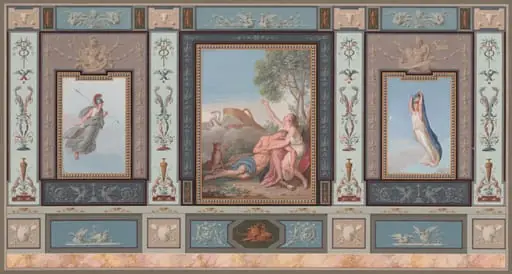 Elaborate Wall Decorations with Venus and Adonis
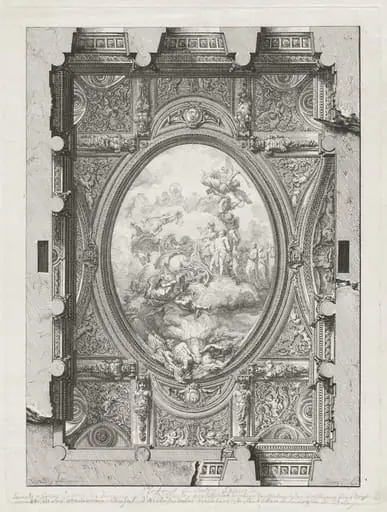 Design for the Ceiling of the Salon of the Palazzo Spinola, Genoa
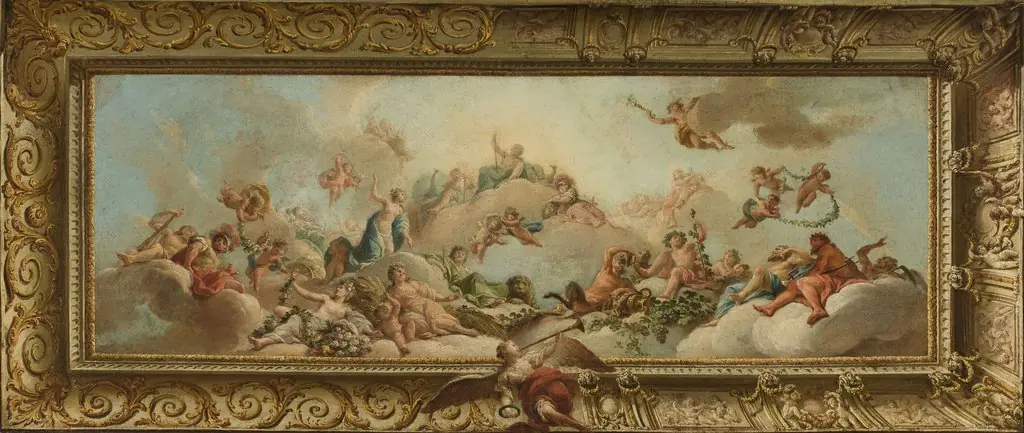 Greeting of Venus at Mount Olympus
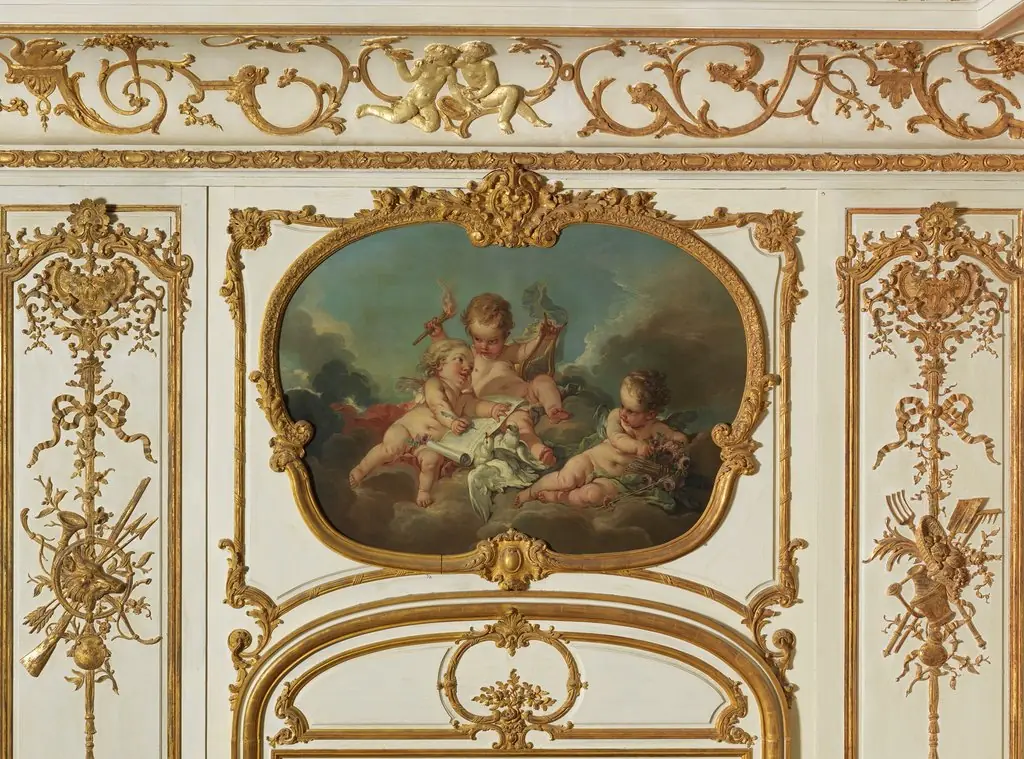 Allegory of Lyric Poetry
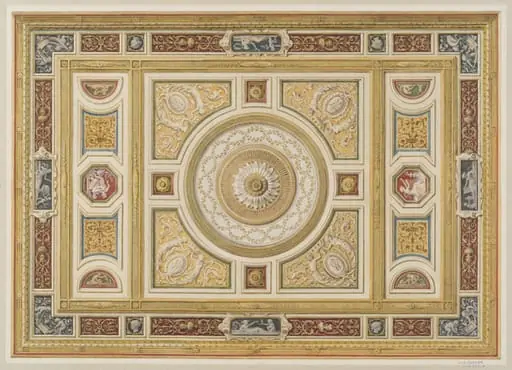 Design for the drawing room ceiling at Grosvenor House
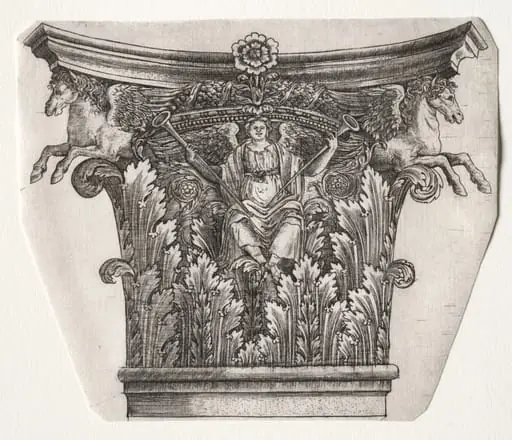 Base and Capital with Figure of Fame and Winged Horses
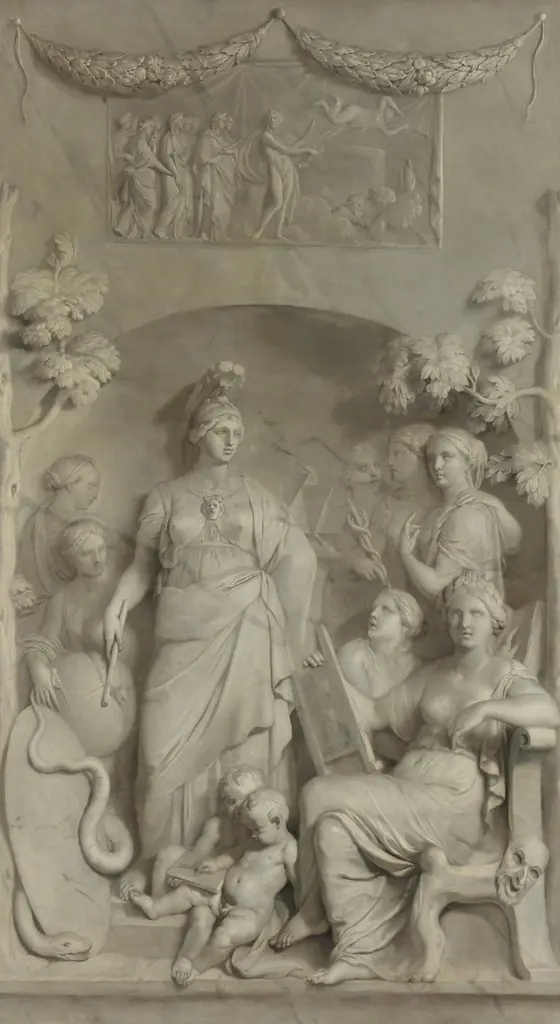 Allegory of the sciences
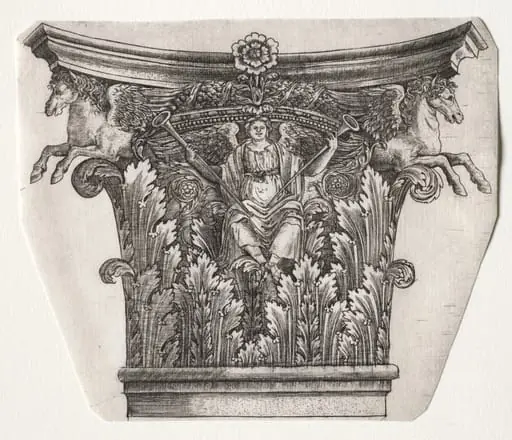 Base and Capital with Figure of Fame and Winged Horses (capital)
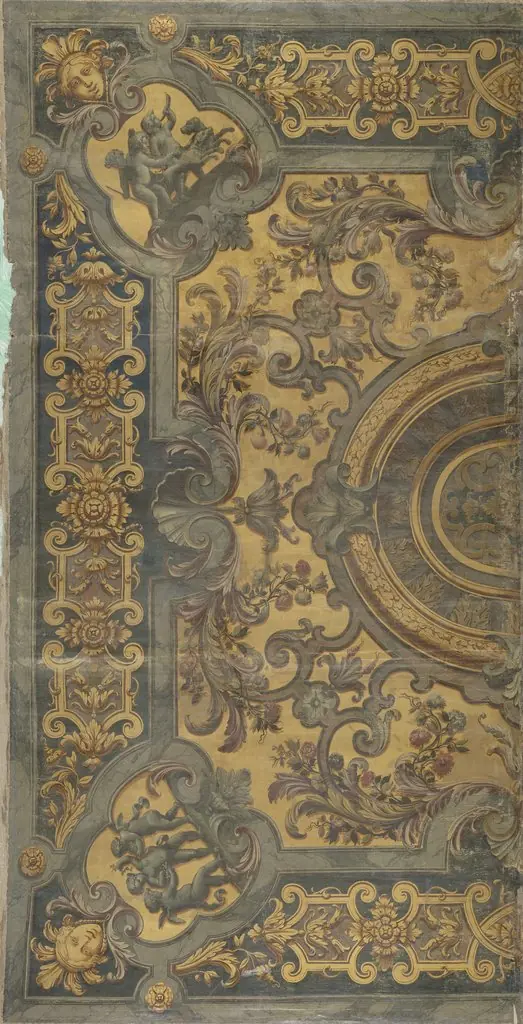 Ornamentale plafondschildering met in de hoeken voorstellingen van putti