Artwork
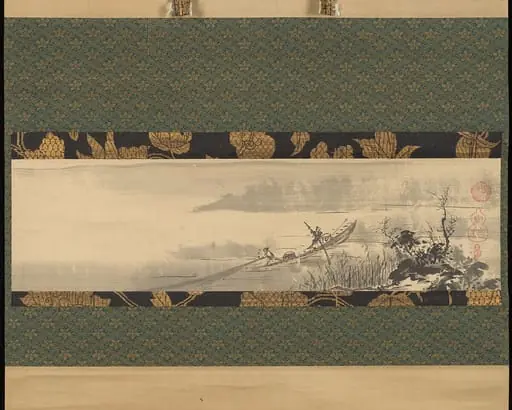
Fishing Boat on Reed Covered Bank and Calligraphy
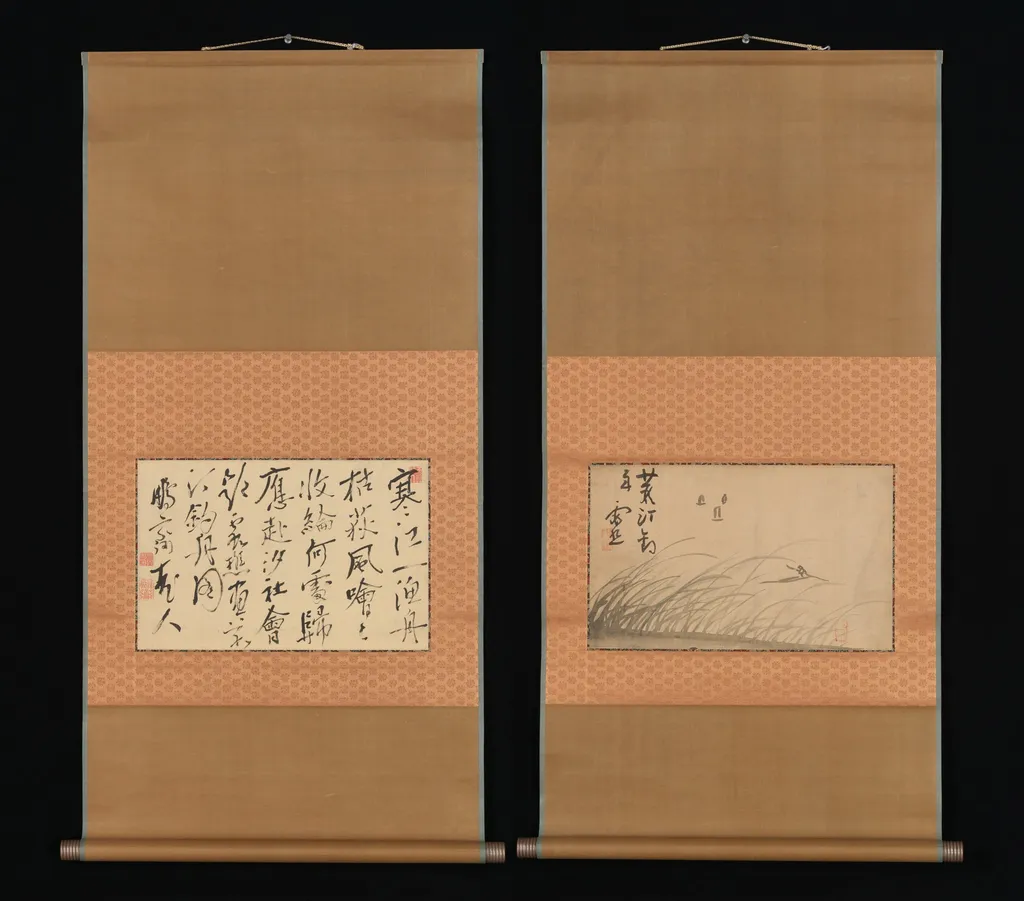
Fishing Boat on Reed Covered Bank and Calligraphy is an unspecified painting by the Rococo painting artist Ike no Taiga. It dates from 1774 and is held in the collection of the Metropolitan Museum of Art.
About this work
Overview
Ike no Taiga's Fishing Boat on Reed Covered Bank and Calligraphy, created in 1774 during Japan's Edo period, exemplifies the artist's dual mastery.
Ike no Taiga's Fishing Boat on Reed Covered Bank and Calligraphy, created in 1774 during Japan's Edo period, exemplifies the artist's dual mastery. This work combines a painted scene with an accompanying calligraphic inscription, presented as a single scroll. As a prominent figure in the bunjinga (literati painting) movement, Taiga frequently integrated classical Chinese aesthetic principles with his own innovative artistic methods. The piece is housed in The Metropolitan Museum of Art.
Subject & Meaning
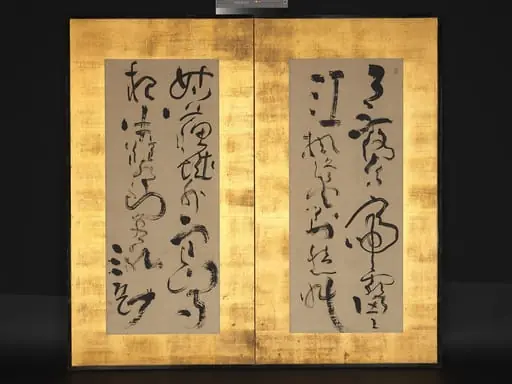
The scroll features two distinct yet complementary panels. On the right, a fishing boat rests among tall reeds, rendered with a simple, fluid ink drawing. The left panel presents an expanse of black ink calligraphy, possibly a poem or letter, framed by a red border. This pairing of image and text, both signed by the artist in red, invites contemplation, characteristic of literati art where visual art and poetic expression are often intertwined to evoke mood or philosophical reflection.
Technique & Style
Taiga's approach in this work showcases the spontaneous and expressive qualities of ink painting and calligraphy. The drawing of the boat and reeds appears loose and quickly executed, emphasizing the artist's direct engagement with the medium. This style aligns with the bunjinga genre, which valued individual expression and often drew inspiration from Chinese literati traditions while incorporating contemporary Japanese aesthetic trends, sometimes associated with the broader Rococo movement's decorative sensibilities.
Context
Ike no Taiga was a pivotal figure in the development of bunjinga, or nanga, in 18th-century Japan, a movement he co-founded with Yosa Buson. This artistic genre was deeply influenced by Chinese literati painting, emphasizing scholarly pursuits, poetry, and a refined amateur aesthetic. Taiga's work consistently reflected this foundation, blending traditional Chinese motifs and philosophical underpinnings with a distinctively Japanese sensibility and technical ingenuity, thereby shaping the trajectory of Edo period art.
Artist & collection
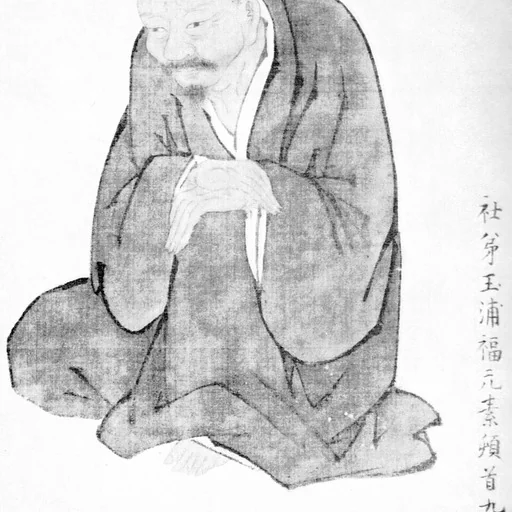
Artist
Ike no Taiga (池大雅; June 6, 1723, in Kyōto, Japan — May 30, 1776, in Kyōto) was a Japanese painter and calligrapher born in Kyoto during the Edo period.

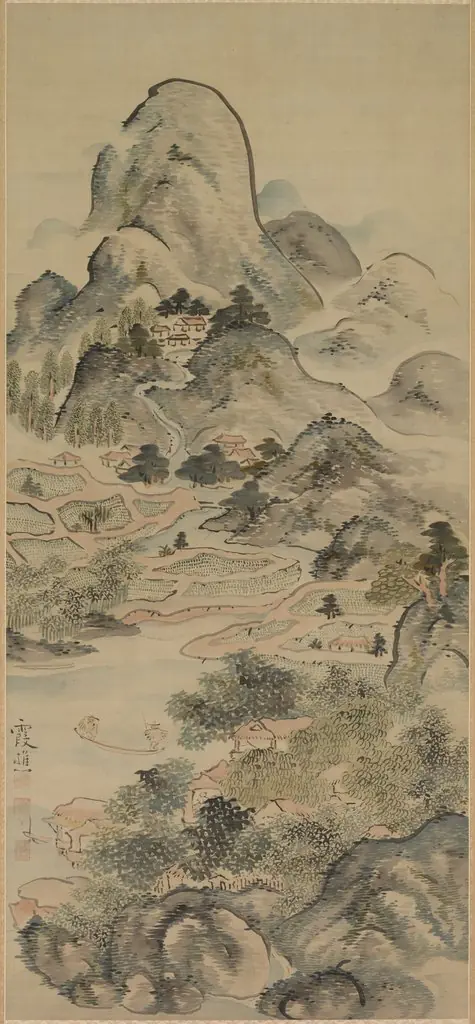
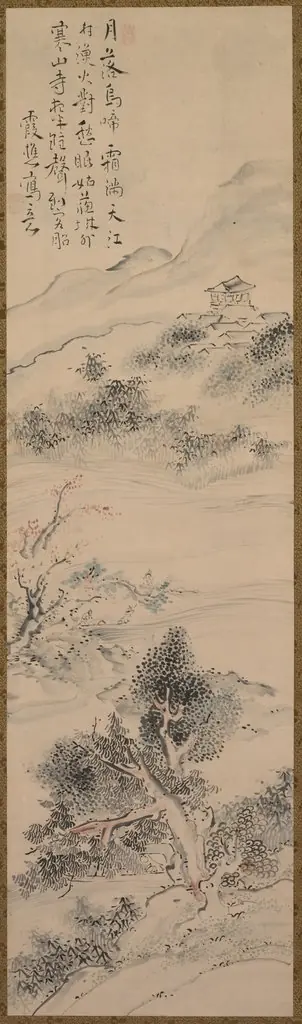
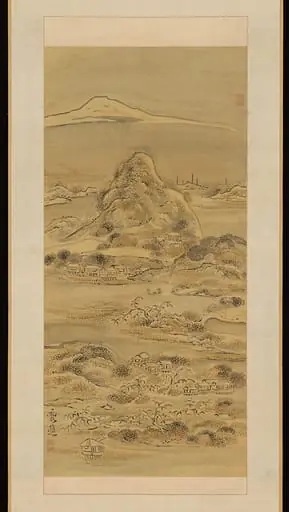
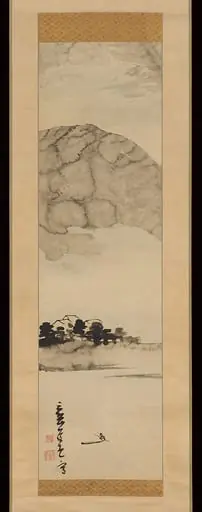
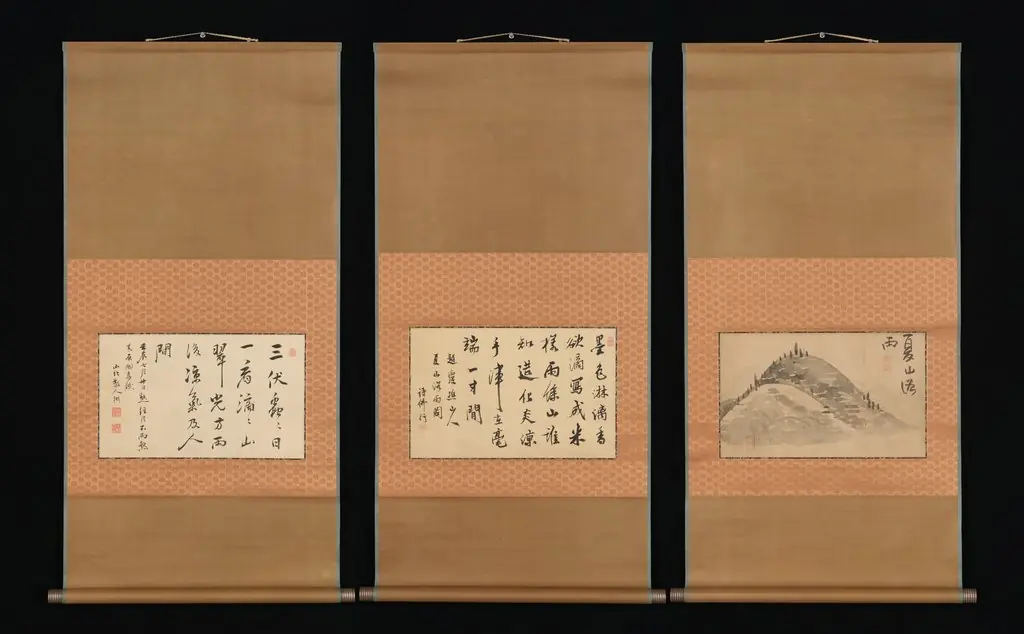 Mountain and Calligraphy
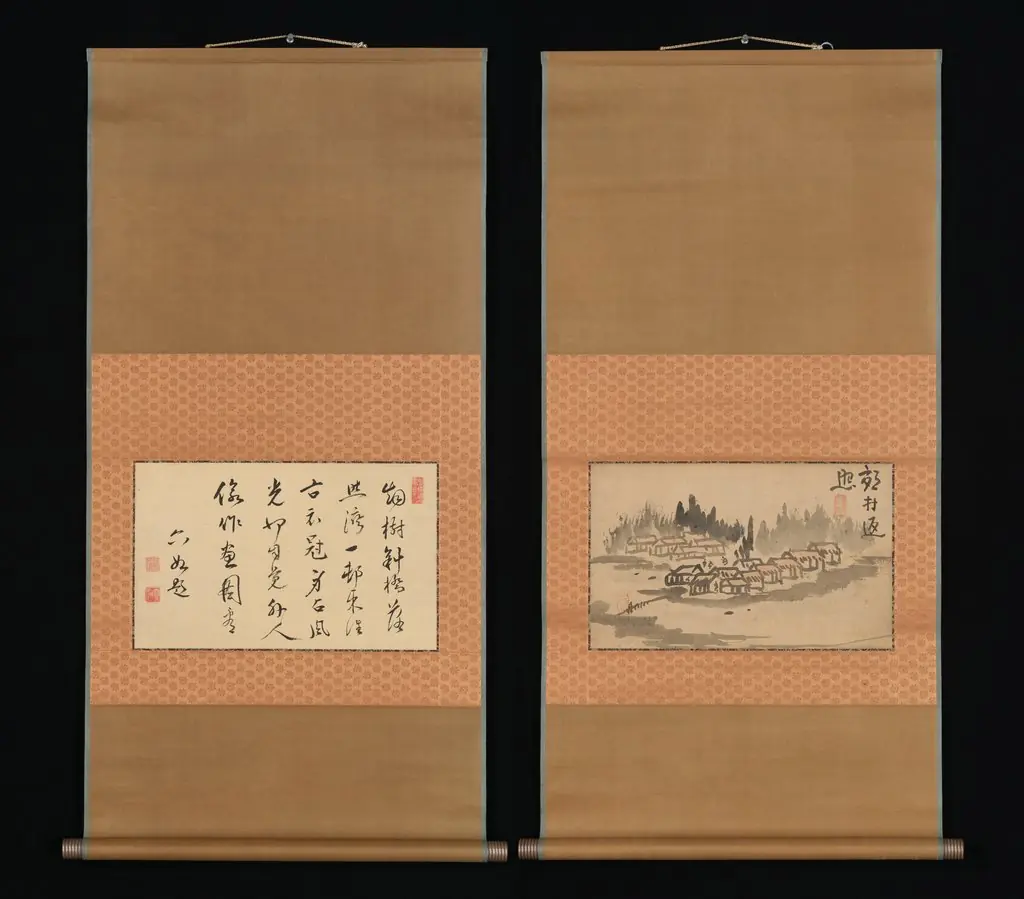 Evening Glow in a Mountain Village and Calligraphy
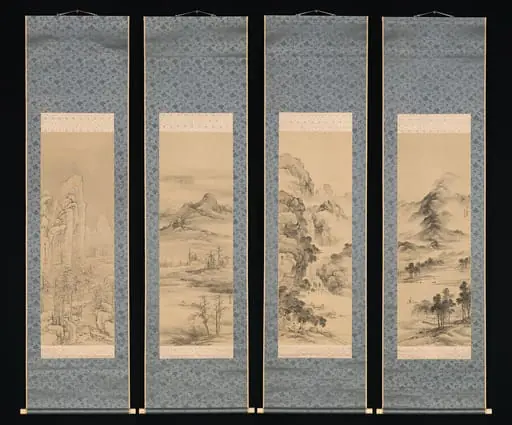 山本梅逸筆 四季山水図|Landscapes of the Four Seasons
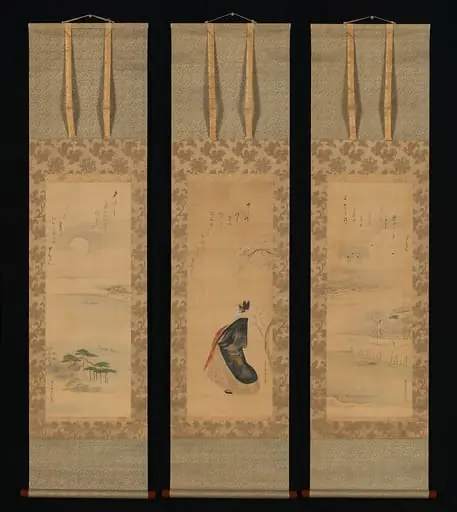 蜀山人(大田 南畝)賛 雪・月・花図 |Snow, Moon, and Cherry Blossoms (Yoshiwara in Three Seasons)
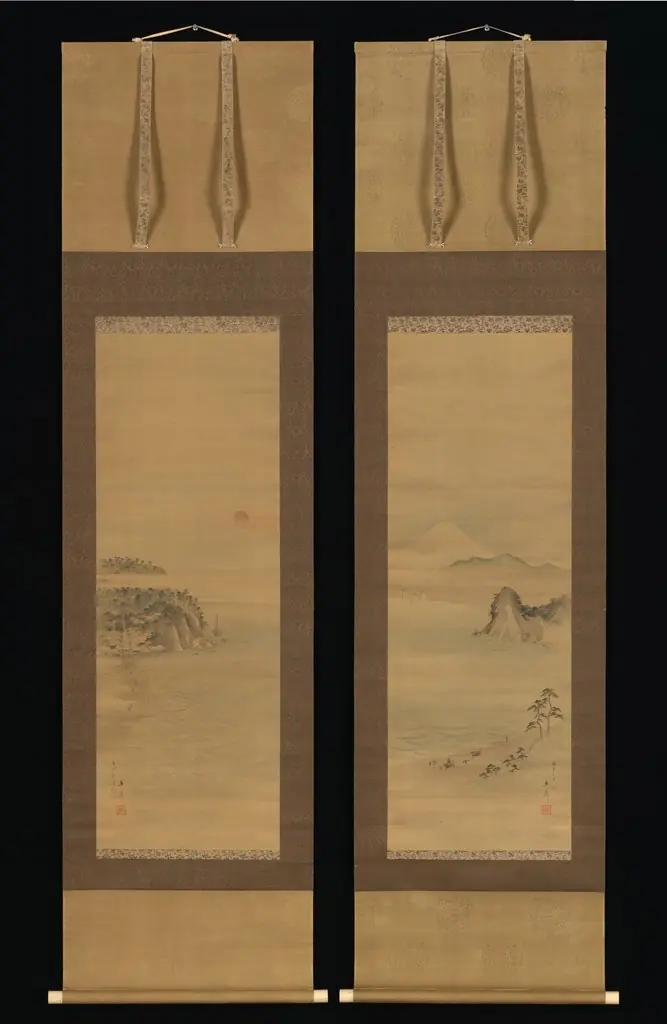 Shichirigahama and Enoshima
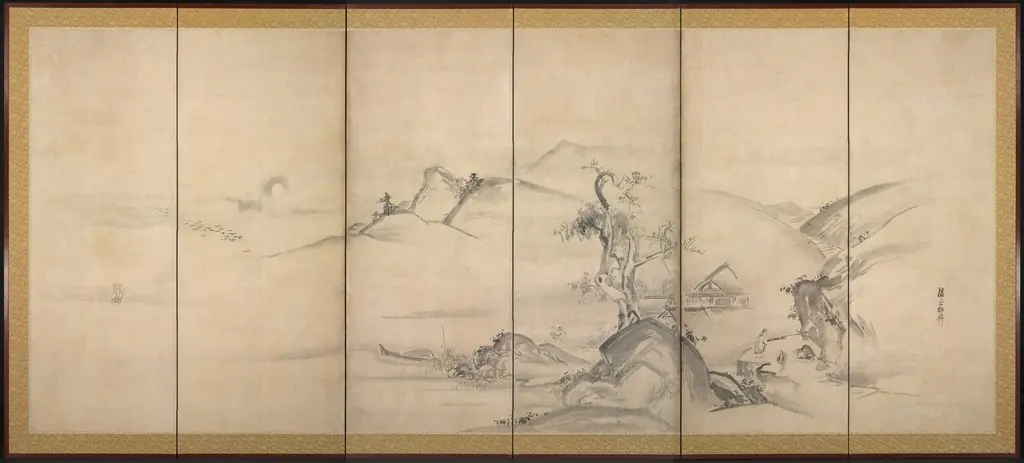 Eight Views of the Xiao and Xiang Rivers
 Untitled
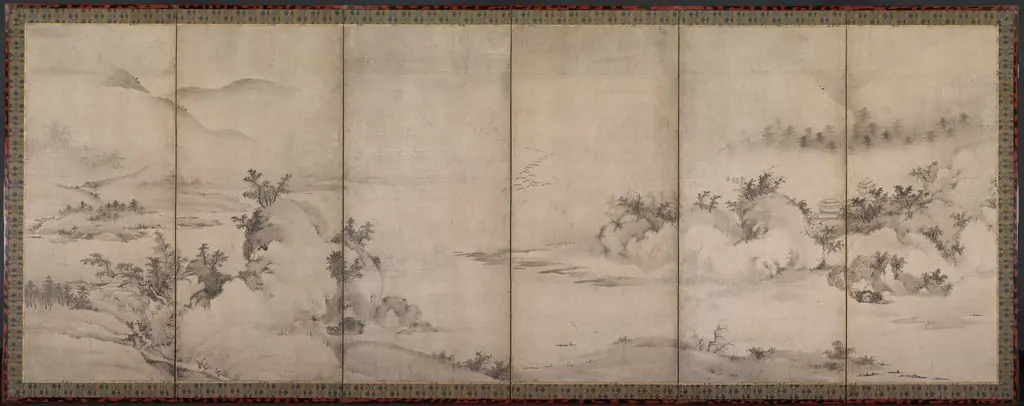 Landscape with Motifs from the Eight Views of Xiao-Xiang
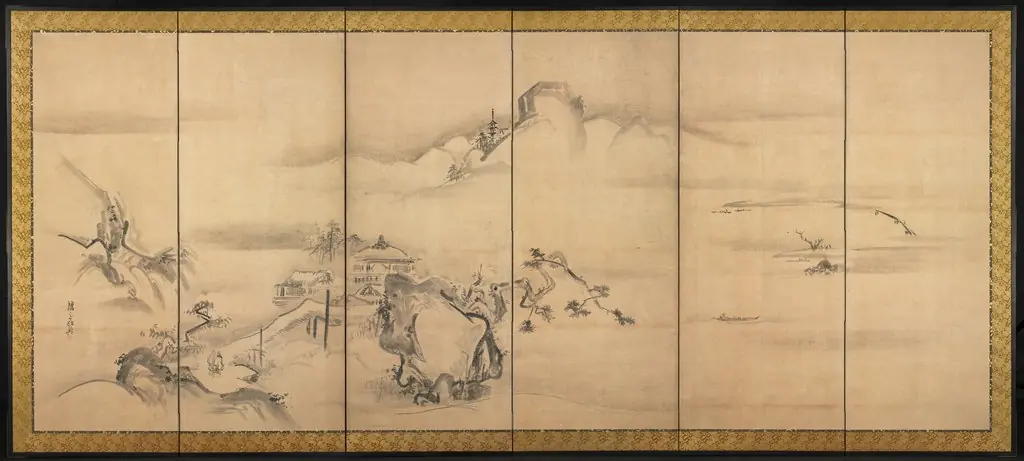 Eight Views of the Xiao and Xiang Rivers