Artwork
Henri Labrouste
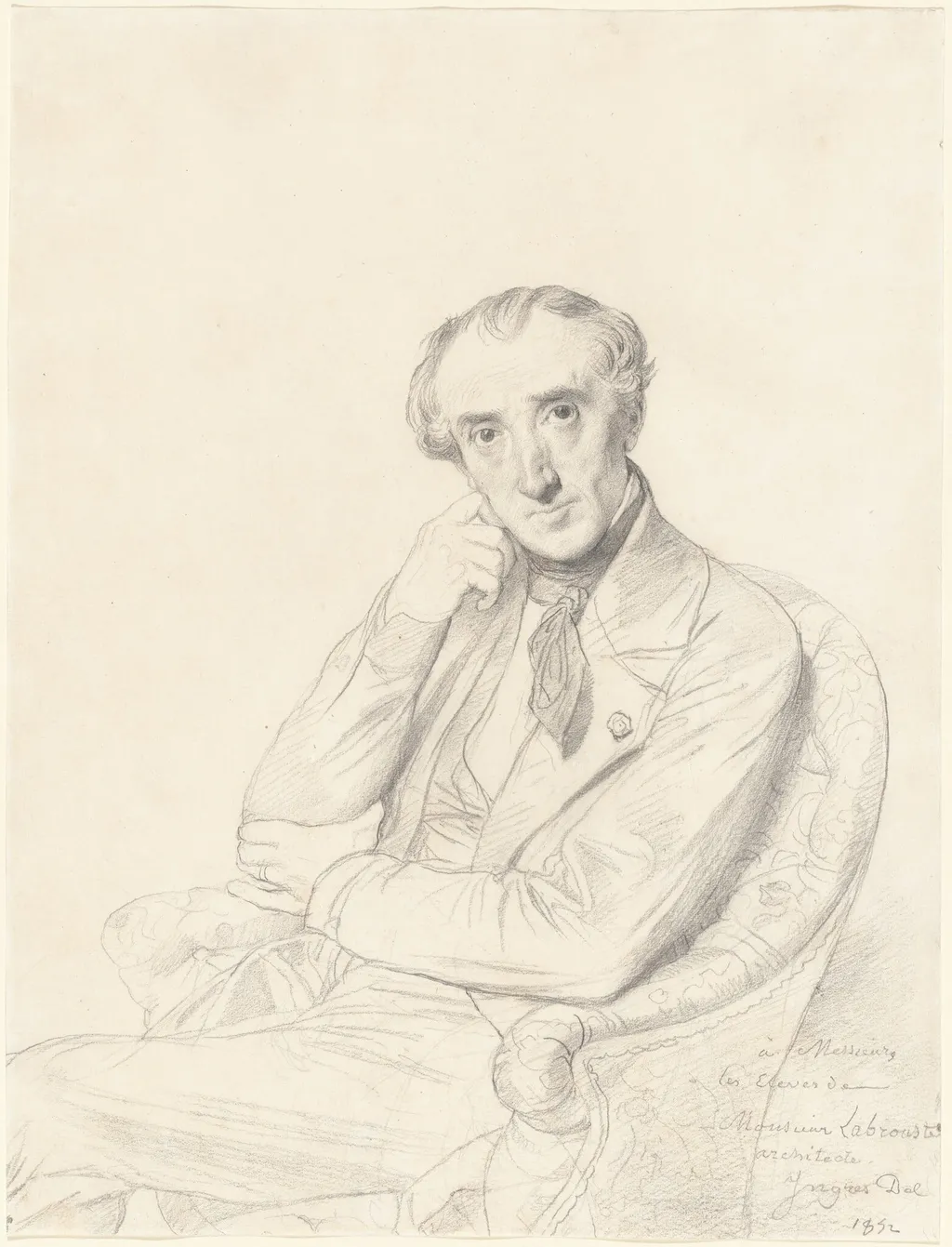
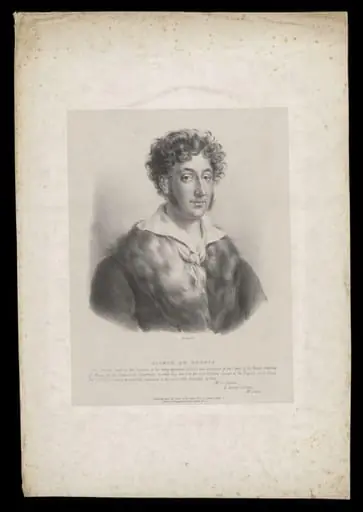
Henri Labrouste is a graphite drawing by the Impressionist artist Jean Auguste Dominique Ingres. It dates from 1852 and is held in the collection of the National Gallery of Art.
About this work
Overview
Though he considered himself a history painter, Ingres produced numerous likenesses that revealed his acute sensitivity to individual presence and form.
This 1852 graphite drawing by Jean-Auguste-Dominique Ingres depicts Henri Labrouste, a French architect known for his rationalist designs. Executed on wove paper, the work belongs to Ingres’ extensive portfolio of portraits, created alongside his larger historical compositions. Though he considered himself a history painter, Ingres produced numerous likenesses that revealed his acute sensitivity to individual presence and form.
Subject & Meaning
Henri Labrouste, portrayed in quiet contemplation, is shown with one hand resting on his chin, suggesting introspection. His high-collared coat and neatly combed hair reflect the formal dress of a mid-19th-century intellectual. The drawing captures not just his physical likeness but also his demeanor—reserved, thoughtful—aligning with the era’s ideal of the cultivated professional. Ingres’ choice to render him in such intimate detail underscores his respect for Labrouste’s architectural intellect.
Technique & Style
Ingres employed loose yet assured graphite lines to define Labrouste’s features, emphasizing the face and hands with subtle tonal gradations. The soft shading models the contours of the face and collar without heavy modeling, preserving a sense of immediacy. The composition is tightly focused, eliminating extraneous detail to heighten psychological presence. The signature and inscription in the corner confirm the sitter’s identity, a common practice in Ingres’ portrait studies.
History & Provenance
The drawing was made during Ingres’ later years, when he was deeply engaged in portraiture despite his ambitions in historical painting. It likely originated from his personal circle, possibly commissioned or created as a gesture of professional admiration. The work remained within private collections before entering public institutional holdings, where it is now preserved as part of his graphic oeuvre.
Context
In the 1850s, Ingres stood as a pillar of French academic art, resisting the emotionalism of Romanticism in favor of precise line and classical poise. Labrouste, as an architect advancing structural clarity and functional elegance, mirrored Ingres’ own aesthetic values. Their parallel commitments to order and discipline made this portrait not merely a likeness but a quiet alignment of two minds devoted to rational form.
Legacy
Ingres’ portraits, including this one, influenced modern artists through their emphasis on line and structural integrity over naturalism. Henri Matisse and others later cited his drawings as pivotal in rethinking the expressive potential of contour. Though modest in scale, this graphite study exemplifies how Ingres’ disciplined approach to the human form left a lasting imprint on 20th-century visual language.
Artist & collection

Artist
Jean-Auguste-Dominique Ingres was a French Neoclassical painter. Ingres was profoundly influenced by past artistic traditions and aspired to become the guardian of academic orthodoxy against the ascendant Romantic…

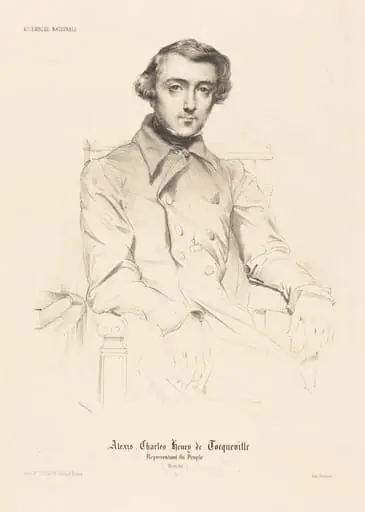 Alexis Charles Henry de Tocqueville
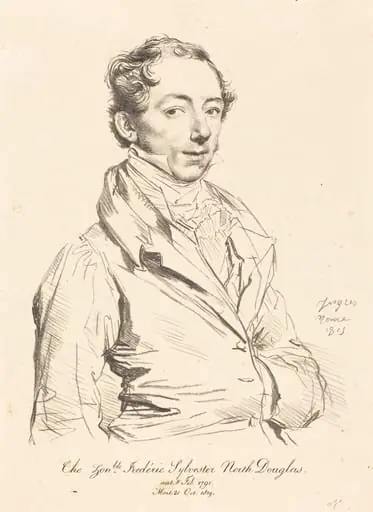 Frederic Sylvester Douglas
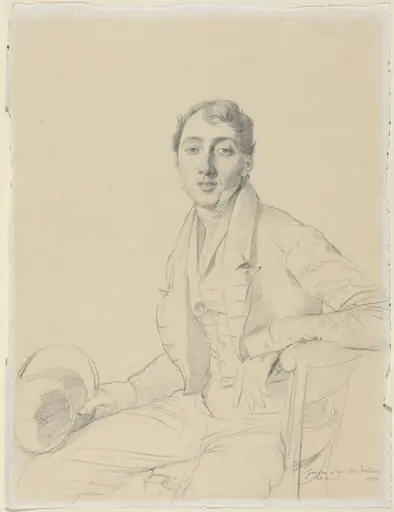 Dr. Louis Martinet
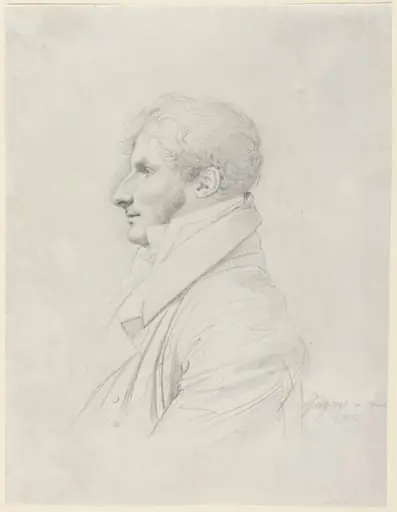 Philippe Mengin de Bionval
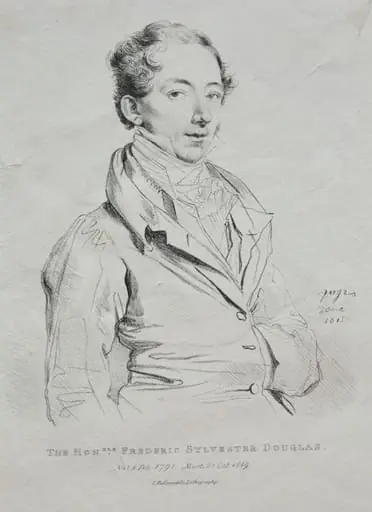 Honorable Frederic Sylvester Douglas
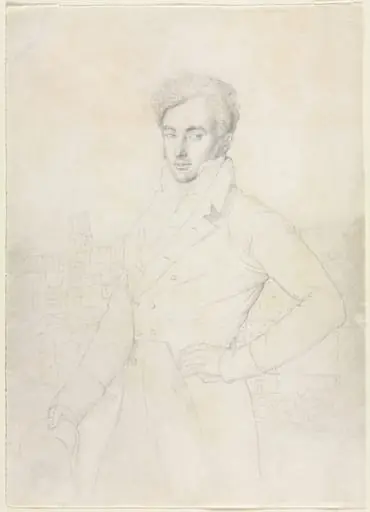 Portrait of a Young Man Standing on the Quirinal with the Turris Comitum in the Background
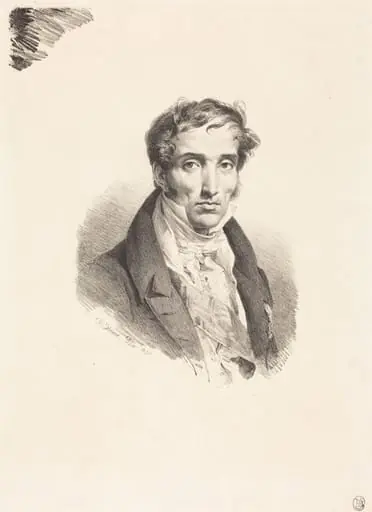 Pierre Guerin
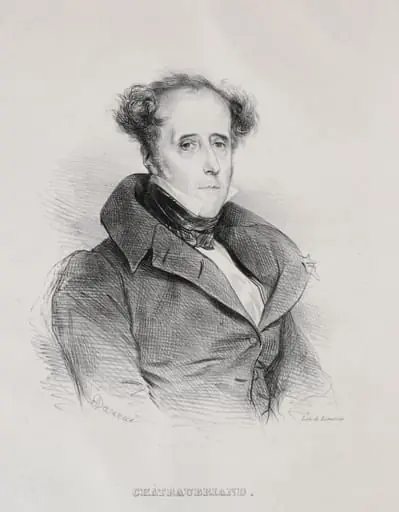 François René Auguste Victome de Châteaubriand
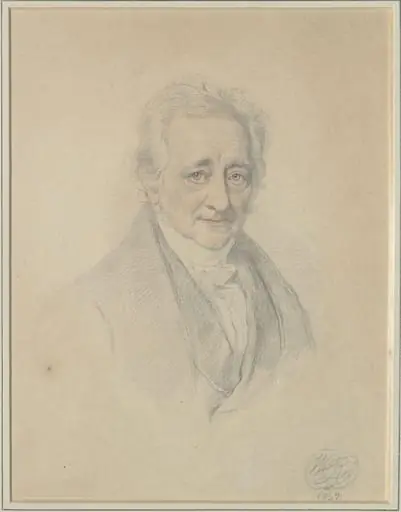 Portrait of William Ross, a miniature painter
 H Beard Print Collection
 H Beard Print Collection
 H Beard Print Collection