Artwork
Dr. Louis Martinet
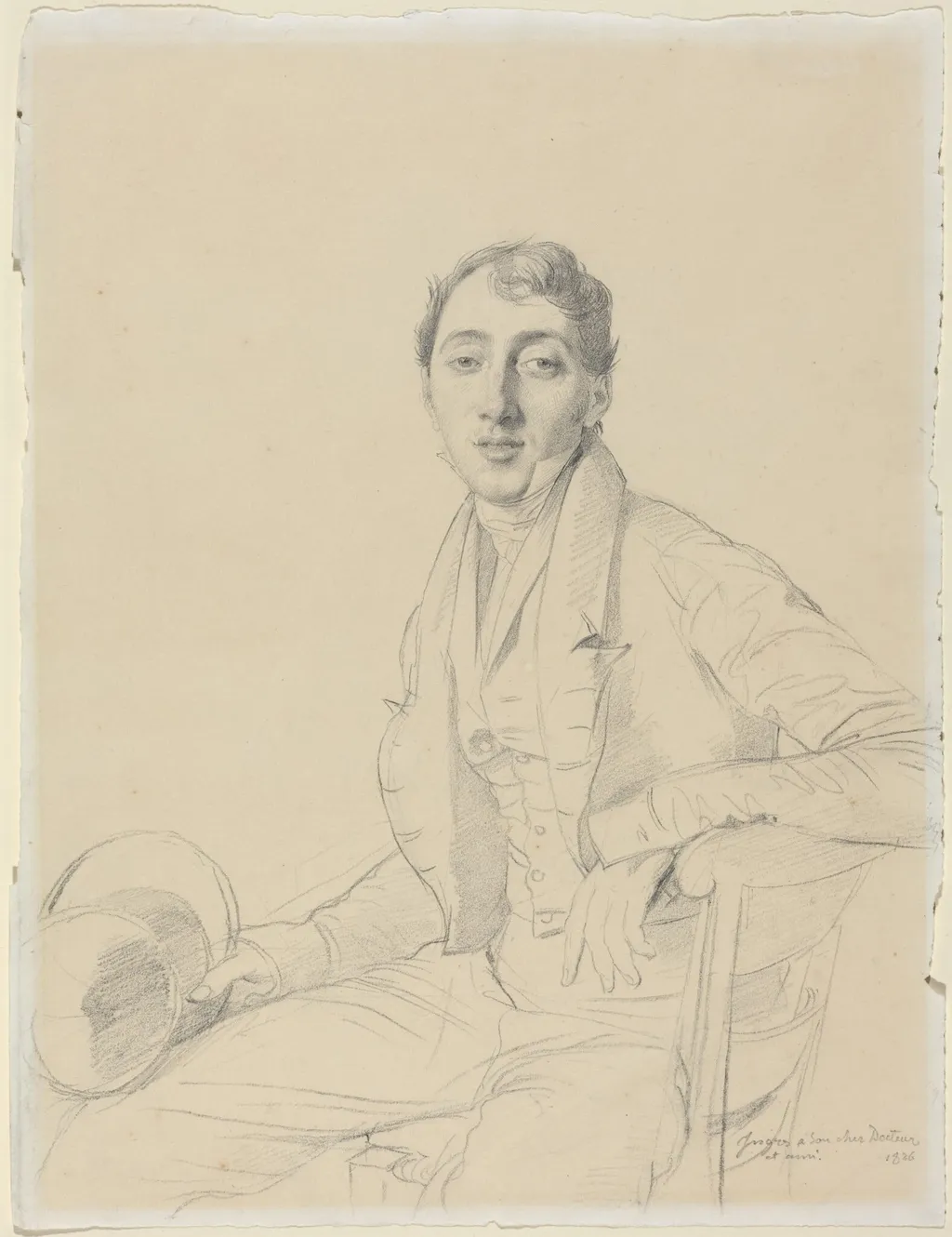
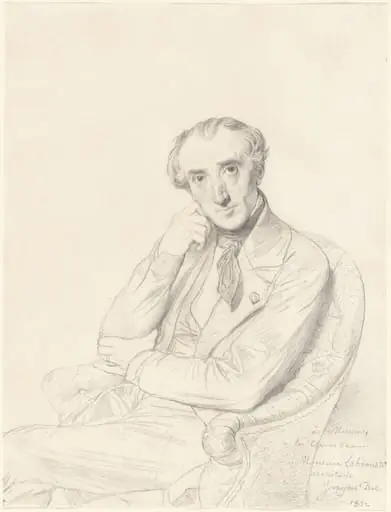
Dr. Louis Martinet is a graphite drawing by the Romanticist artist Jean Auguste Dominique Ingres. It dates from 1826 and is held in the collection of the National Gallery of Art. Created in 1826, this graphite drawing by Jean-Auguste-Dominique Ingres depicts Dr.
About this work
Overview
The drawing captures a moment of stillness, emphasizing the sitter’s presence through careful observation rather than dramatic gesture.
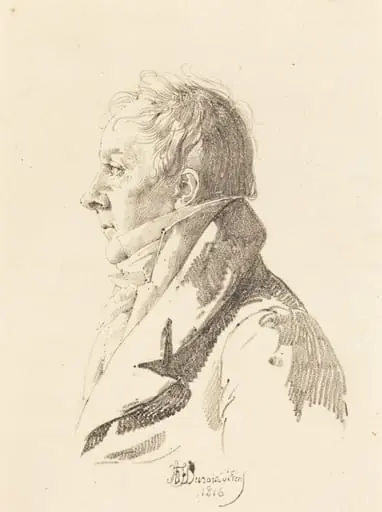
Created in 1826, this graphite drawing by Jean-Auguste-Dominique Ingres depicts Dr. Louis Martinet, a French physician and cultural figure. Executed on wove paper, the work exemplifies Ingres’s skill in portraiture, a genre he pursued with disciplined precision despite his primary commitment to historical subjects. The drawing captures a moment of stillness, emphasizing the sitter’s presence through careful observation rather than dramatic gesture.
Subject & Meaning
Dr. Louis Martinet, seated with a hat in his left hand and arm resting on the chair’s back, is portrayed with quiet dignity. His direct gaze and composed posture suggest introspection and intellectual authority. The absence of symbolic elements or elaborate setting focuses attention on his character, reflecting Ingres’s interest in psychological depth over narrative context. The portrait functions as a record of individual identity within a society that valued intellectual and professional distinction.
Technique & Style
Ingres employed graphite with refined control, using subtle gradations to model form and suggest texture in fabric, hair, and skin. The wove paper’s smooth surface allowed for delicate linework and soft tonal transitions, enhancing the realism of the sitter’s attire and features. While the composition adheres to classical restraint, the nuanced handling of light and shadow reveals an emerging sensitivity to individual expression that diverges from strict Neoclassical conventions.
History & Provenance
The drawing was made during Ingres’s early years in Rome, a period when he produced numerous portrait studies of intellectuals and patrons. Dr. Martinet, a known supporter of the arts, likely commissioned the work or sat for Ingres through cultural connections. The piece remained within private collections before entering a public collection, preserving its integrity as a key example of Ingres’s graphic output during his formative years abroad.
Context
In the 1820s, French artistic circles valued portraiture as both social documentation and artistic challenge. Though Ingres aspired to grand historical themes, his portrait drawings became essential to his reputation. This work aligns with a broader trend among academic artists who used drawing to explore character and technique, bridging the formal ideals of Neoclassicism with a growing interest in individual psychology.
Legacy
This drawing contributes to Ingres’s enduring influence on the tradition of portrait drawing in the 19th century. Its restrained elegance and psychological clarity prefigure later developments in modern portraiture, particularly in the emphasis on inner life over external grandeur. Though modest in scale, it stands as a testament to Ingres’s ability to convey presence through minimal means, shaping how subsequent artists approached the human figure in graphite.
Artist & collection

Artist
Jean-Auguste-Dominique Ingres was a French Neoclassical painter. Ingres was profoundly influenced by past artistic traditions and aspired to become the guardian of academic orthodoxy against the ascendant Romantic…

 Henri Labrouste
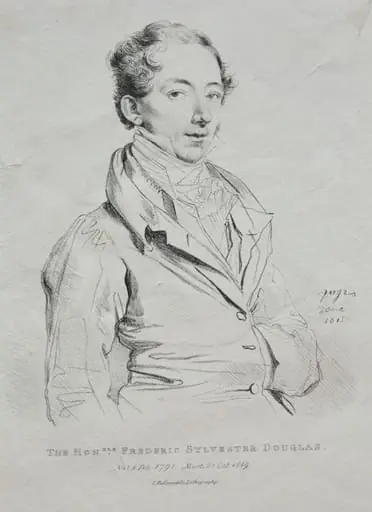 Honorable Frederic Sylvester Douglas
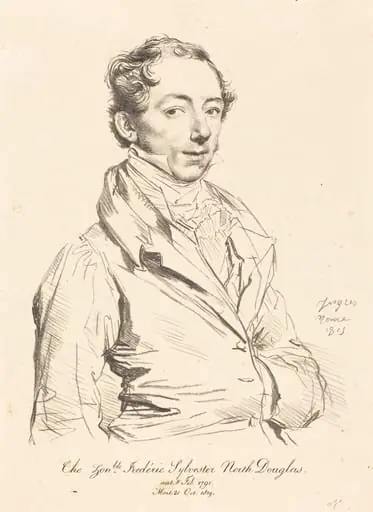 Frederic Sylvester Douglas
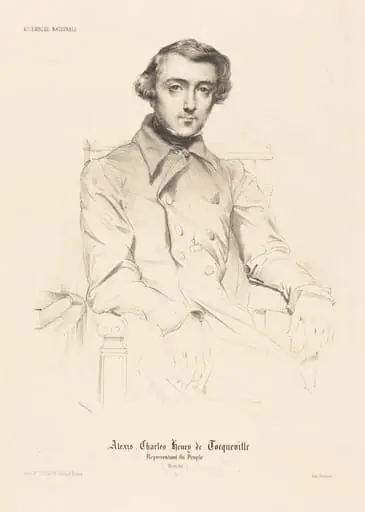 Alexis Charles Henry de Tocqueville
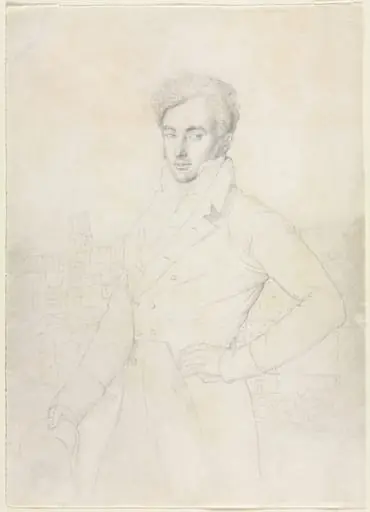 Portrait of a Young Man Standing on the Quirinal with the Turris Comitum in the Background
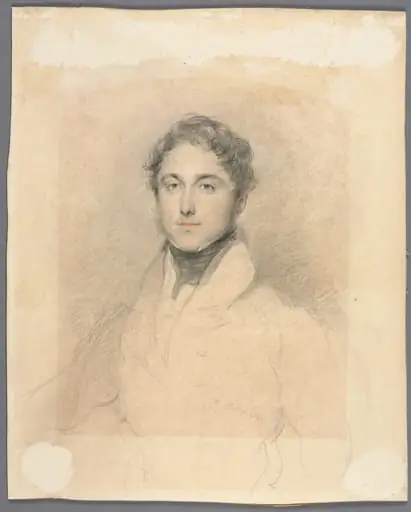 Portrait of a Man
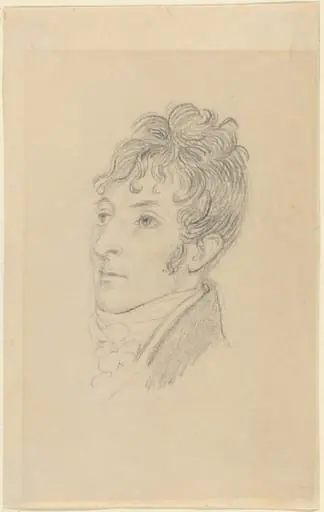 Portrait of a Man
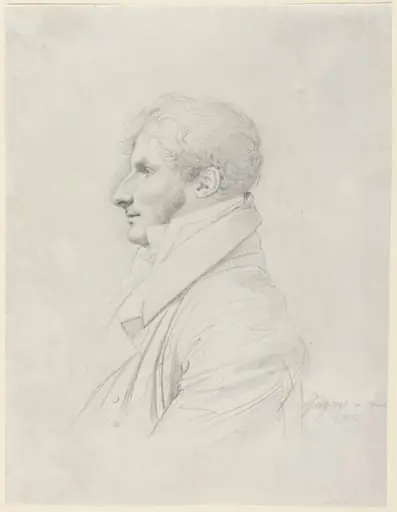 Philippe Mengin de Bionval
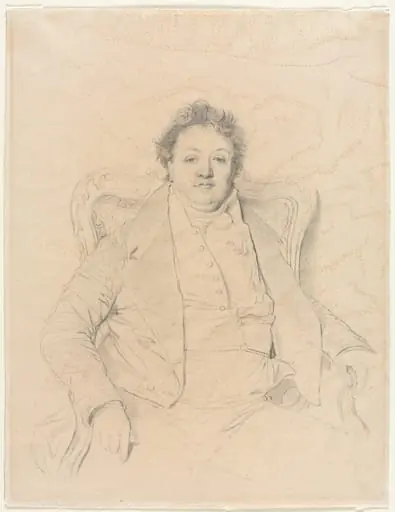 Charles Thévenin, after Ingres
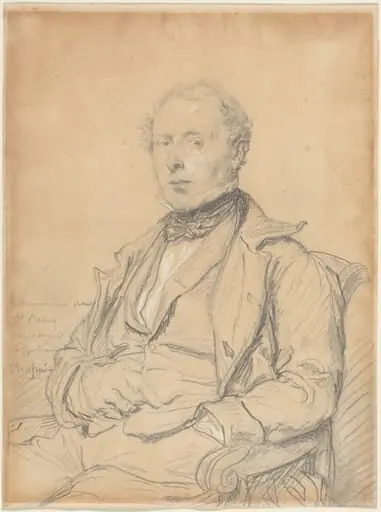 Victor-Auguste de Saint-Rémy
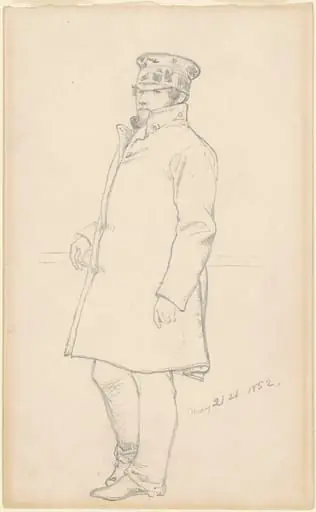 Man in Cap and Coat
 Portrait of a Man