Artwork
Άτιτλο
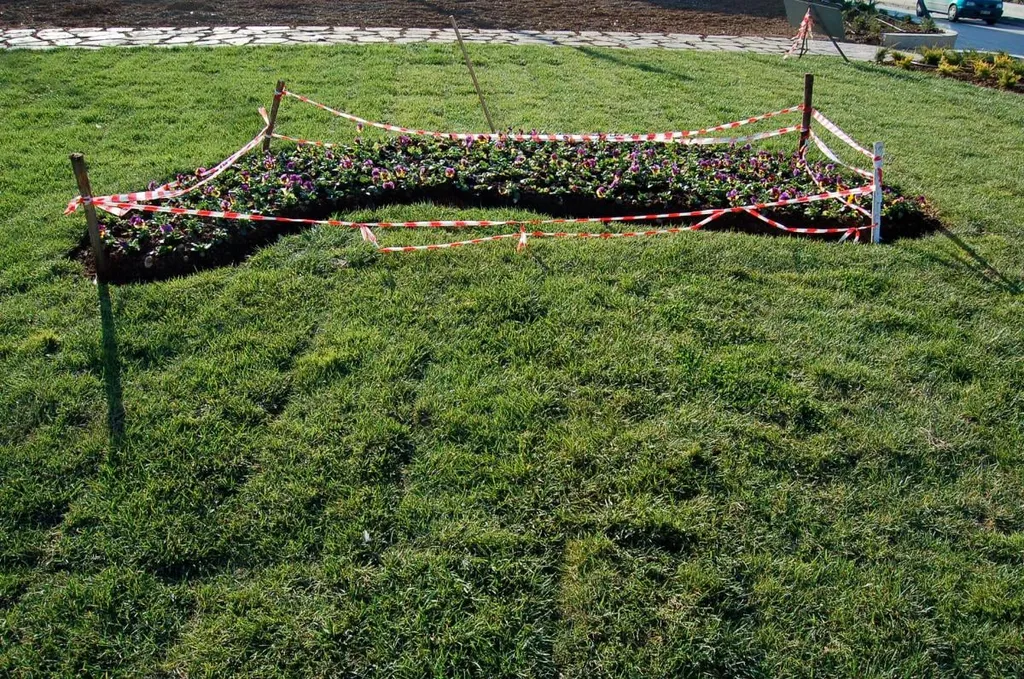
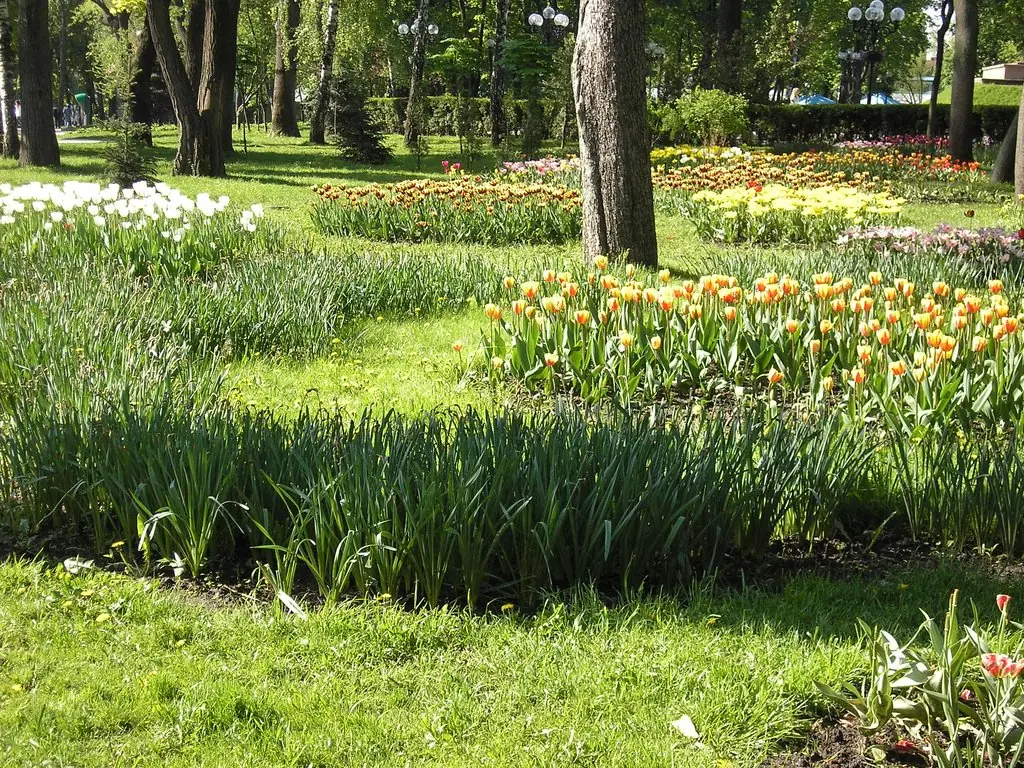
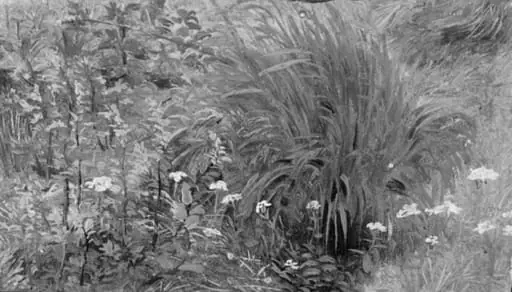
Άτιτλο is a photography by IOANNIS KOLIOPOULOS. It is held in the collection of the Athens School of Fine Arts. A modest flower bed, densely planted with purple and pink blooms, is enclosed by red-and-white tape stretched between four wooden stakes.
About this work
Overview
A modest flower bed, densely planted with purple and pink blooms, is enclosed by red-and-white tape stretched between four wooden stakes. The surrounding lawn is closely cropped, and a paved path lies just beyond the frame. The arrangement suggests deliberate curation, blending domestic horticulture with an unexpected barrier that implies restriction or preservation.
Subject & Meaning
The image captures a quiet tension between natural beauty and human intervention. The tape, typically used for safety or demarcation, transforms the flower bed into a protected zone—neither fully public nor private. It hints at institutional control over nature, raising questions about ownership, access, and the boundaries we impose on cultivated spaces.
Technique & Style
The photograph is composed with a neutral, documentary tone. Light is even, shadows subtle, and focus sharp across the entire frame. No dramatic angles or filters are used; the composition emphasizes clarity and order, reinforcing the sense of regulated care. The contrast between the vibrant flowers and the sterile tape enhances visual tension without overt symbolism.
History & Provenance
The image originates from the Museum of Ethnography’s collection, where it is cataloged as part of a broader study of everyday spatial practices. Its exact date and photographer are not recorded, but its style aligns with mid-to-late 20th-century ethnographic documentation, focusing on ordinary environments as cultural artifacts.
Context
In ethnographic terms, this image reflects how mundane landscapes reveal social norms. The use of tape to enclose flowers may echo broader patterns of boundary-making in domestic and public spaces—similar to barriers around gardens, playgrounds, or sacred sites. It invites comparison with other cultures’ methods of demarcating natural elements for preservation or ritual.
Legacy
The photograph remains a quiet example of how ordinary scenes can carry layered cultural meaning. It continues to be referenced in studies of material culture and spatial behavior, offering a subtle lens through which to examine the relationship between humans and the environments they shape and limit.
Artist & collection
Artist