Artwork
Flowers (Tulips and Daisies)
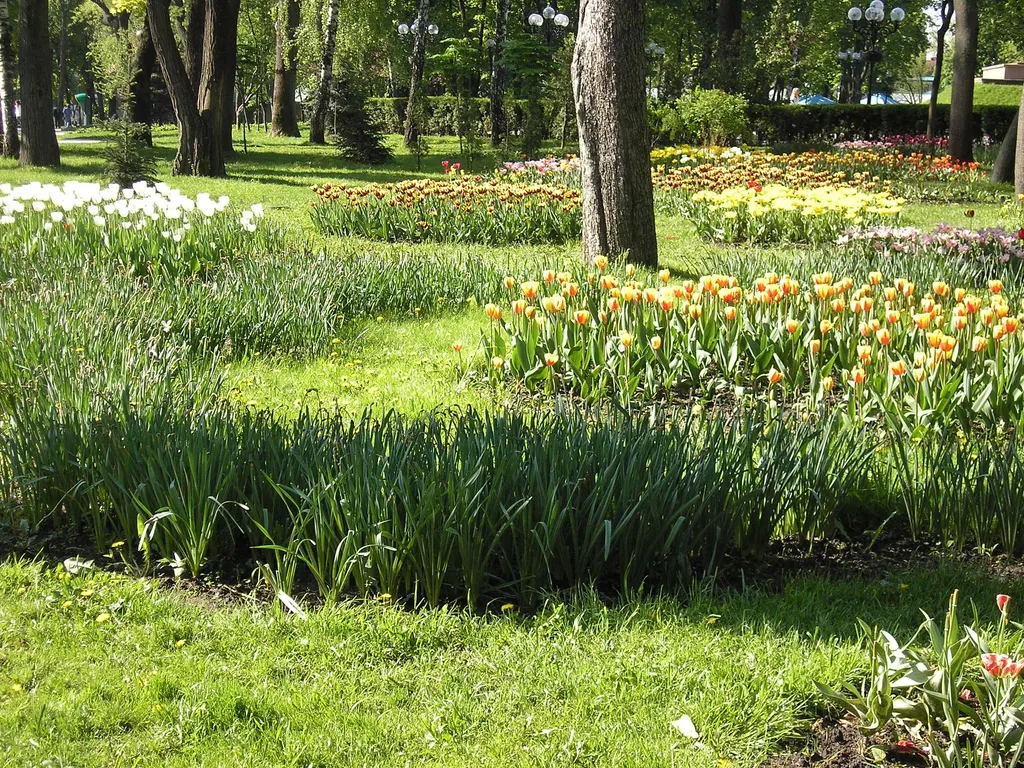
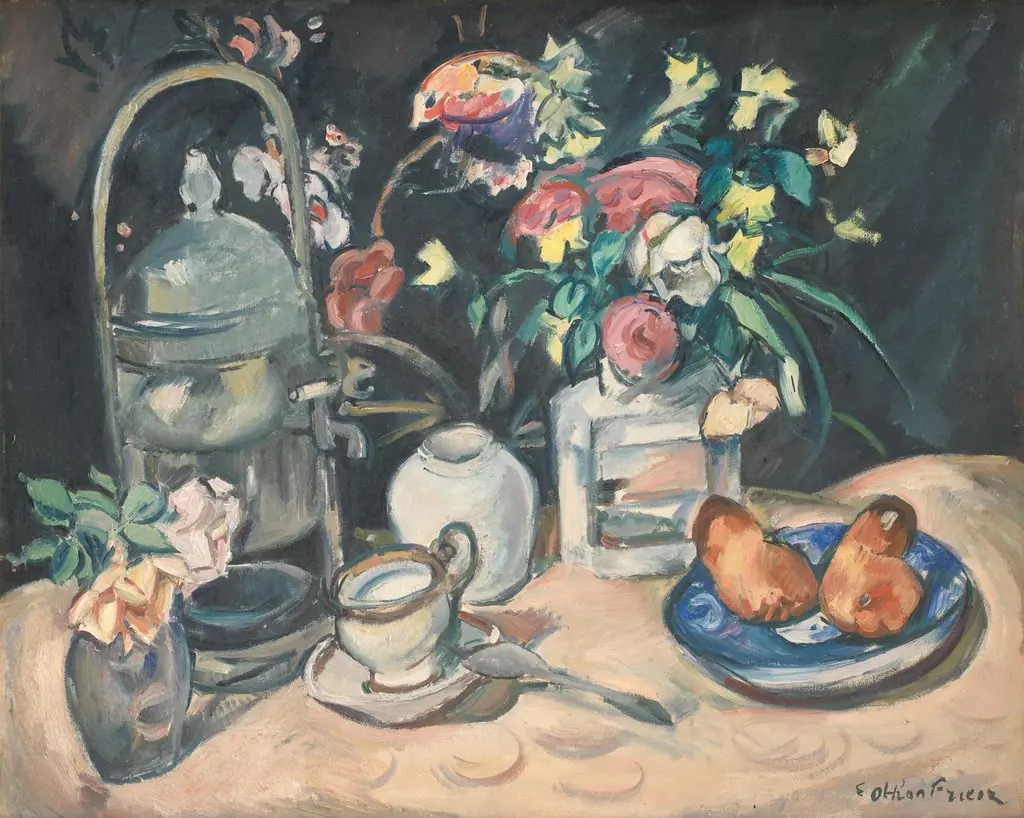
Flowers (Tulips and Daisies) is an oil painting by the Post-Impressionist artist Othon Friesz. It dates from 1910 and is held in the collection of the Hermitage Museum.
About this work
Overview
Created in 1910, *Flowers (Tulips and Daisies)* is an oil painting by French artist Othon Friesz. Executed during his Fauvist period, the work exemplifies the bright, unmodulated color palette associated with early twentieth‑century Post‑Impressionism. It is part of the State Hermitage Museum’s permanent collection in St. Petersburg.
Subject & Meaning
The canvas depicts a garden scene in which tulips and daisies dominate the foreground, rendered in vivid yellows, oranges and whites. Behind the blooms, trees and a swath of green grass suggest a natural setting, while the lively arrangement of the flowers conveys a sense of seasonal freshness and visual rhythm.
Technique & Style
Friesz employed oil paint to achieve smooth, luminous surfaces, allowing the colors to sit side by side without extensive blending. The brushwork is loose, giving the flowers a slight sense of motion, and the saturated hues reflect the Fauvist emphasis on expressive, non‑naturalistic color.
History & Provenance
After its completion, the painting entered the collection of the State Hermitage Museum, where it has remained on public display. Its acquisition reflects the museum’s broader effort to represent key figures of French modernism within its European holdings.
Context
Friesz, born in Le Havre, was a contemporary of Henri Matisse and André Derain, sharing their interest in bold color and simplified forms. By 1910, he had moved beyond the more restrained Impressionist approach, aligning himself with the Fauvist movement that sought to liberate color from descriptive realism.
Artist & collection
Artist
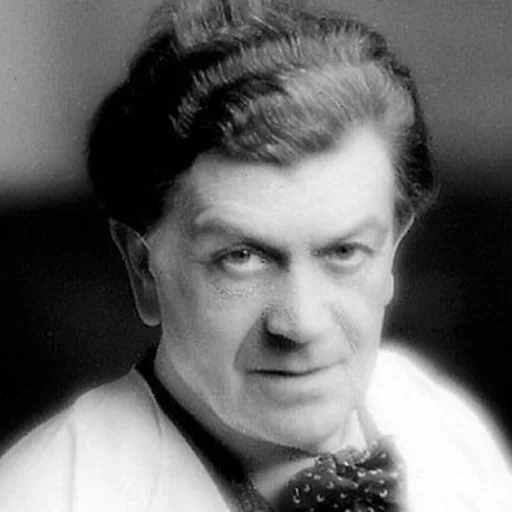
Achille-Émile Othon Friesz (6 February 1879 – 10 January 1949), who later called himself Othon Friesz, a native of Le Havre, was a French artist of the Fauvist movement.

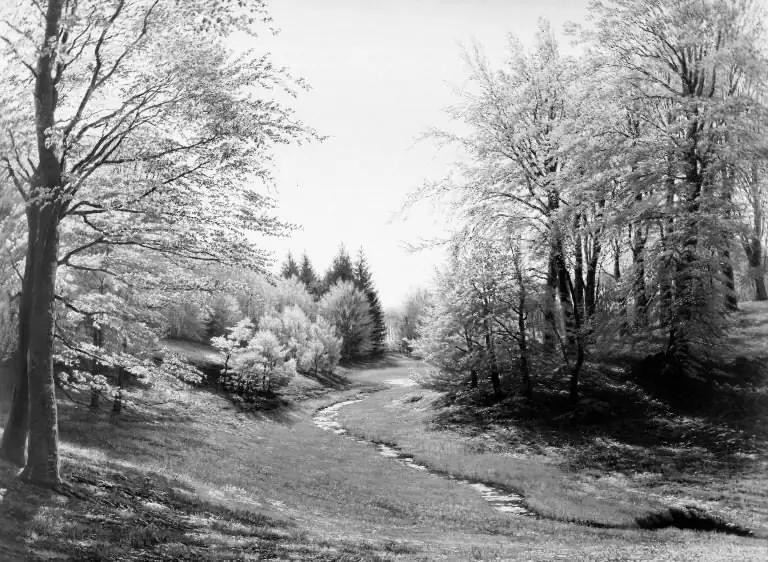 En skovbæk i Præstevangen ved Frederiksborg
 En skovbæk i Præstevangen ved Frederiksborg
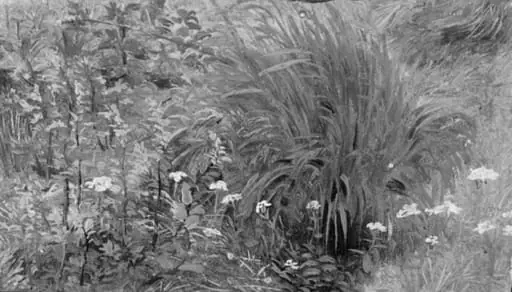 Wild Plants and Grass
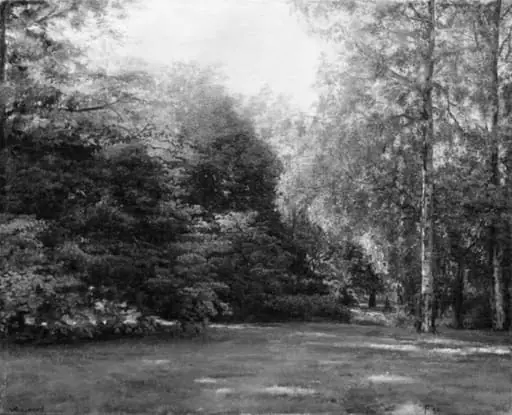 Park with Tall Trees
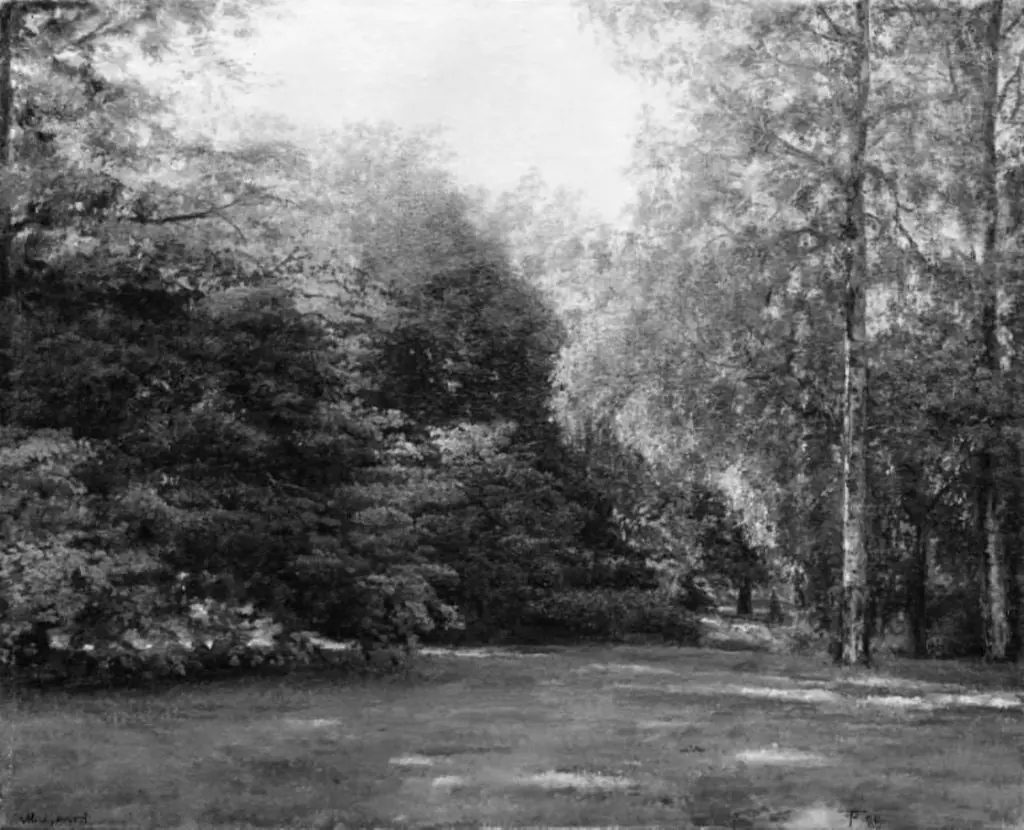 Park with Tall Trees
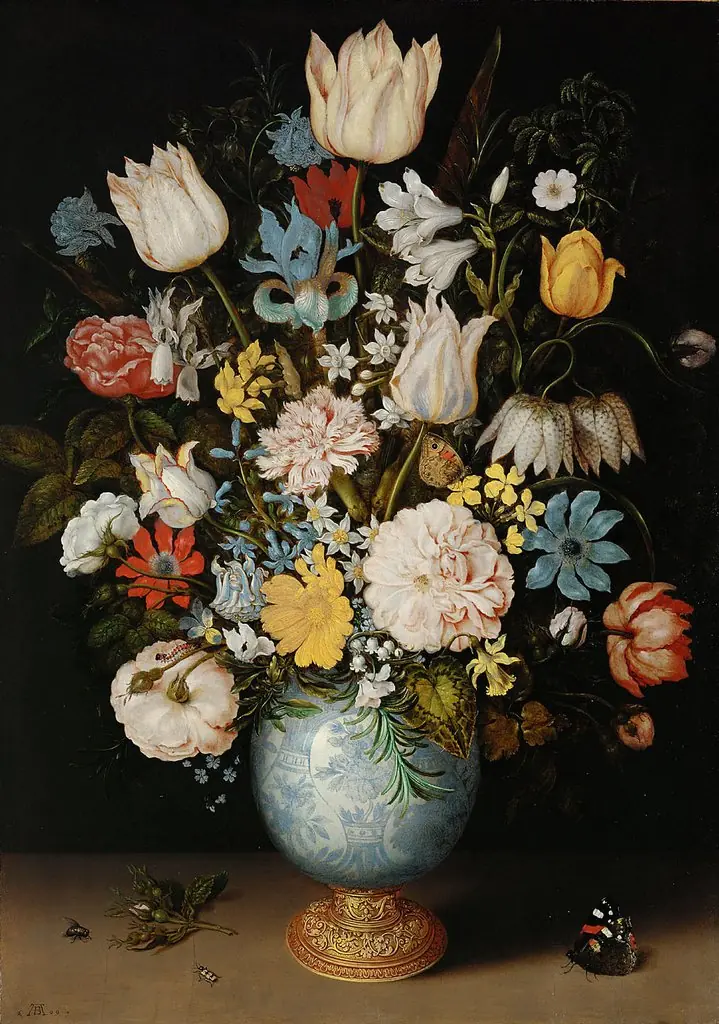 Flowers in a blue and white porcelain vase
 Άτιτλο
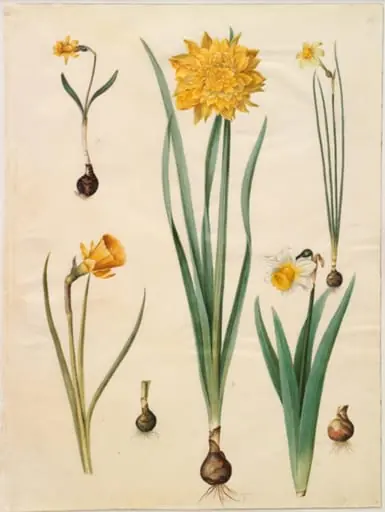 Narcissus pseudonarcissus minor; Narcissus pseudonarcissus (påskelilje); Narcissus ×tenuior; Narcissus bulbocodium (krinoline-narcis); Narcissus pseudonarcissus bicolor (tofarvet påskelilje)
 Untitled
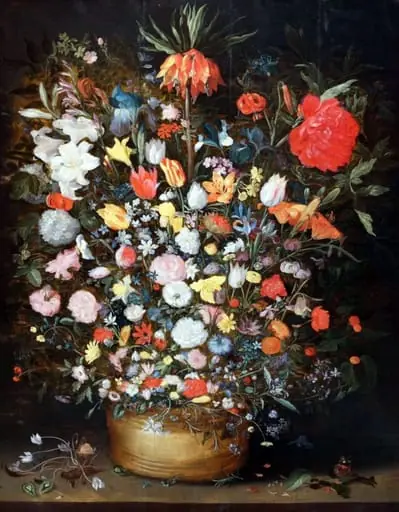 Vas cu flori
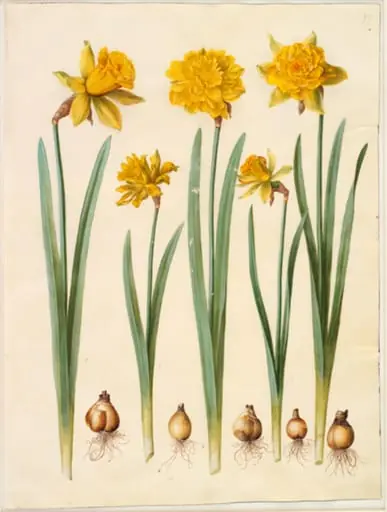 Narcissus pseudonarcissus
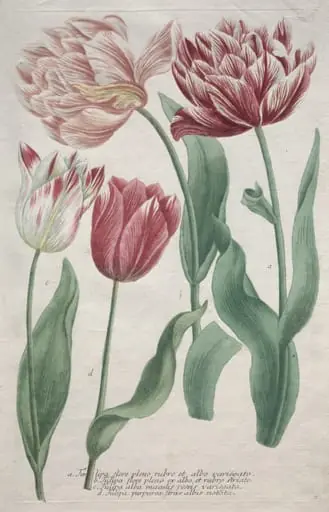 Tulips