Artwork
Primăvara
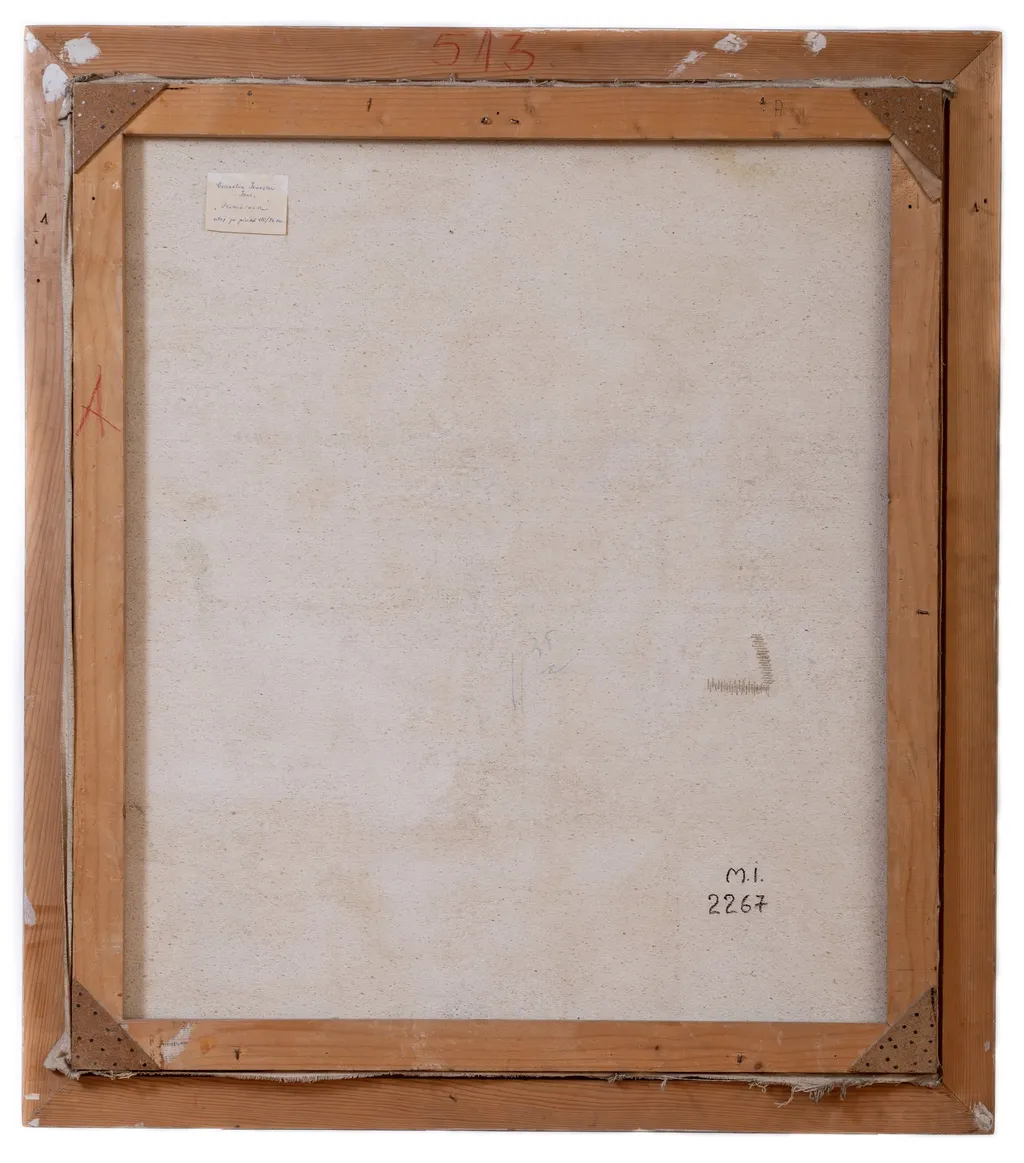
Primăvara is an unspecified painting by Ionescu Corneliu. It dates from 1938 and is held in the collection of the Moldova National Museum Complex.
About this work
Overview
The work’s title, meaning 'spring' in Romanian, contrasts sharply with its visual absence, inviting questions about intention and representation.
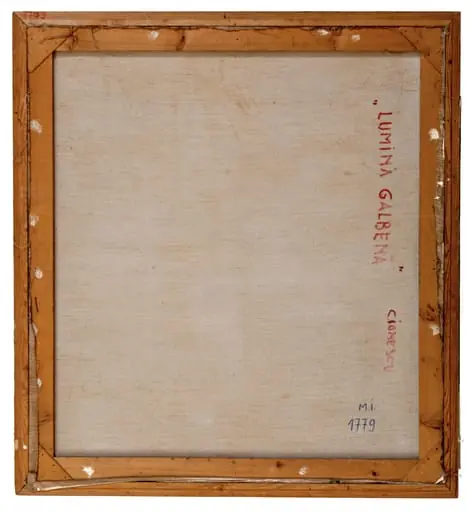
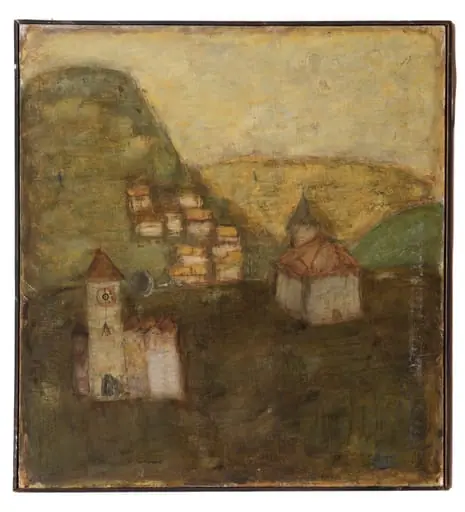
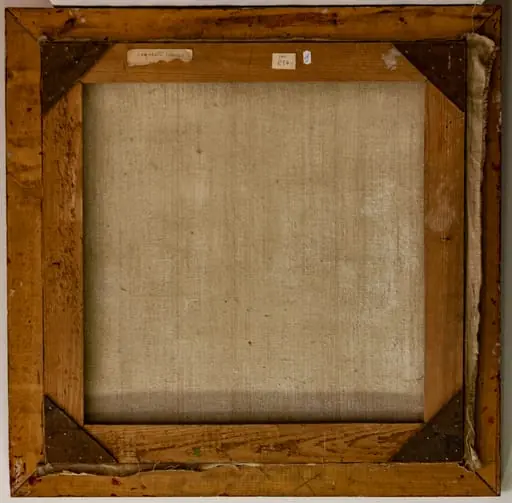
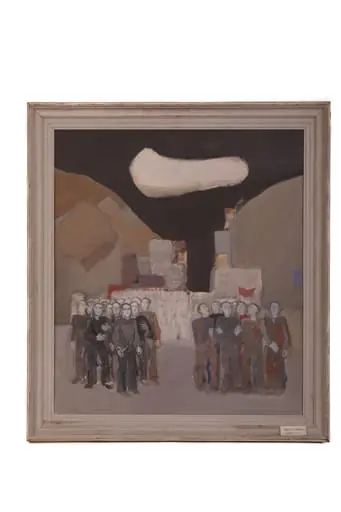
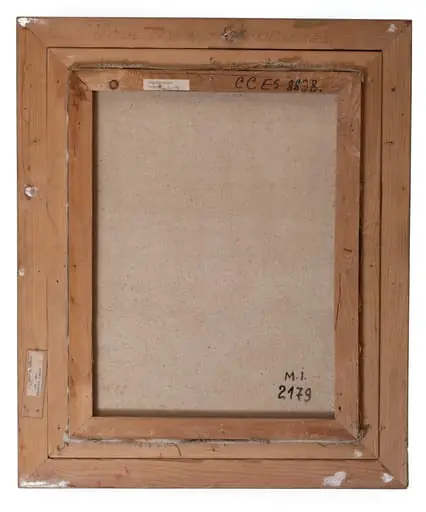
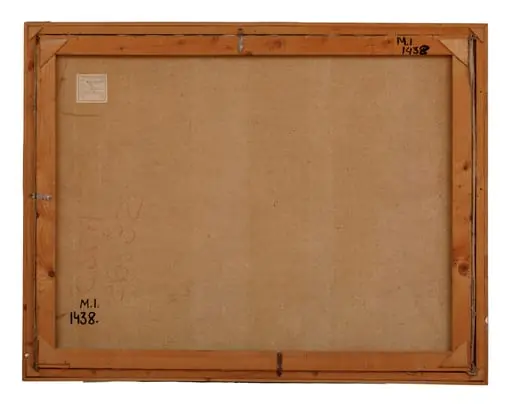
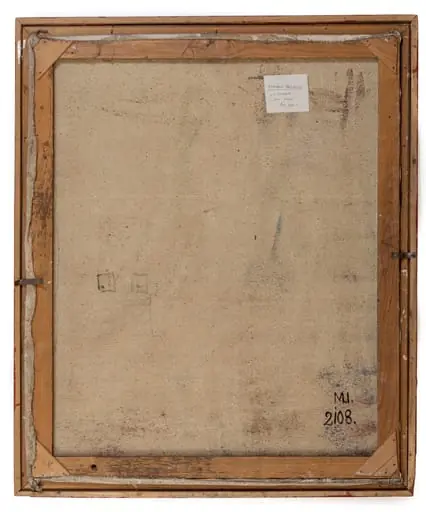
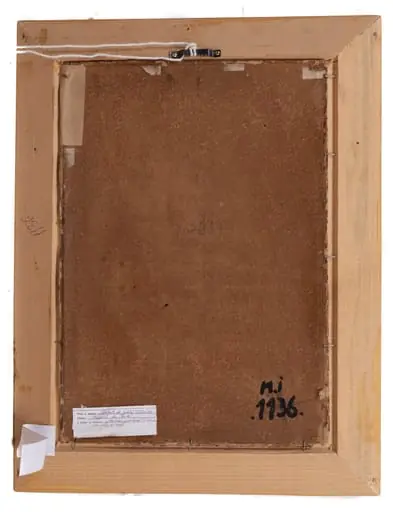
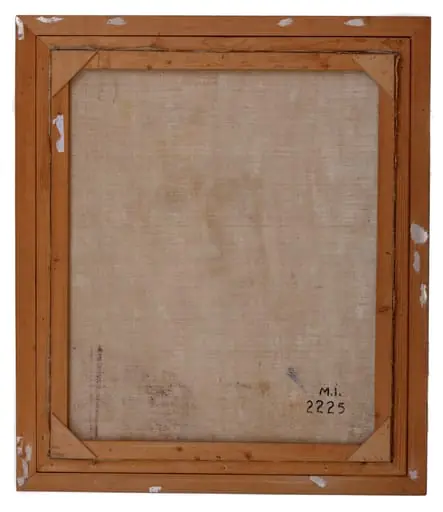
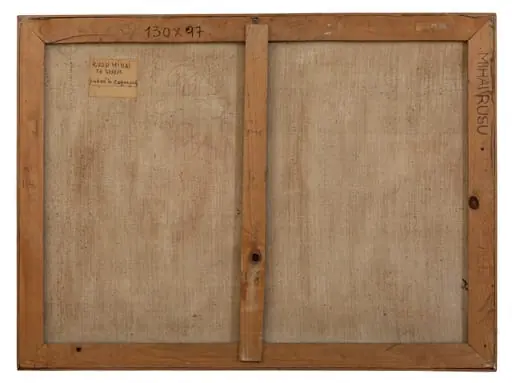
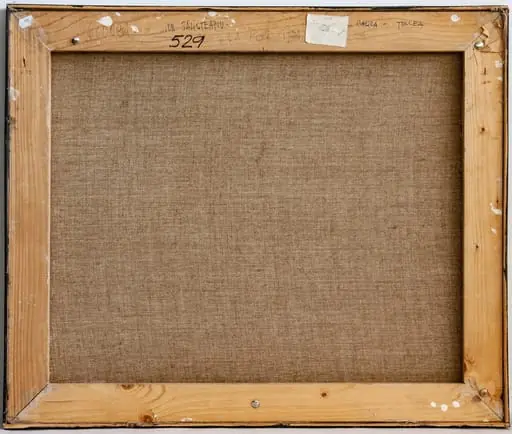
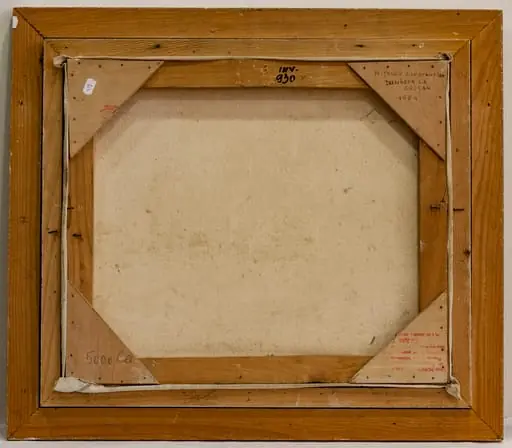
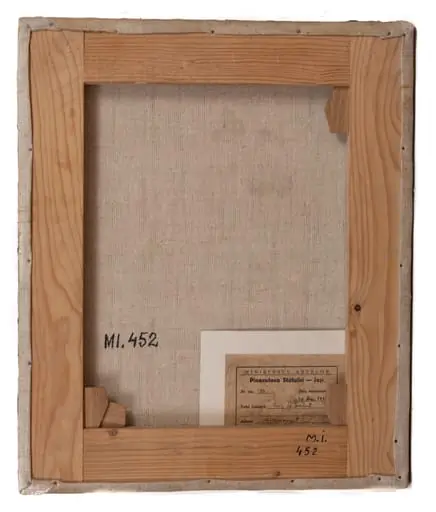
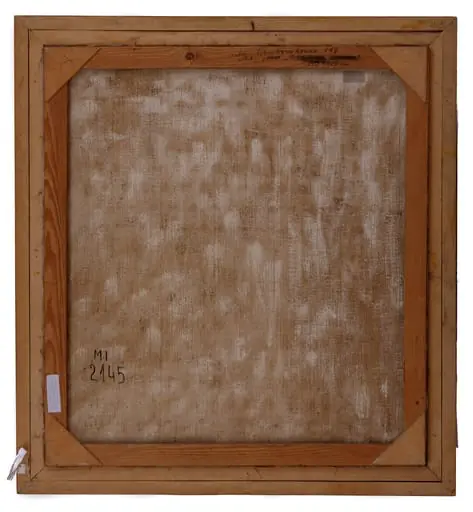
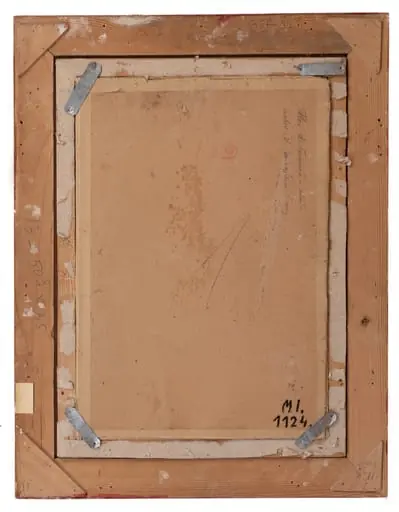
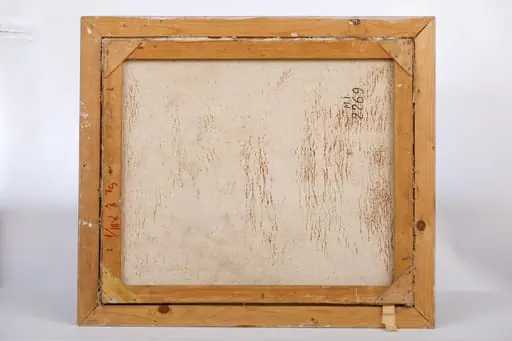
Primăvara, created in 1938 by Ionescu Corneliu, consists of an unmodified canvas stretched over a worn wooden frame. No pigment or brushwork appears on the surface. The frame bears signs of age—scrapes, paint chips, and faint pencil markings on its reverse, suggesting handling or annotation. The work’s title, meaning 'spring' in Romanian, contrasts sharply with its visual absence, inviting questions about intention and representation.
Subject & Meaning
The title suggests a thematic reference to renewal or seasonal change, yet the canvas holds no imagery to support this. The absence of visual content may imply a conceptual gesture—perhaps a rejection of traditional depiction, or a meditation on emptiness as a form of expression. Without clear symbols or narrative, meaning remains open, contingent on the viewer’s interpretation of silence as artistic choice.
Technique & Style
Unlike works employing impasto or layered pigment, Primăvara shows no application of paint. The surface is uniformly bare, with no texture, color, or mark-making. The artist’s intervention lies not in addition but in omission—selecting a raw canvas as the final medium. The frame’s physical wear, however, introduces an unintended layer of history, shifting focus from the image to the object’s material life.
History & Provenance
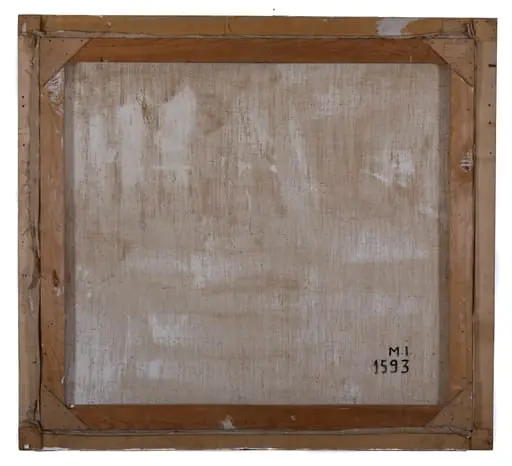
The painting’s provenance is undocumented beyond its creation date and artist. The pencil notations on the reverse—letters and numbers—suggest possible cataloging, storage codes, or personal reminders, but their origin is unknown. The frame’s deterioration implies years of storage or display, though no exhibition records or ownership history have been preserved. Its survival appears accidental rather than curated.
Context
Created in 1938 Romania, during a period of rising political tension and cultural experimentation, Primăvara diverges from prevailing trends in figurative or nationalist art. Its radical minimalism may reflect individual resistance to artistic conformity, or a private gesture outside public discourse. Few contemporaneous works share its approach, making it an isolated anomaly within its immediate artistic landscape.
Legacy
Primăvara has not been widely discussed in art historical literature, and no direct influence on later movements is documented. Its existence remains a quiet enigma—neither celebrated nor dismissed. It endures as a physical artifact of ambiguity, prompting reconsideration of what constitutes a work of art when visual content is deliberately withheld.
Artist & collection
Artist
Ionescu Corneliu’s small bundle leans on the late-1930s Romanian scene, where painters traded in thick pigment and bold lines to show work and workers.