Artwork
Dunăre la Crișan
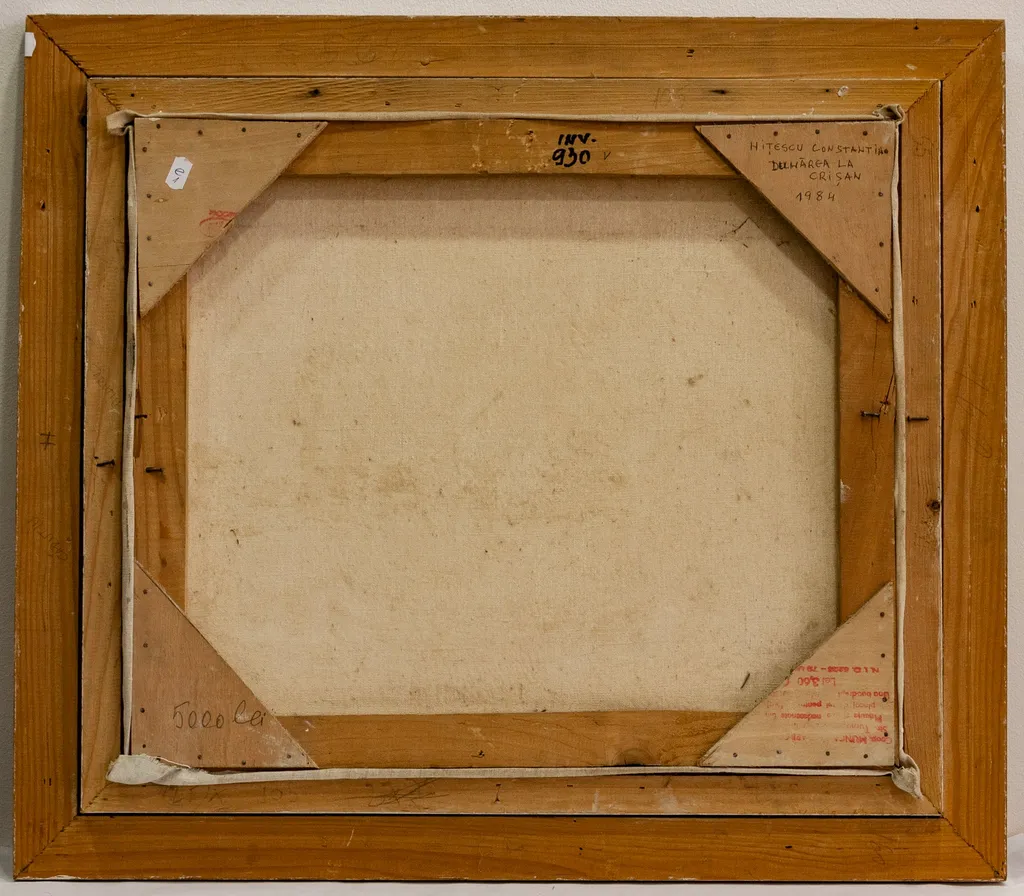
Dunăre la Crișan is an unspecified painting by Nițescu Constantin. It is held in the collection of the Gavrila Simion Eco-Museum Research Institute Tulcea.
About this work
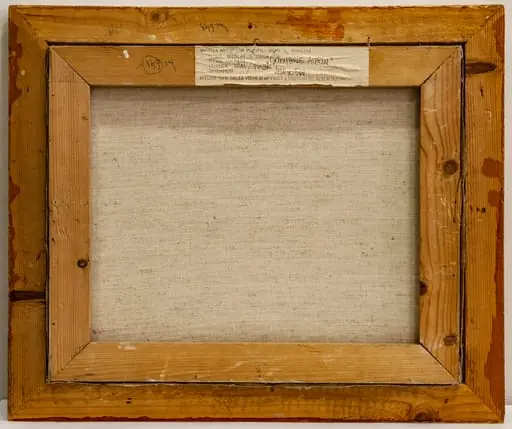
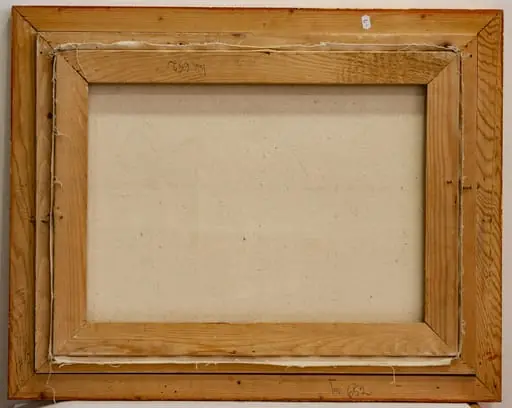
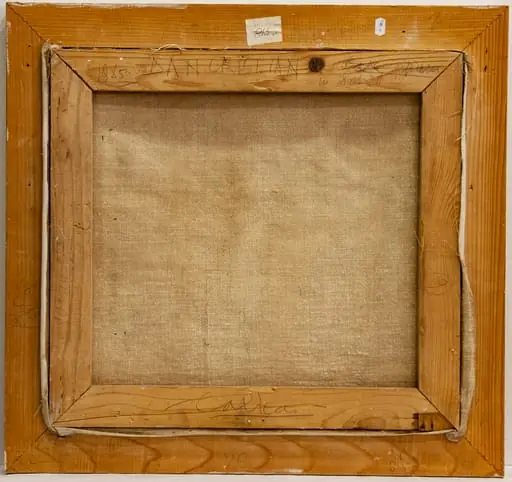
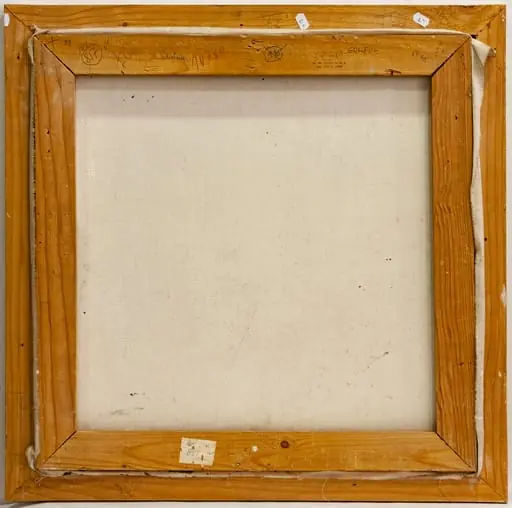
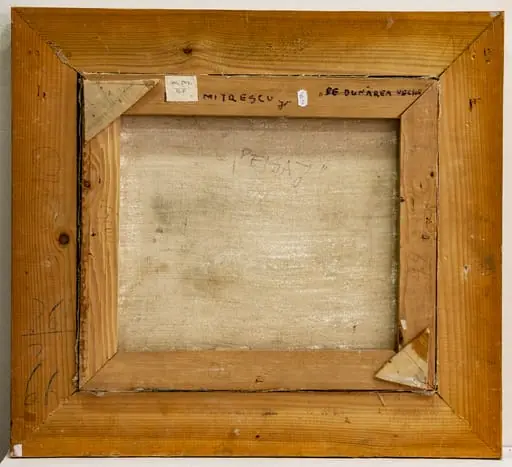
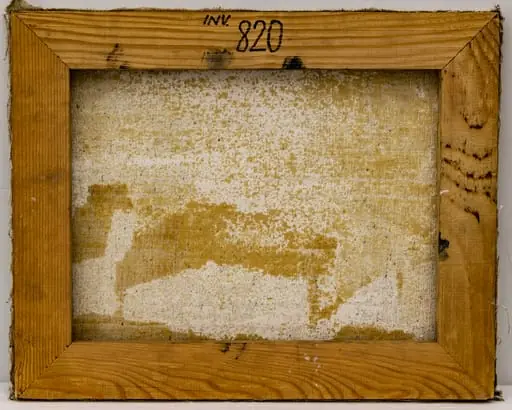
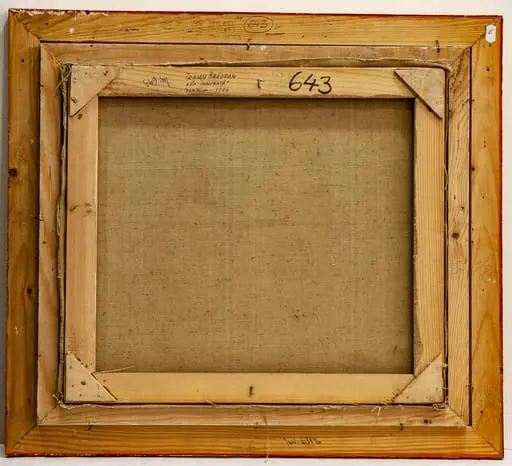
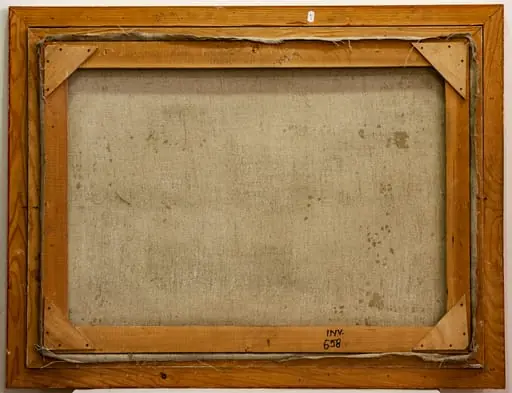
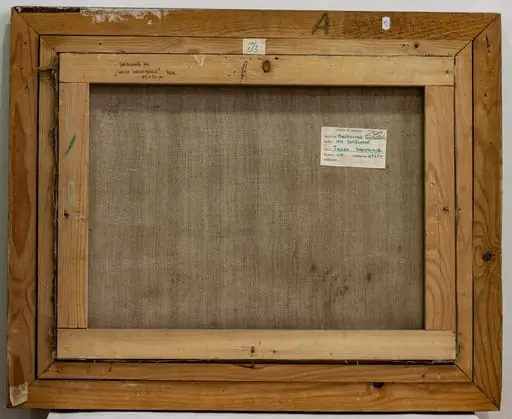
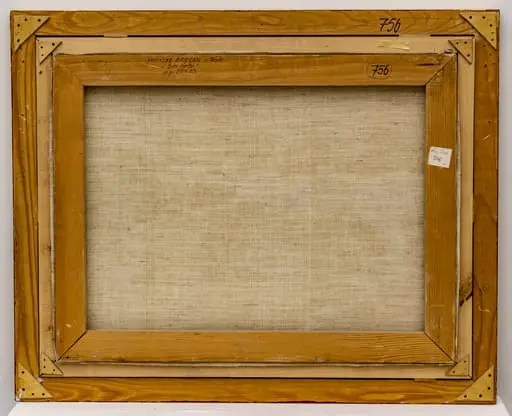
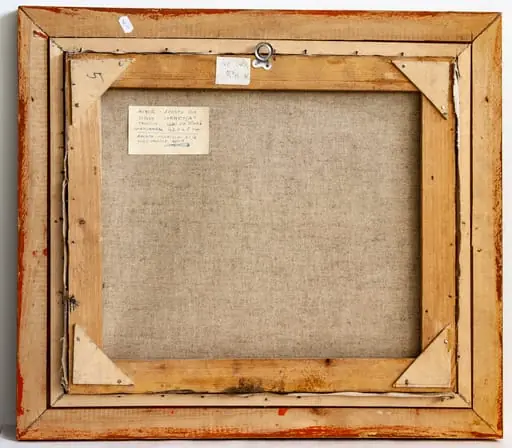
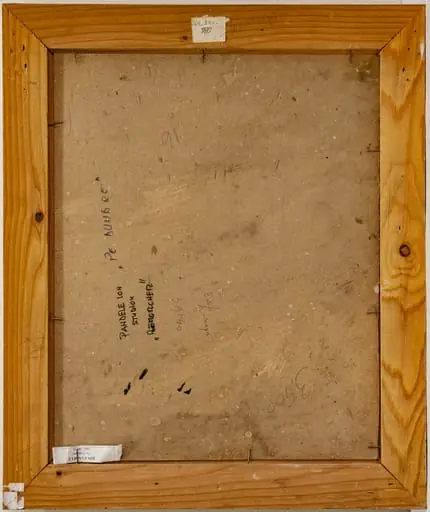
The image shows the back of the canvas, which is stretched over a wooden frame and secured with staples and nails.
The painting, titled "Dunăre la Crișan," is an unknown work by Nițescu Constantin. The image shows the back of the canvas, which is stretched over a wooden frame and secured with staples and nails. The frame is made of light-colored wood and has a simple, rustic design.
The canvas is a light beige color and appears to be made of a coarse, textured material. There are some handwritten notes and labels on the frame, but they are not legible. The overall appearance of the painting suggests that it is an older work, possibly from the early 20th century.
If you're interested in learning more about Nițescu Constantin's work, you can explore his other paintings and styles by looking up the artist "Nițescu Constantin."
Overview
The work titled “Dunăre la Crișan” is attributed to Romanian painter Nițescu Constantin, though its exact date and subject remain unidentified. The surviving element is the reverse side of the canvas, revealing a light‑beige, coarse‑textured fabric stretched over a simple, light‑colored wooden stretcher. The construction is secured with staples and nails, indicating a conventional mounting method.
Technique & Style
The canvas material, described as rough and beige, suggests a utilitarian support typical of early twentieth‑century practice. The wooden frame’s modest, rustic profile and the use of metal fastenings point to a straightforward, functional approach rather than elaborate decorative framing, aligning with the modest means of many regional artists of the period.
History & Provenance
Handwritten annotations and labels affixed to the stretcher are present, though their content cannot be deciphered. Their existence implies that the piece was catalogued or inventoried at some point, possibly within a private collection or institutional archive, providing a clue to its provenance despite the lack of clear documentation.
Context
Nițescu Constantin worked during a time when Romanian art was transitioning between academic traditions and emerging modernist tendencies. While the reverse side offers no visual clues about the painting’s imagery, the material qualities correspond with works produced in the early 1900s, when artists often employed readily available canvases and simple frames.
Legacy
The fragmentary nature of “Dunăre la Crișan” limits scholarly assessment, yet it contributes to the broader understanding of Nițescu’s oeuvre and the material culture of Romanian painting in the early twentieth century. Further research into the illegible notes may eventually clarify its origin and place within the artist’s body of work.
Artist & collection
Artist
Museum
Gavrila Simion Eco-Museum Research Institute Tulcea
Continue through works from the same source collection.