Artwork
Peisaj dobrogean
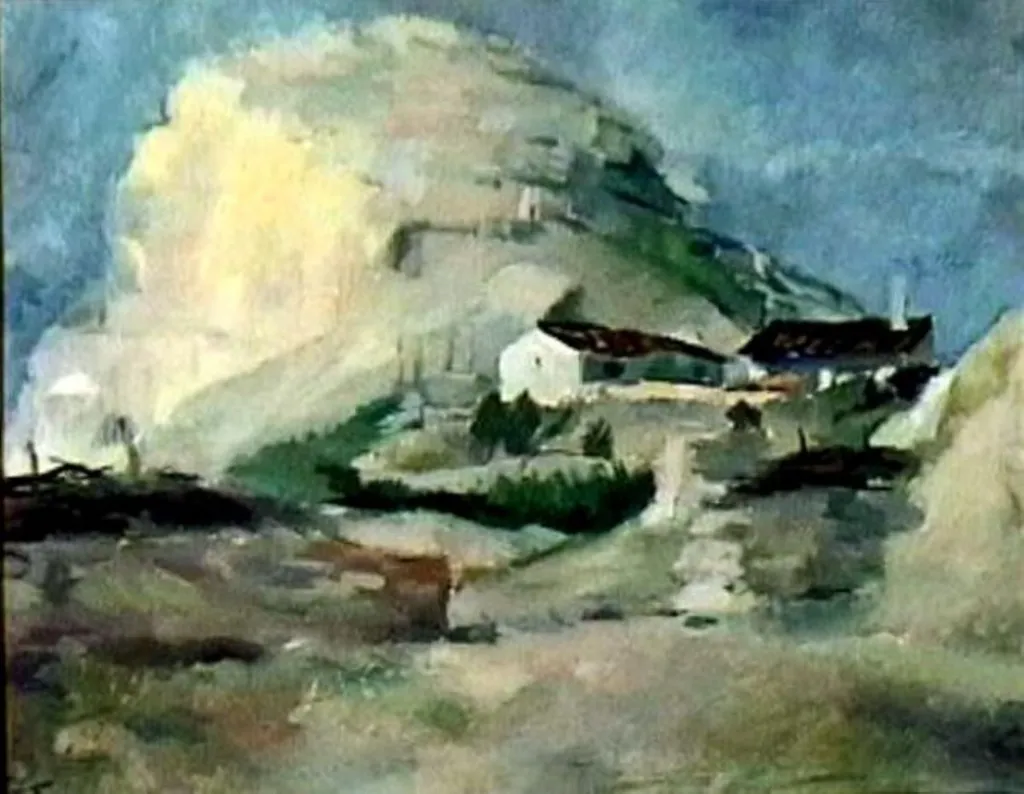
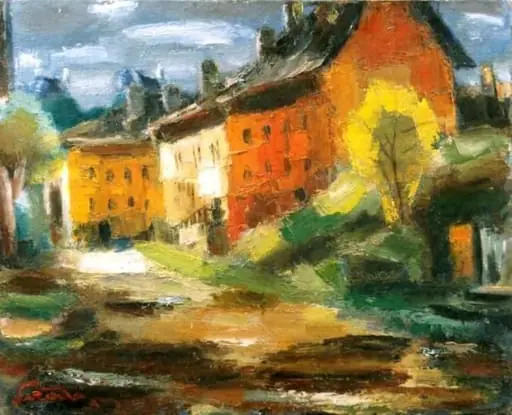
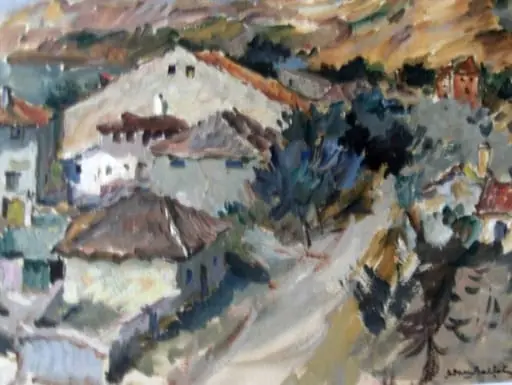
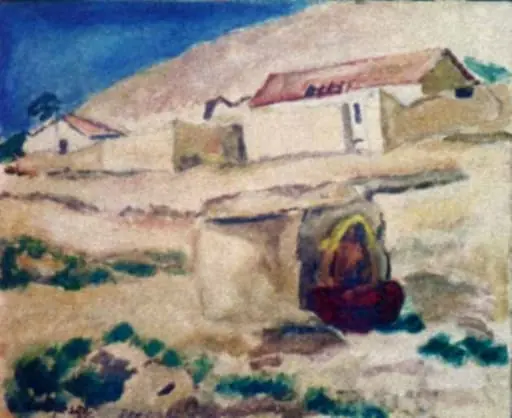
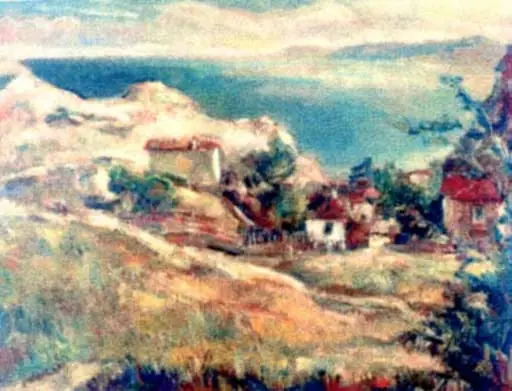
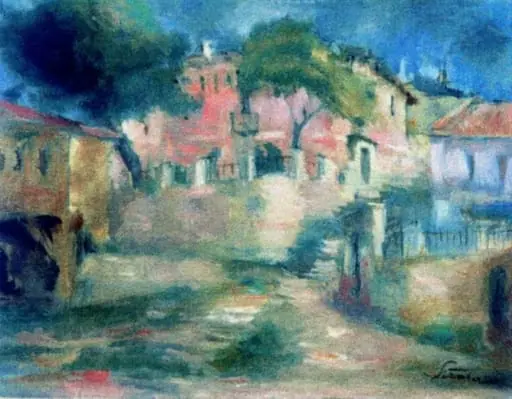
Peisaj dobrogean is an unspecified painting by Francisc Șirato. It dates from 1925 and is held in the collection of the Moldova National Museum Complex.
About this work
Overview
The work reflects his dual role as artist and critic, contributing to a national dialogue on artistic identity during the interwar period.
Francisc Şirato painted *Peisaj dobrogean* circa 1925, capturing the subdued topography of Dobruja, a region in southeastern Romania. As a member of Grupul celor patru, Şirato helped shape Romania’s modernist landscape tradition. The work reflects his dual role as artist and critic, contributing to a national dialogue on artistic identity during the interwar period. Its quiet composition avoids dramatic spectacle, favoring atmospheric nuance over detail.
Subject & Meaning
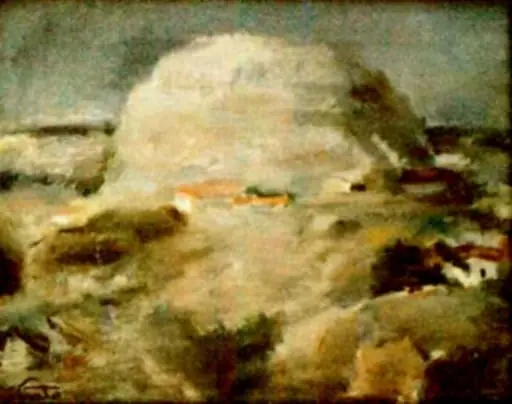
The painting presents a tranquil, fog-wrapped view of rural Dobruja, with gentle hills and a barely visible village nestled in the distance. The absence of human figures and the soft concealment of structures suggest solitude and timelessness. Rather than documenting a specific locale, Şirato evokes a mood—calm, introspective, and slightly detached—aligning with broader modernist interests in emotional resonance over literal representation.
Technique & Style
Şirato employed loose, layered brushwork to dissolve edges between land, sky, and mist. Colors remain restrained—muted greens, grays, and pale blues—with minimal contrast to sustain the hazy atmosphere. The paint is thinly applied and blended, creating a smooth, atmospheric veil rather than textured surfaces. This technique prioritizes tonal harmony and spatial ambiguity, distinguishing it from the more tactile approaches of impasto or pointillism.
History & Provenance
Created during Şirato’s mature period, *Peisaj dobrogean* emerged from a time when Romanian artists were redefining national identity through regional subjects. While its early ownership is undocumented, the work is associated with the cultural circles of Bucharest and the Grupul celor patru. It has remained within Romanian institutional collections, reflecting its recognized place in early 20th-century national art.
Context
In the 1920s, Romanian modernists moved away from academic realism toward personal, atmospheric interpretations of the landscape. Şirato and his peers sought to express the soul of the land rather than its topography. Dobruja, with its quiet plains and shifting light, offered a poetic counterpoint to urban themes. This painting aligns with broader European trends favoring mood and memory over narrative clarity.
Legacy
Though not widely exhibited internationally, *Peisaj dobrogean* remains a touchstone in Romanian art history for its restrained lyricism. Şirato’s approach influenced later generations who valued subtlety and emotional tone over bold formalism. The work exemplifies how regional subjects, treated with sensitivity, could contribute to a distinct national modernism without resorting to folklore or spectacle.
Artist & collection
Artist
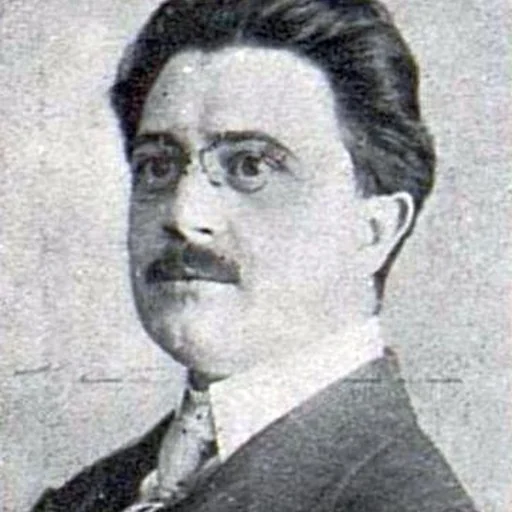
Francisc Şirato (15 August 1877 — 4 August 1953) was a Romanian painter, graphic artist, art critic, and designer.