Artwork
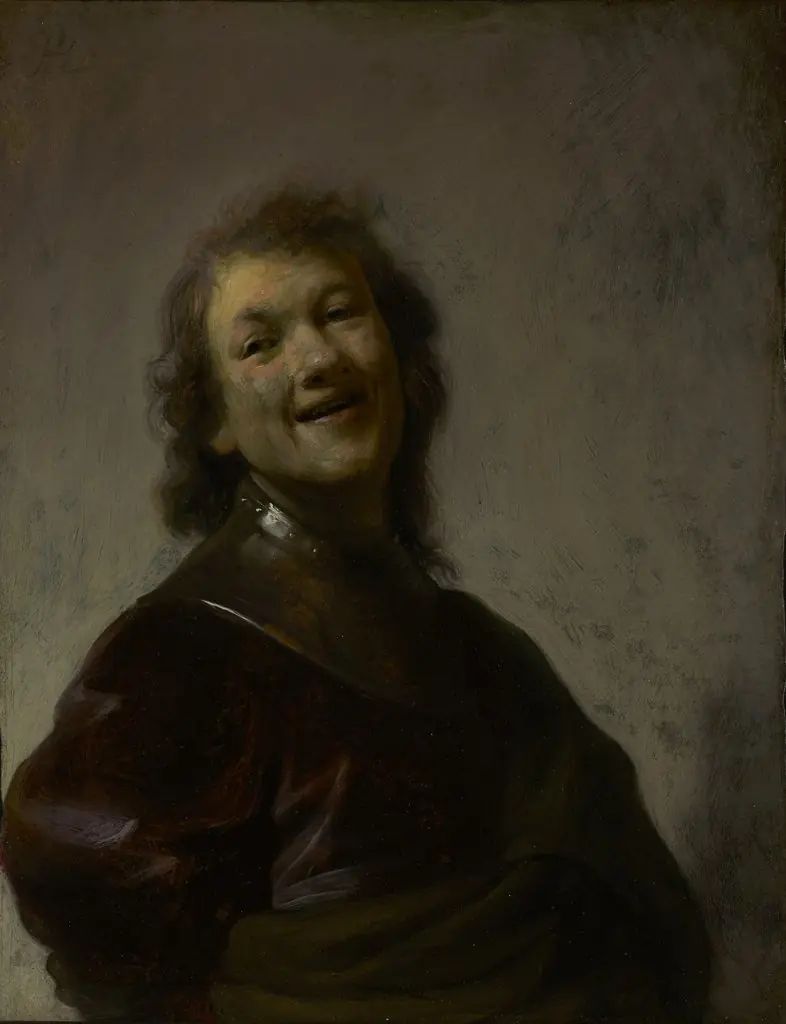
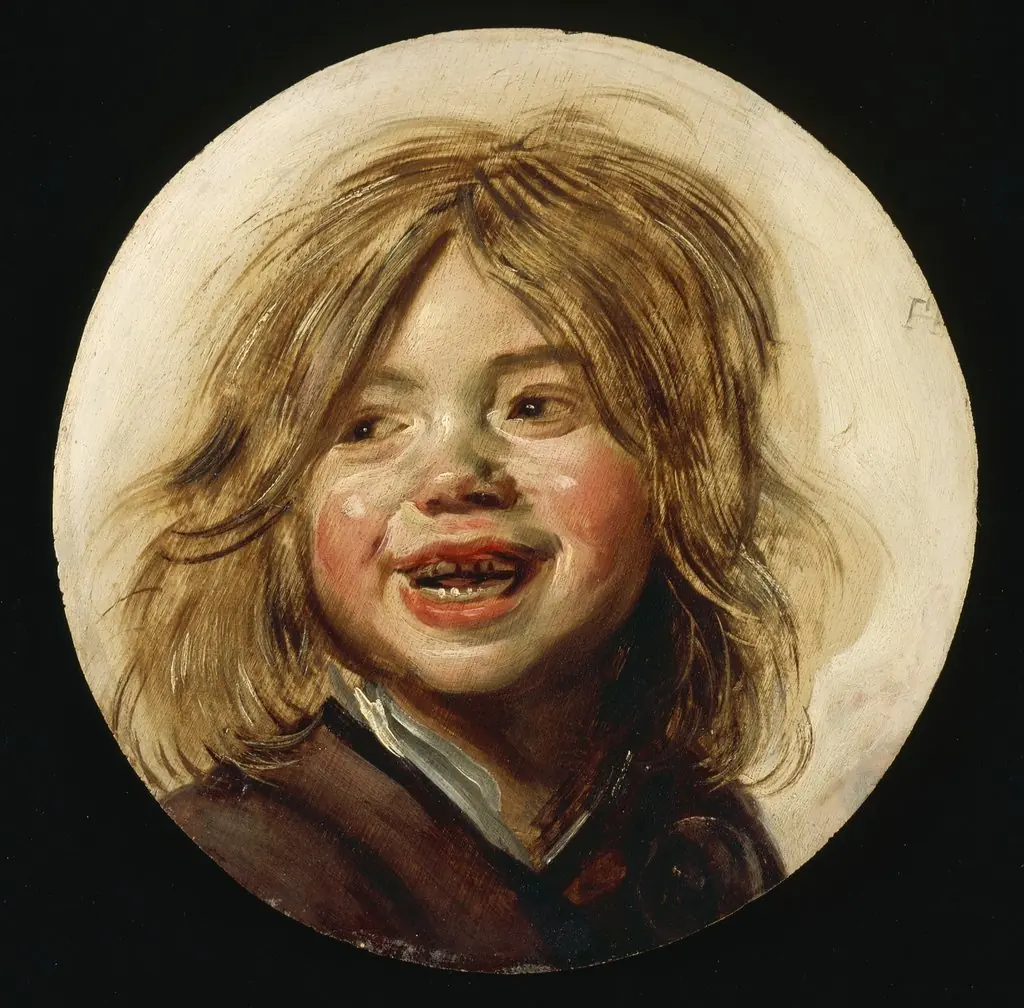
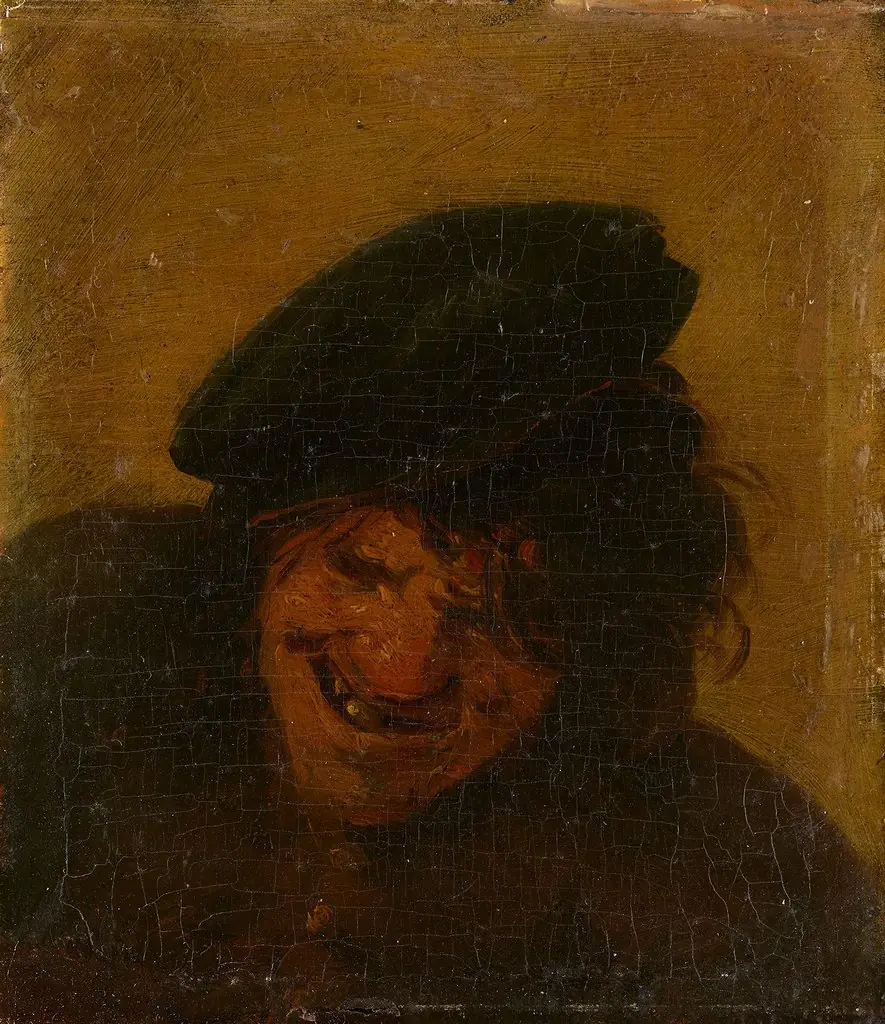
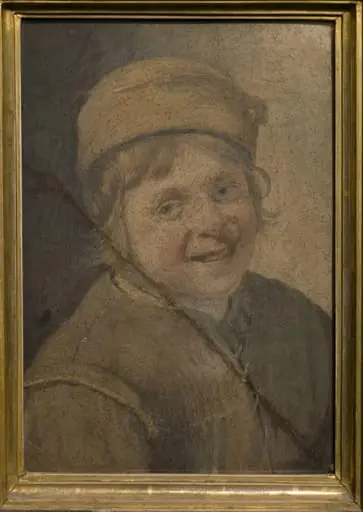
Brustbild eines lachenden Jungen
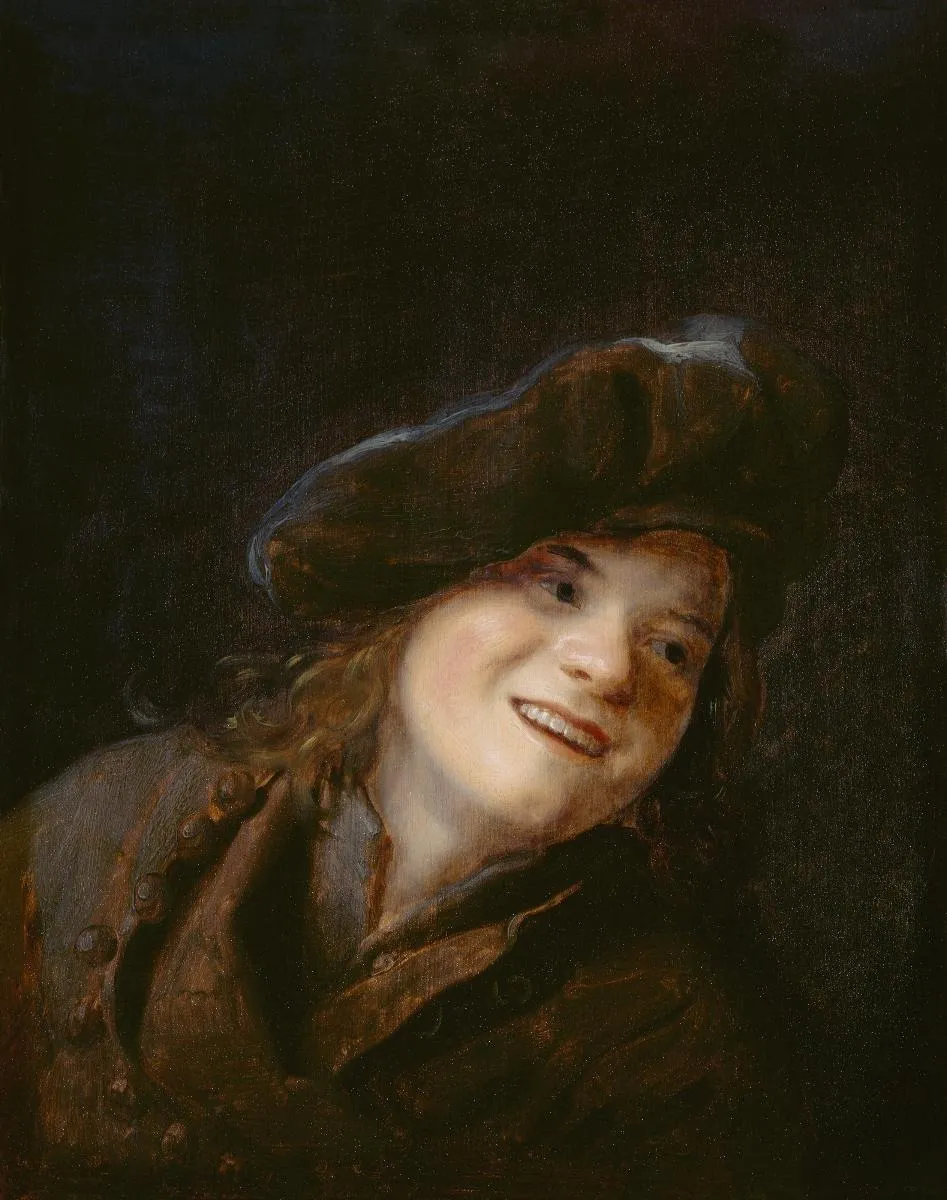
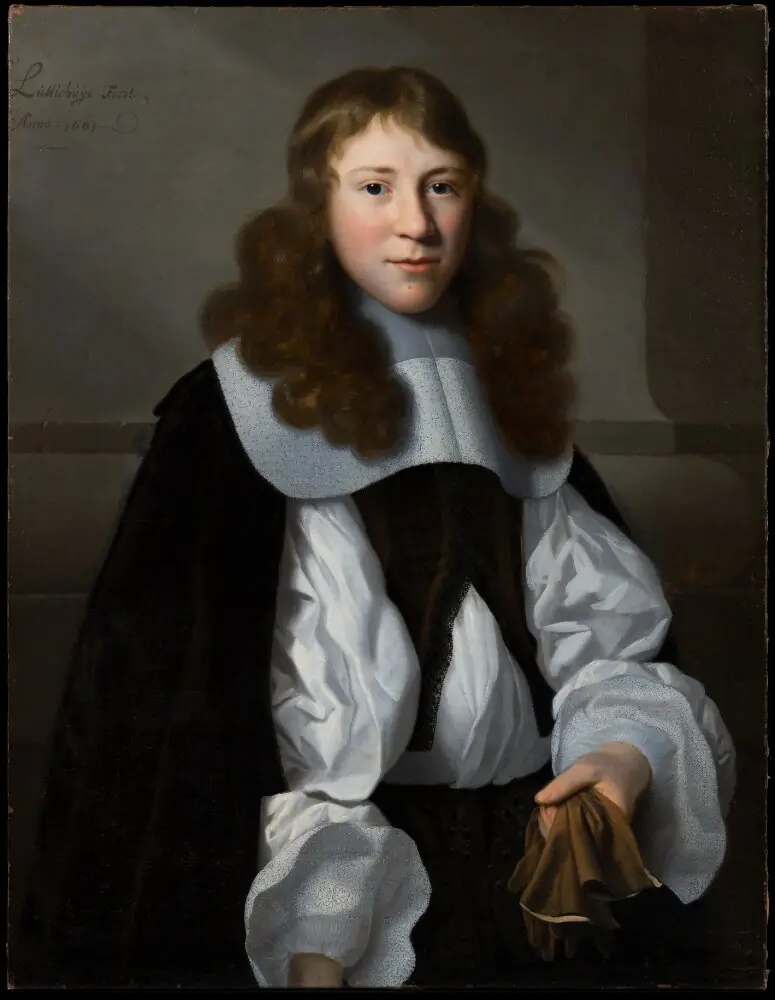
Brustbild eines lachenden Jungen is an oil painting by Isaack Luttichuys. It dates from 1648 and is held in the collection of the Kunsthaus Zürich.
About this work
Overview
The work exemplifies the Dutch tradition of intimate portraiture from the mid-seventeenth century, emphasizing psychological presence over elaborate setting.
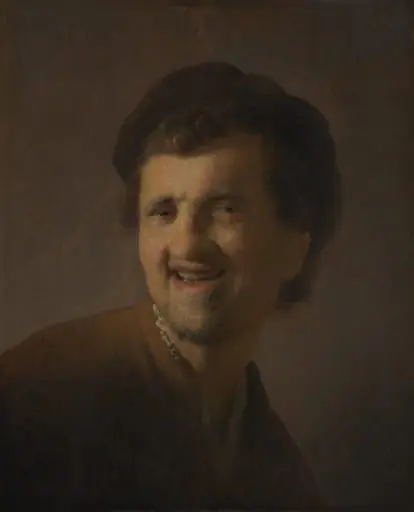
Painted in 1648 by Isaack Luttichuys, this oil portrait captures a young man in three-quarter view, his head and shoulders framed against a deep, unmodulated background. The composition focuses tightly on the subject’s expression, with minimal detail beyond the face and upper torso. The work exemplifies the Dutch tradition of intimate portraiture from the mid-seventeenth century, emphasizing psychological presence over elaborate setting.
Subject & Meaning
The sitter, a youth with a spontaneous smile and upward gaze, conveys a moment of quiet joy rather than formal solemnity. His expression suggests a fleeting, personal emotion—perhaps caught in a candid interaction with the viewer or an unseen presence. The lack of identifying attributes leaves his identity unknown, reinforcing the painting’s focus on universal human expression rather than social status or lineage.
Technique & Style
Luttichuys employs chiaroscuro to isolate the boy’s face, using soft gradations of light to highlight his cheeks, forehead, and eyes against a shadowed jacket and hat. The brushwork is precise yet unobtrusive, with fine strokes defining the texture of fabric and skin without overt ornamentation. The dark background enhances the luminosity of the face, a technique common among Dutch portraitists of the period to direct attention to the subject’s demeanor.
History & Provenance
The painting has been in the collection of the Kunsthaus Zürich since at least the early twentieth century. Its earlier ownership history is undocumented, but its style and date align with Luttichuys’s known output during his Amsterdam years. It was likely commissioned by a local merchant or artisan family, as such intimate portraits were popular among the urban middle class in the Dutch Republic.
Context
Created during the Dutch Golden Age, this portrait reflects a cultural shift toward individualized representation. Unlike grand aristocratic portraits, works like this celebrated ordinary people through subtle emotional nuance. Luttichuys, influenced by Rembrandt and Frans Hals, contributed to a genre that valued authenticity and psychological depth over ceremonial grandeur.
Legacy
Though not widely reproduced, the painting remains a representative example of Dutch genre portraiture from the 1640s. It contributes to scholarly understanding of how everyday emotions were rendered in art during a period of rising civic identity. Its preservation in Zürich underscores the broader European appreciation for Dutch Golden Age works beyond their country of origin.
Artist & collection