Artwork
Portrait of a Young Woman Holding an Orange
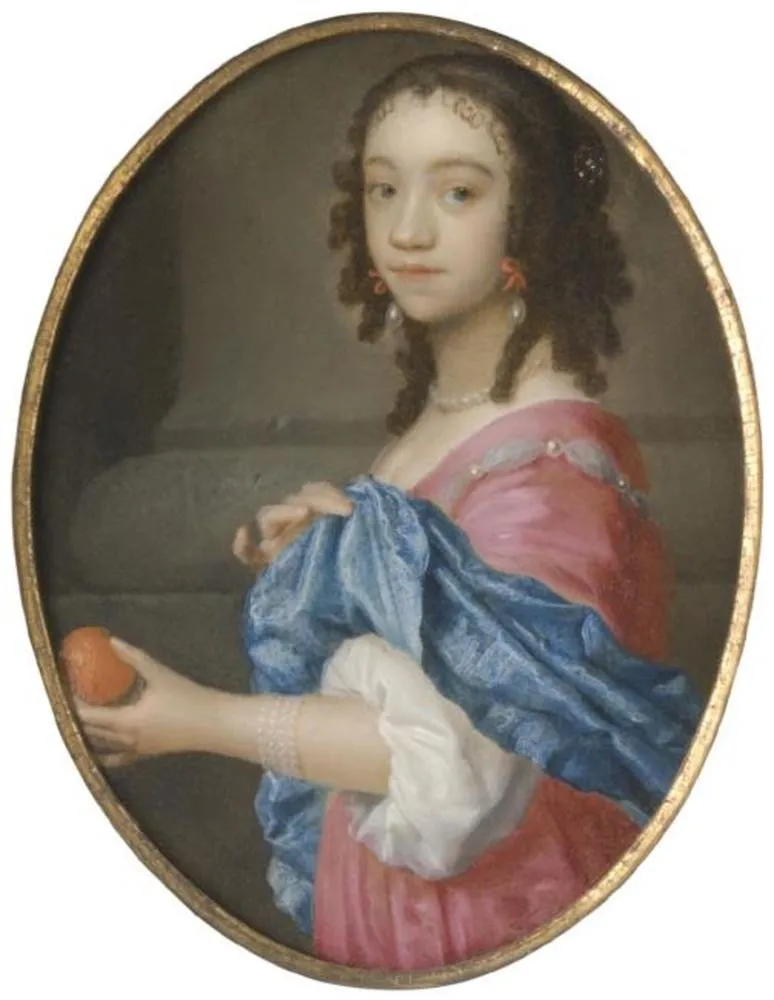
Portrait of a Young Woman Holding an Orange is an oil painting by Isaack Luttichuys. It dates from 1657 and is held in the collection of the Philadelphia Museum of Art.
About this work
Overview
The subject’s direct gaze and restrained posture convey quiet composure, typical of private commissions from affluent urban families.
Painted in 1657 by Isaack Luttichuys, this small-scale portrait depicts a young woman against a deep, unmodulated background. Executed on copper, a surface prized for its smoothness and durability, the work exemplifies the precision favored in Dutch portraiture of the mid-seventeenth century. The subject’s direct gaze and restrained posture convey quiet composure, typical of private commissions from affluent urban families.
Subject & Meaning
The woman, dressed in a pink gown and draped in a blue shawl, holds an orange in her right hand—a symbol associated with wealth, rarity, and domestic virtue in Dutch culture. Her pearl jewelry and neatly gathered curls suggest modest refinement rather than ostentation. The fruit, both a luxury import and a sign of fertility, subtly anchors the portrait in themes of prosperity and personal dignity without overt narrative.
Technique & Style
Luttichuys rendered the portrait with meticulous attention to surface textures: the glossy sheen of the orange, the delicate folds of silk, and the luster of pearls are rendered with fine brushwork. The copper support allowed for sharp detail and luminous color retention. The dark background isolates the figure, enhancing three-dimensionality and focusing attention on the sitter’s expression and attire, characteristic of Dutch intimate portraiture.
History & Provenance
The painting entered the Philadelphia Museum of Art’s collection through the John G. Johnson bequest in 1917. Prior to that, its early ownership history is undocumented, though its style and medium align with works produced in Amsterdam during the 1650s. Luttichuys, known for his portraits and still lifes, likely painted this as a private commission, possibly for a merchant family seeking to display refined taste.
Context
In mid-17th-century Holland, portraiture flourished beyond aristocratic circles, with middle-class patrons commissioning intimate likenesses. Artists like Luttichuys, trained in the tradition of Frans Hals and Rembrandt, adapted their techniques to suit smaller, domestic settings. The use of copper, though less common than canvas, was favored for its ability to capture fine detail in private collections.
Legacy
Though not widely exhibited, the portrait remains a representative example of Dutch civic portraiture from the Golden Age. Its preservation on copper and its survival in near-original condition offer insight into the technical choices of lesser-known artists working alongside more famous contemporaries. It continues to inform studies on material practices and social identity in Dutch visual culture.
Artist & collection

 Portrait of a Girl
 Portrait of a Lady
 Portrait of a woman
 Judith Allijn (d 1702), Wife of Harmen Lijnslager
 Bildnis einer Hofdame
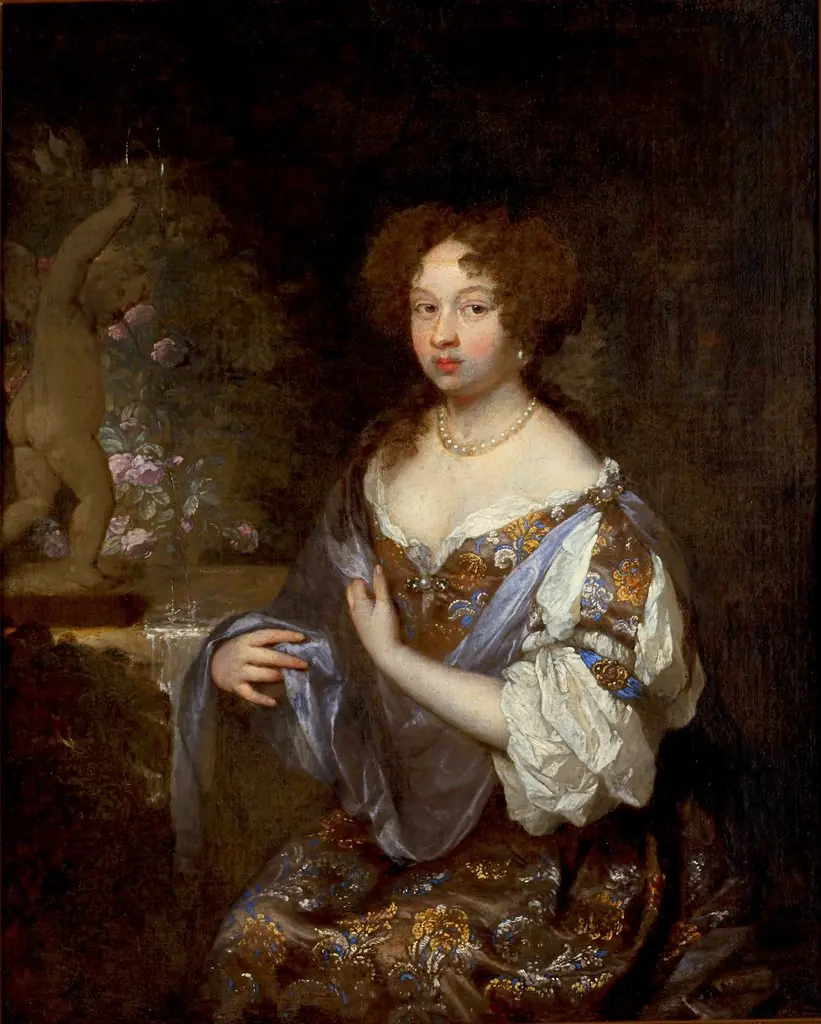 Portrait of a Lady
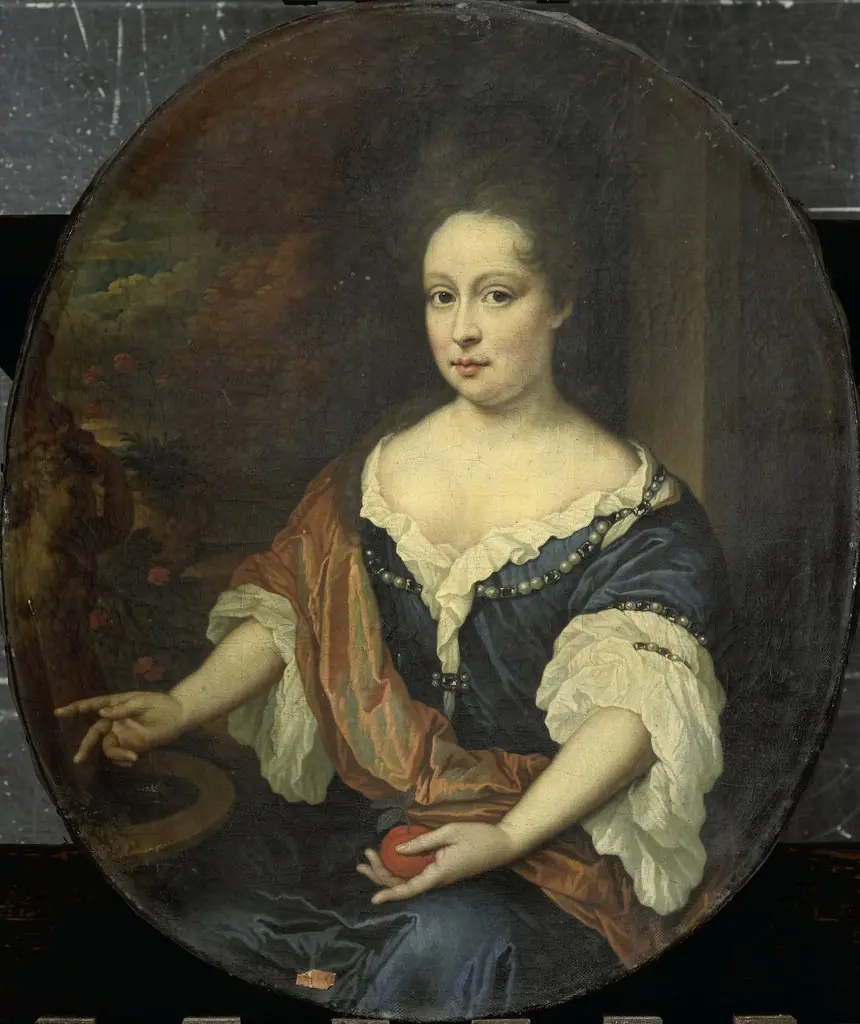 Portrait of Judith Allijn (died 1702), Wife of Harmen Lijnslager
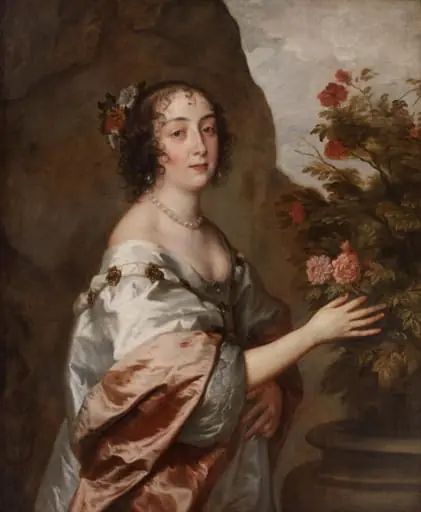 Portrait of a Lady
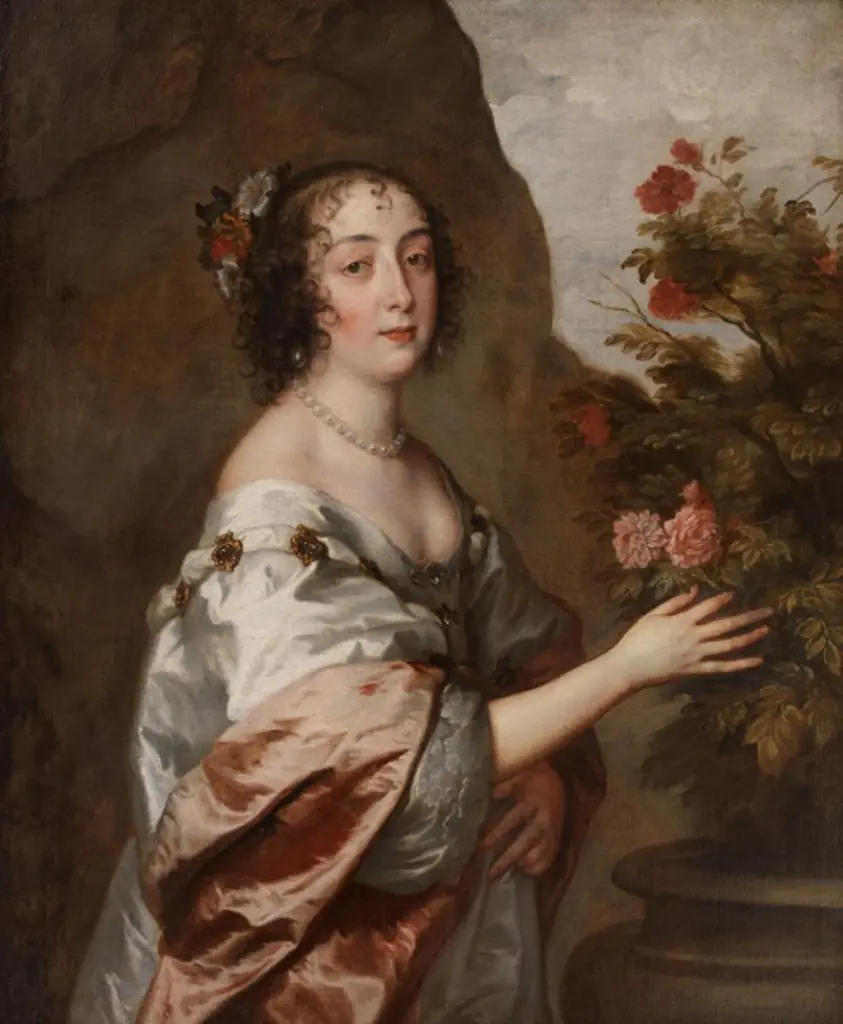 Portræt af en kvinde som Flora
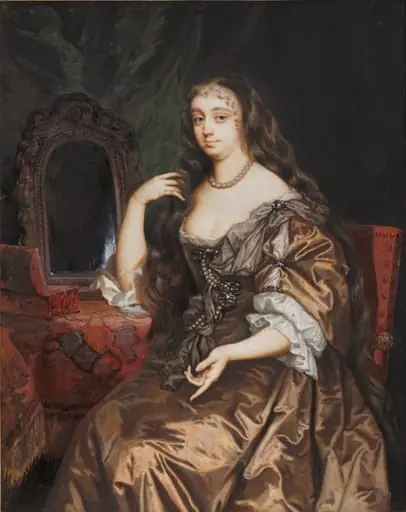 Portrait of Anne Hyde, Duchess of York
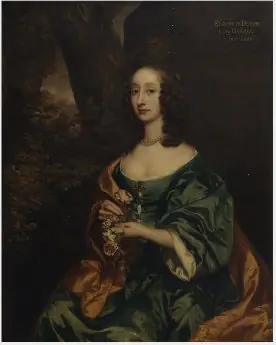 Elizabeth Dering, Lady Darell
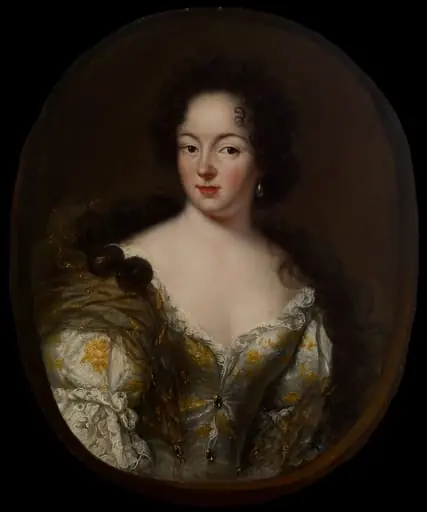 Hedvig Eleonora Tessin, o.s. Stenbock