Artwork
Costantinopol - Scutari
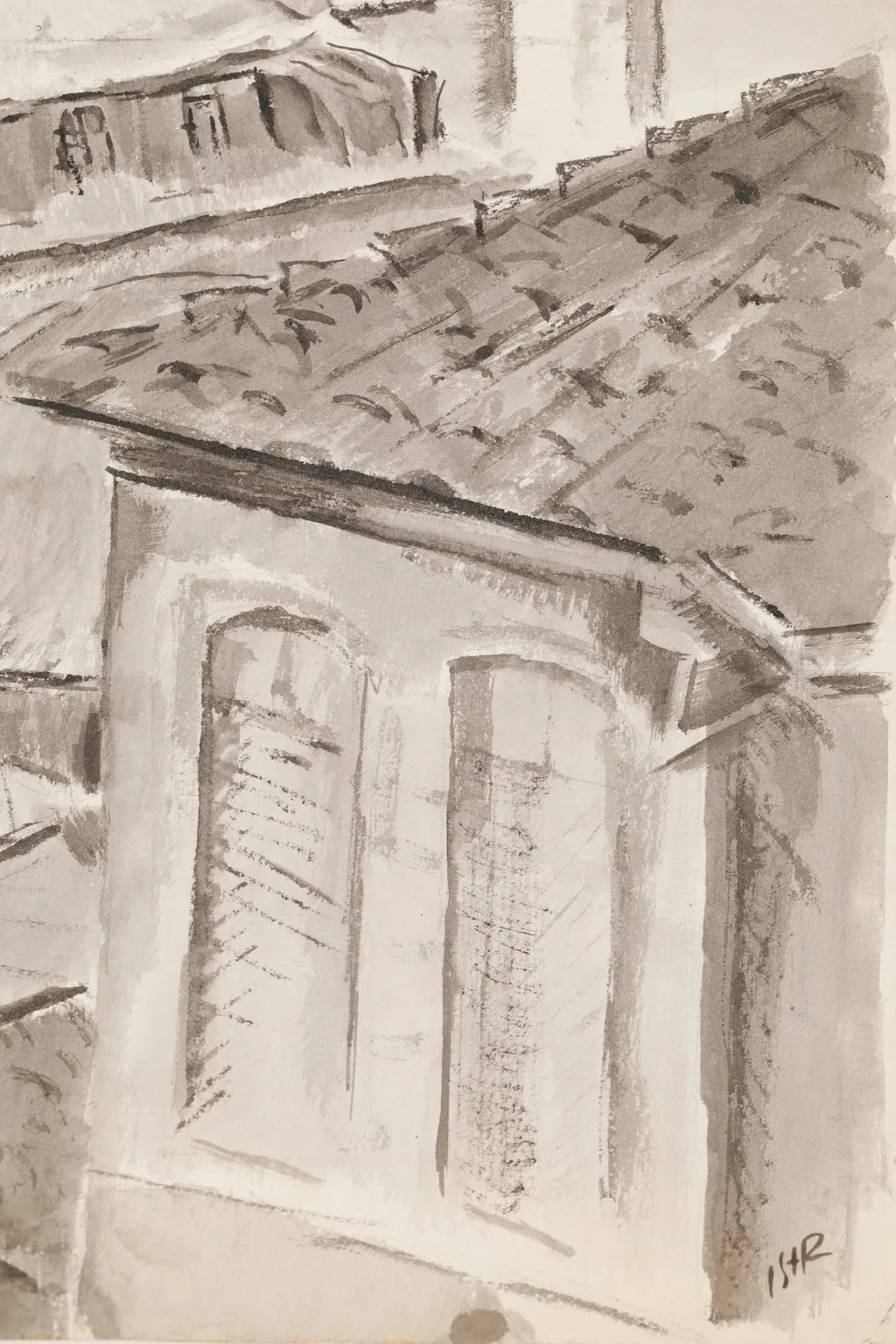
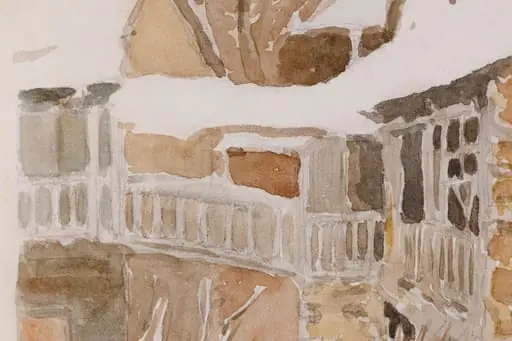
Costantinopol - Scutari is a drawing by Iosif Iser. It dates from 1850 and is held in the collection of the National Museum of Art of Romania.
About this work
Overview
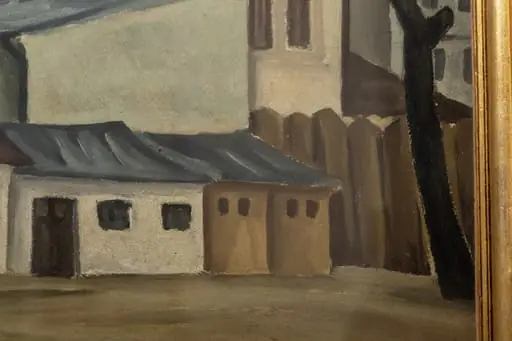
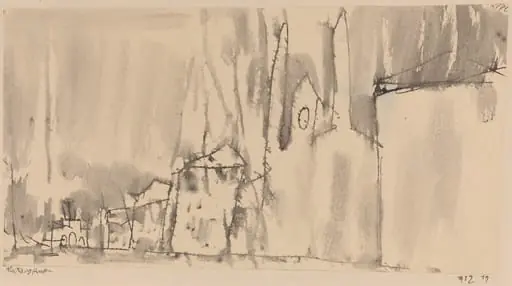
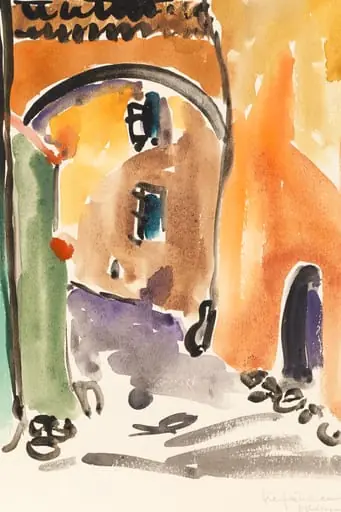
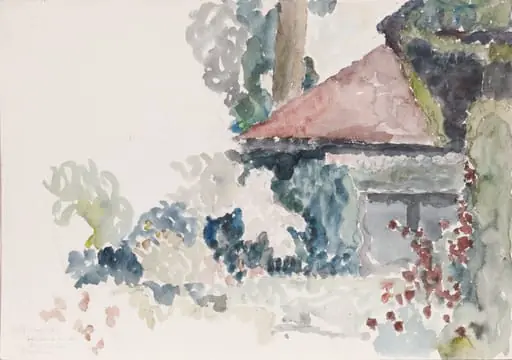
Costantinopol - Scutari is a mid-19th century architectural drawing by Iosif Iser, depicting a structure in Scutari, across the Bosporus from Constantinople.
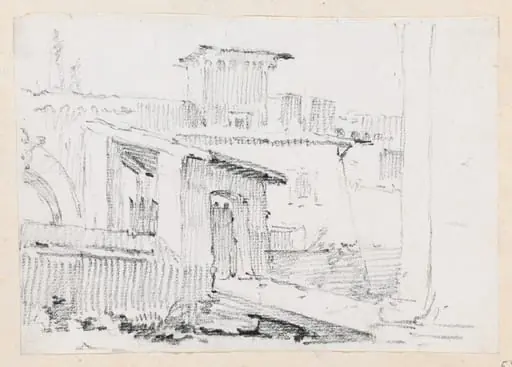
Costantinopol - Scutari is a mid-19th century architectural drawing by Iosif Iser, depicting a structure in Scutari, across the Bosporus from Constantinople. Rendered in pencil or ink, the work captures a single building with a tiled roof and a prominent front window. The composition emphasizes structural detail over narrative, focusing on the building’s form and surface texture rather than human activity or landscape context.
Subject & Meaning
The subject is a modest, possibly deteriorating edifice in Scutari, a historic district of Istanbul. The faded walls and weathered tiles suggest age or neglect, evoking a quiet sense of time’s passage. The absence of figures or signs of life reinforces a contemplative tone, inviting attention to the building’s endurance and decay rather than its function or symbolism.
Technique & Style
Iser employs fine linear techniques—cross-hatching, stippling, and varied line weight—to model surfaces and suggest depth. The roof tiles are rendered with precise, repetitive strokes, while the walls use softer, irregular marks to imply texture and erosion. The drawing’s clarity and restraint reflect a topographical approach, prioritizing accuracy over dramatic effect.
History & Provenance
Created around 1850, the work likely stems from Iser’s travels in the Ottoman Empire during a period of heightened European interest in Eastern architecture. While its early ownership is undocumented, it aligns with a broader 19th-century tradition of sketching Ottoman urban scenes by foreign artists, often for private collections or scholarly study.
Context
In the mid-1800s, European artists and travelers increasingly documented the architecture of the declining Ottoman Empire. Iser’s drawing fits within this trend, offering a quiet counterpoint to grander historical or orientalist depictions. Its focus on an unremarkable structure reflects a growing interest in everyday urban fabric rather than monumental landmarks.
Legacy
Iser’s work remains a modest but valuable record of 19th-century Scutari’s built environment. Though not widely exhibited, his drawings contribute to the visual archive of Ottoman-era architecture, preserving details that may no longer exist. They serve as quiet witnesses to a changing urban landscape, valued more for their observational honesty than artistic spectacle.
Artist & collection