Artwork
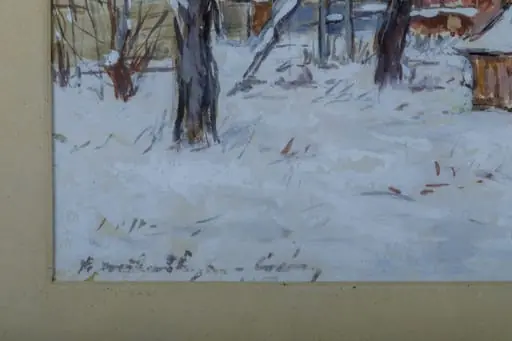
Iarnă
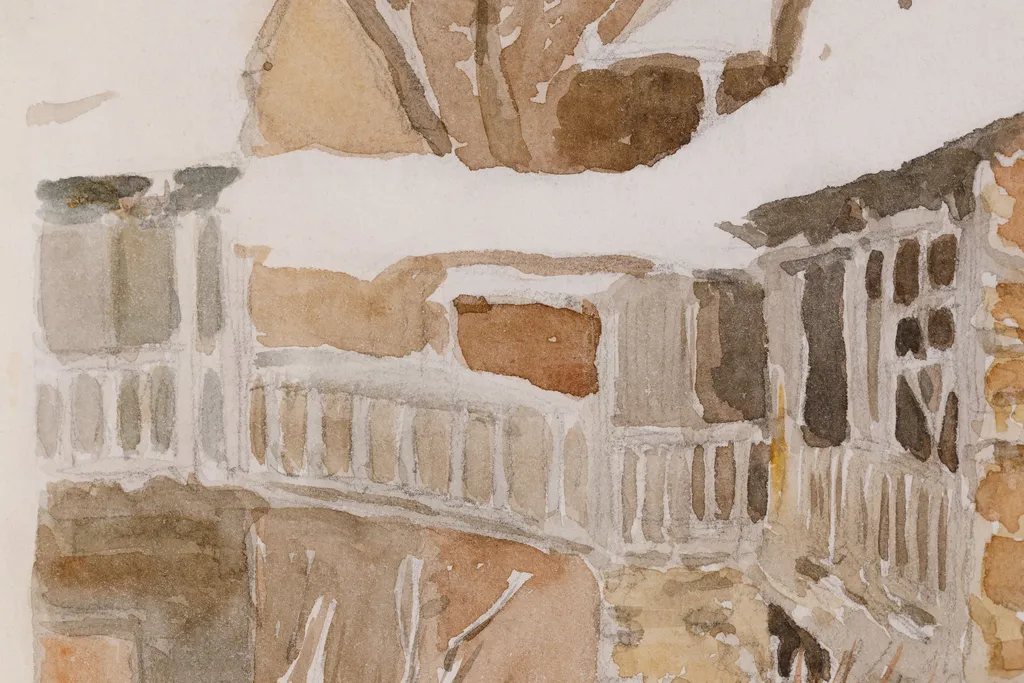
Iarnă is an unspecified painting by Hugo Kołłątaj. It dates from 1950 and is held in the collection of the National Museum of Art of Romania.
About this work
Overview
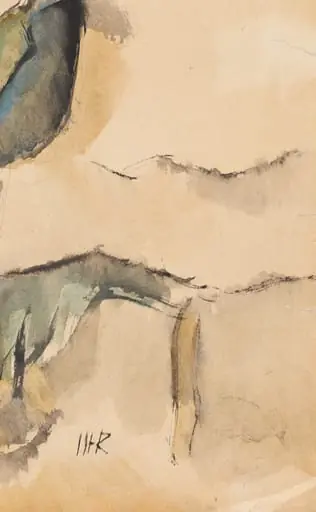
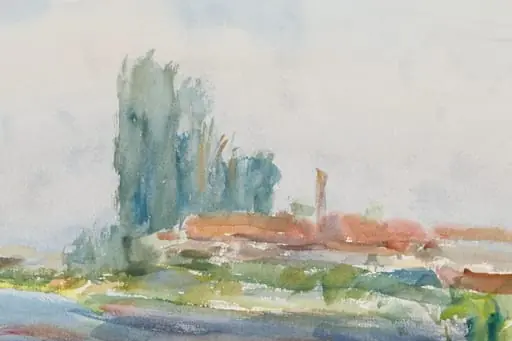
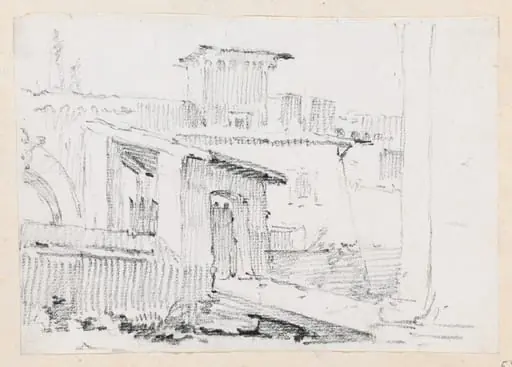
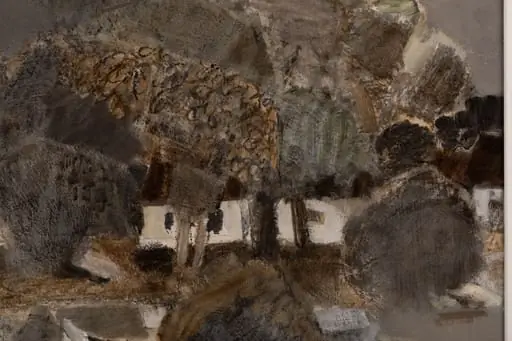
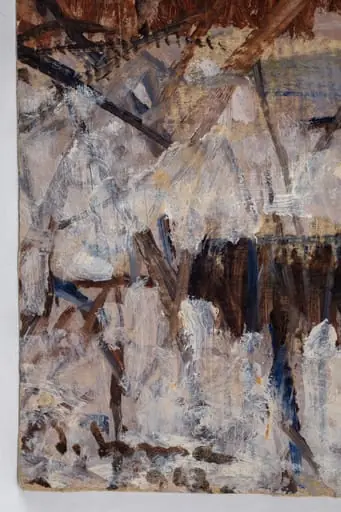
Iarnă, executed around 1950 by Polish artist Hugo Kołłątaj, depicts a weathered stone wall with a low railing reminiscent of a balcony or bridge. The composition is dominated by muted greys, whites and browns, conveying a sense of coldness and neglect.
Subject & Meaning
The painting concentrates on the physical deterioration of the wall, its peeling plaster and moss‑stained roof suggesting the passage of time and the impact of the elements. The stark, desolate setting invites reflection on impermanence and the quiet dignity of forgotten structures.
Technique & Style
Kołłątaj employs a heavily textured application of paint, with thick, almost scraped‑on impasto in areas of stone and plaster. This tactile surface enhances the visual impression of crumbling material, while the limited palette reinforces the work’s austere atmosphere.
History & Provenance
Created in the early post‑war period, Iarnă reflects the artist’s engagement with themes of decay prevalent in mid‑century European art. The work remains attributed to Kołłątaj and is documented as part of his oeuvre from the 1950s, though details of its exhibition history are scarce.
Artist & collection
Artist
This Polish folk painter worked in the late eighteenth and early nineteenth centuries, creating religious scenes with bold colors and simple shapes.

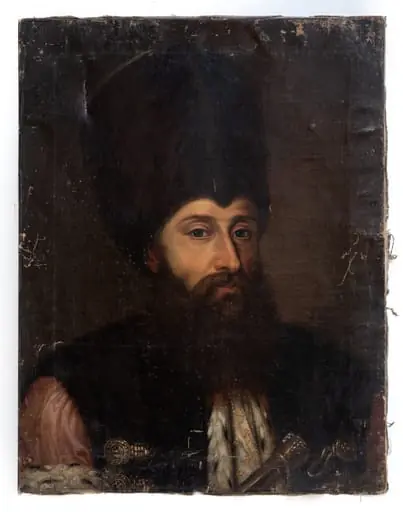 Alexandru Ipsilanti
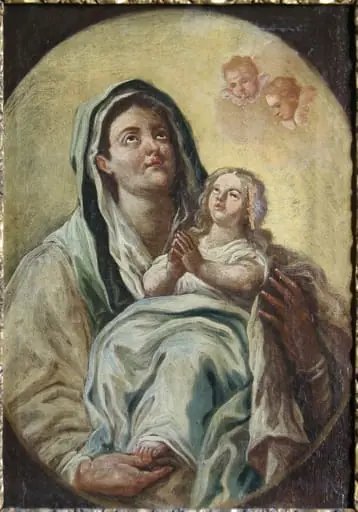 Fecioara Maria cu Pruncul Isus (în Reg. Inv.: Maria cu copilul Isus)
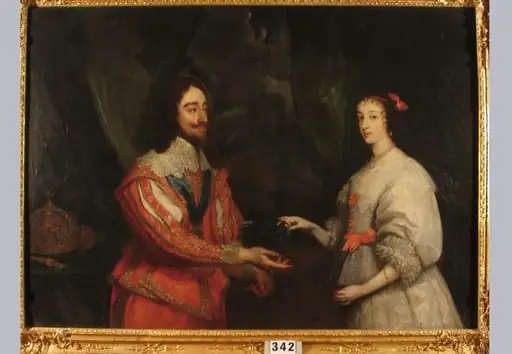 Regele Charles I Stuart al Angliei și soția sa Henrietta Maria de Franța (în Reg. Inv.: Carol I al Angliei și soția sa Henriette din Franța)
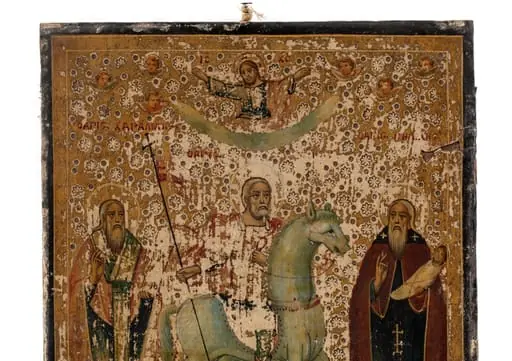 Sfântul Haralambie cu alți doi sfinți
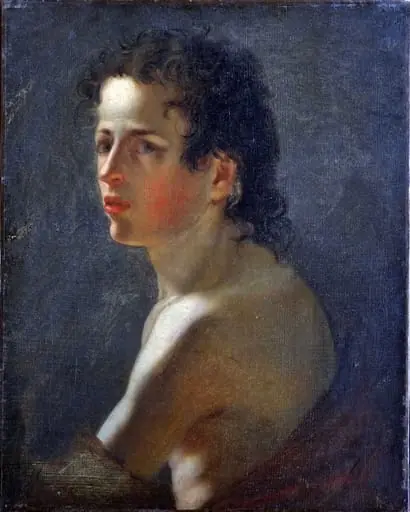 Portret de bărbat
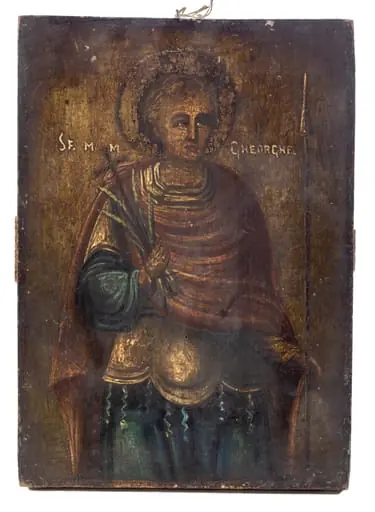 Sfântul Gheorghe
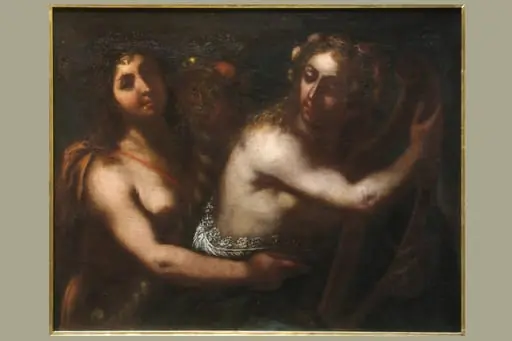 Vertumnus și Pomona (în Reg. Inv.: Vertumnus și Flora)
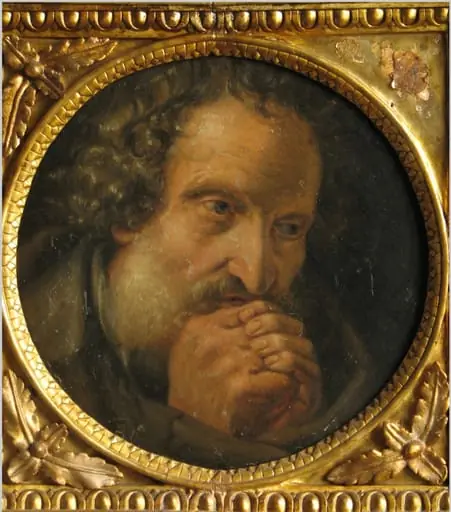 Sfântul Petru