Artwork
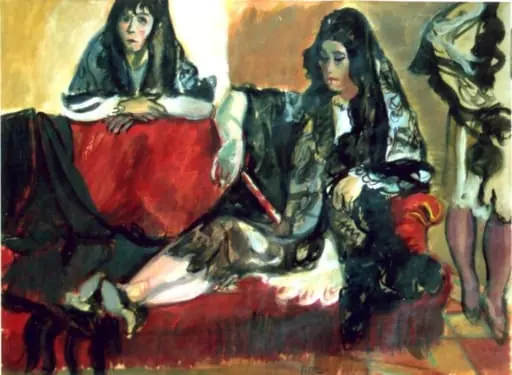
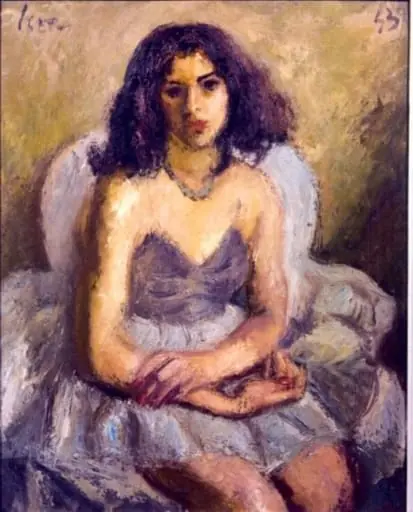
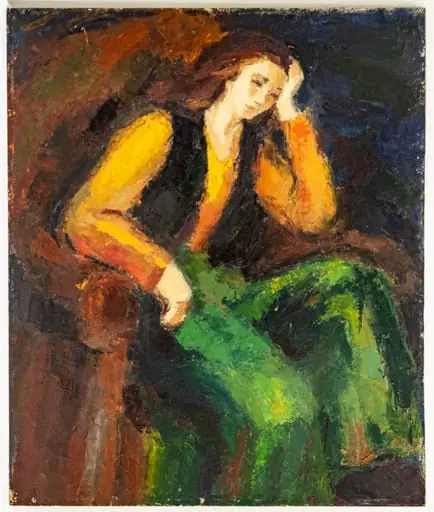
Odaliscă pe gânduri (Paulina)
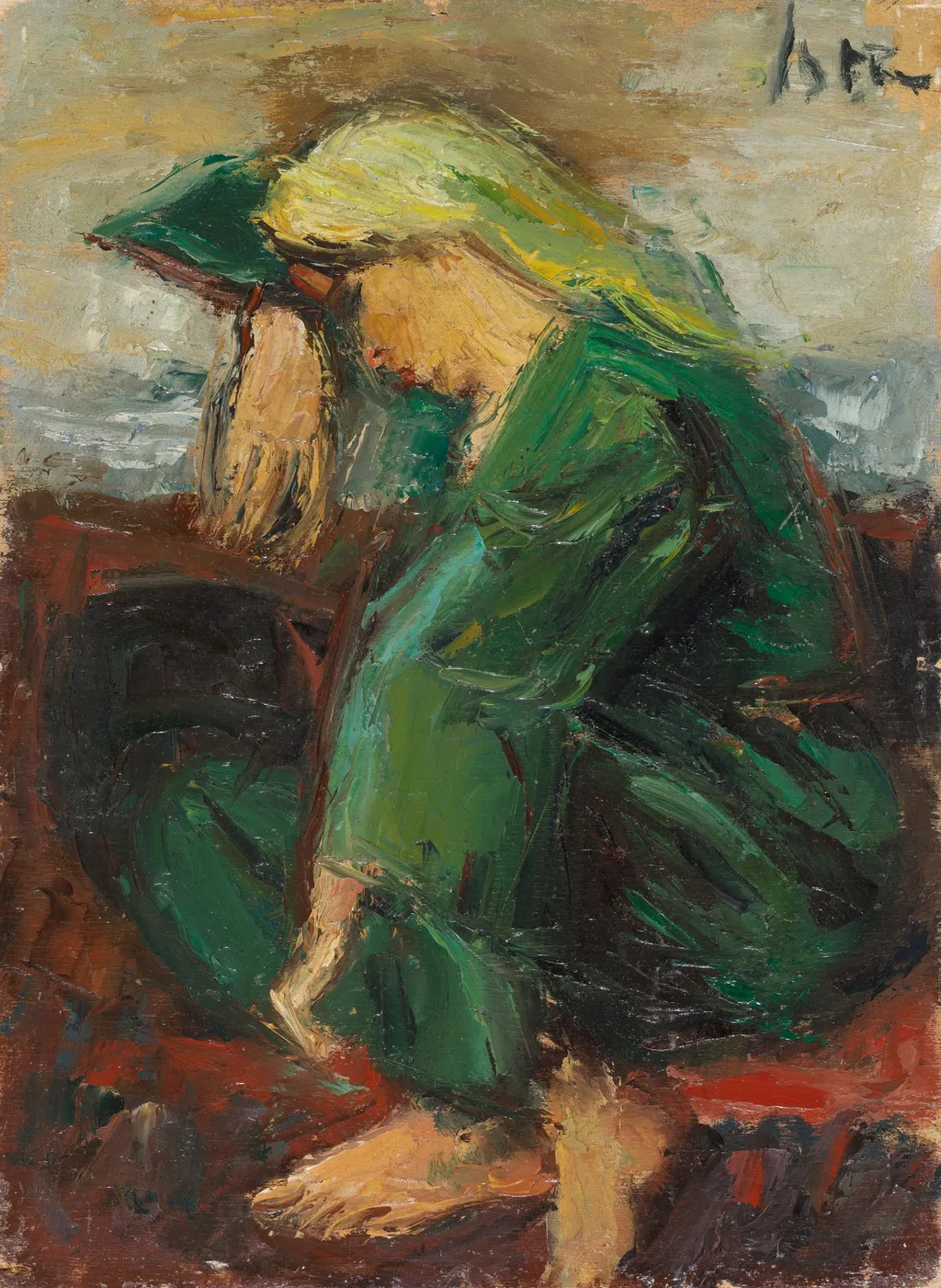
Odaliscă pe gânduri (Paulina) is a print by Iosif Iser. It dates from 1850 and is held in the collection of the National Museum of Art of Romania.
About this work
Overview
Odaliscă pe gânduri (Paulina) is an oil painting attributed to Romanian artist Iosif Iser, dated approximately to the mid‑nineteenth century.
Odaliscă pe gânduri (Paulina) is an oil painting attributed to Romanian artist Iosif Iser, dated approximately to the mid‑nineteenth century. The work depicts a solitary female figure seated in profile, her posture relaxed yet contemplative. A broad‑brimmed hat casts a shadow over half of her face, while a vivid green dress dominates the composition. The background recedes into a muted wash of warm yellows and soft grays, suggesting an indeterminate interior or outdoor setting.
Subject & Meaning
The central figure, identified as Paulina, appears lost in thought, her gaze directed away from the viewer. The concealment of her face beneath the hat’s brim creates a sense of privacy and introspection, inviting speculation about her inner life. The contrast between the richly textured garment and the subdued surroundings may allude to themes of individuality versus environment, or the fleeting nature of personal reflection within a broader, less defined world.
Technique & Style
Iser employs a vigorous impasto technique, applying thick layers of paint that give the green dress a tactile, almost sculptural quality. The brushstrokes are rapid and expressive, rendering the fabric with a sense of movement and texture. Loose, atmospheric handling of the background—soft yellows and grays—creates a blurred spatial context, allowing the sharply rendered figure to emerge prominently against the darker edges of the canvas.
History & Provenance
The painting is catalogued as originating around 1850, though Iosif Iser’s active period began later, suggesting a possible misdating or later attribution. It entered the collection of a private Romanian patron before being acquired by a regional museum in the early twentieth century. Documentation of its ownership trail remains limited, and the work has not been featured in major exhibitions, retaining a modest profile within Iser’s oeuvre.
Artist & collection