Artwork
Portret de tânără
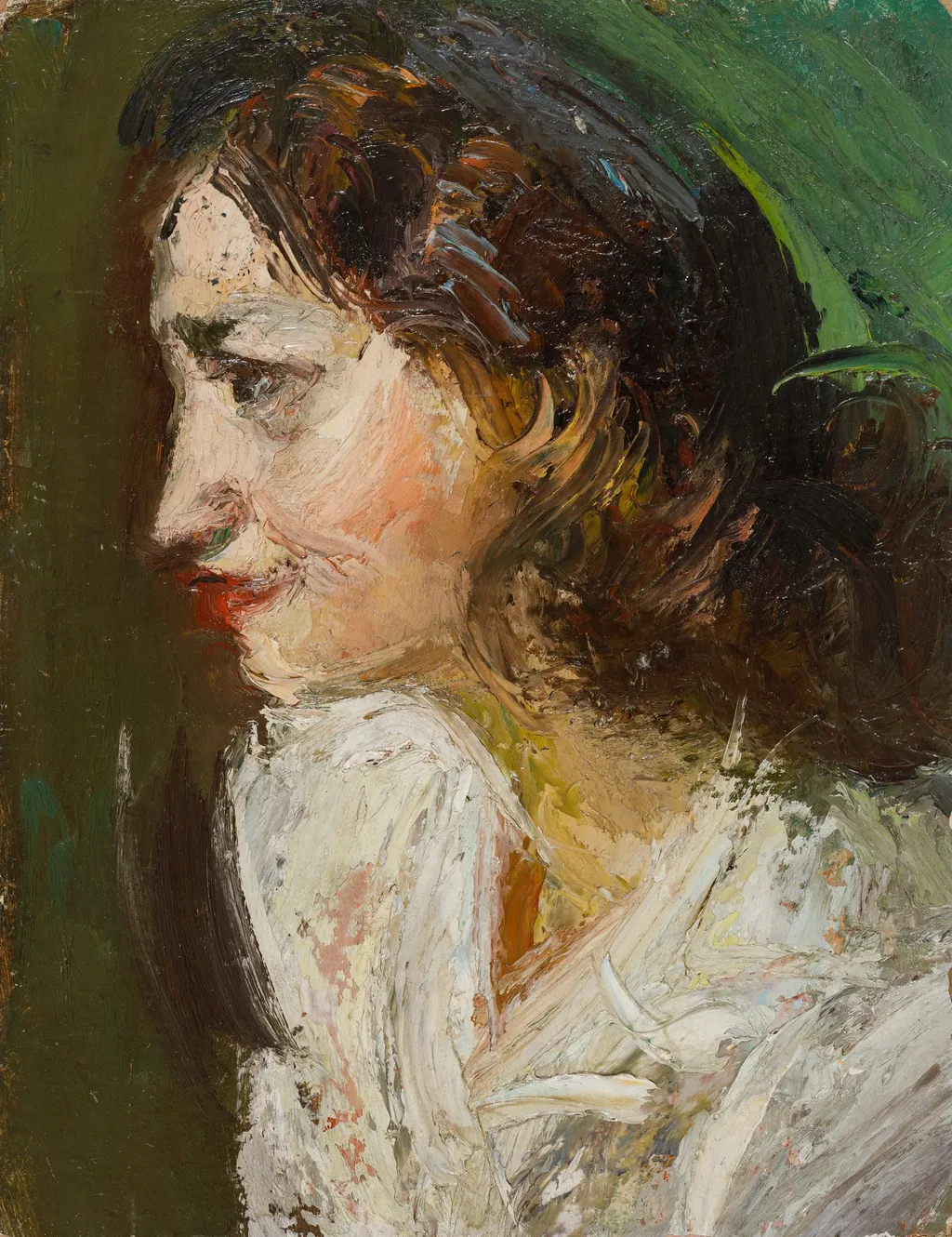
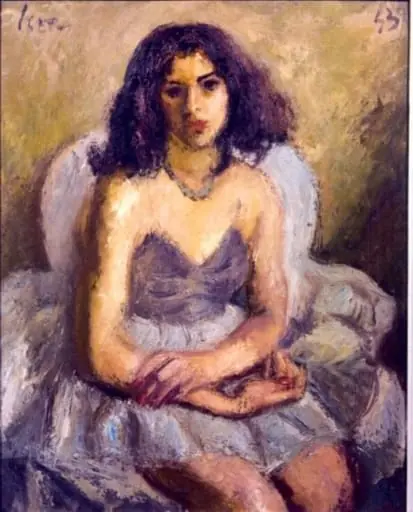
Portret de tânără is a print by Iosif Iser. It dates from 1850 and is held in the collection of the National Museum of Art of Romania.
About this work
Overview
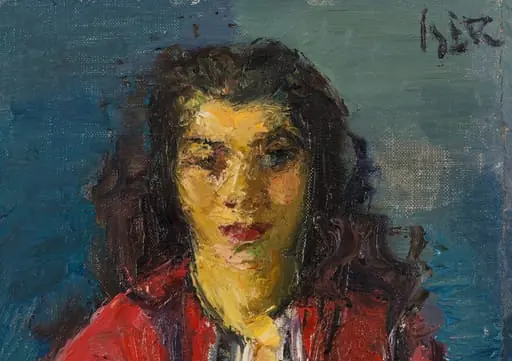
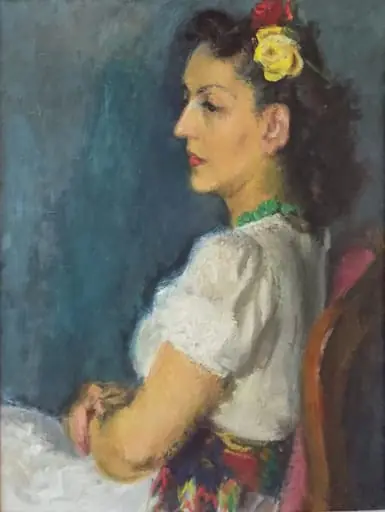
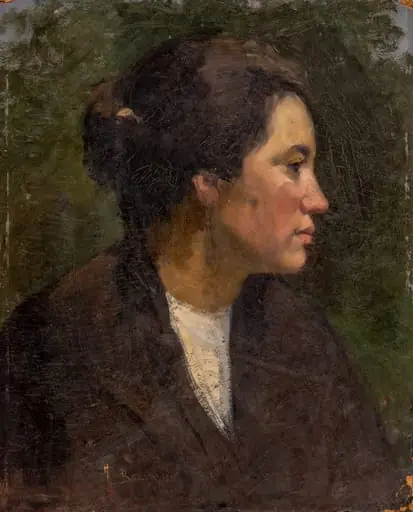
Painted around 1850 by Iosif Iser, this portrait captures a young woman in a quiet, intimate moment. Her figure is rendered from the shoulders up, turned slightly to one side, suggesting a momentary pause rather than a formal pose. The composition focuses tightly on her presence, eliminating extraneous detail to emphasize her expression and the physicality of the paint itself.
Subject & Meaning
The subject is an unnamed young woman, her identity lost to time. Her gaze is averted, and her posture is restrained, conveying introspection rather than performance. The absence of jewelry or decorative elements strips away social markers, directing attention to her humanity. The painting suggests a personal, almost private encounter between artist and sitter, unmediated by convention.
Technique & Style
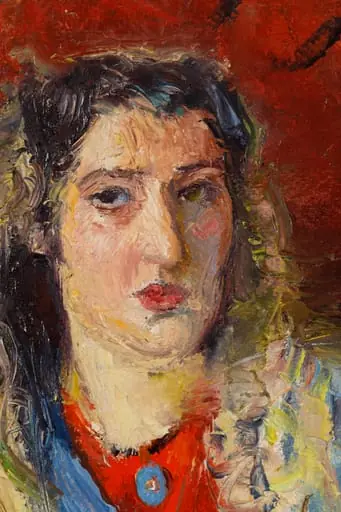
Brushstrokes are visible and assertive, particularly along the collar and cheekbone, where pigment gathers in ridges.
Iser applied paint thickly and deliberately, using impasto to build texture across the skin and fabric. Brushstrokes are visible and assertive, particularly along the collar and cheekbone, where pigment gathers in ridges. Warm ochres and pinks on the face contrast with the cool, muted greens of the background, enhancing the sense of volume and spatial depth through color rather than linear perspective.
History & Provenance
The painting’s early ownership is undocumented, and it remained within Romanian artistic circles until the 20th century. It was likely held in private collections before entering institutional care. No exhibition records or contemporary reviews from the 1850s survive, suggesting it was not widely displayed during Iser’s lifetime, perhaps reflecting its quiet, non-academic character.
Context
Created during a period when Romanian art was beginning to develop a distinct national voice, this portrait diverges from the idealized styles favored in academic salons. Iser’s emphasis on tactile surface and emotional restraint aligns more closely with emerging realist tendencies in Eastern Europe, where artists sought authenticity over ornamentation in depicting everyday subjects.
Legacy
Though not widely known outside Romania, the portrait is recognized for its early use of expressive brushwork and psychological subtlety in Romanian painting. It stands as an example of how local artists adapted broader European trends into personal, restrained forms. Its influence is seen in later generations who valued emotional honesty over technical polish.
Artist & collection