Artwork
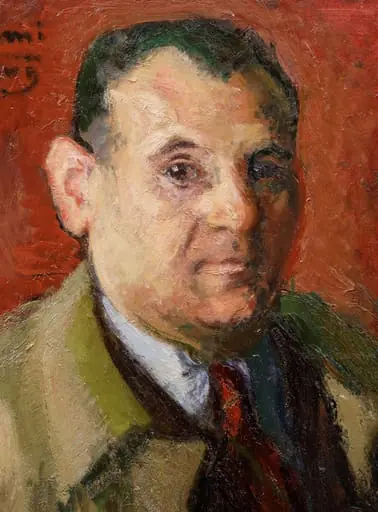
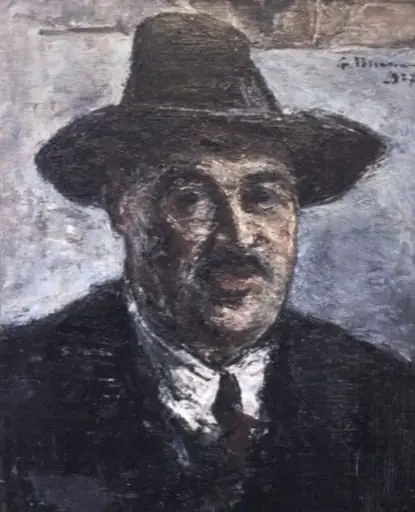
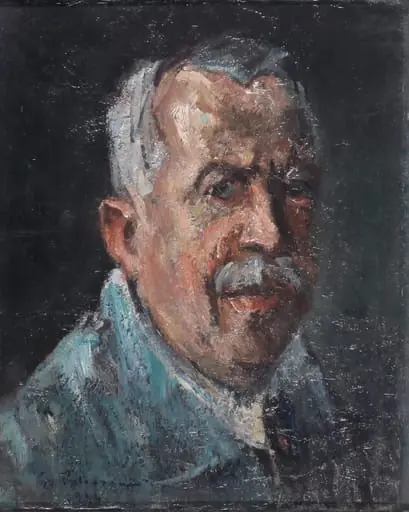
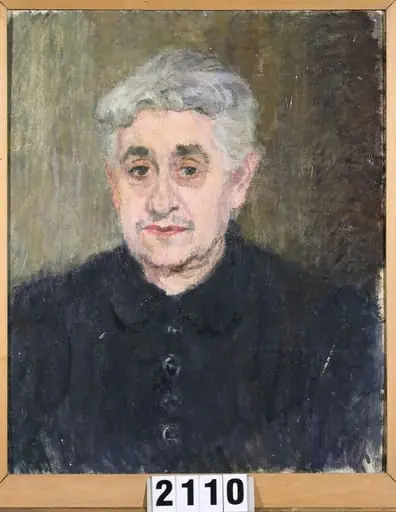
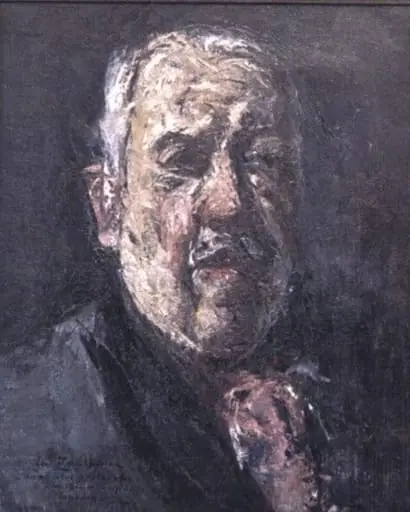
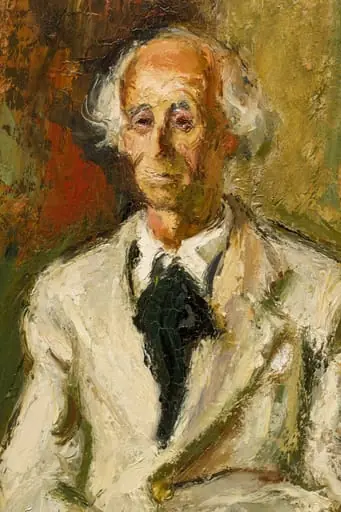
Portretul colecționarului Lasersohn
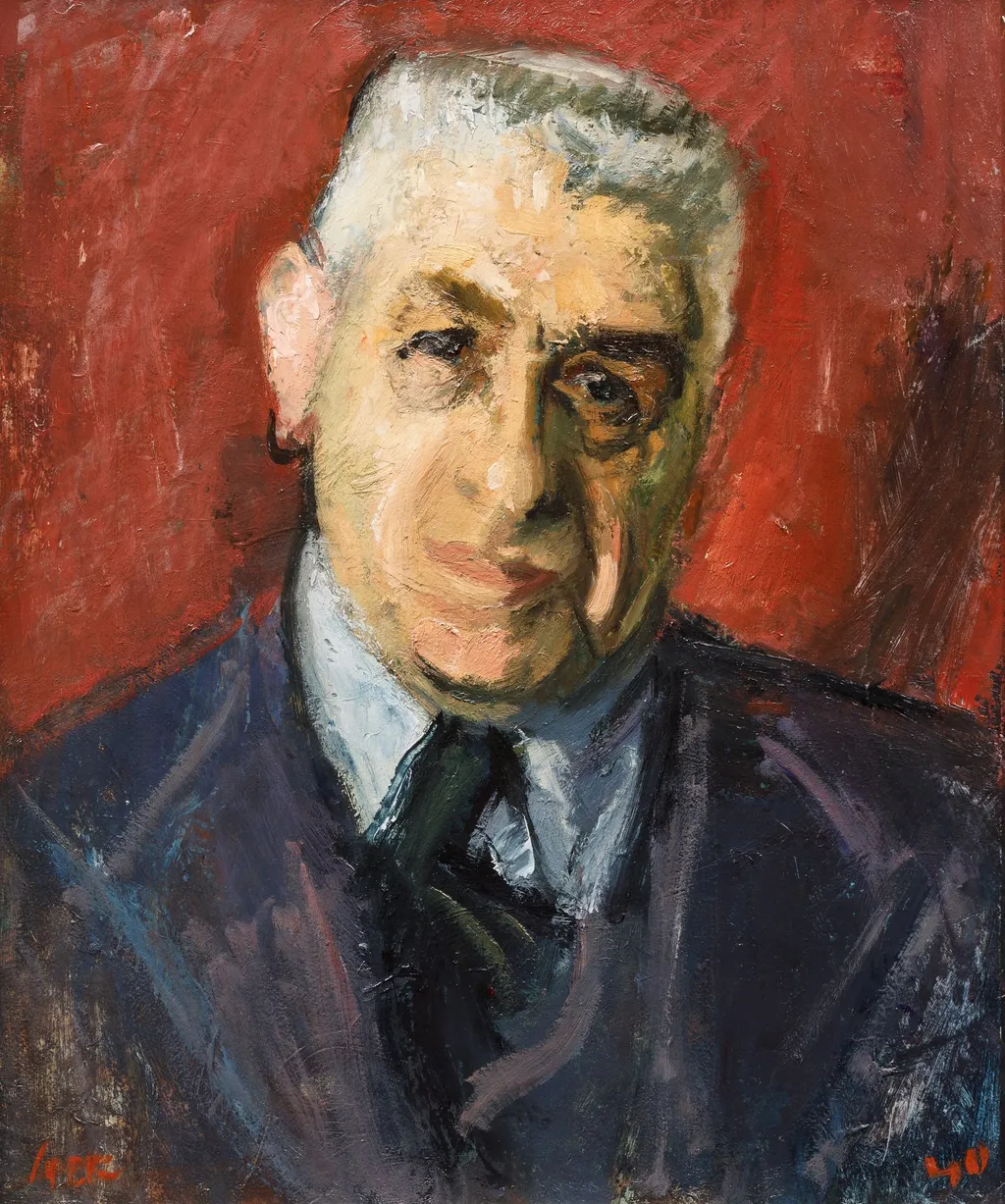
Portretul colecționarului Lasersohn is a print by Iosif Iser. It dates from 1940 and is held in the collection of the National Museum of Art of Romania.
About this work
Overview
Painted in 1940 by Iosif Iser, this portrait depicts a collector named Lasersohn. The composition is tightly framed, focusing on the upper body and face. The background is a vivid, flat red, contrasting sharply with the subject’s dark attire. The brushwork is energetic and unrefined, suggesting a rapid, intuitive approach rather than meticulous finish.
Subject & Meaning
The sitter, identified as a collector, is rendered with a quiet intensity. His white, disheveled hair and averted gaze convey introspection rather than formality. The absence of props or context shifts focus entirely to his presence. The seriousness of his expression, combined with the painting’s raw execution, suggests an emphasis on psychological depth over social status.
Technique & Style
Iser employed thick, visible brushstrokes to model the face and suit, avoiding smooth transitions. The red background is applied in broad, unmodulated planes, heightening the sense of immediacy. The paint seems applied with urgency—edges are blurred, details omitted. This deliberate incompleteness aligns with modernist tendencies to prioritize expression over polish.
History & Provenance
The painting was completed in 1940, during Iser’s later period in Romania. It likely originated from his circle of intellectual and art-collecting patrons. No public record of its early ownership exists, but it remained within Romanian collections until the late 20th century, when it entered institutional care.
Context
Created amid rising political tensions in Eastern Europe, the portrait reflects a quiet resistance to official artistic norms. While socialist realism demanded idealized figures, Iser’s approach embraced psychological realism and expressive brushwork. This work stands as a personal, unadorned response to an era demanding conformity.
Legacy
Though not widely exhibited, the portrait is recognized among scholars as a key example of Iser’s mature style. Its unpolished aesthetic influenced later Romanian modernists who valued emotional authenticity over technical perfection. It remains a quiet testament to the artist’s commitment to individual expression.
Artist & collection