Artwork
K.H. Zambaccian
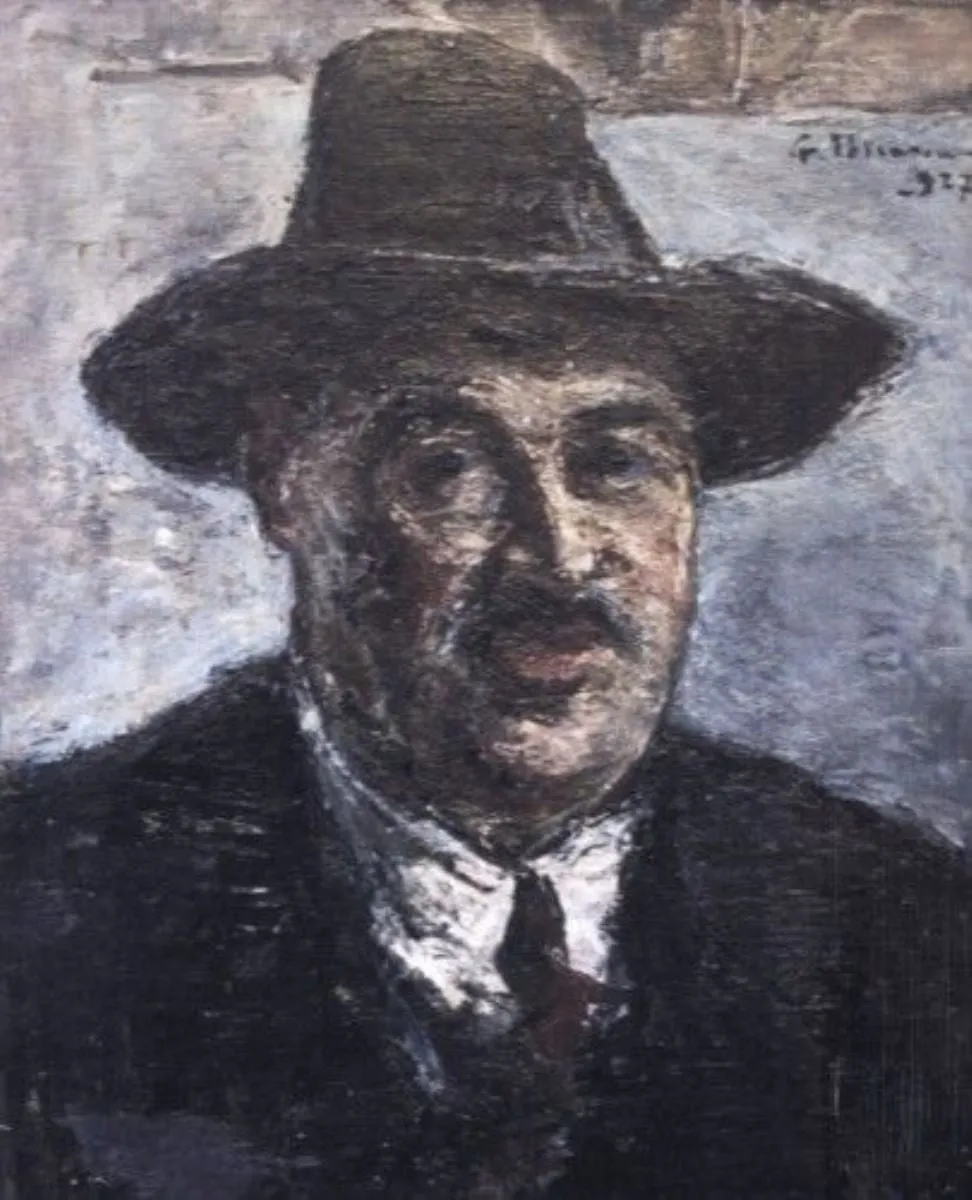
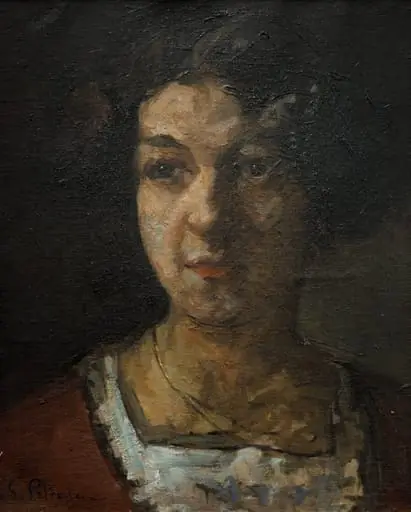
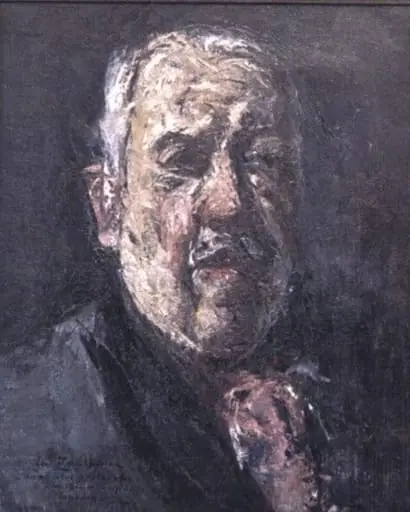
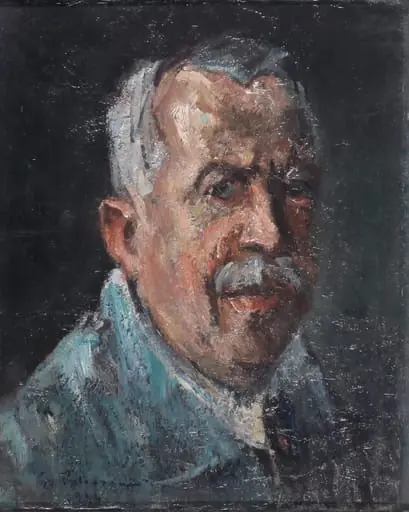
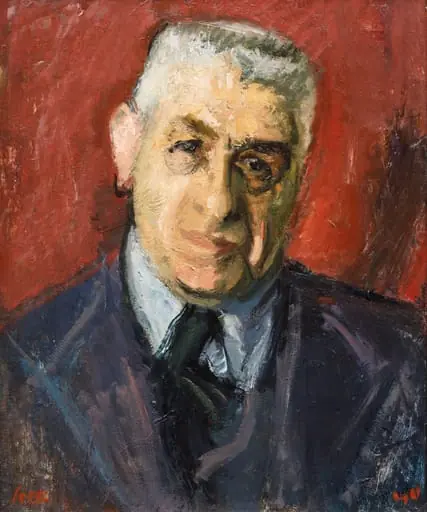
K.H. Zambaccian is an unspecified painting by Gheorghe Petrașcu. It dates from 1927 and is held in the collection of the National Museum of Art of Romania.
About this work
Overview
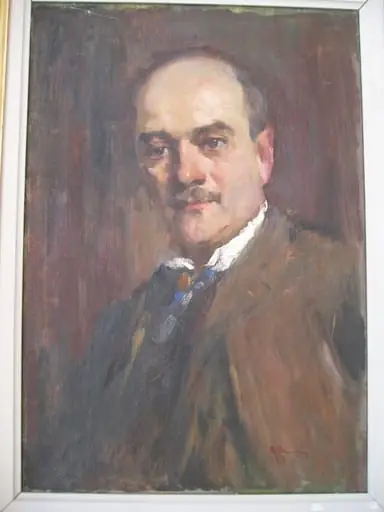
The work is a focused study of character, rendered with deliberate physicality through thickly applied paint.
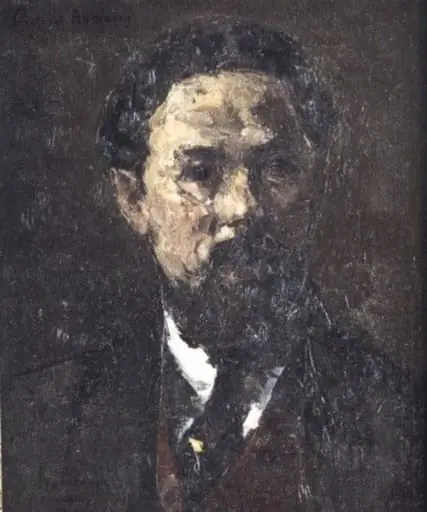
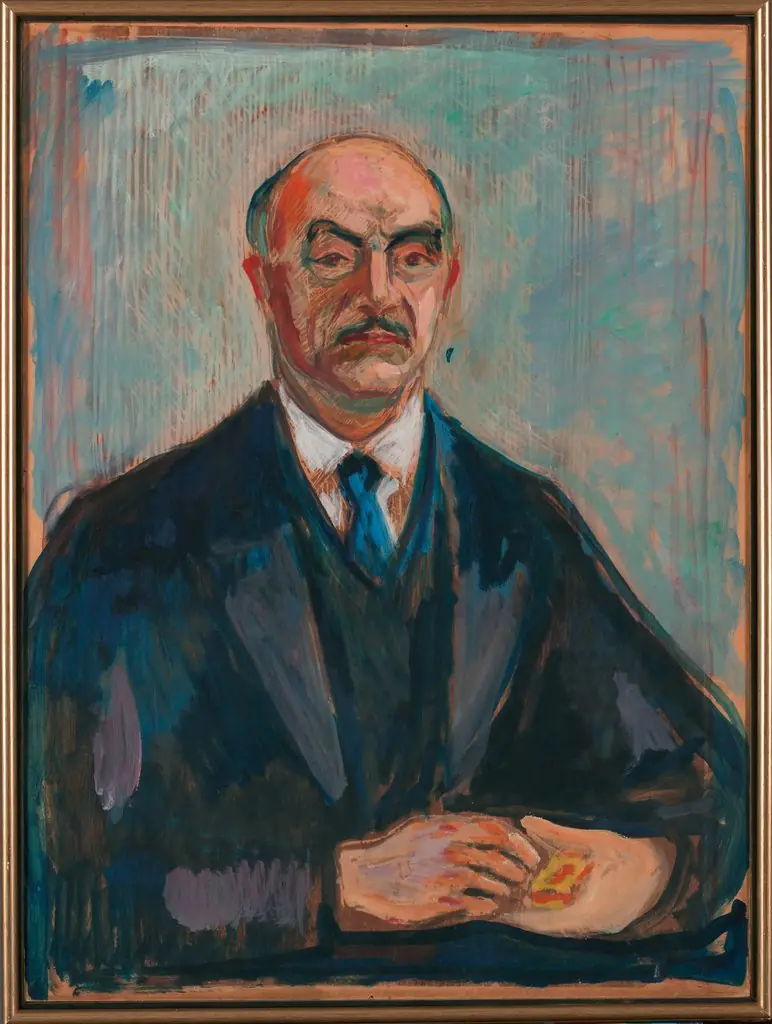
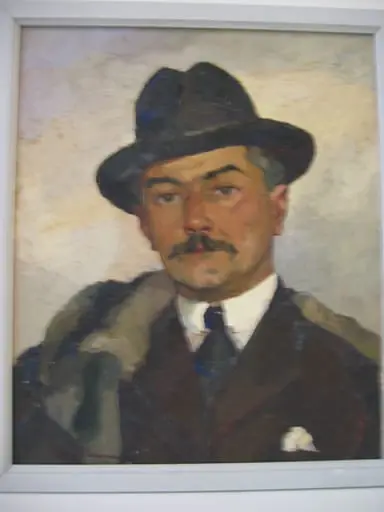
Painted in 1927 by Romanian artist Gheorghe Petrașcu, this portrait captures K.H. Zambaccian, a prominent collector and patron of the arts in interwar Romania. The work is a focused study of character, rendered with deliberate physicality through thickly applied paint. It reflects Petrașcu’s engagement with portraiture as a means of conveying presence rather than mere likeness, situating it within a broader Romanian artistic tradition of psychological realism.
Subject & Meaning
K.H. Zambaccian was a key figure in Romania’s cultural landscape, known for assembling one of the nation’s most significant private art collections. Petrașcu portrays him with solemnity and restraint—his furrowed gaze and unsmiling expression suggest introspection, while the formal attire signals social standing. The absence of contextual detail emphasizes the subject’s identity as a man defined by his intellectual and cultural authority, not his surroundings.
Technique & Style
Petrașcu employs impasto to build the surface of the portrait, using heavy, directional brushstrokes to model the face and fabric with sculptural weight. The dark, neutral background recedes, allowing the textured coat, collar, and facial contours to dominate. This tactile approach rejects smooth academic finish in favor of a raw, tactile presence, aligning the work with early modernist tendencies that valued materiality over idealized form.
History & Provenance
The painting remained within Zambaccian’s personal collection until his death, later entering the holdings of the National Museum of Art of Romania. Petrașcu, who received official recognition from the Romanian Academy in 1936, was exhibited internationally in the decades following his death, including at the Venice Biennale. This portrait, though not widely reproduced, is recognized as a representative example of his mature portraiture style.
Context
In 1920s Romania, portraiture served as a bridge between academic tradition and emerging modernist sensibilities. Petrașcu’s work, while rooted in realism, incorporated expressive brushwork that diverged from rigid academic norms. Zambaccian’s portrait reflects this tension—respecting classical composition while embracing the physicality of paint, mirroring broader shifts in Eastern European art toward individual expression and material honesty.
Legacy
Though Petrașcu’s reputation was largely confined to Romania during his lifetime, his portraits, including this one, have since been reassessed as significant contributions to the country’s modern art history. The painting endures as a quiet testament to the relationship between artist and patron, and to the role of portraiture in documenting cultural figures who shaped Romania’s artistic identity in the early 20th century.
Artist & collection
Artist
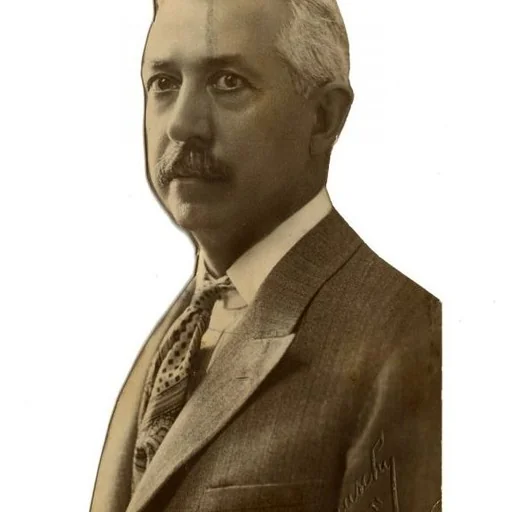
Gheorghe Petrașcu (Romanian pronunciation: ; 20 November 1872, Tecuci – 1 May 1949, Bucharest) was a Romanian painter.