Artwork
Selbstbildnis im Mantel mit Skizzenblock
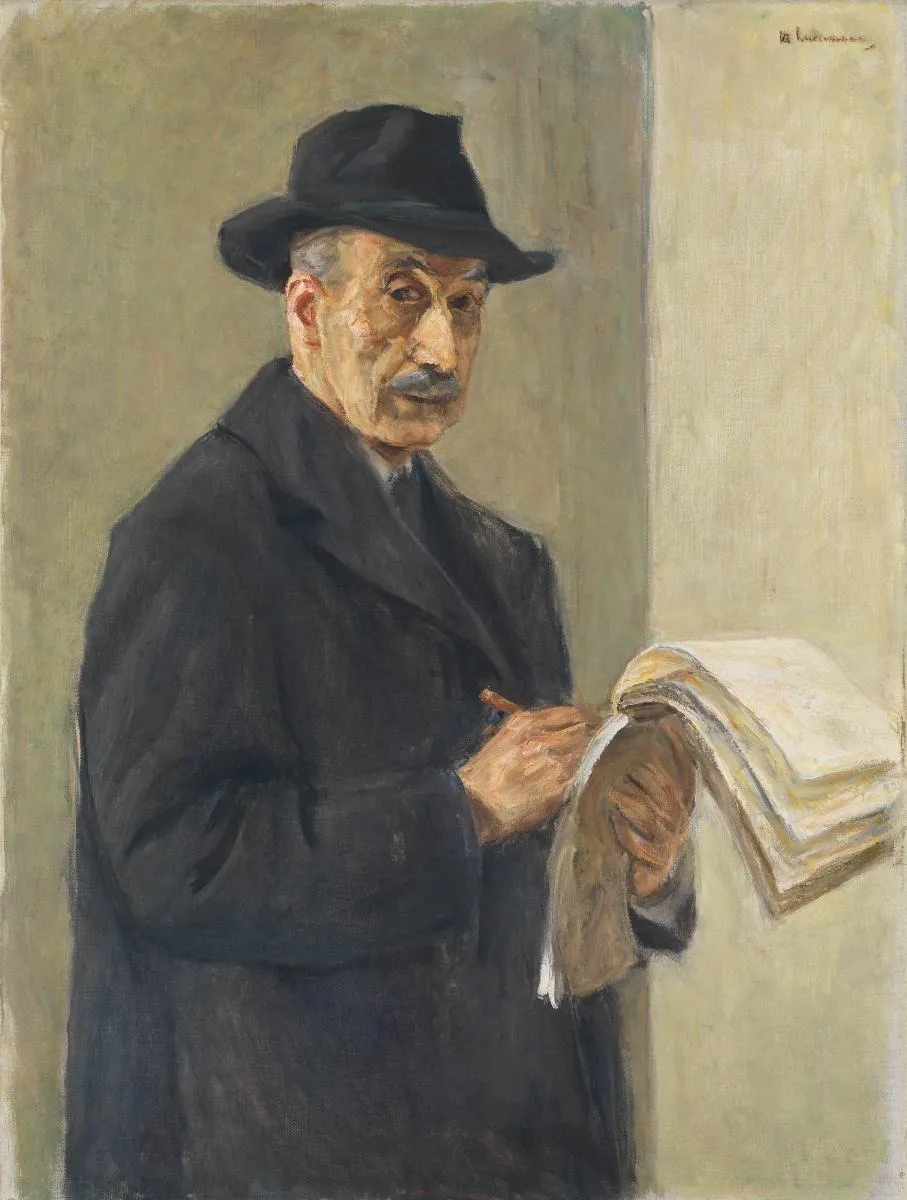
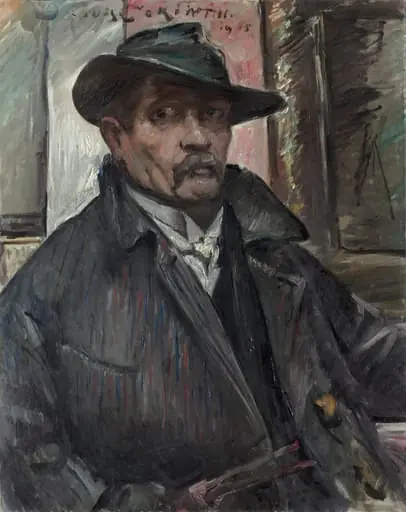
Selbstbildnis im Mantel mit Skizzenblock is an oil painting by the Impressionist artist Max Liebermann. It dates from 1925 and is held in the collection of the Kunsthaus Zürich.
About this work
Overview
Painted in 1925, *Selbstbildnis im Mantel mit Skizzenblock* is an oil on canvas self-portrait by Max Liebermann, capturing him in mid-life as a seasoned artist.
Painted in 1925, *Selbstbildnis im Mantel mit Skizzenblock* is an oil on canvas self-portrait by Max Liebermann, capturing him in mid-life as a seasoned artist. Dressed in a dark overcoat and hat, he holds a sketchbook and pencil, embodying the quiet discipline of his craft. The composition is restrained, with a neutral background and subdued tones that emphasize introspection over theatricality. The work reflects his lifelong commitment to observation and the artist’s daily practice.
Subject & Meaning
The portrait presents Liebermann not as a grand figure, but as a working artist engaged in the act of seeing. The sketchbook and pencil signify his ongoing creative process, suggesting that art-making is a continuous, humble pursuit. His attire—practical, unadorned—aligns with his rejection of romanticized artist stereotypes. The image conveys intellectual seriousness and a dedication to recording the world through direct observation, central tenets of his artistic philosophy.
Technique & Style
Liebermann employs loose, fluid brushwork characteristic of Impressionism, though tempered by a muted palette of grays, browns, and greens. The texture of the coat and the sketchbook is rendered with economy, avoiding excessive detail. Light falls softly across his face and hands, modeling form without harsh contrast. The background’s indistinctness focuses attention on the figure and his tools, reinforcing the painting’s quiet, contemplative tone.
History & Provenance
Created in the final decade of Liebermann’s life, the painting was produced after decades of artistic leadership in Germany. It remained in his possession until his death in 1935. The work entered the collection of Kunsthaus Zürich in 1936, acquired shortly after his passing. Its presence in a Swiss institution reflects the international recognition of his work, even as his reputation in Germany was increasingly strained by political shifts.
Context
By 1925, Liebermann was a respected elder statesman of German art, having championed Impressionism since the 1870s and led the Berlin Secession. Though his style had evolved beyond early plein-air practices, he retained a commitment to modern life as subject matter. This self-portrait emerges in a period of cultural transition, as modernist movements gained ground and traditional institutions faced upheaval—yet Liebermann remained focused on the quiet rituals of artistic work.
Legacy
The painting endures as a testament to Liebermann’s belief in art as a disciplined, daily practice. It stands apart from more flamboyant self-representations of his contemporaries, offering instead a sober, unembellished view of the artist at work. Its preservation in Kunsthaus Zürich ensures its accessibility to audiences beyond Germany, affirming his role as a bridge between French Impressionism and Central European modernism.
Artist & collection
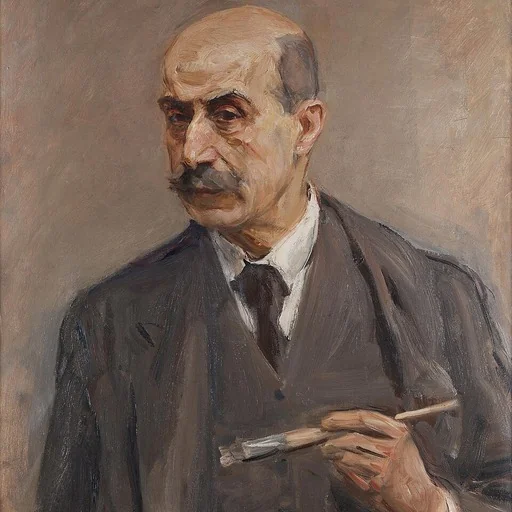
Artist
Max Liebermann (20 July 1847 – 8 February 1935) was a German painter and printmaker, and one of the leading proponents of Impressionism in Germany and continental Europe.

 Fritz H. Frølich
 Self-Portrait with Hands in Pockets
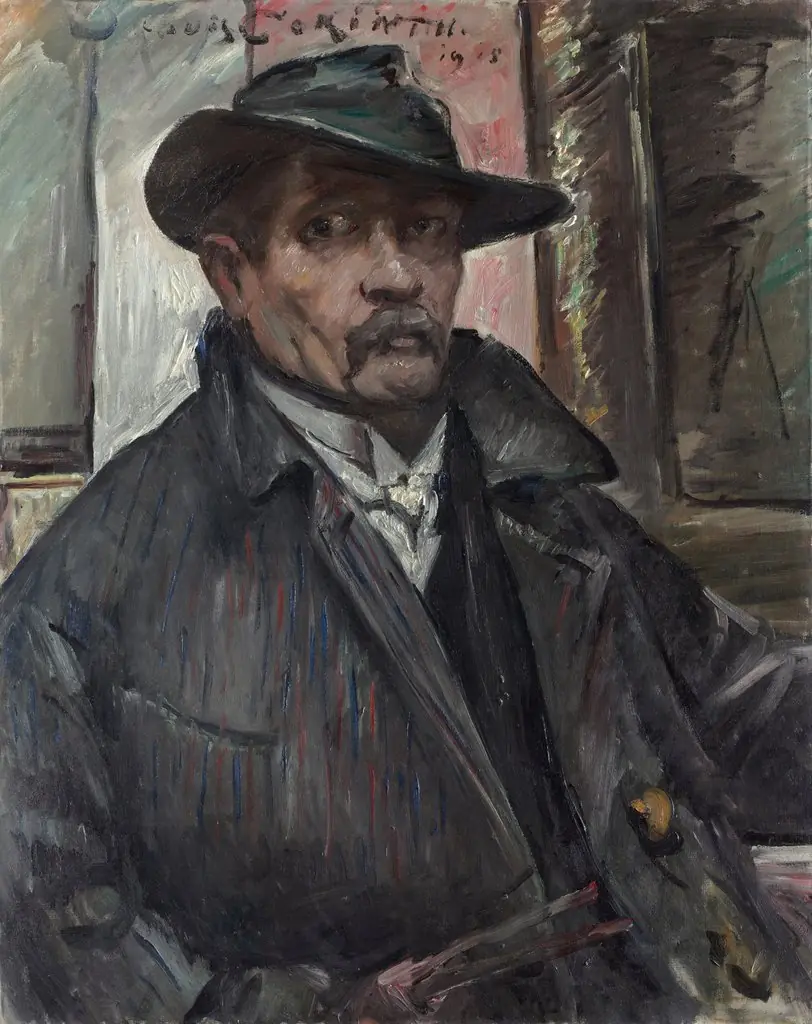 Self-Portrait with Hat and Coat
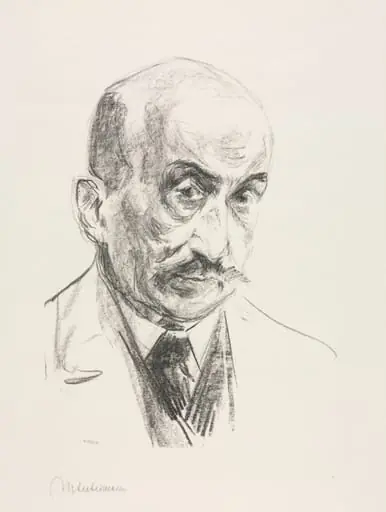 Self-Portrait
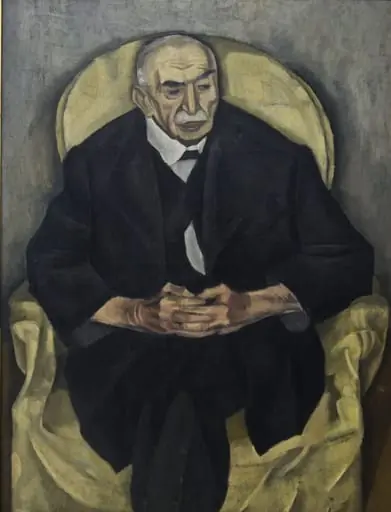 Profesorul oftalmolog dr. Leopold Kügel (1839-1915)
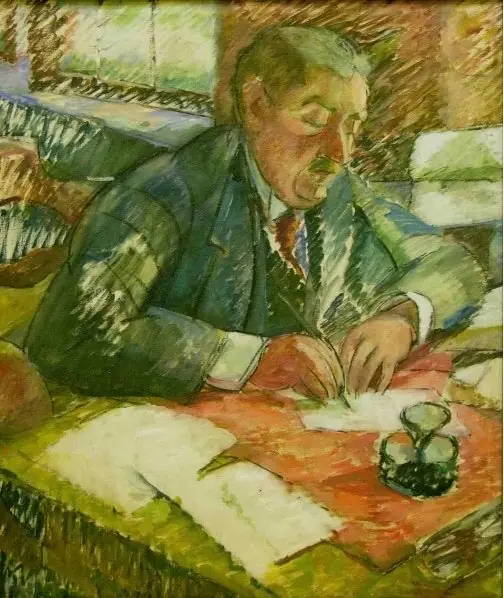 Porträt August Wilhelm Hunzinger
 Self-Portrait with Hat and Coat
 Self-portrait
 Self-Portrait
 Bildnis Professor Beuttner
 Tehtailija August Keirknerin muotokuva
 The Gardener Vallier