Artwork
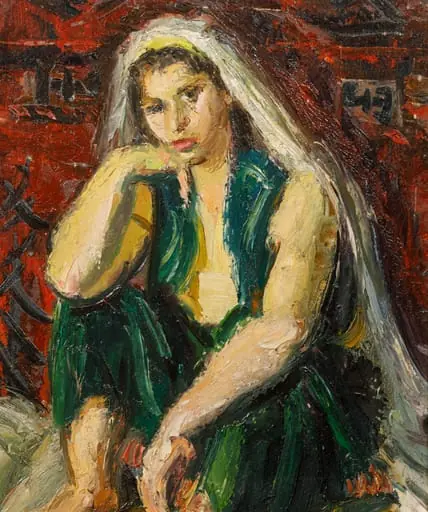
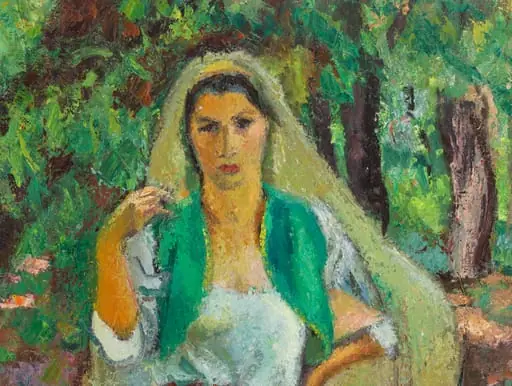
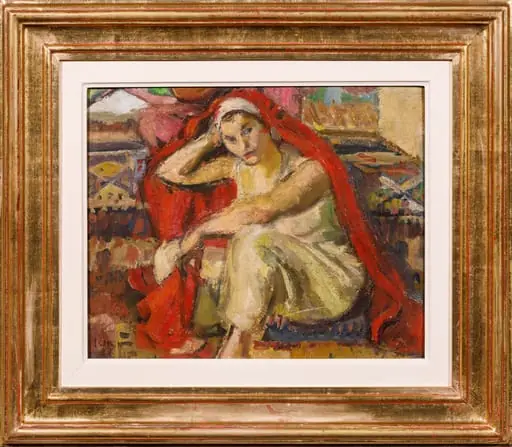
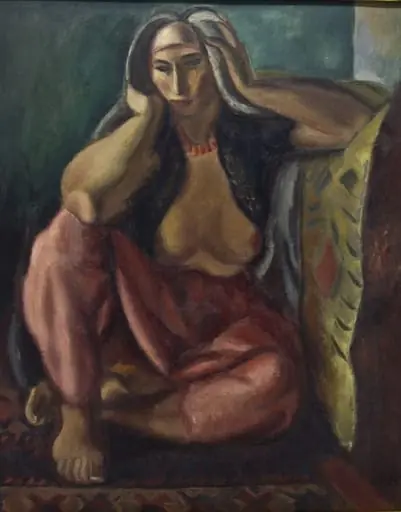
Tătăroaică cu țibulcă (Odaliscă)
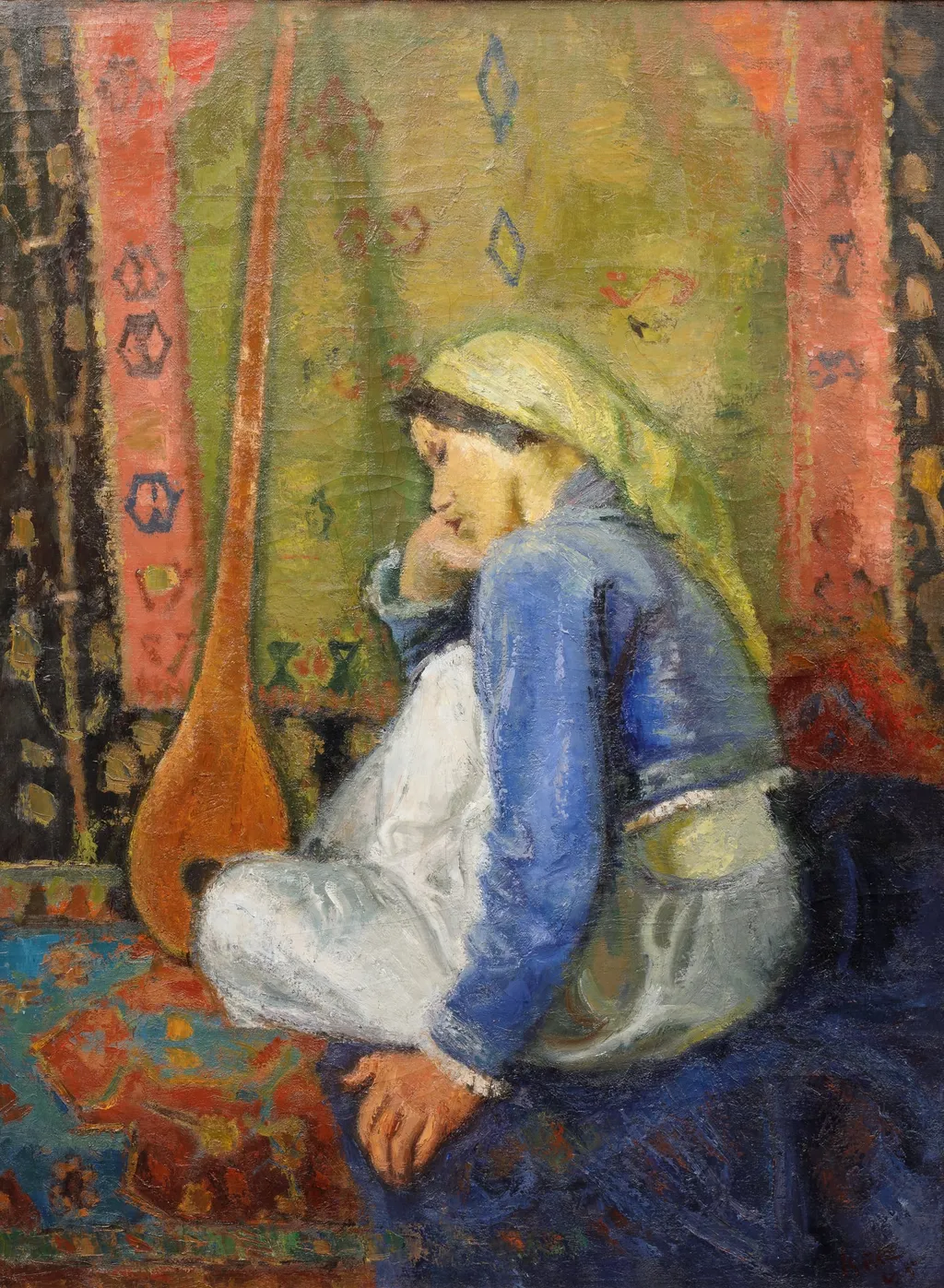
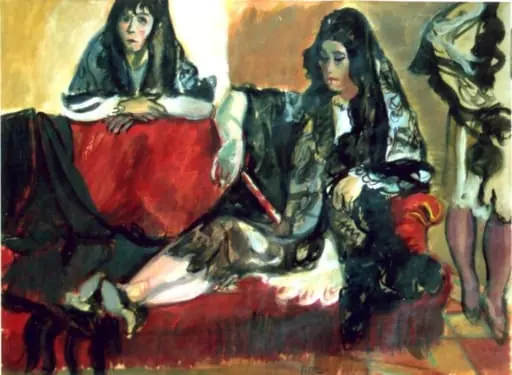
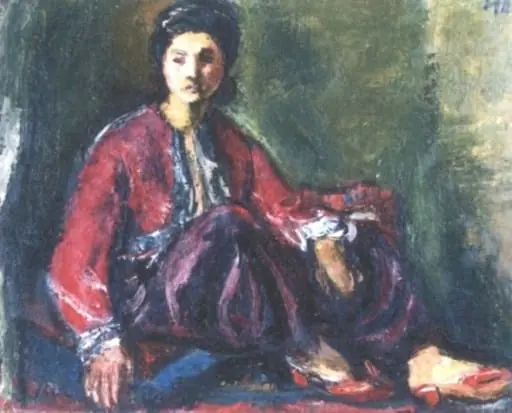
Tătăroaică cu țibulcă (Odaliscă) is a print by Iosif Iser. It dates from 1945 and is held in the collection of the National Museum of Art of Romania.
About this work
Overview
The composition centers on her figure, rendered with minimal detail and no background distraction, emphasizing the textile and object she holds.
Tătăroaică cu țibulcă (Odaliscă), created in 1945 by Iosif Iser, is a linocut print depicting a woman from Romania’s rural communities. The composition centers on her figure, rendered with minimal detail and no background distraction, emphasizing the textile and object she holds. The work belongs to a postwar effort to document and preserve regional visual traditions through accessible graphic media.
Subject & Meaning
The subject is a woman dressed in a traditional embroidered blouse, holding a small clay pipe—common in certain rural communities. Her composed expression and relaxed posture suggest quiet dignity rather than performance. The pipe, often associated with daily ritual, and the intricate embroidery together frame her identity as rooted in local customs, not exoticism or idealization.
Technique & Style
Iser employed linocut printing with clean, unmodulated lines to define the blouse’s floral motifs and the woman’s form. Shading is absent; volume is suggested through contour and pattern repetition. The flat, graphic style prioritizes clarity and symbolic detail over realism, aligning with mid-century printmaking trends focused on cultural documentation rather than decorative flourish.
History & Provenance
Created in 1945, the print emerged during a period when Romanian artists actively recorded folk life amid political change. Iser, known for his interest in ethnographic subjects, produced this work as part of a broader movement to preserve regional aesthetics through reproducible art. It likely circulated in cultural circles and was later acquired by institutions focused on national heritage.
Context
In the mid-1940s, Romania saw renewed interest in folk traditions as a means of cultural continuity after wartime disruption. Artists like Iser turned to printmaking to reach wider audiences with images of rural life. This work reflects a deliberate effort to elevate everyday objects and dress as markers of identity, countering urban modernization with visual reminders of heritage.
Legacy
The print remains a reference point in discussions of Romanian graphic art and ethnographic representation. It is held in the Museum of Ethnography in Bucharest, where it contributes to exhibitions on traditional dress and material culture. Its enduring presence underscores its role as a quiet but persistent record of a vanishing way of life.
Artist & collection