Artwork
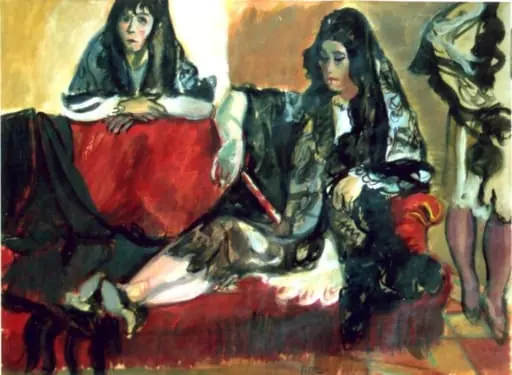
Trei turcoaice cu instrumente muzicale
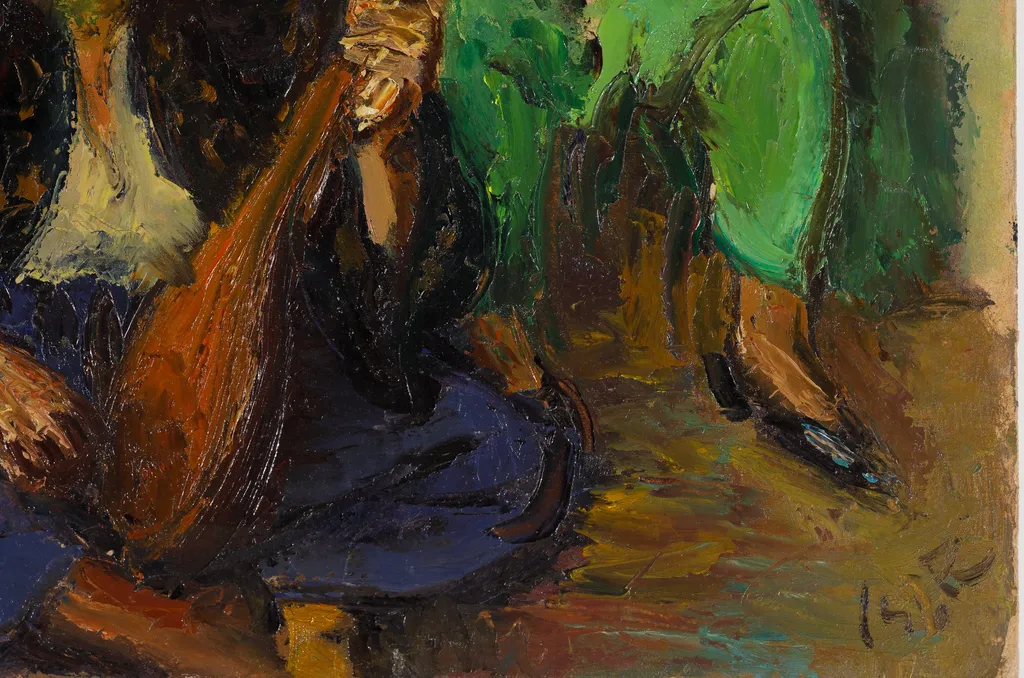
Trei turcoaice cu instrumente muzicale is a print by Iosif Iser. It dates from 1850 and is held in the collection of the National Museum of Art of Romania.
About this work
Overview
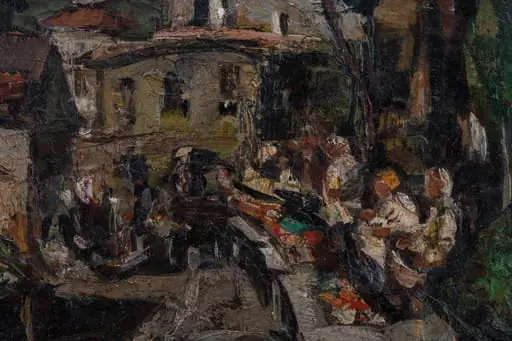
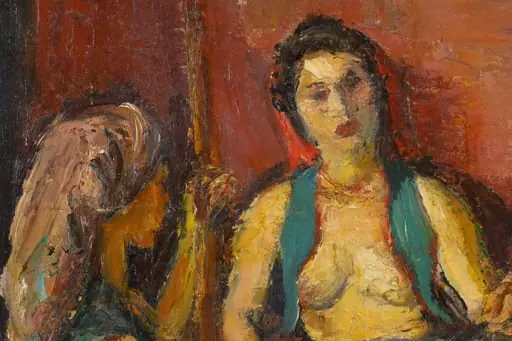
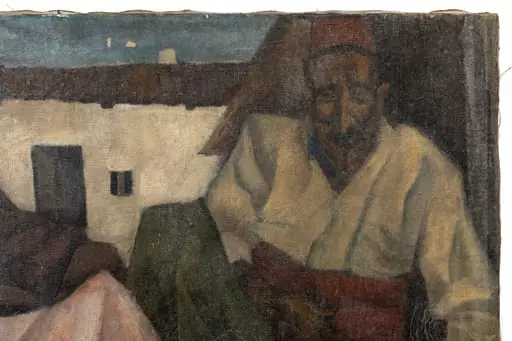
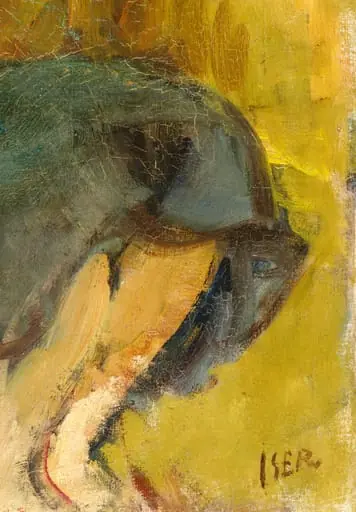
Painted around 1850 by Iosif Iser, this work portrays three women engaged with musical instruments in a quiet, interior setting.
Painted around 1850 by Iosif Iser, this work portrays three women engaged with musical instruments in a quiet, interior setting. The composition centers on their stillness rather than performance, emphasizing presence over action. The figures are arranged in a balanced, horizontal line, their postures suggesting a moment of pause. The warm, muted background enhances the focus on the figures and their instruments, reinforcing a contemplative atmosphere.
Subject & Meaning
The three women, dressed in elaborately patterned robes, are depicted with no clear narrative context, inviting interpretation rather than storytelling. Their instruments—possibly a harp, a lute-like stringed instrument, and a flute—suggest a cultural or regional musical tradition, though their exact identities remain ambiguous. The absence of audience or activity implies an inward, personal ritual, perhaps tied to memory, heritage, or private devotion.
Technique & Style
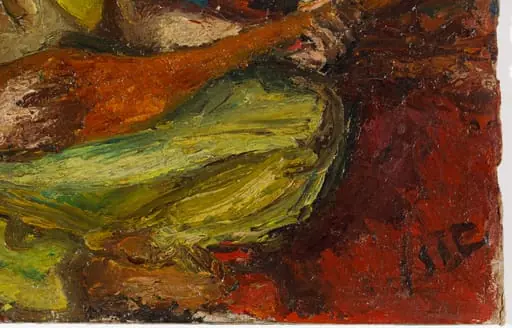
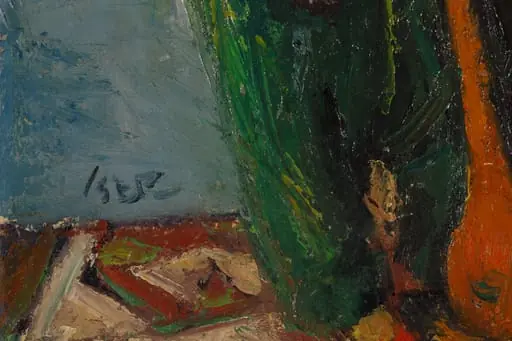
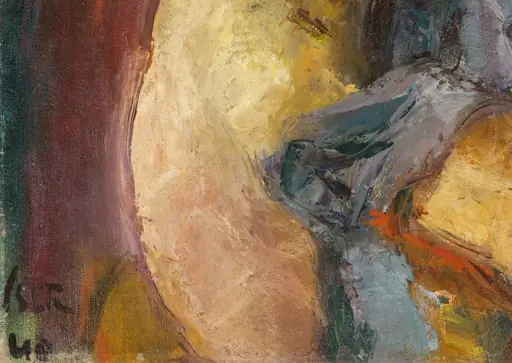
Iser employs soft, blended brushwork to render fabric and skin, avoiding sharp contours in favor of gentle transitions. The palette is restrained, dominated by earth tones with subtle accents of green and blue in the background. Light falls evenly across the figures, minimizing shadows and enhancing the calm, diffused mood. The textures of the garments are suggested rather than meticulously detailed, prioritizing emotional tone over realism.
History & Provenance
The painting originates from Iser’s early period, likely created during his formative years in Romania before his later association with academic circles in Vienna. It was not widely exhibited during his lifetime and remained in private hands for much of the 19th and 20th centuries. Its current location and ownership history are not fully documented, but it is recognized as part of his lesser-known, intimate works.
Context
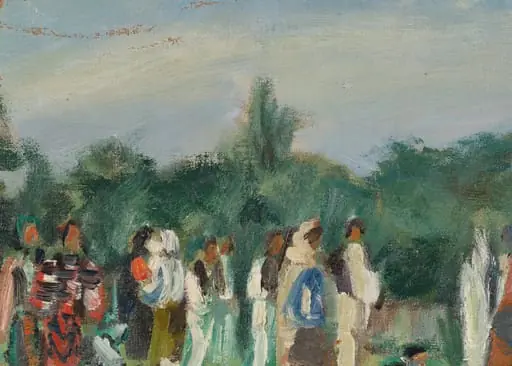
Created during a time of growing national consciousness in Romanian art, the painting reflects an interest in folk life and domestic scenes, though without overt political messaging. Iser’s focus on quiet, everyday moments aligns with broader European trends toward genre painting, yet his treatment avoids sentimentality. The depiction of musical instruments may reference local traditions, though the figures’ attire and setting remain deliberately vague.
Legacy
Though not among Iser’s most reproduced works, this painting contributes to understanding his quieter, more introspective side. It stands apart from his later, more formal portraits and historical scenes, revealing an early sensitivity to atmosphere and gesture. Scholars note its significance as an example of Romanian art that prioritizes mood over spectacle, influencing later generations interested in psychological depth over narrative clarity.
Artist & collection