Artwork
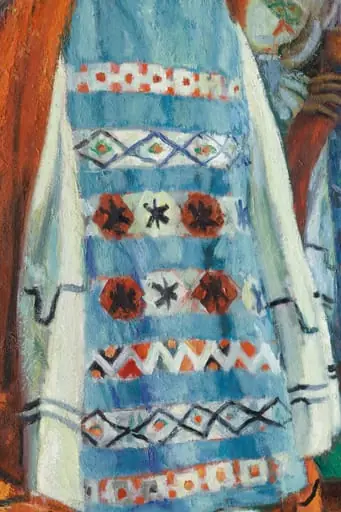
Țărani - fragment
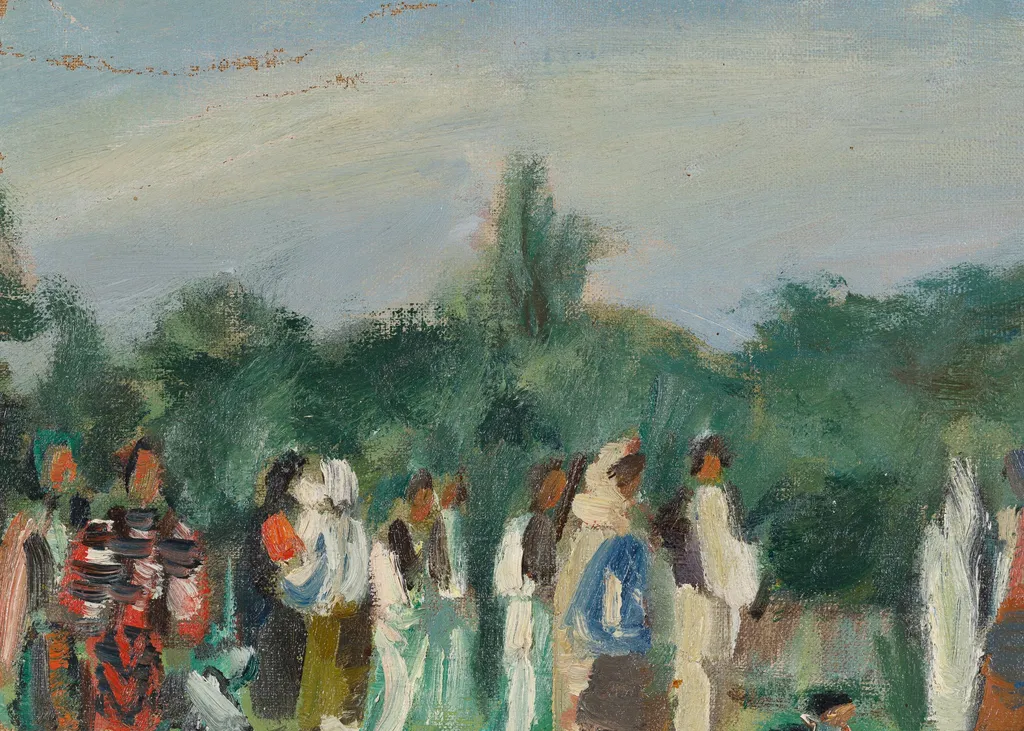
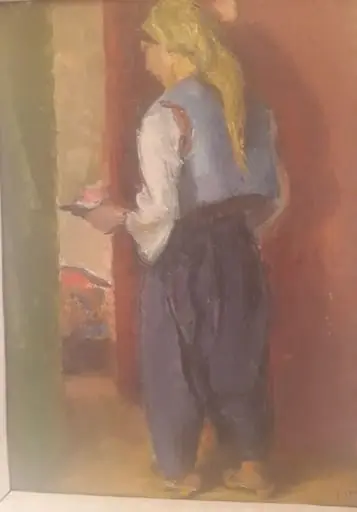
Țărani - fragment is an unspecified painting by Iosif Iser. It dates from 1850 and is held in the collection of the National Museum of Art of Romania.
About this work
Overview
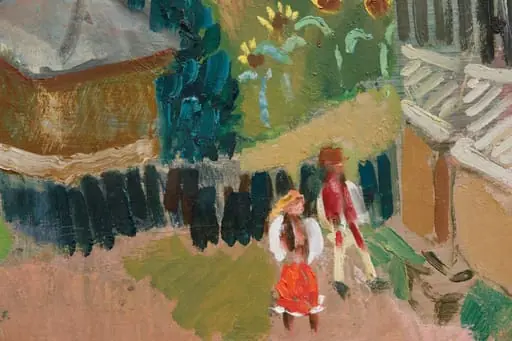
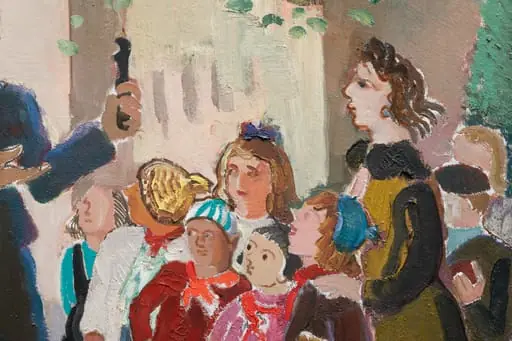
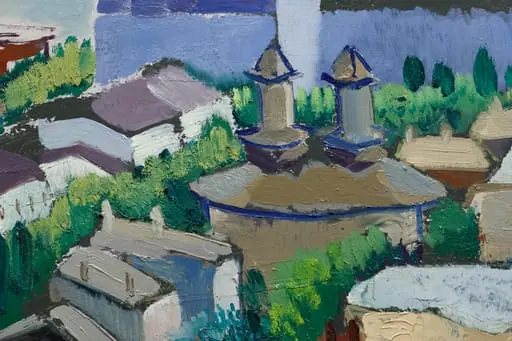
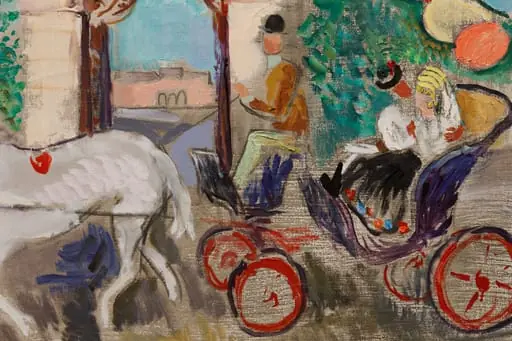
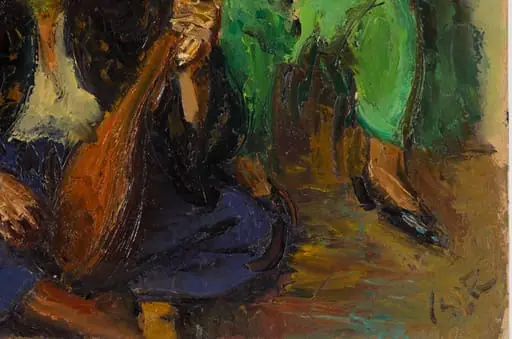
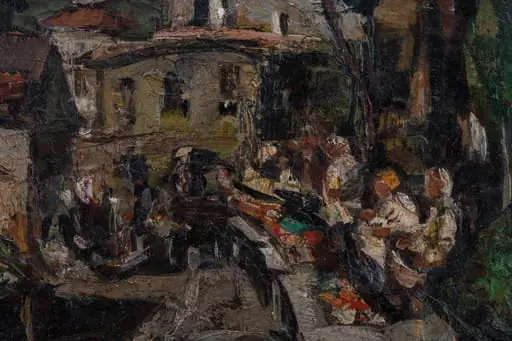
This fragmentary painting by Romanian artist Iosif Iser dates to approximately 1850. Executed in oil, it depicts a gathering of rural figures positioned outdoors. The composition centers on the human subjects, rendered with pronounced brushwork and a vivid palette that includes reds, blues, and greens. The background, though secondary, features trees and a muted sky.
Subject & Meaning
The work portrays a cluster of peasants, their postures and proximity suggesting communal or familial bonds. The setting—likely a village or agricultural landscape—evokes themes of rural life, labor, or social tradition. While the fragmentary nature of the piece limits narrative clarity, the figures’ direct engagement with the viewer invites consideration of their lived experience.
Technique & Style
This approach imparts a tactile, almost sculptural quality to the surface, emphasizing the physicality of the medium.
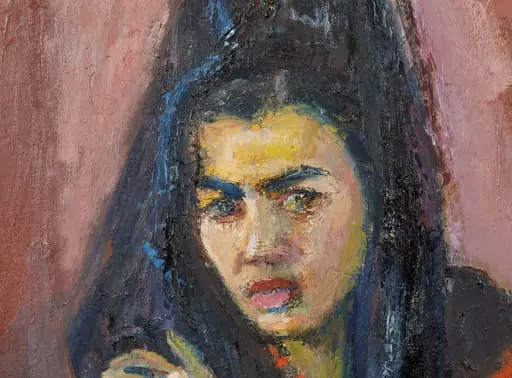
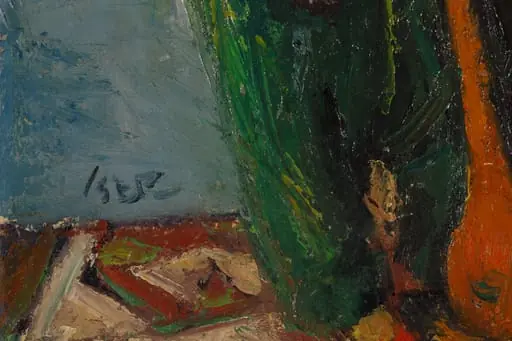
Iser employed impasto, a method characterized by thick, textured layers of paint applied with visible strokes. This approach imparts a tactile, almost sculptural quality to the surface, emphasizing the physicality of the medium. The bold, unblended colors and energetic brushwork align with techniques seen in late 19th-century European painting, particularly among artists exploring immediacy and emotional expression.
History & Provenance
Created around 1850, the painting’s early ownership and exhibition history remain undocumented. Its fragmentary state suggests it may have been excised from a larger composition or suffered damage over time. As with many works from this period, its trajectory through private collections or institutions prior to recent study is unclear.
Context
The painting emerges from a period in which Romanian artists increasingly turned to rural subjects, reflecting broader European trends in realism and regional identity. Iser’s work coincides with efforts to depict peasant life with authenticity, though his stylistic choices—particularly the impasto technique—also signal engagement with modernist tendencies in brushwork and color.
Artist & collection
Artist
Iosif Iser painted everyday life with a focus on people and places. His 1933 work *Paris. Strada Mouffetard* shows a lively street scene in Paris, while *Nud pe fotoliu* depicts a seated nude figure. His brushwork…