Artwork
The Painter Franz Courtens
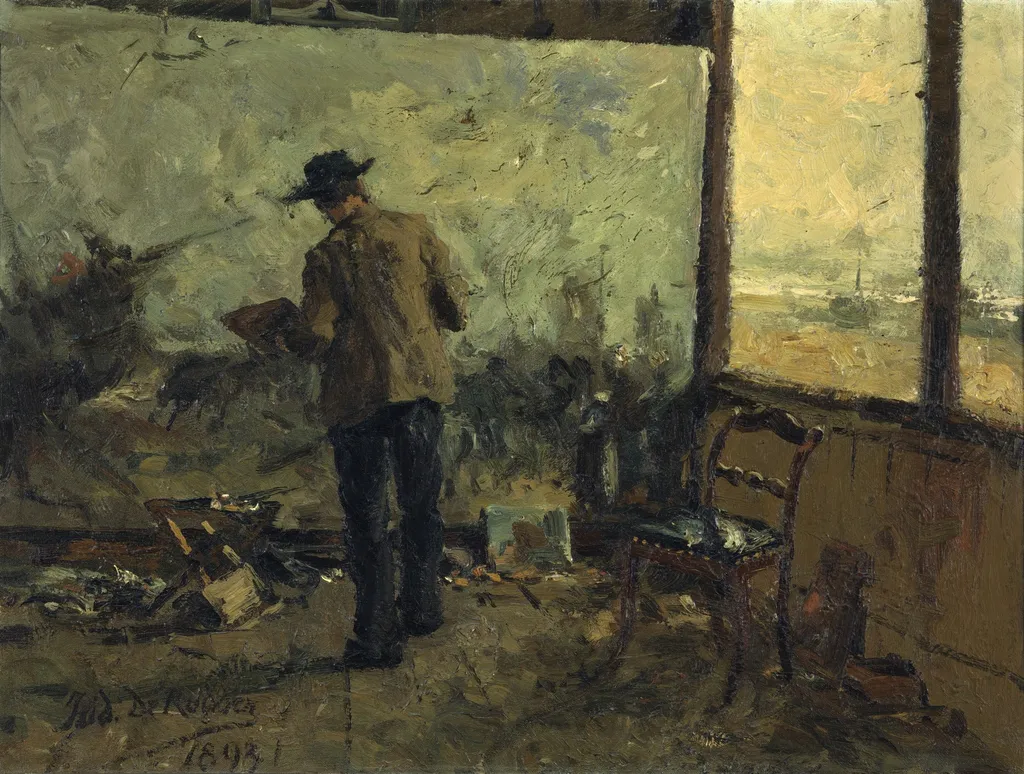
The Painter Franz Courtens is an oil painting by Isidore De Rudder. It dates from 1897 and is held in the collection of the Royal Museum of Fine Arts Antwerp.
About this work
Overview
Isidore De Rudder’s oil portrait, completed in 1897, presents the Belgian painter Franz Courtens within his own studio. The work resides in the collection of the Royal Museum of Fine Arts in Antwerp and offers a glimpse of the artist at work, captured by a contemporary colleague.
Subject & Meaning
The figure shown is Courtens himself, standing before a large easel that holds an unfinished canvas. Dressed in dark trousers, a light‑colored shirt and a hat, he appears absorbed in the act of painting, suggesting a meditation on the creative process and the artist’s relationship to his work environment.
Technique & Style
De Rudder employs a restrained palette of muted tones, allowing the light to fall softly across the studio walls and illuminate the central figure. The composition is organized around the dominant easel, creating depth through subtle gradations of color and careful handling of shadow, characteristic of late‑19th‑century academic portraiture.
History & Provenance
Created toward the end of the 19th century, the portrait entered the Royal Museum of Fine Arts Antwerp’s holdings, where it remains on display. Its provenance reflects the museum’s focus on documenting the network of Belgian artists active during that period.
Context
The painting emerges from a period when artists often depicted each other in studio settings, emphasizing camaraderie and shared practice. As a contemporary of Courtens, De Rudder’s work records not only an individual likeness but also the broader milieu of Belgian art circles in the 1890s.
Own this work as a print
Artist & collection
Artist
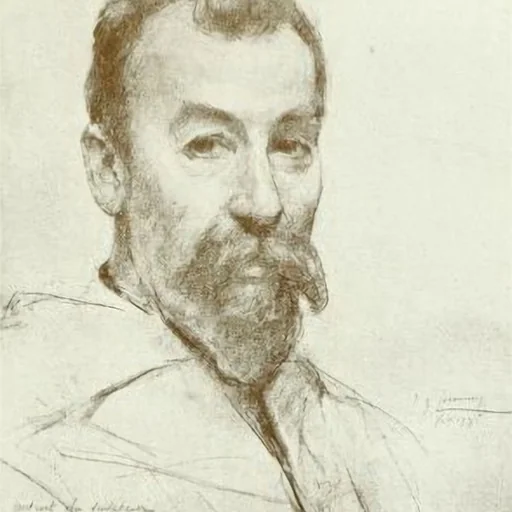
Isidore De Rudder (1855–1943) was an artist, born in Brussels metropolitan area.

 În atelier
 The Studio of Ferdinand De Braekeleer I, Father of the Painter
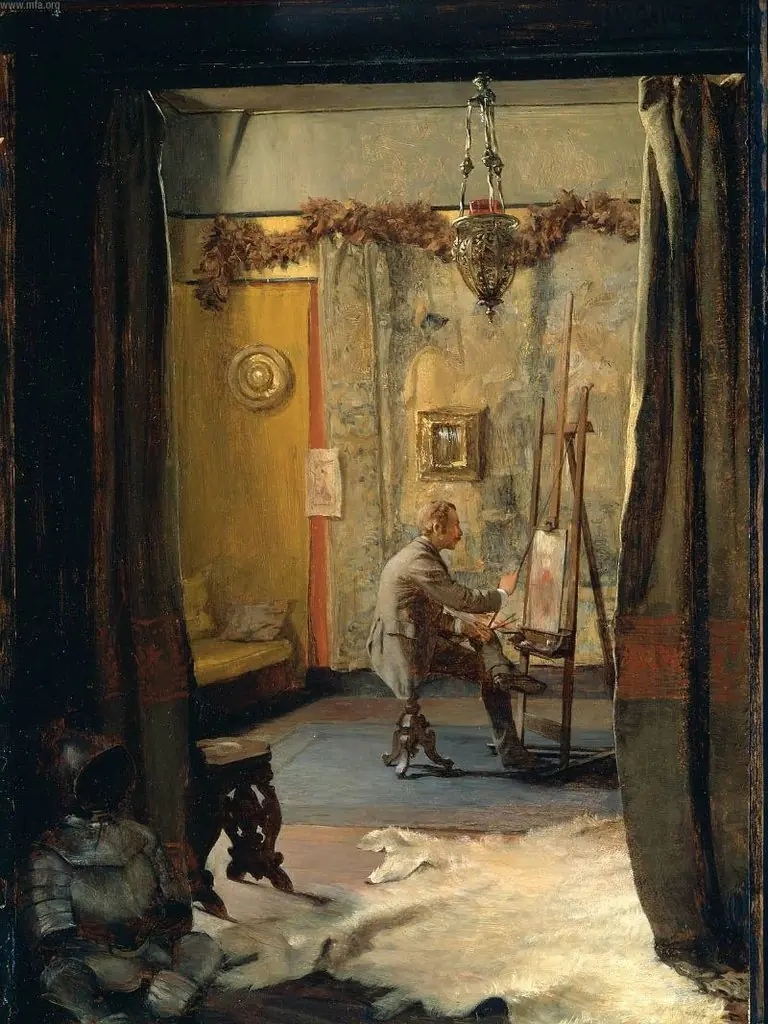 His Studio
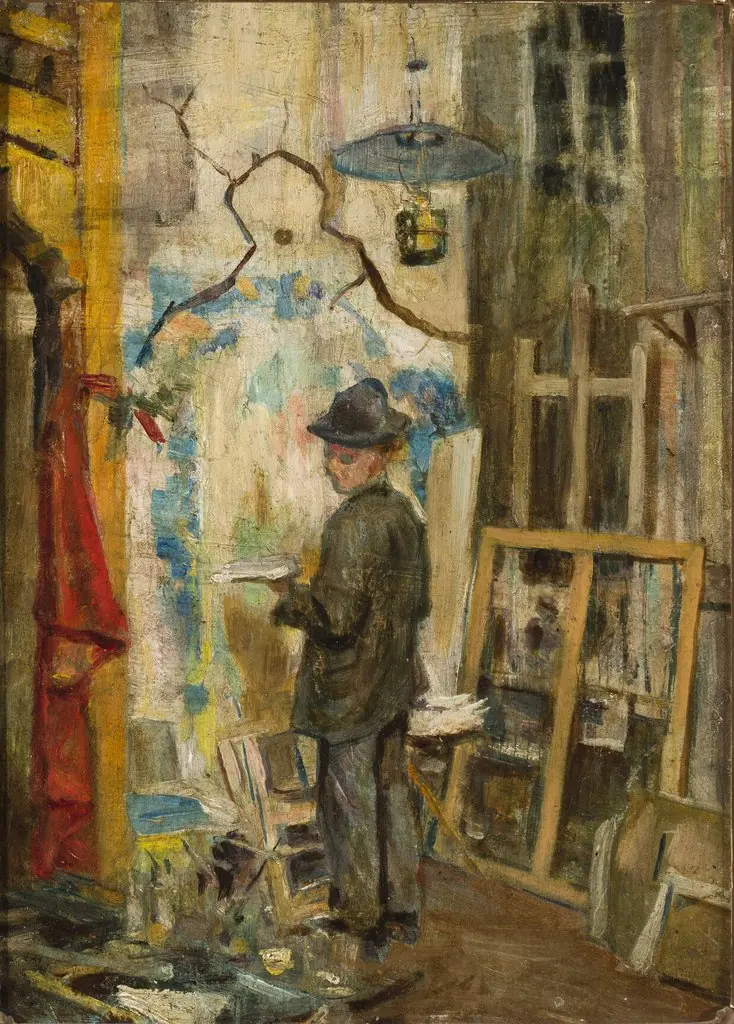 Józef Mehoffer in the studio
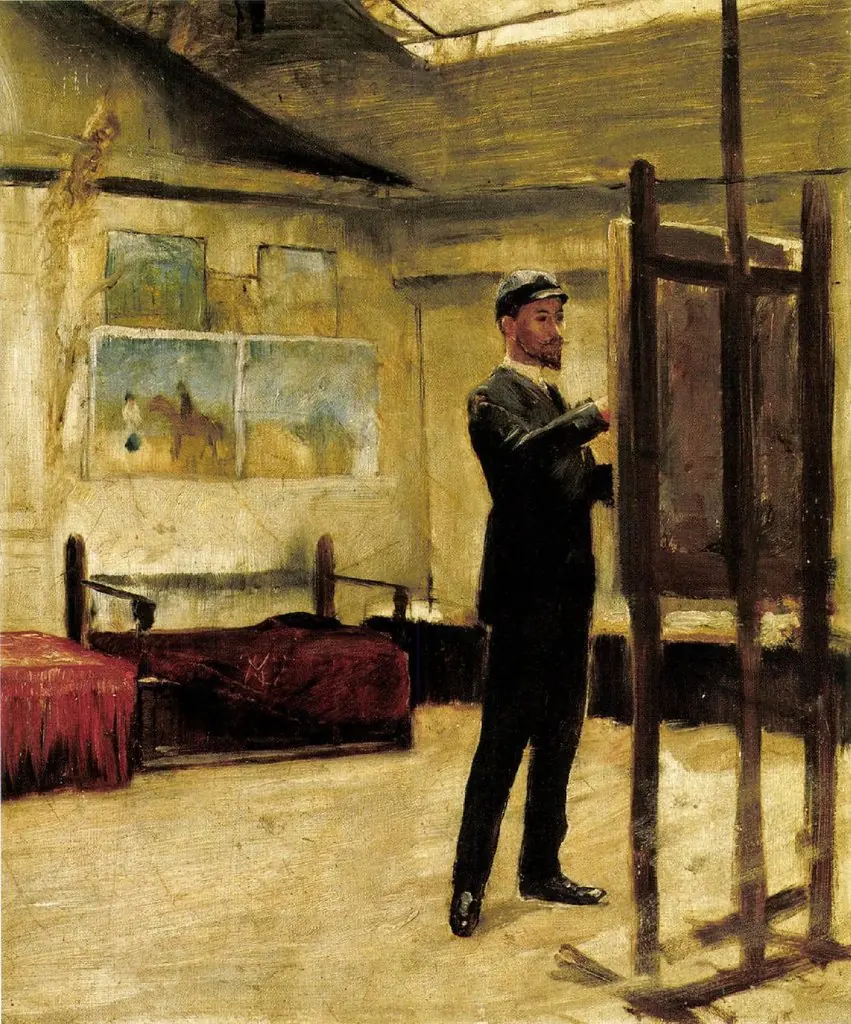 Self-portrait in the Studio
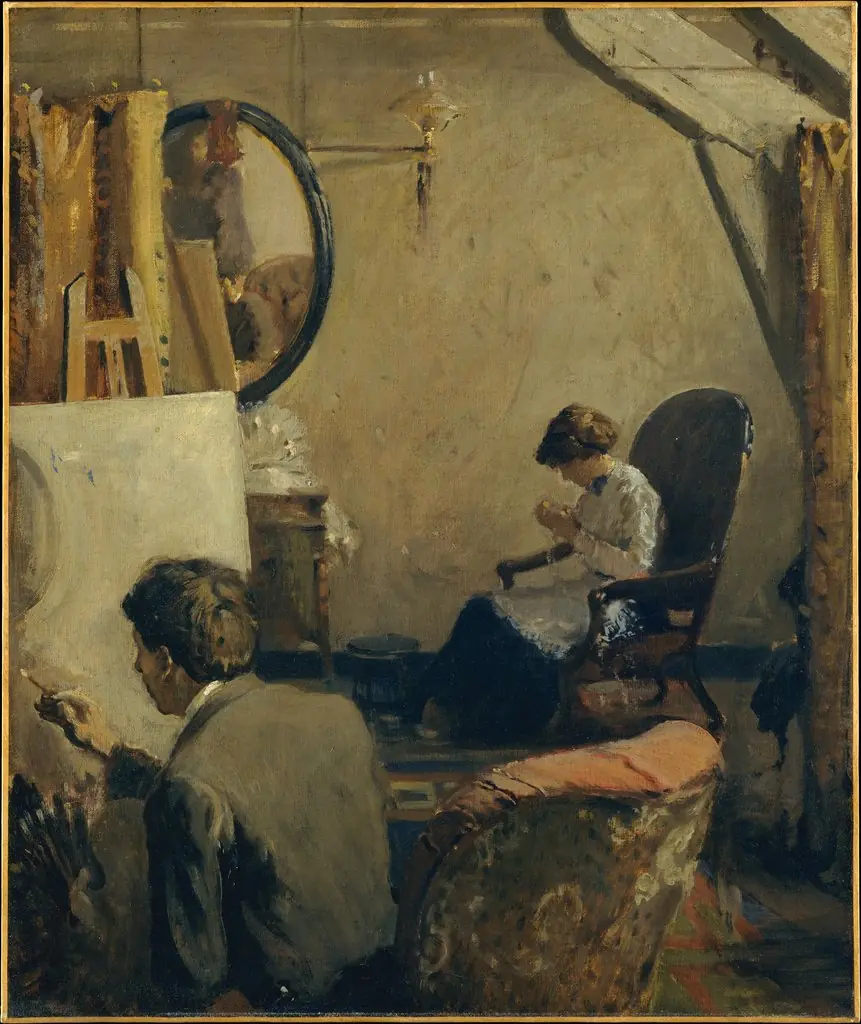 Louis Kronberg in His Studio in Copley Hall
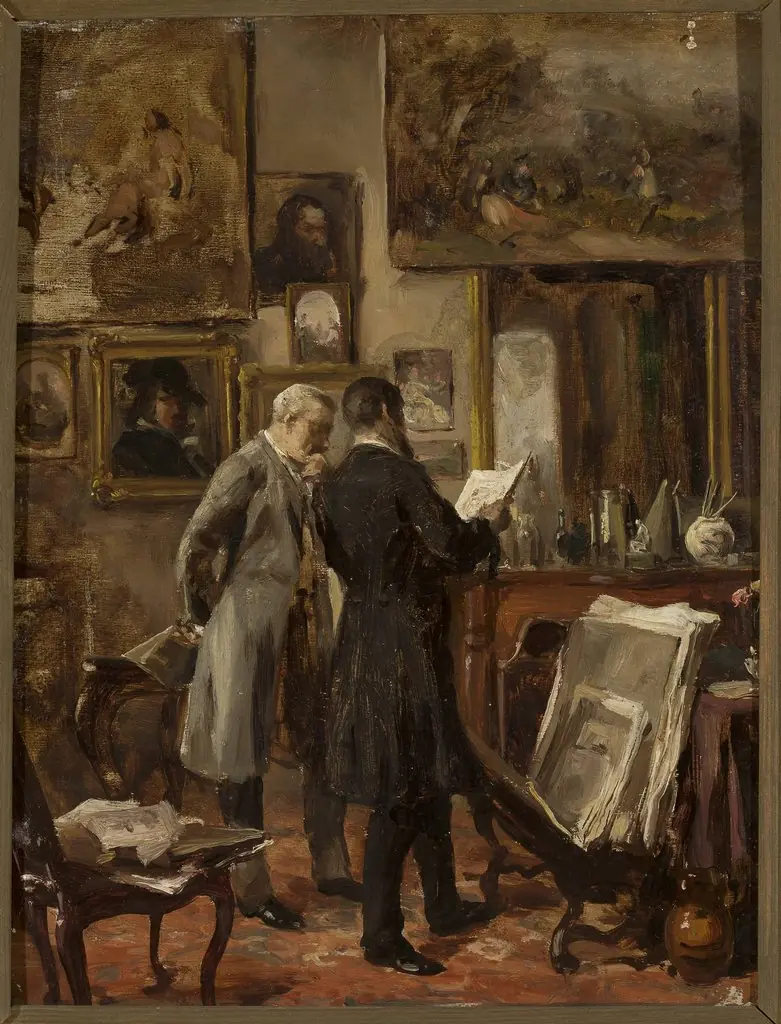 In the painter's studio
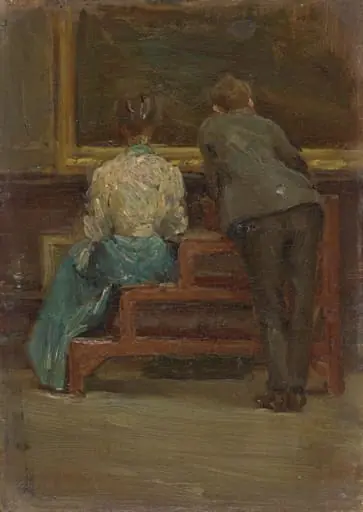 Charles Sheeler and Nina Allender
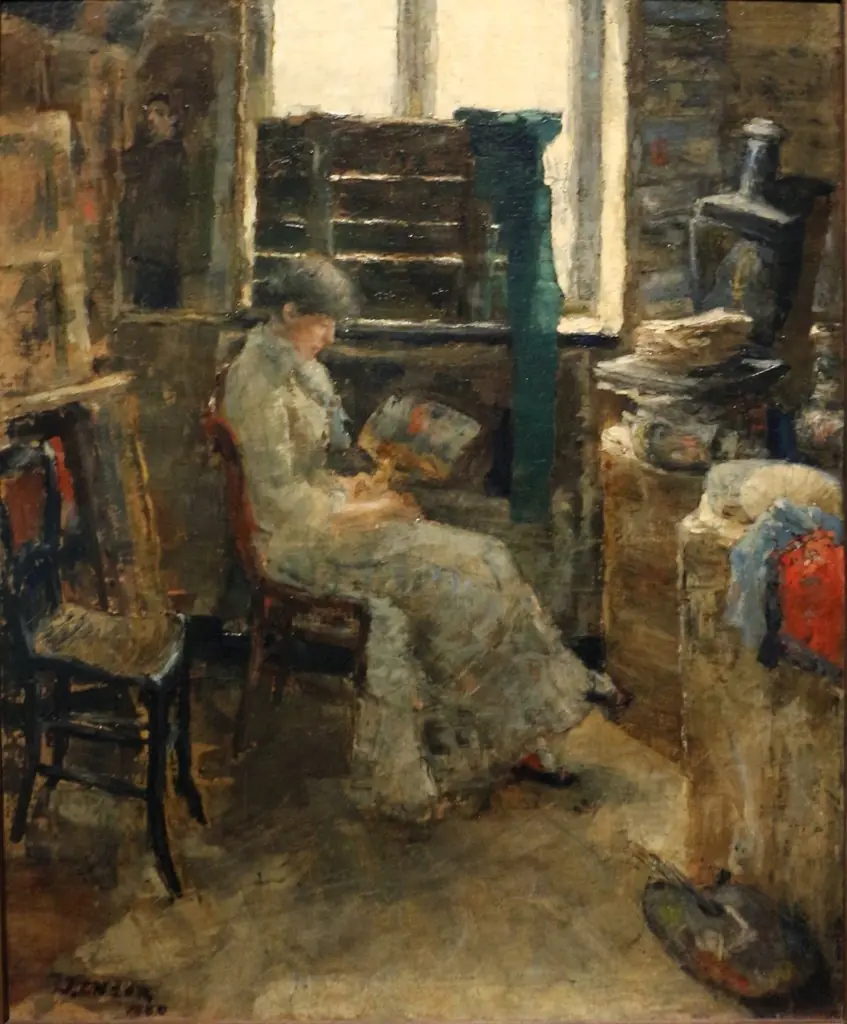 A Colourist
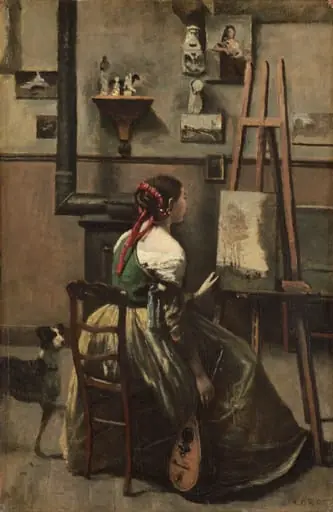 Corot's Studio: Woman Seated Before an Easel, a Mandolin in her Hand
 De zandschipper
 Self-Portrait