Artwork
În atelier
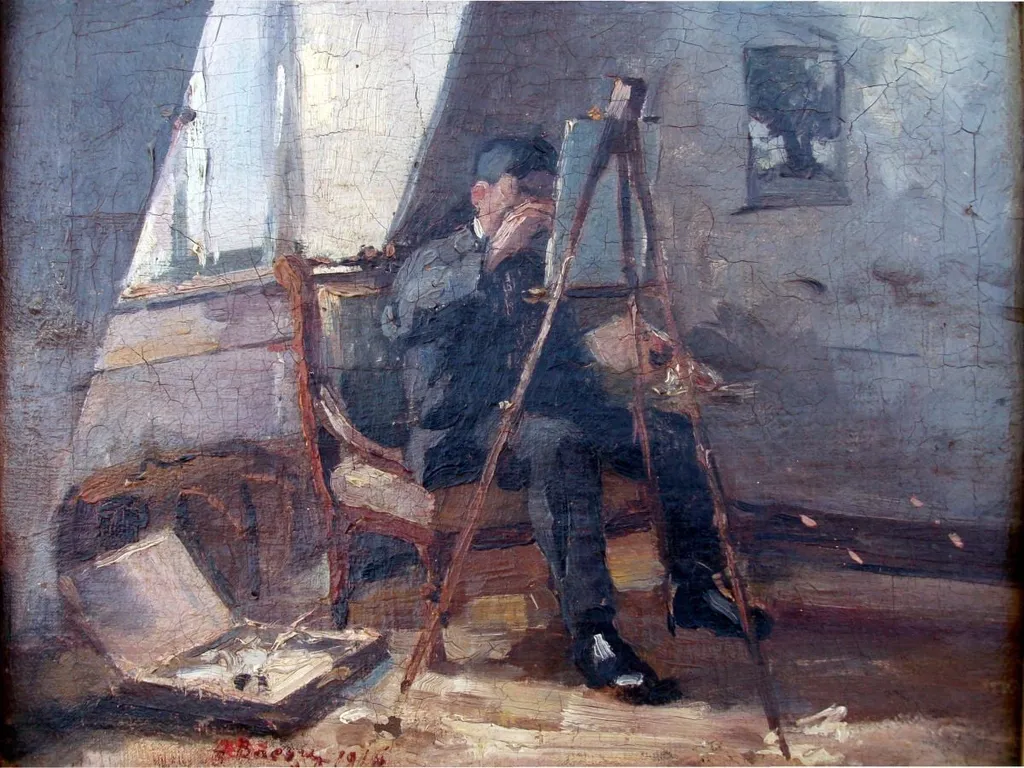
În atelier is a print by Aurel Băeșu. It dates from 1916 and is held in the collection of the Neamț National Museum Complex.
About this work
Overview
A Romanian painter active in the early 20th century, Băeșu was part of a generation shaped by the naturalism of Nicolae Grigorescu.
Aurel Băeșu painted *În atelier* in 1916, capturing a moment of artistic labor within a modest studio. A Romanian painter active in the early 20th century, Băeșu was part of a generation shaped by the naturalism of Nicolae Grigorescu. The work reflects his interest in quiet, interior scenes and the solitary act of creation. It is now held in the Museum of Ethnography’s collection, where it stands as a record of artistic practice in interwar Romania.
Subject & Meaning
The painting portrays a male figure seated before an easel, absorbed in the act of painting. Dressed in dark clothing, his posture conveys concentration rather than performance. The empty chair opposite suggests a space for observation or collaboration, while the small framed image on the wall hints at influences or references. The scene avoids drama, instead emphasizing the stillness and introspection inherent in artistic work.
Technique & Style
Băeșu employed a restrained palette and soft brushwork to render the studio interior, emphasizing natural light filtering through the left-side window. The wooden floor and simple furnishings are rendered with subtle tonal variations, avoiding sharp definition. His approach aligns with Impressionist sensibilities, prioritizing atmosphere over detail, and capturing the quiet interplay of light and shadow within an intimate space.
History & Provenance
Created during World War I, *În atelier* was produced in a period of cultural consolidation in Romania. Băeșu, who died young in 1928, left behind a limited body of work. The painting entered the Museum of Ethnography’s holdings, likely through institutional acquisition or donation, where it has remained as part of a broader collection documenting Romanian domestic and artistic life.
Context
Băeșu’s work emerged alongside a broader Romanian artistic movement that sought to define a national visual language rooted in everyday experience. Influenced by Grigorescu’s emphasis on light and ordinary subjects, he turned away from academic grandeur toward intimate, unadorned scenes. *În atelier* reflects this shift, positioning the artist’s studio as a site of quiet dignity rather than public spectacle.
Legacy
Though Băeșu’s career was brief and his output small, *În atelier* endures as a representative example of early 20th-century Romanian interior painting. It offers insight into the private rituals of artists during a time of national transformation. The work’s preservation in a museum of ethnography underscores its value not merely as art, but as a document of cultural practice.
Artist & collection
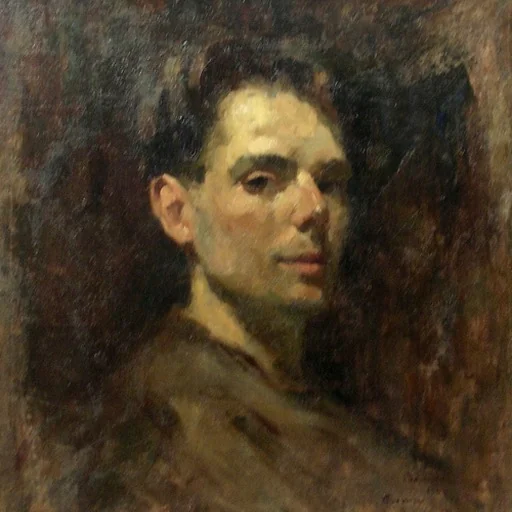
Artist
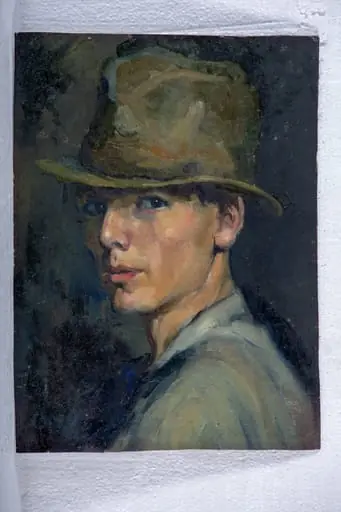
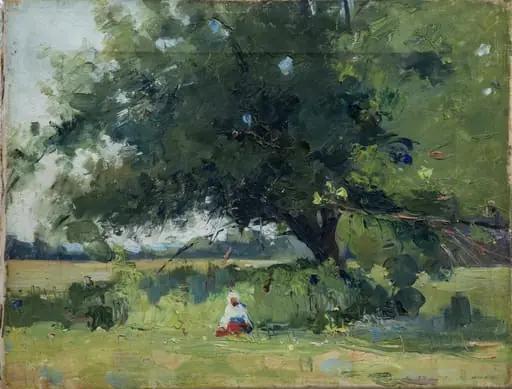
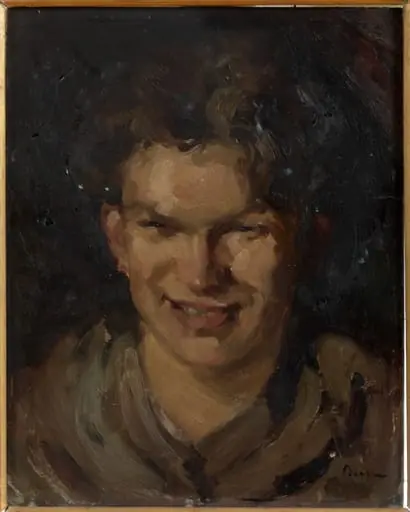
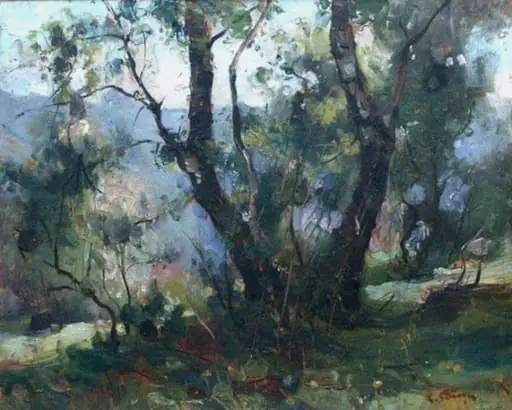
Aurel Băeșu (26 May 1896 – 24 August 1928) was a Romanian Impressionist landscape and portrait painter. Many of his works show the influence of Nicolae Grigorescu; an influence that was common among painters of his generation.
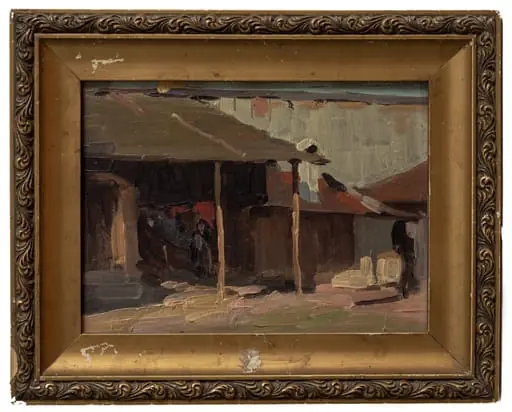
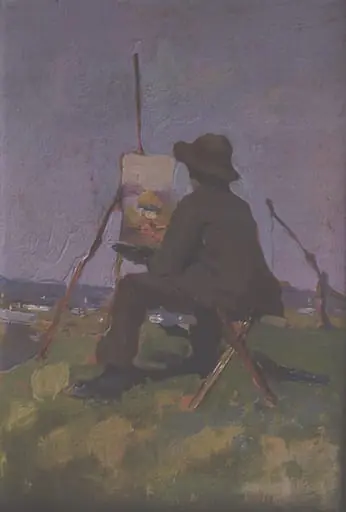 Pictor lucrând
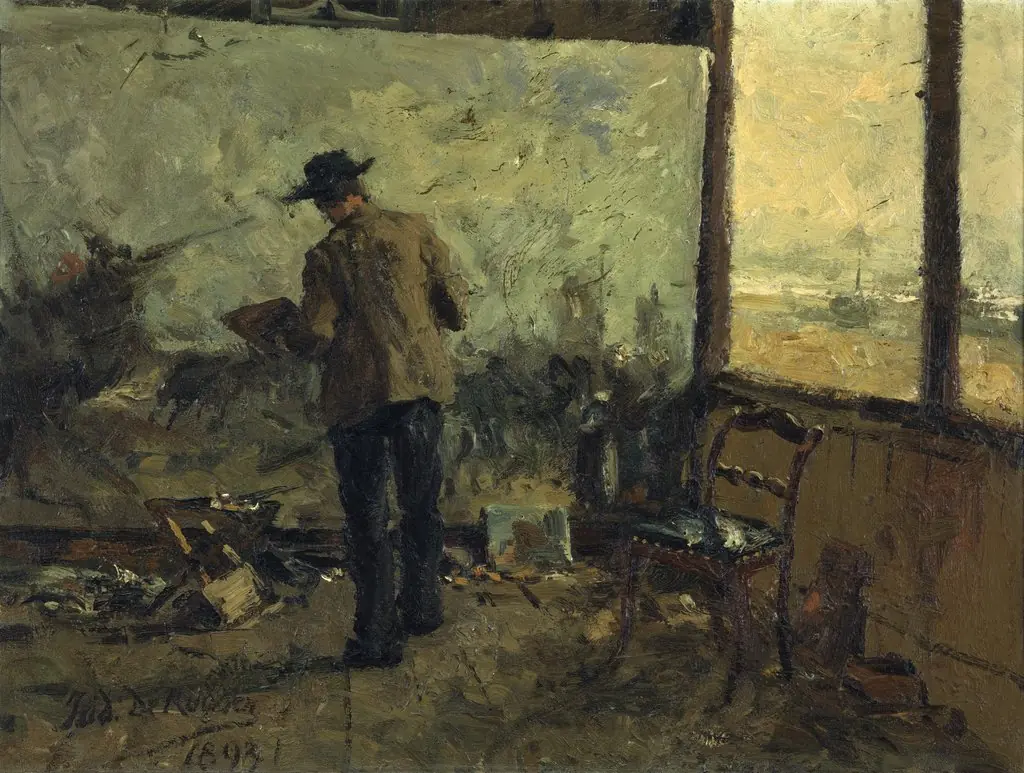 The Painter Franz Courtens
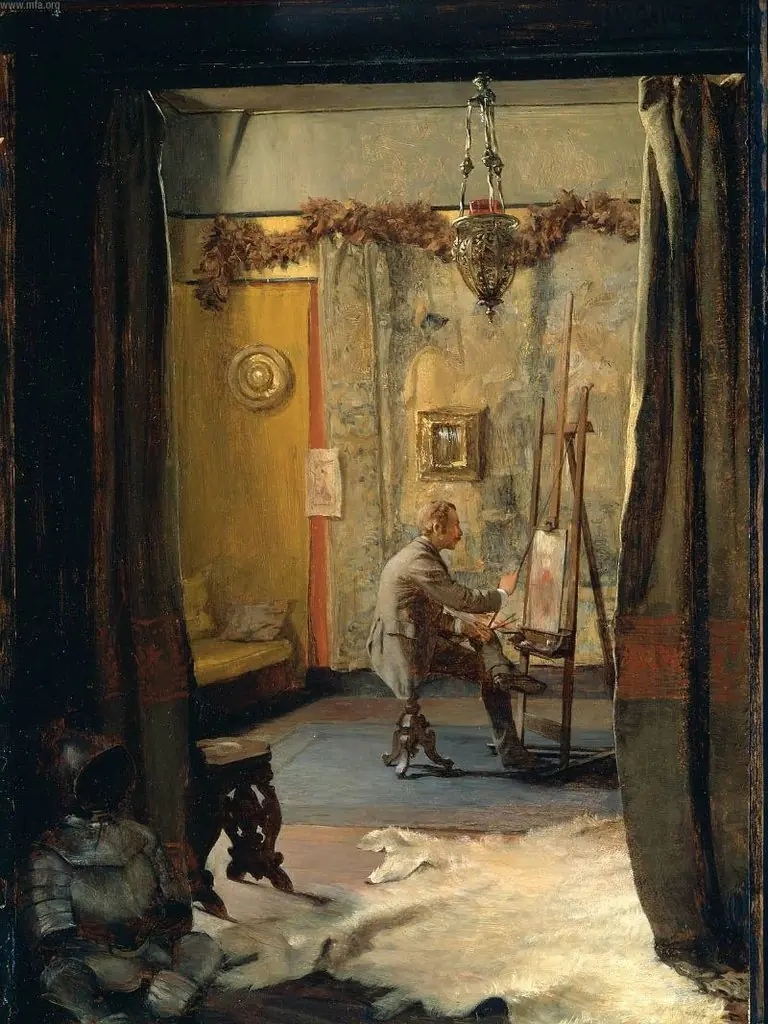 His Studio
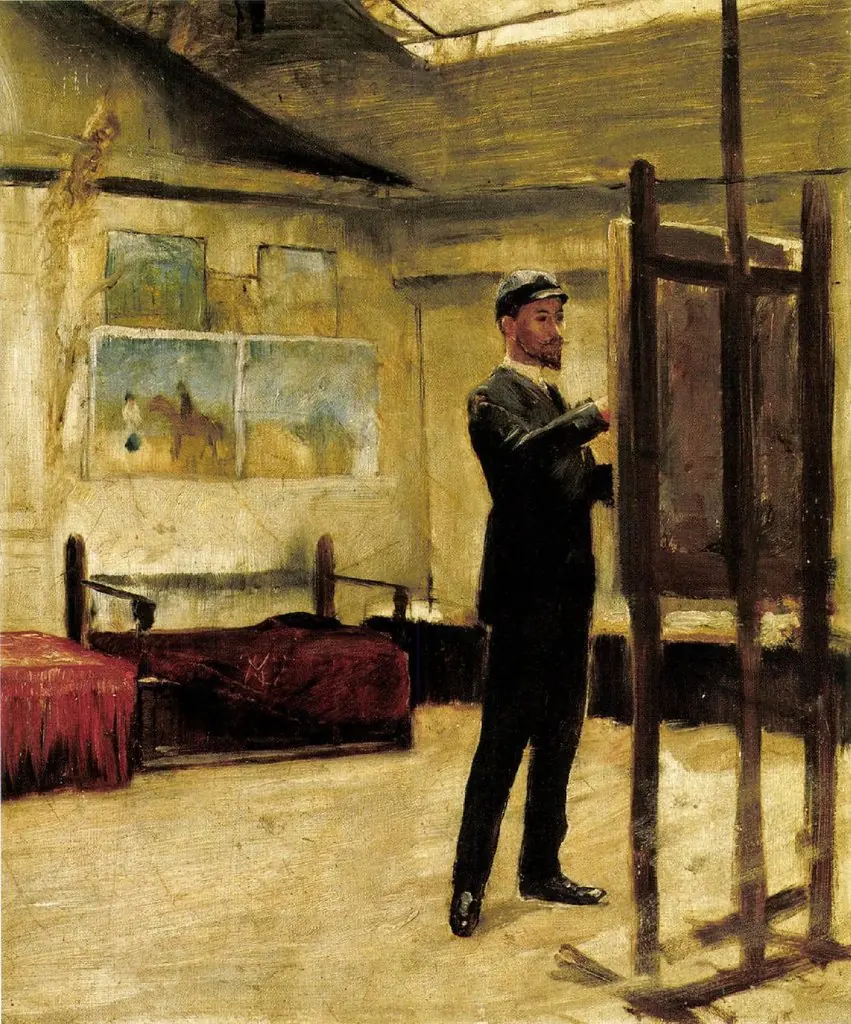 Self-portrait in the Studio
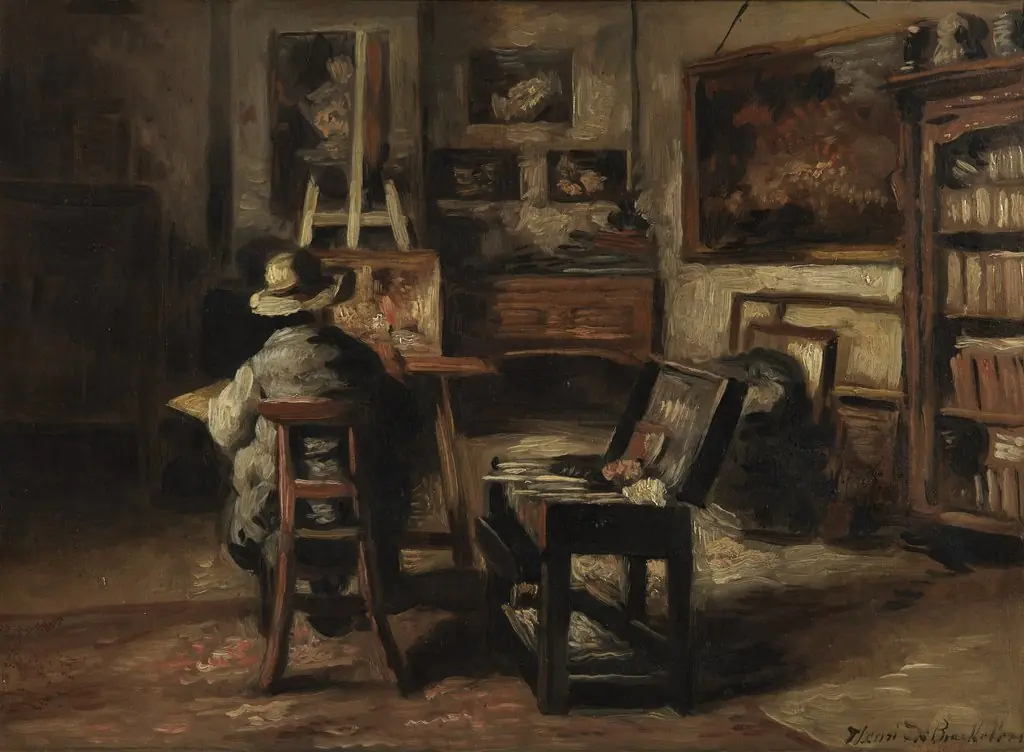 The Studio of Ferdinand De Braekeleer I, Father of the Painter
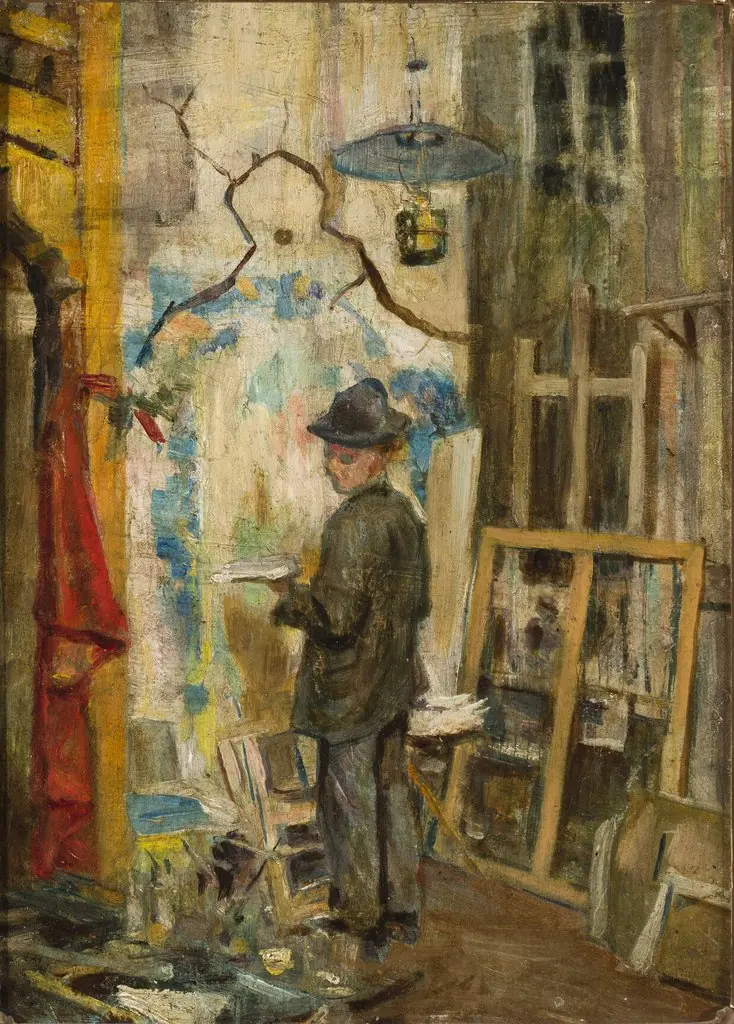 Józef Mehoffer in the studio
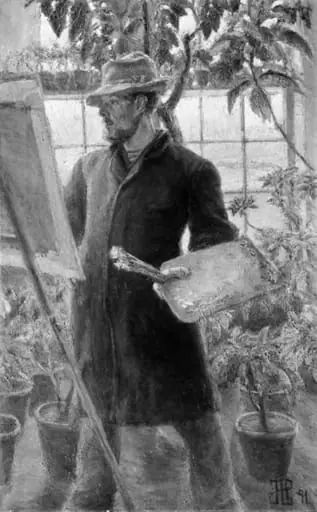 Maleren Harald Holm
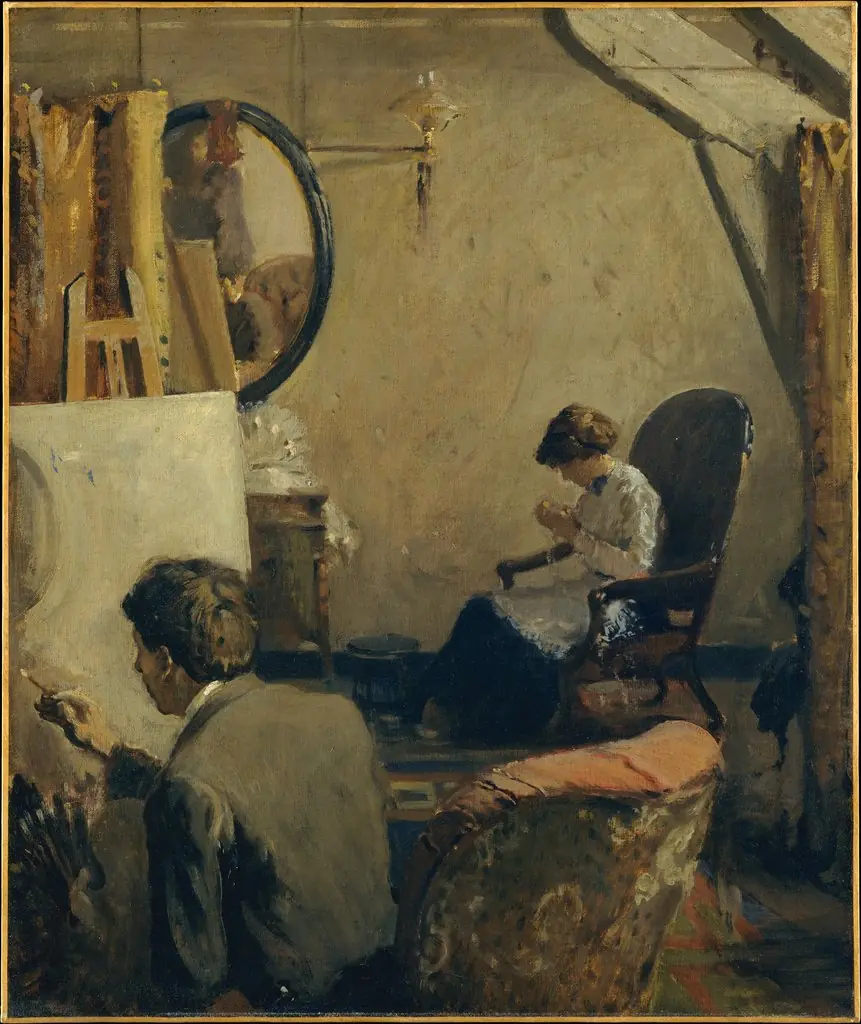 Louis Kronberg in His Studio in Copley Hall
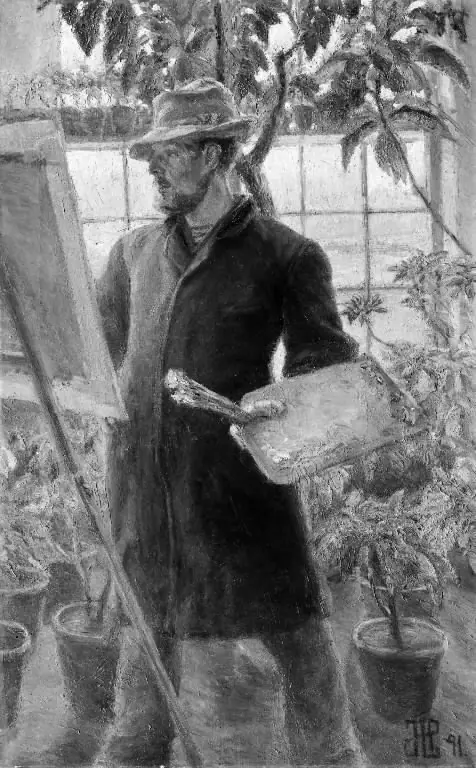 Maleren Harald Holm
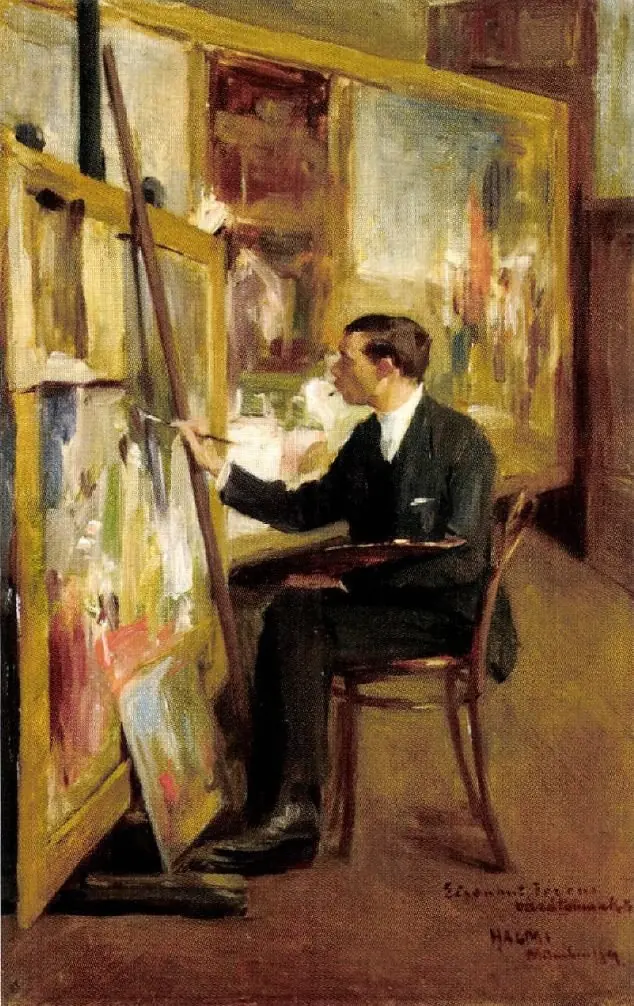 Self-portrait
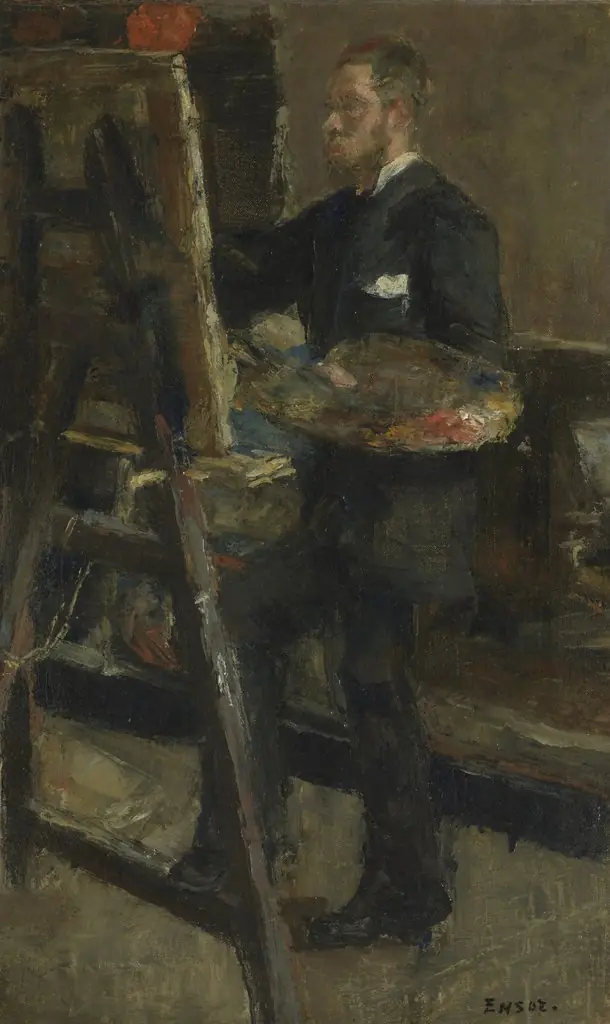 The Painter Alfred William Finch
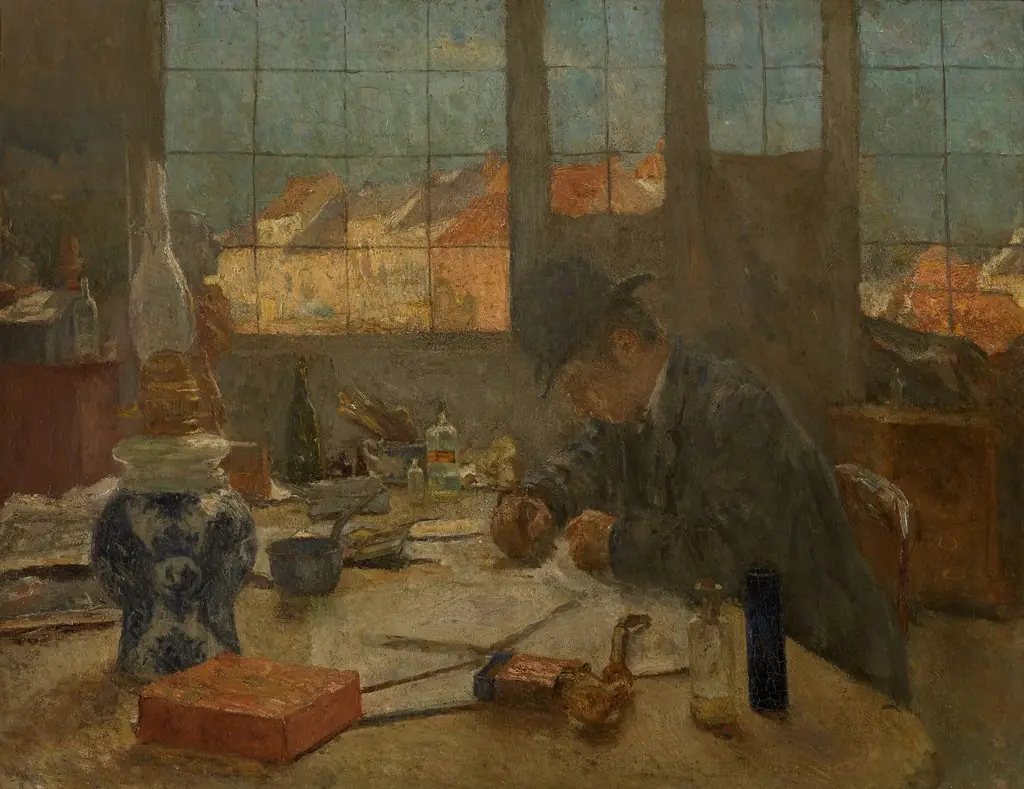 The Studio