Artwork
Adunare generală la C.A.P.
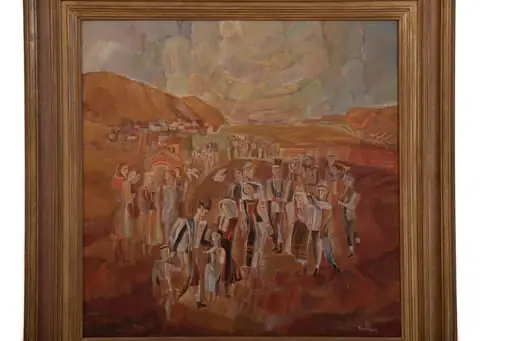
Adunare generală la C.A.P. is a print by Ispir Mircea. It is held in the collection of the Moldova National Museum Complex. This oil painting, titled Adunare generală la C.
About this work
Overview
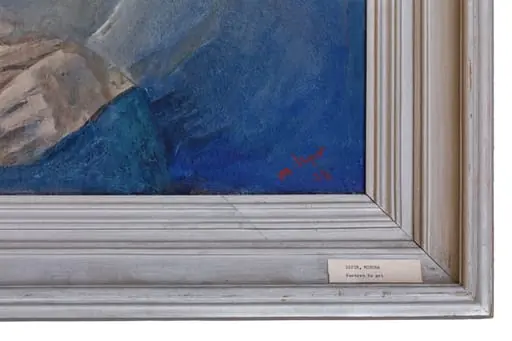
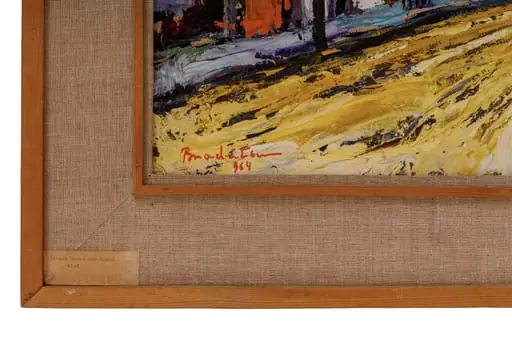
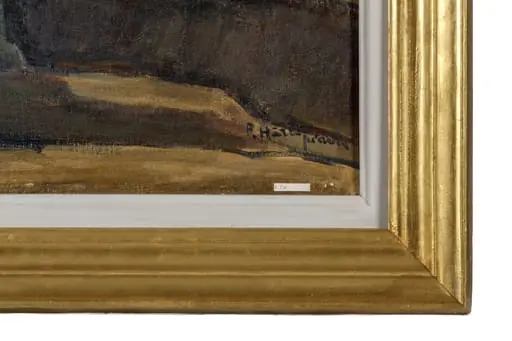
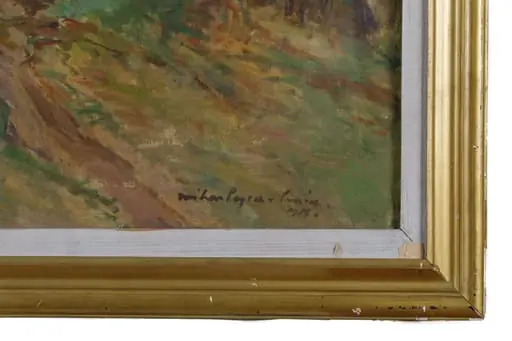
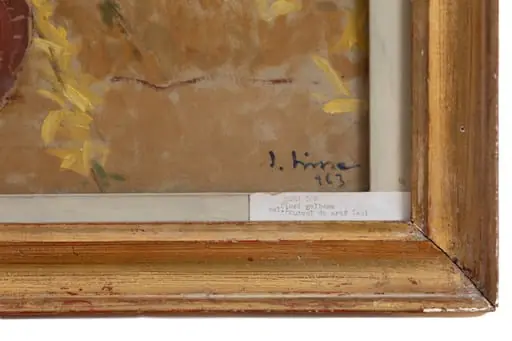
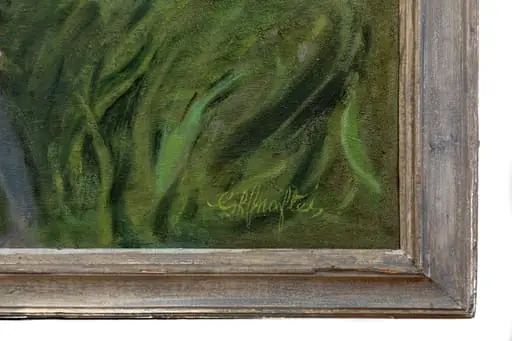
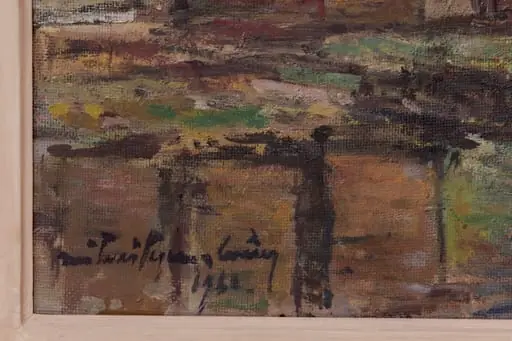
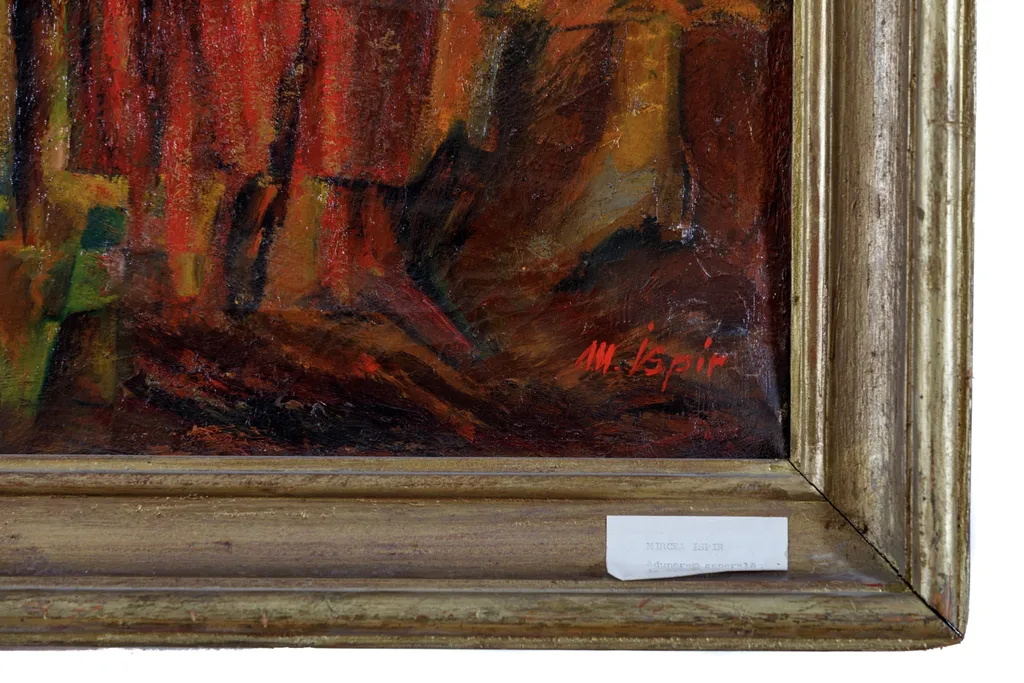
The artist’s signature, Ispir Mircea, appears in one corner, anchoring the work to its creator despite the absence of recognizable imagery.
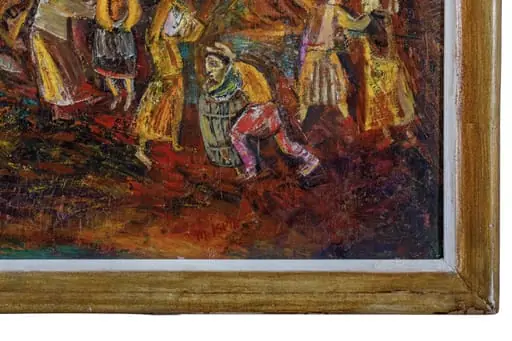
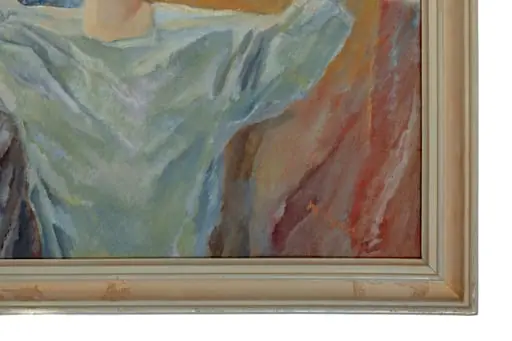
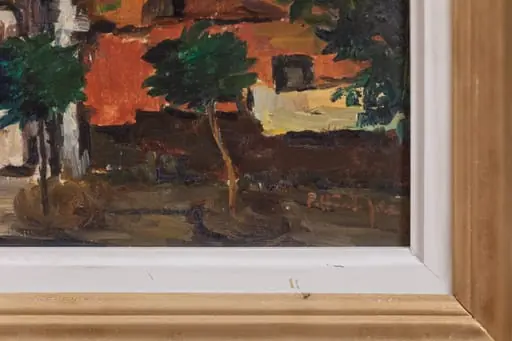
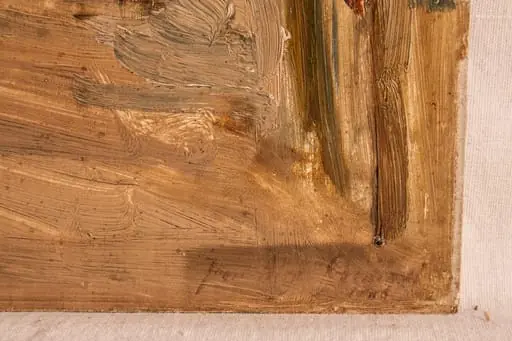
This oil painting, titled Adunare generală la C.A.P., presents a non-representational composition dominated by dense, layered brushwork. The surface is heavily textured, with pigment applied in thick, irregular strokes that create a tactile, almost sculptural quality. Colors—predominantly red, brown, and green—overlap without clear form, suggesting movement rather than depiction. The artist’s signature, Ispir Mircea, appears in one corner, anchoring the work to its creator despite the absence of recognizable imagery.
Subject & Meaning
The title suggests a collective assembly, possibly referencing a political or civic meeting, yet no figures, architecture, or spatial cues support this interpretation. The painting resists narrative clarity, instead evoking energy or agitation through its chaotic application. Meaning emerges not from depiction but from the physicality of the paint itself—its urgency, density, and disorder may imply the turbulence of the event it alludes to, or perhaps its absence.
Technique & Style
The work employs impasto techniques, with paint applied so thickly that it casts shadows and retains the imprint of the brush or palette knife. Colors are not blended but juxtaposed, creating visual tension through clashing hues. The surface is uneven, with ridges and depressions that catch light differently across the canvas. This approach prioritizes material presence over illusion, emphasizing the act of painting over the representation of a scene.
History & Provenance
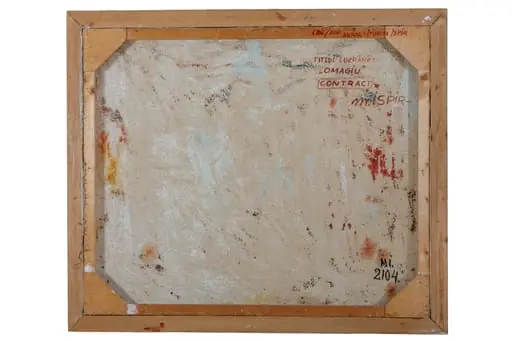
The painting’s origin is tied to the artist Ispir Mircea, though little public documentation exists regarding its creation date or early ownership. It was likely produced during a period when abstract expressionism influenced Eastern European artists, despite political constraints on non-representational art. Its survival and labeling suggest it was preserved within a local cultural or institutional context, possibly as part of an unofficial or underground artistic network.
Context
Created amid a climate where socialist realism dominated official art, this work’s abstraction and emotional intensity stand in contrast to state-mandated imagery. Its refusal to depict recognizable subjects may reflect a quiet resistance or personal exploration beyond ideological boundaries. The thick, unrefined brushwork aligns with broader postwar European tendencies toward material experimentation, even in regions with limited access to international art movements.
Legacy
Though not widely exhibited or cataloged, the painting contributes to a lesser-known strand of Romanian abstract practice from the mid-20th century. Its raw technique and refusal of narrative offer insight into how artists navigated repression through formal innovation. Today, it serves as a physical artifact of individual expression within a constrained cultural landscape, valued for its honesty of process rather than its public reception.
Artist & collection
Artist
Ispir Mircea’s prints and paintings capture quiet, introspective moments in mid-20th-century Romania.