Artwork
Peisaj
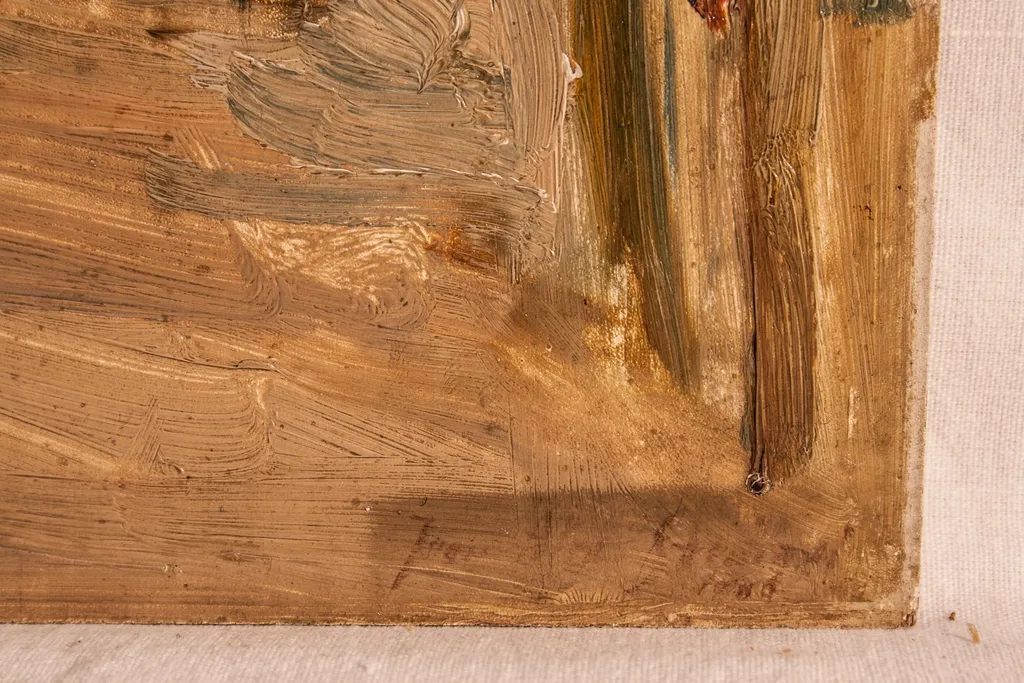
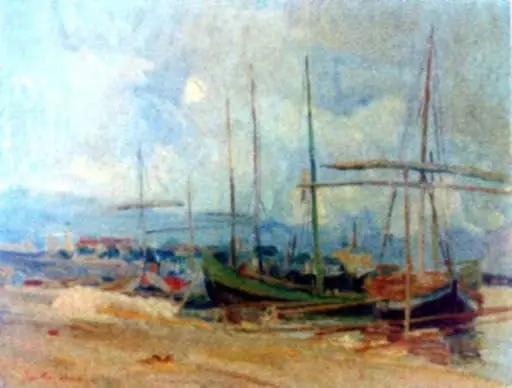
Peisaj is a print by Jean Alexandru Steriadi. It dates from 1928 and is held in the collection of the Gavrila Simion Eco-Museum Research Institute Tulcea.
About this work
Overview
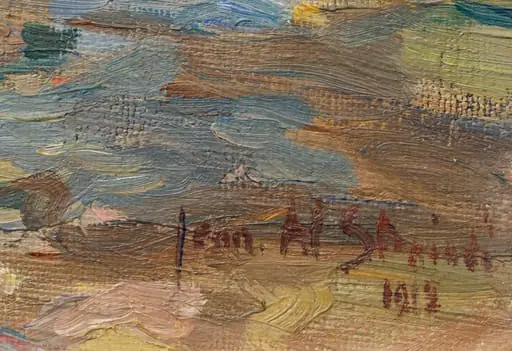
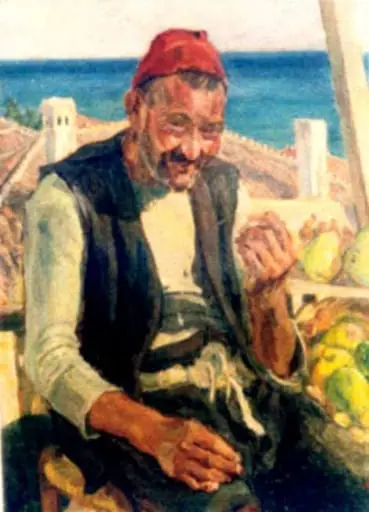
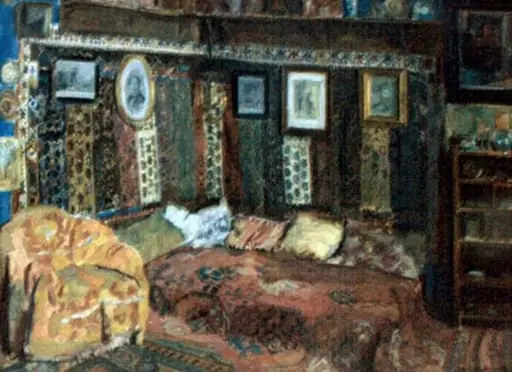
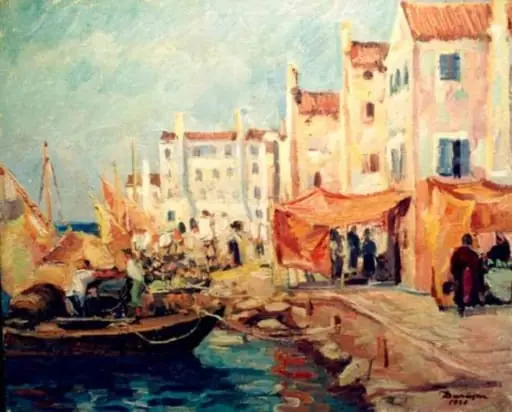
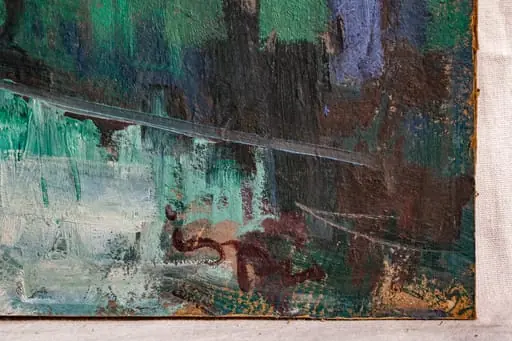
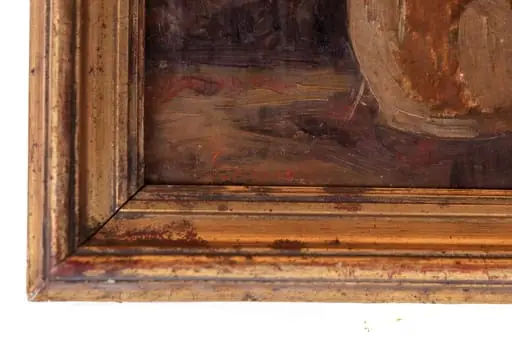
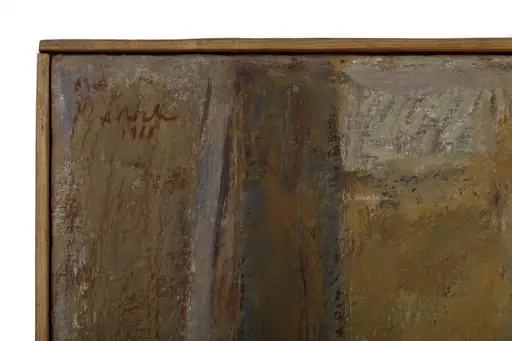
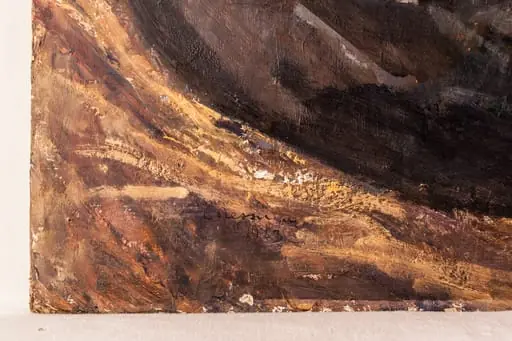
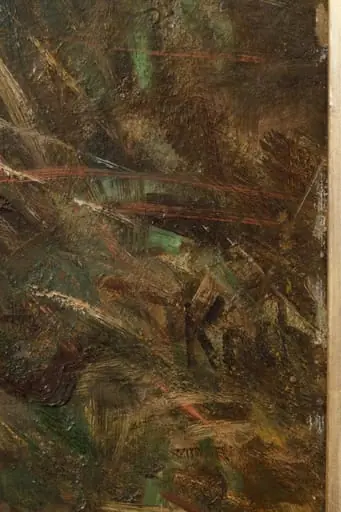
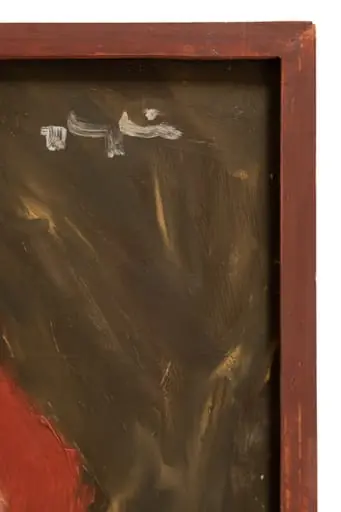
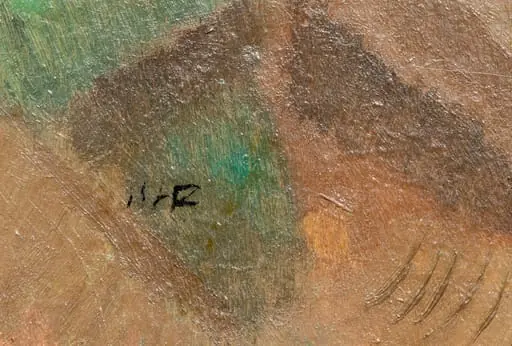
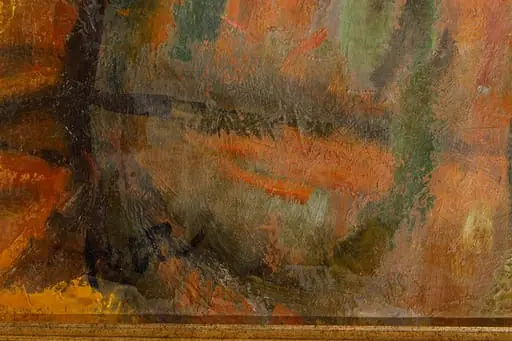
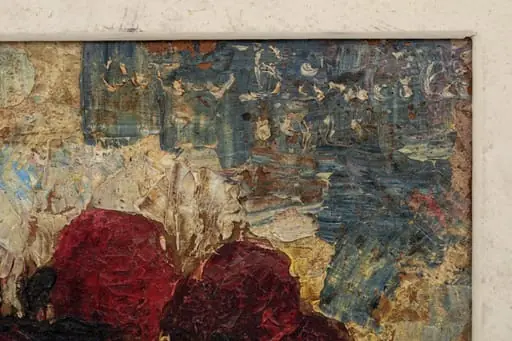
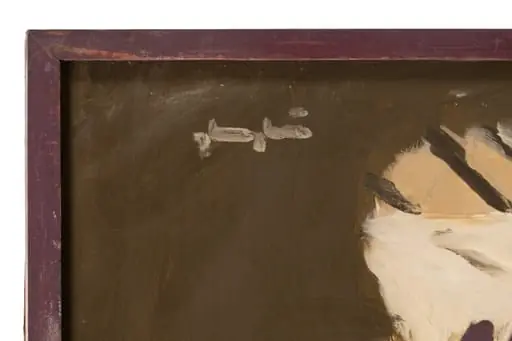
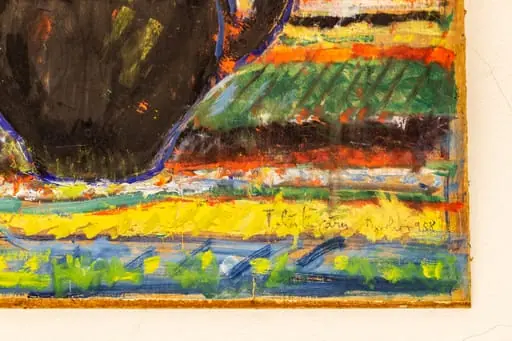
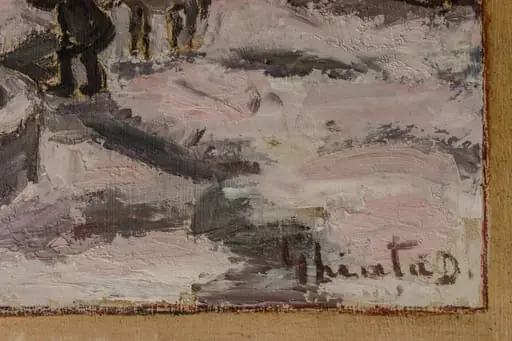
Peisaj, dated around 1928, is a landscape painting by Romanian artist Jean Alexandru Steriadi. It resides in the collection of the Museum of Ethnography. The work is distinguished by its physical surface, where paint is applied in dense, raised layers, creating a tactile quality that extends beyond the flat plane of the canvas. This approach emphasizes materiality over illusionistic depth.
Subject & Meaning
The subject is a rural landscape, rendered without clear topographical detail. Rather than depicting a specific location, Steriadi conveys the essence of the land through abstracted forms and earth-toned hues. The lack of precise features invites a sensory, rather than narrative, engagement—focusing on the mood and texture of the terrain rather than its identity.
Technique & Style
Steriadi employed impasto to build the painting’s surface, applying paint thickly with visible brushwork. The ridges and peaks of pigment create a sculptural effect, while areas of blurred pigment contrast with sharp, jagged strokes. This deliberate layering suggests a process of accumulation and revision, reinforcing the physical presence of the medium and the artist’s hand.
History & Provenance
The painting entered the Museum of Ethnography’s collection in the early 20th century, likely through institutional acquisition or donation. Its placement within an ethnographic context, rather than a fine arts gallery, may reflect its perceived connection to local traditions or rural life. No documented exhibition history prior to its museum acquisition is publicly available.
Context
Created in late 1920s Romania, Peisaj emerges during a period when artists were redefining national identity through depictions of the countryside.
Created in late 1920s Romania, Peisaj emerges during a period when artists were redefining national identity through depictions of the countryside. While urban modernism gained traction in cities, Steriadi’s work aligns with a broader interest in rural authenticity. His textured style diverges from academic realism, aligning more closely with expressive, material-focused approaches emerging across Europe.
Legacy
Peisaj remains a notable example of Romanian interwar painting that prioritizes materiality over representation. Though Steriadi is not widely known internationally, this work contributes to the understanding of regional modernism that valued tactile expression. Its preservation in an ethnographic museum underscores its cultural resonance beyond purely aesthetic concerns.
Artist & collection

Artist
Jean Alexandru Steriadi was a Romanian painter and drawing artist. He made portraits and compositions based on a strong, expressive drawing; then he evolved towards impressionistic influenced landscapes in which the…
Museum
Gavrila Simion Eco-Museum Research Institute Tulcea
Continue through works from the same source collection.